

Nanny of the Maroons: The Woman Who Turned Jamaica’s Mountains Into Freedom
Long before emancipation, before independence, and before modern Jamaica existed, one woman transformed the forests of the Blue Mountains into a sanctuary of resistance, survival, and land ownership


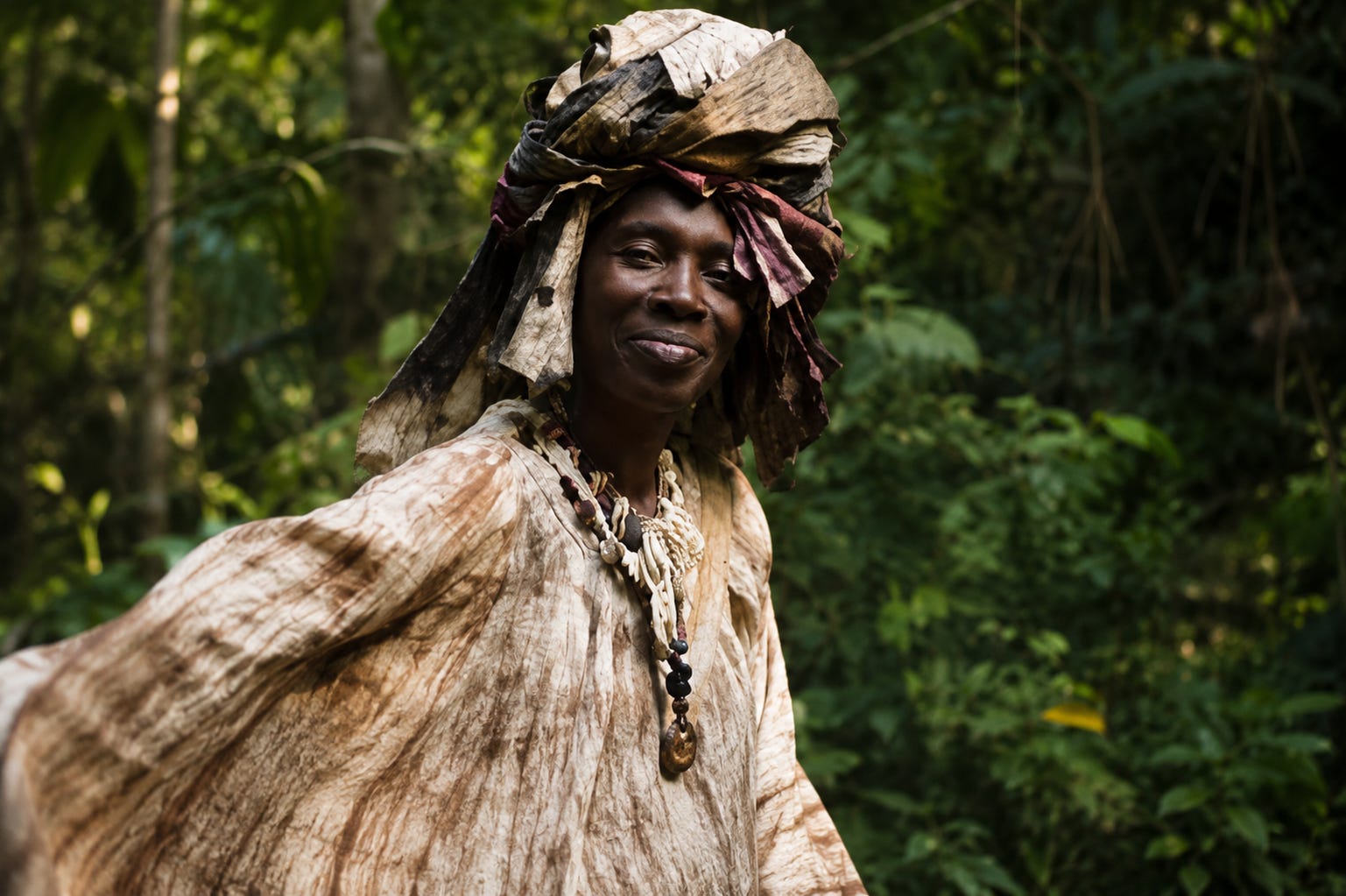
In the dense mountain interior of eastern Jamaica, where mist hangs low over the ridges and the terrain folds into deep ravines and hidden paths, stories still travel differently.
Some are written in books. Others survive because people refuse to let them die.
The story of Nanny of the Maroons belongs to both.
To the British colonial forces of the 18th century, she was a dangerous rebel leader who disrupted plantations, freed enslaved Africans, and made military advancement through Jamaica’s mountainous interior nearly impossible. To the Maroons, she became something larger - protector, strategist, spiritual guide, and symbol of freedom itself.
And somewhere between documented history and oral tradition, legend took hold.
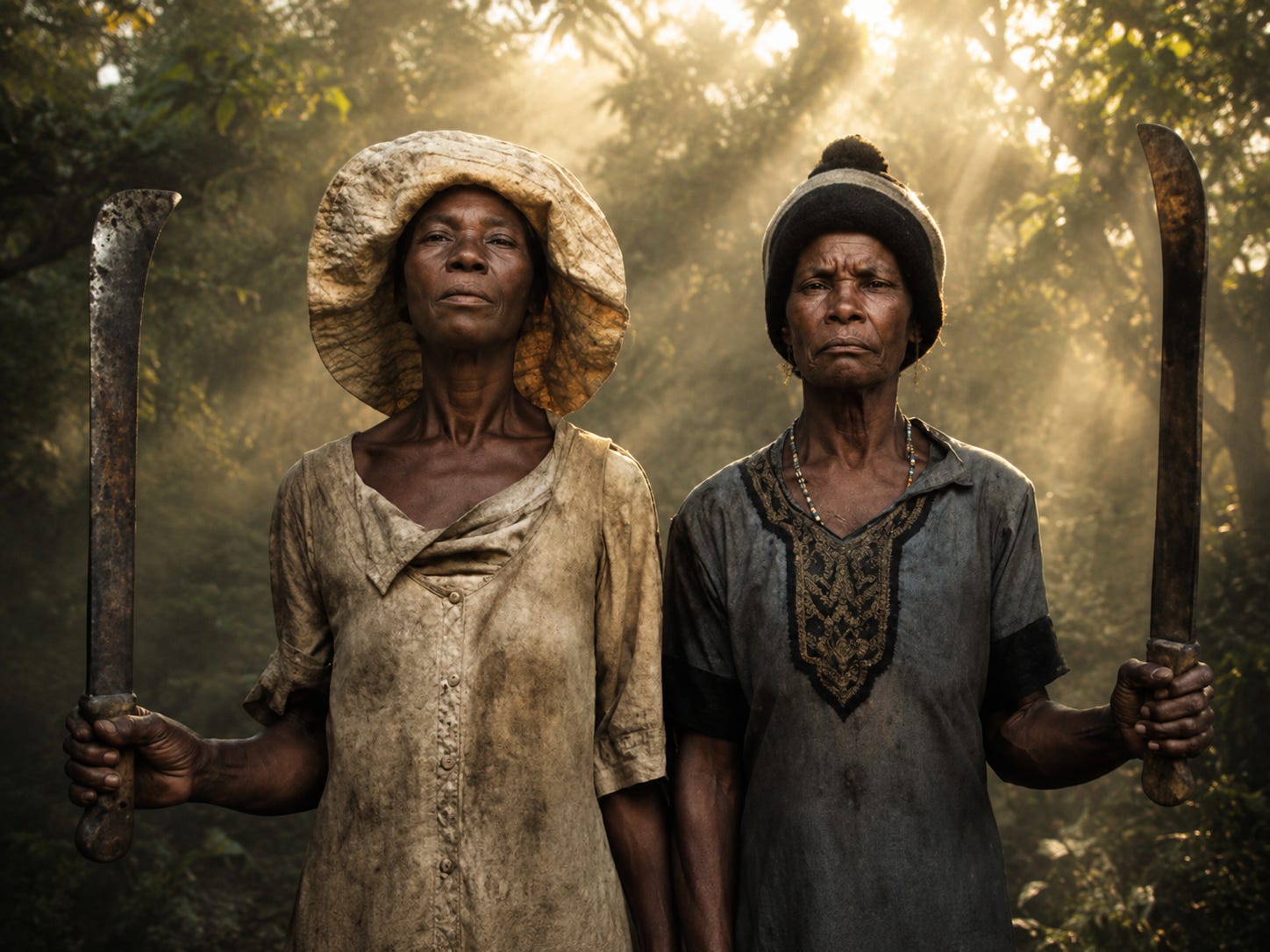
It was said that Nanny could catch bullets with her bare hands and send them back toward British soldiers. Other accounts claimed she possessed supernatural powers rooted in African spiritual traditions and Obeah practices carried across the Atlantic from West Africa. Whether literal or symbolic, the stories reflected something deeper: the fear she inspired in the colonial system and the near-mythic respect she earned among her people.
But Nanny’s true power was never magic.
It was land.
It was geography.
It was understanding Jamaica better than the empire trying to control it.
Born around 1686 and believed to be of Ashanti origin from present-day Ghana, Nanny was brought to Jamaica as an enslaved African before escaping into the island’s mountainous interior. There, alongside other formerly enslaved Africans, she helped build independent Maroon communities hidden within the Blue Mountains.
From Nanny Town, believed to have been located in the Portland-St. Thomas region, she led the Windward Maroons during the First Maroon War of the 1720s and 1730s. The British, despite superior weapons and military resources, struggled against fighters who knew every ridge, cave, river crossing, and forest path.
The Maroons used camouflage techniques, intelligence networks, ambush strategies, and the unforgiving terrain itself as protection. Fighters reportedly disguised themselves with branches and leaves, blending into the forest before launching sudden attacks. British troops often entered the mountains as organized soldiers and left disoriented, exhausted, or dead.
Long before modern military strategists formalized guerrilla warfare doctrines, Nanny and the Maroons were already practicing them in Jamaica’s hills.
More importantly, they were defending something profoundly human: the right to exist freely on Jamaican soil.
That idea still resonates deeply in Jamaica today.
Land ownership in Jamaica has never been purely transactional. It is emotional. Historical. Generational. Across rural districts and urban communities alike, land often represents survival, inheritance, dignity, and independence. Families fight to keep “family land” for decades. Returning residents save for years to build homes back on ancestral property. Entire communities still carry memories tied to hillsides, districts, rivers, and old pathways.
The Maroons understood this centuries ago.
Nanny’s resistance was not simply about warfare. It was about establishing autonomous space, communities outside plantation authority where Africans could govern themselves, farm, build, worship, defend territory, and pass culture from one generation to the next.
In many ways, these were among Jamaica’s earliest examples of self-determined settlements shaped around freedom rather than colonial economics.
The 1739 peace treaties between the British and various Maroon leaders eventually granted the Maroons a level of autonomy long before slavery was abolished across Jamaica. Historical accounts suggest Nanny herself may have disagreed with aspects of the treaty, viewing compromise with colonial authorities cautiously. Even so, the resistance led by the Maroons fundamentally altered British control of the island and forced recognition of communities that had once been considered illegal and impossible to sustain.
Today, the legacy survives most visibly in Moore Town, Portland, where descendants of the Windward Maroons continue to preserve traditions, language, drumming, and cultural practices tied to that history.
Nanny herself remains singular in Jamaica’s national identity.
She is the only woman officially recognized among Jamaica’s National Heroes. Her image appears on the Jamaican $500 note, quietly circulating through daily life — passed through markets, taxis, corner shops, restaurants, and businesses across the island.
Yet her deeper legacy may be less about symbolism and more about what she represented.
At a time when powerful empires defined Africans as property, Nanny asserted the opposite. She helped carve out free Black territory in Jamaica’s mountains and defended it relentlessly. She transformed hostile terrain into community, uncertainty into strategy, and resistance into permanence.
Modern Jamaica still wrestles with many questions tied to land, ownership, housing, migration, and identity. Development pressures continue reshaping coastlines and hillsides. Young Jamaicans continue searching for pathways to ownership in an increasingly expensive property market. Returning residents continue rebuilding connections to districts their families left generations ago.
And through all of it, the idea remains remarkably familiar: that land is never just land in Jamaica.
It is memory.
It is belonging.
It is survival.
Nanny of the Maroons understood that long before the rest of the nation had the freedom to say it openly.