

NaRRA Bill Clears House
As Jamaica moves to speed up post hurricane reconstruction, the new authority raises a central question for housing and development, how fast can the country rebuild while keeping public trust intact?

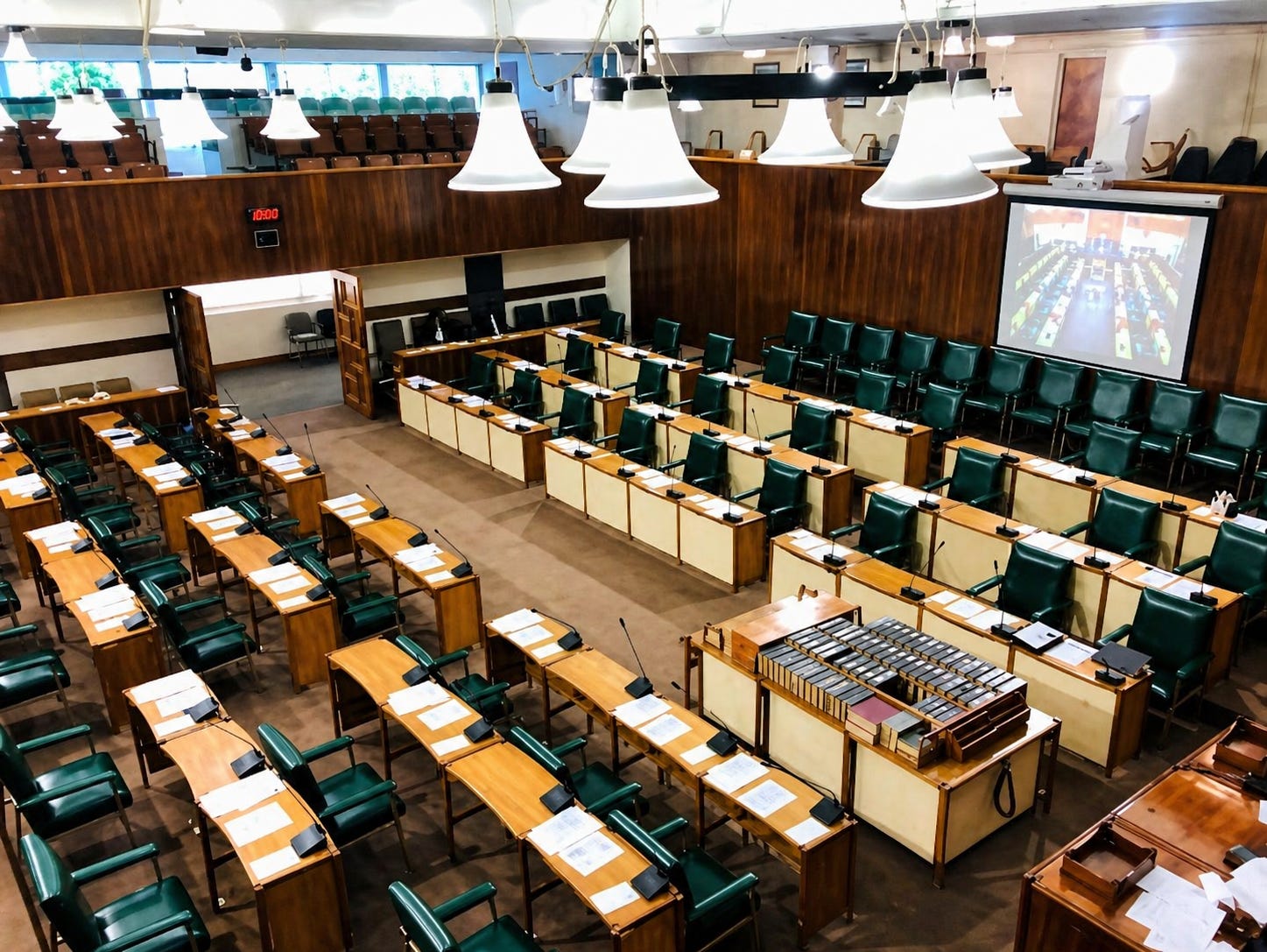
Jamaica’s House of Representatives has approved the National Reconstruction and Resilience Authority Bill, mcving the proposed agency one step closer to becoming the central body responsible for coordinating reconstruction after Hurricane Melissa.
The bill now heads to the Senate after a late night vote in Gordon House, where Government members carried the measure by 31 votes to 15, with 16 lawmakers absent. The vote followed hours of debate, more than 20 amendments, and strong objections from Opposition members who argued that the proposed authority still gives too much power to the executive without sufficient independent oversight.
For Jamaica’s housing, land and development landscape, NaRRA is not a small administrative change. It is being designed as the vehicle through which damaged roads, bridges, public buildings, communities and wider reconstruction projects can be planned and delivered at speed. Government has argued that the agency is needed to reduce delays, coordinate multiple public bodies and move recovery projects through a single national framework.
But the debate around the bill shows the deeper tension now facing Jamaica after Hurricane Melissa. Reconstruction is urgent, especially in communities where homes, infrastructure and livelihoods were damaged. Yet urgency can create its own risks if planning, procurement, environmental safeguards and public reporting are not strong enough to carry the weight of public confidence.
The Government says several amendments were added to strengthen accountability. These include requirements for periodic consultation with affected residents and stakeholders, six monthly reporting by the chief executive officer to the responsible minister, and the tabling of those reports in Parliament. Additional provisions were also inserted to address conflicts of interest involving senior personnel.
Opposition members, however, maintained that those changes did not go far enough. They raised concerns about the absence of a traditional governing board, the concentration of authority around ministerial direction, and the risk that reconstruction powers could override ordinary checks in planning, procurement and environmental decision making. Civil society groups had also called for wider consultation and stronger safeguards before passage.
The real estate significance is clear. Post disaster rebuilding is not only about replacing what was lost. It shapes where people live, how communities are redesigned, which lands are prioritised, what standards are used, and whether vulnerable households are returned to safer, stronger conditions or simply placed back into risk.
In that sense, NaRRA could become one of the most consequential development institutions Jamaica has seen in recent years. If it works well, it may help shorten recovery time, improve coordination and bring greater discipline to national rebuilding. If it works poorly, it could deepen mistrust around land use, contracts, relocation, infrastructure spending and the long term resilience of affected communities.
The Senate stage will therefore matter. The core issue is no longer whether Jamaica needs a coordinated reconstruction mechanism. Few would argue against that. The sharper question is whether the final law will balance speed with scrutiny, and whether people in damaged communities will be treated not only as beneficiaries of reconstruction, but as participants in decisions that affect their homes, land and future security.
For Jamaica’s property sector, the passage of the bill through the House marks the beginning of a larger test. Recovery after a storm is measured not only in roads reopened or buildings repaired, but in whether the country rebuilds with more trust, better planning and stronger protection for the people most exposed when the next disaster comes.