

New York Tourism Showcase Signals Growing Property Opportunity in the US Virgin Islands
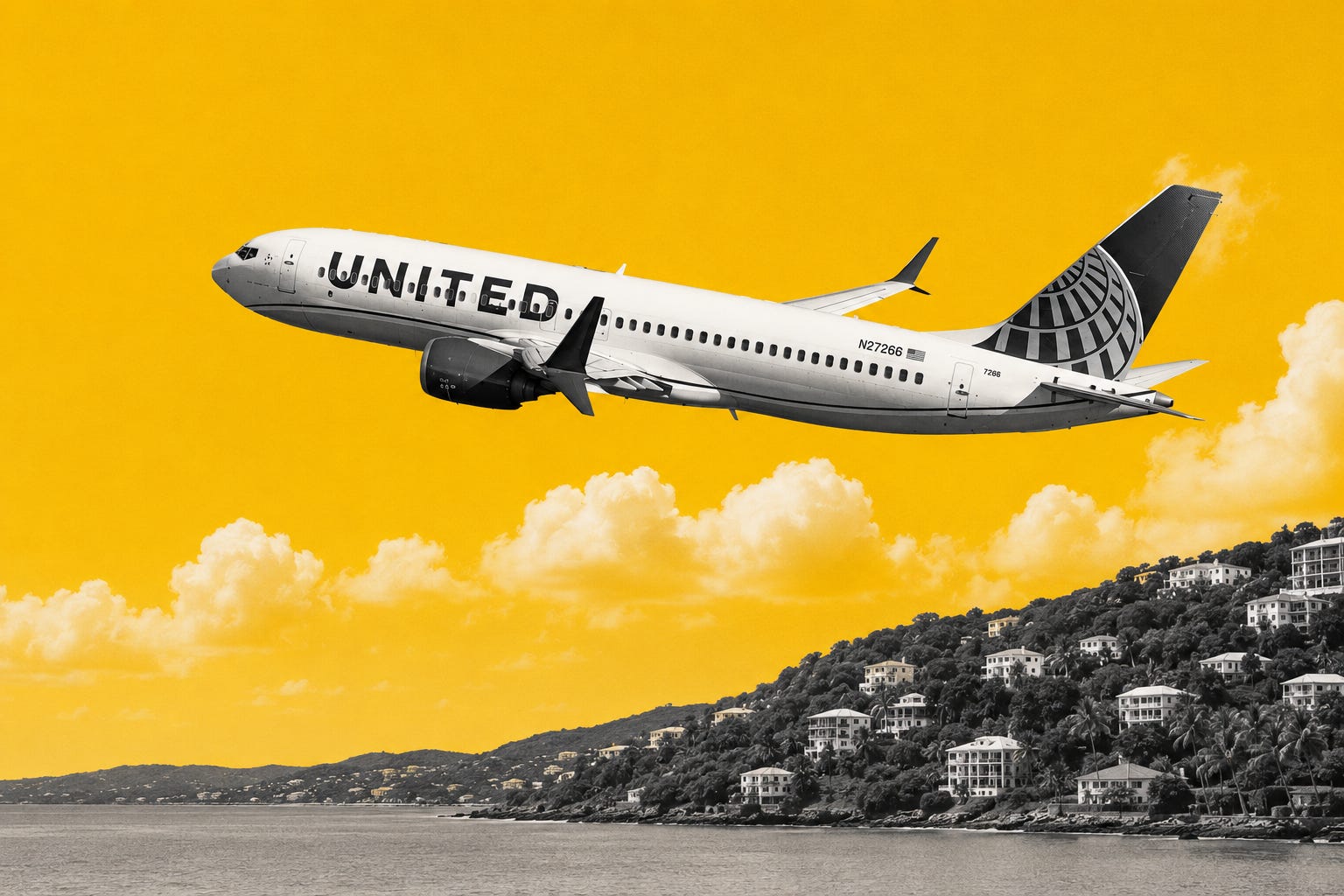
The announcement of a new nonstop United Airlines service between Newark and St. Croix at Caribbean Week in New York may have been framed as a tourism story, but for investors, developers and real estate professionals across the Caribbean, it carries broader implications.
The U.S. Virgin Islands used this year’s Caribbean Week to highlight record visitor arrivals, new airlift and growing international visibility. While tourism officials understandably focused on visitor numbers and destination marketing, history suggests that improved connectivity often creates ripple effects that extend well beyond the tourism sector.
Across the Caribbean, increased airlift has frequently been followed by rising demand for vacation homes, short-term rentals, hospitality projects and residential development. Easier access reduces travel friction and can make destinations more attractive to both visitors and property buyers.
The newly announced United Airlines service will provide a direct connection between Newark Liberty International Airport and St. Croix, opening the island to one of the largest and most affluent travel markets in North America. The New York metropolitan area has long been a critical source of visitors for Caribbean destinations, supported by strong leisure travel, business travel and Caribbean diaspora connections.
For St. Croix, the route represents more than a new flight. It is an opportunity to strengthen its position within the increasingly competitive regional tourism and investment landscape.
The relationship between tourism and property markets is well established. Visitors often become repeat visitors. Repeat visitors frequently become property owners. In many Caribbean jurisdictions, overseas buyers first discover a destination through tourism before later purchasing vacation homes, retirement properties or investment units.
Jamaica has experienced this pattern repeatedly. Areas such as Montego Bay, Ocho Rios and parts of the North Coast have benefited from sustained airlift growth, helping to support both tourism-related development and residential real estate activity.
The U.S. Virgin Islands may now be positioning itself to capture a similar opportunity.
St. Croix remains less developed than some of the Caribbean’s more heavily marketed tourism destinations. For investors, that can create opportunities. Land values, residential inventory and development costs may compare favourably with more mature resort markets where pricing has risen significantly in recent years.
At the same time, the territory benefits from a unique advantage. As a United States territory, the U.S. Virgin Islands offers American citizens a familiar legal and financial framework while still delivering a distinctly Caribbean lifestyle. For many U.S.-based buyers, this can reduce perceived barriers to ownership.
The territory’s strong presence at Caribbean Week also highlighted another increasingly important trend: the growing role of diaspora-driven investment. Caribbean nationals and descendants living abroad continue to play a significant role in supporting property markets throughout the region, whether through second-home purchases, retirement planning or family investments.
As destinations compete for visitors, they are increasingly competing for investors as well.
The Caribbean tourism industry often says that tourism follows airlift. The same principle can frequently be applied to real estate. Improved access creates awareness. Awareness creates demand. Demand can eventually translate into investment.
Of course, new airline service alone does not guarantee property market success. Infrastructure, planning policy, economic stability and environmental resilience all remain critical factors. However, stronger connectivity often serves as an important first step.
For Caribbean real estate professionals, the developments announced during Caribbean Week offer another reminder that tourism and property markets remain closely linked. New routes, new visitors and new attention can create opportunities that extend well beyond hotel occupancy figures.
The U.S. Virgin Islands arrived in New York to discuss tourism. The longer-term story may ultimately be about investment.