


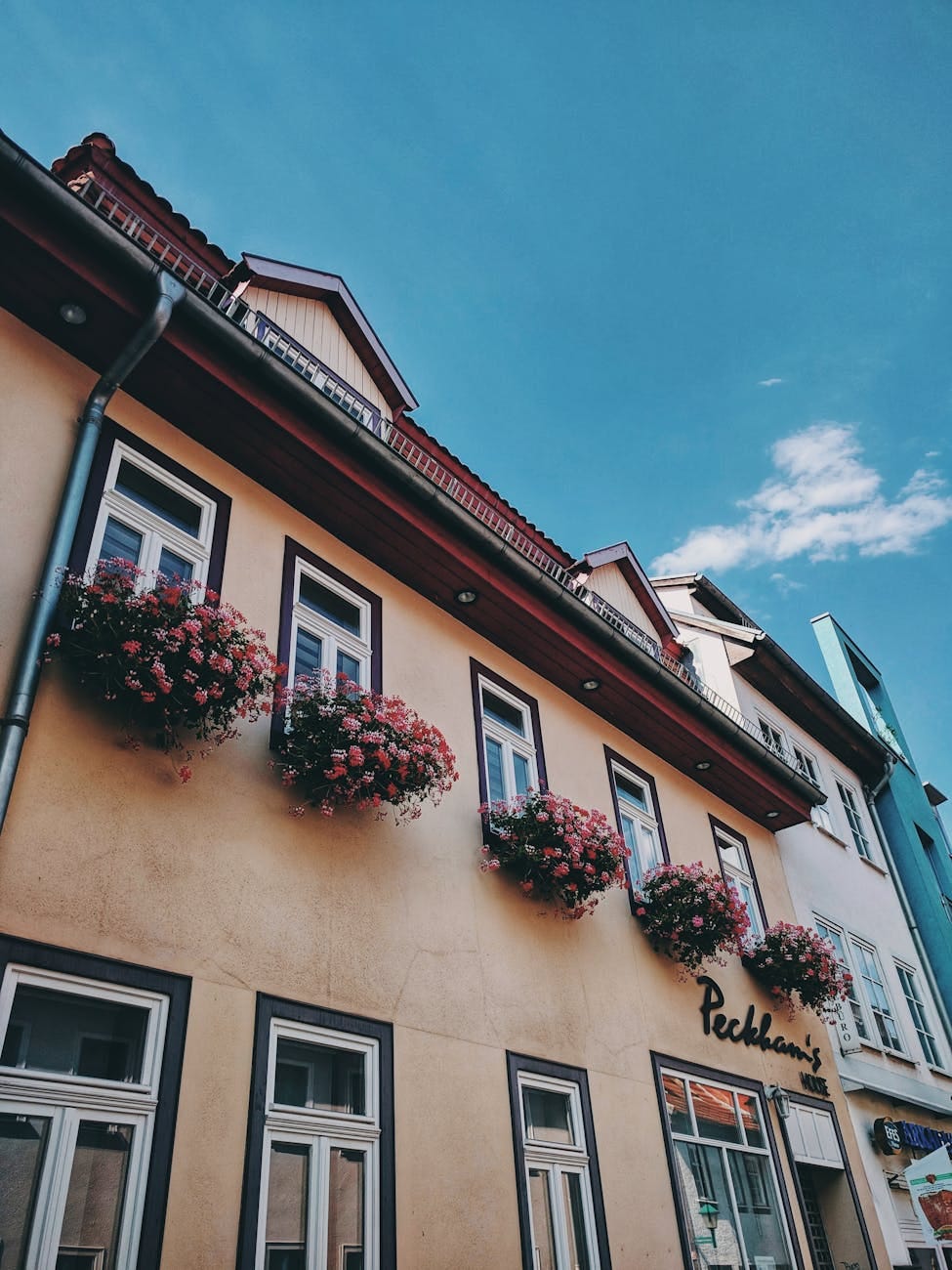
Imagine hopping off the Overground at Peckham Rye, energy electrifying the air: stalls, murals, multicultural crowds. Fast-forward to Portmore’s sun-drenched suburbs: pastel houses, canal-lined streets, the hum of Jamaica Urban Transit buses. That’s the transition—from urban grind to seaside skyline.
“Moving from Peckham to Portmore is more than relocation—it’s trading hustle for heritage,” says Dean Jones, the founder of Jamaica Homes. “In both spots, you’re buying into community, but the economies shift.”
1. Why Peckham’s Grit Resonates with Portmore’s Pulse
Peckham: A Working-Class Phoenix
• Once notorious—with gangs like the “Peckham Boys” and tragic incidents like the stabbing of Damilola Taylor in 2000—Peckham has risen through community-led regeneration and cultural resurgence.
• Homes have shot up in value—over 1,000% since 1995.
• But gentrification pressure remains: soaring prices, luxury towers, and community pushback .
Portmore: Jamaica’s New Suburban Engine
• Established in the 1960s to ease Kingston’s urban congestion, Portmore now has over 150,000 residents, officially declared Jamaica’s 15th parish in February 2025.
• It’s a sprawling, middle-class, commuter‑town suburb stretching from reclaimed swampland to Hellshire Beach—a blend of porch‑lit homes and freshly painted condos.
2. Cultural DNA: Gangs, Graffiti & Gated Communities
Peckham’s social story is defined by multicultural hustle—Nigerians, Afro-Caribbean migrants—and a vibrant street-art scene.
The “Peckham Boys” gang shaped its tough-era identity until drill rappers turned street narratives into songs.
Portmore, by contrast, lacks that gritty reputation—but working‑class values persist: building a home, raising a family, maintaining pride in modest housing stock.
3. Real Estate Realities: Starter Homes & Sustainable Hustles

In Peckham
Affordable entry: Kent-built flats, small terraces, and council‑estate conversions are ideal for first-time buyers.
Gentrification risk: New builds and tower plans spark protests; locals fear shadowed streets and hollowing out communities.
Hybrid developments: Mixed-use schemes like Peckham Levels keep the original soul alive.
In Portmore
Starter‑home focus: Two‑bed terrace homes in Waterford or Cedar Grove are resilient, affordable, and close to Kingston commuters.
New estates: Gated communities in Caribbean Estates or Bridgeport promise safety, amenities, and appreciation—but demand scrutiny on titles and land history.
Growing parish: Portmore’s new parish status spurs local infrastructure and municipal funding—plus mayoral investment.
“In Peckham you hedge on future worth; in Portmore you build it. But both require you pay attention—not dreams,” Dean Jones warns.
“Check your titles. Check your builder. Check your safety. This is working‑class planning, not daydreaming.”
5. Historical Sparks: Winds of Change
YearEngland (Peckham)Jamaica (Portmore region)1962Early post-war regeneration—Peckham terraces steadyIndependence era; Kingston crowding drives Portmore’s creation.1990sEU‑funded regeneration, Peckham Library, Peckham Levels spring to lifeGreater Portmore builds under San Jose Accord—14,000 homes by 19912000sDamilola Taylor tragedy surfaces social neglectContinued suburban expansion, canal development2025Peckham’s protest on Aylesham flats towersPortmore becomes parish—symbol of urban maturity
6. Buying & Selling: Street‑Smart Tactics
Know your market
In Peckham, scout for undervalued shells, period terraces, or hybrid flats—expect renovation or rising rents.
In Portmore, target built‑for‑purpose estates with legal titles: Christian Gardens, Port Henderson, Caribbean Estates.
Secure your documentation
Peckham builds demand planning permission; tower developments trigger council objections.
Portmore’s reclaimed swamp and new titles mean you must verify deed history, boundaries, and family transfers.
Assess security & amenities
Peckham thrives with accessible Overground, vibrant markets—but fears gentrification supplanting locals.
Portmore thrives with canals, beaches, bus routes—but needs road maintenance and flood resilience.
Work with trusted agents
Dean Jones insists: “In both worlds, working‑class investors need someone with shared understanding—never a surfboard‑selling agent.”
Plan exit and rental options
In Peckham, short lettings near Rye Lane might yield £1,500 for a one‑bed; Portmore rentals can be stable long‑term or seasonal.
Inspect builders and quality
In London, check structural rebars and permits. In Jamaica, verify hurricane-proofing, grant permits, and land surveys.
7. Community Pulse: Two Cities, One Spirit
Peckham remains multicultural—”Little Lagos” vibes, Afro-Caribbean markets, art studios, community pubs like Prince of Peckham.
Portmore pulses with May Day flags, Sunday markets, reggae sounds, and a growing sense of civic pride post‑parish status.
“Whether you’re buying in Peckham or Portmore,” says Jones, “the heartbeat is the people.”
8. Final Note: Punch Where It Counts
The Peckham-to-Portmore path is full of grit, growth, risk—downstairs studios and seaside starter homes, social housing fights and canal‑edge commodore communities.
Key Takeaways:
Start small in both markets.
Verify everything—structure, title, permit, community vibe.
Value trust; lean on someone who knows the story.
Own your narrative—you’re not just buying homes, you’re building legacy.
“Peckham toughened me,” Jones smiles. “Portmore grounds me.”
Closing Call to Action
Thinking about the jump—from urban flats on Rye Lane to Spanish‑harbour coastlines? Reach out to Dean Jones for a grounded consultation—whether you’re budgeting for family, hustle, or heritage.
Disclaimer: A working‑class reality check, not financial advice. Always consult licensed professionals for real estate, legal, and financial decisions.