


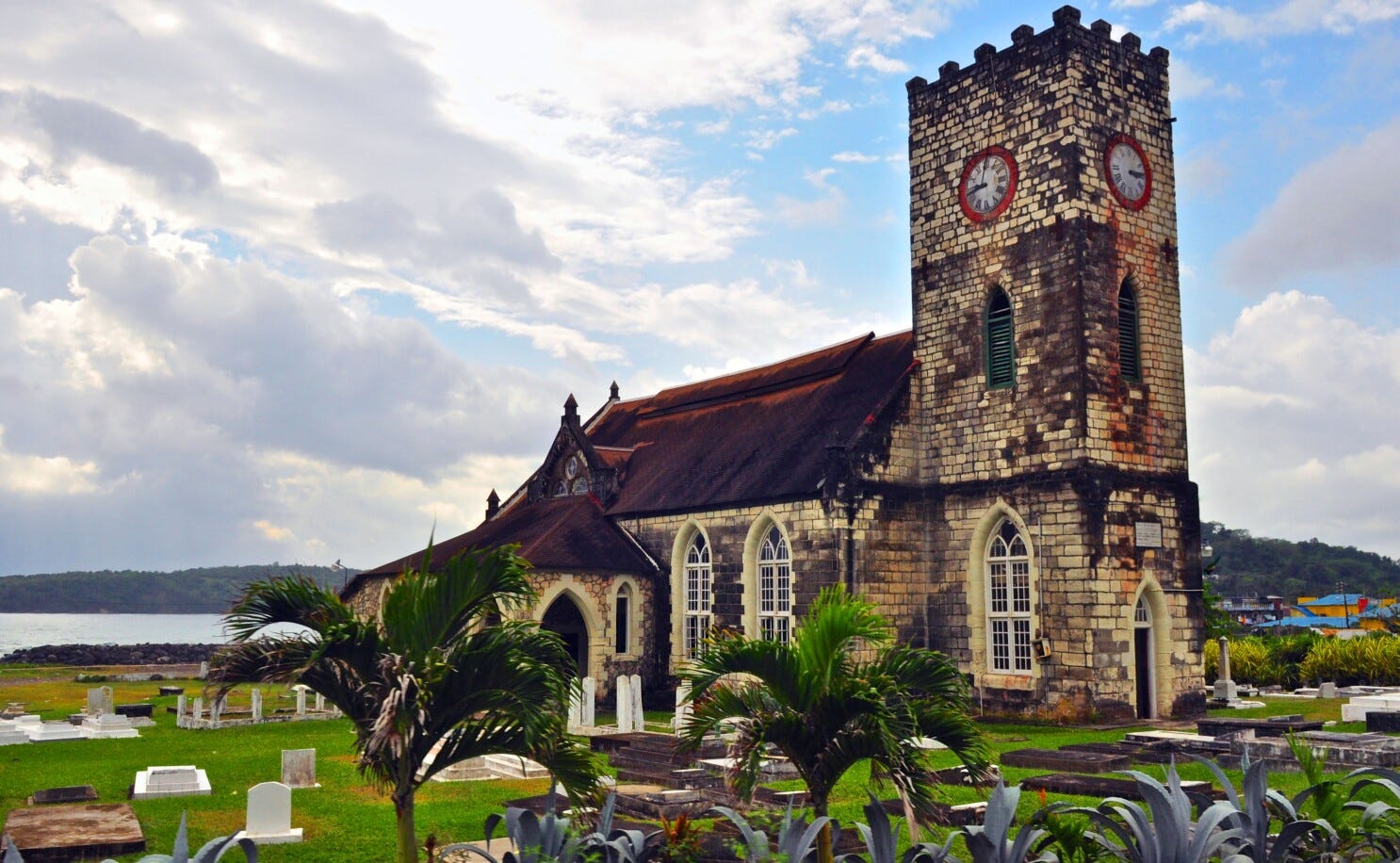
Nestled along the picturesque shores of the Jamaican parish of Saint Mary, Port Maria emerges as a vibrant hub of history and culture. Originally christened “Puerto Santa Maria” by Spanish settlers, it holds the distinction of being the second town established on the island, steeped in centuries of captivating tales and legacies. Overlooking the town, the weathered ruins of Fort Haldane, erected in 1759, stand as silent sentinels, bearing witness to the passage of time and the enduring spirit of the land.
English Conquest:
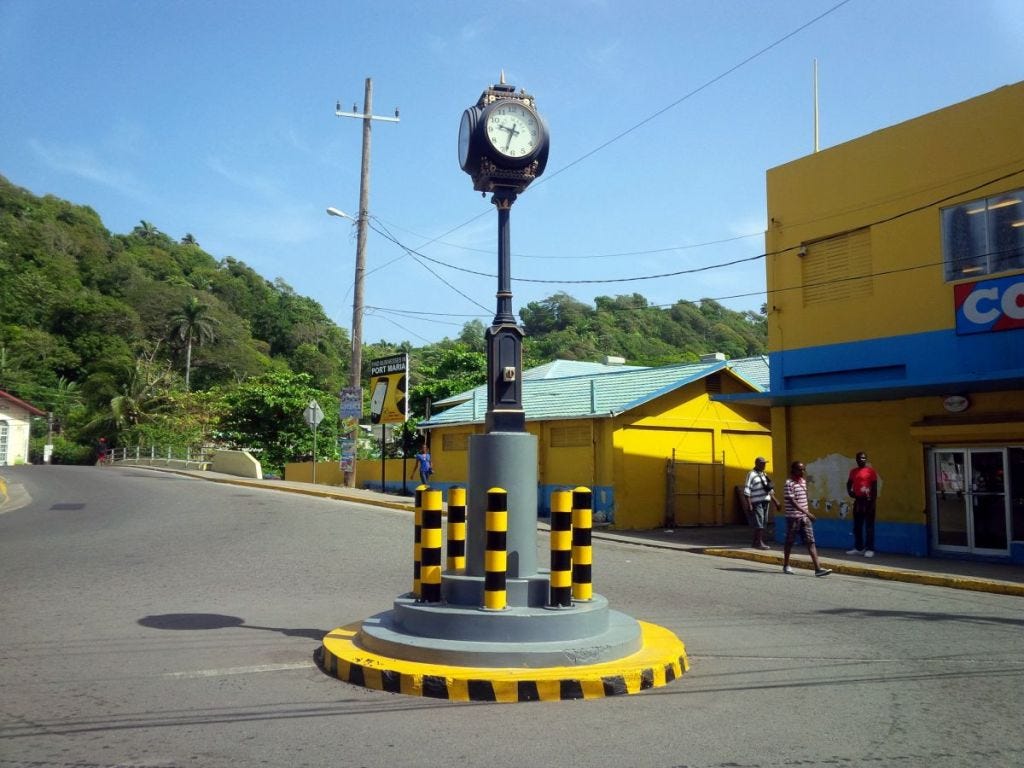
With the English conquest of Jamaica in 1655, the town underwent a transformation, shedding its Spanish moniker to embrace its new identity as Port Maria. Under British rule, the town flourished, its fortunes buoyed by a flurry of construction activity that left an indelible mark on its landscape. Fort Haldane, a formidable bastion of defense, rose from the earth in 1759, its weathered walls standing sentinel over the bustling harbor. The courthouse followed in 1820, a testament to the rule of law and justice that underpinned colonial society.
Famous For:
Yet amidst the bustle of commerce and the trappings of colonial grandeur, Port Maria bore witness to a darker chapter in Jamaica’s history: the uprising of 1760, led by the indomitable spirit of a Coromantee slave named Tacky. In a daring bid for freedom, Tacky and his fellow rebels seized Fort Haldane, unleashing a wave of violence that reverberated across the island. Though ultimately quelled by British forces, the rebellion left an indelible mark on the collective consciousness of Jamaica, its echoes resonating through the centuries as a testament to the enduring quest for liberty and justice.
Don’t Miss:
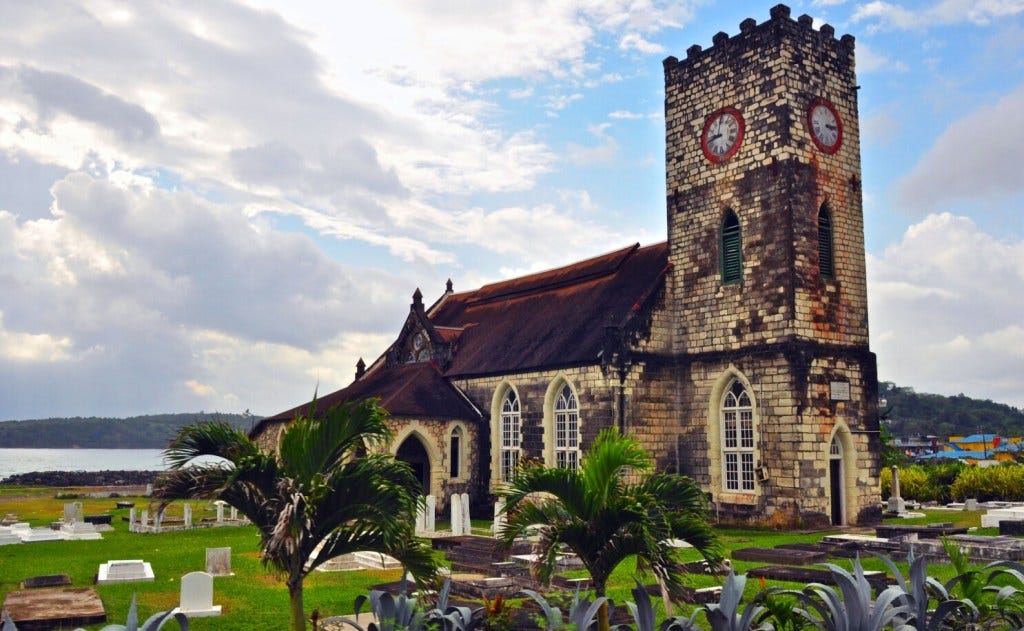
With a population of approximately 7,500 souls, Port Maria pulsates with the rhythm of life, anchored by iconic landmarks that weave a tapestry of heritage and identity. Among these hallowed sites stands the venerable St. Mary’s Parish Church, its weathered walls echoing with the whispers of centuries past. Built in 1861, it serves as a timeless testament to the faith and resilience of generations who have called this land home. Nearby, the St. Mary courthouse, a majestic Georgian structure dating back to 1820, now houses the Port Maria civic center, a beacon of governance and community spirit.
In the annals of Jamaican history, Port Maria occupies a storied place, bearing witness to the trials and triumphs of its illustrious inhabitants. It was here, within the hallowed halls of the courthouse, that Jamaica’s first Prime Minister, Alexander Bustamante, faced trial for manslaughter alongside Frank Pixley in 1947. Their acquittal marked a pivotal moment in the nation’s journey towards justice and equality, forever etching their names into the annals of national lore.
Yet amidst the weight of history, Port Maria is also a town of dreams and aspirations, birthing legends and luminaries who have left an indelible mark on the world stage. It was here that Sports Illustrated model Georgianna Robertson took her first breath, a testament to the town’s enduring legacy of beauty and grace.
Guiding visitors through the labyrinth of time, the Jamaica Heritage Trail beckons explorers to delve deeper into Port Maria’s rich tapestry of history and culture. From the imposing walls of Fort Haldane to the hallowed grounds of Claude Stuart Park, each step unveils a new chapter in the town’s saga, marked by informative signage that illuminates the past and inspires the present.
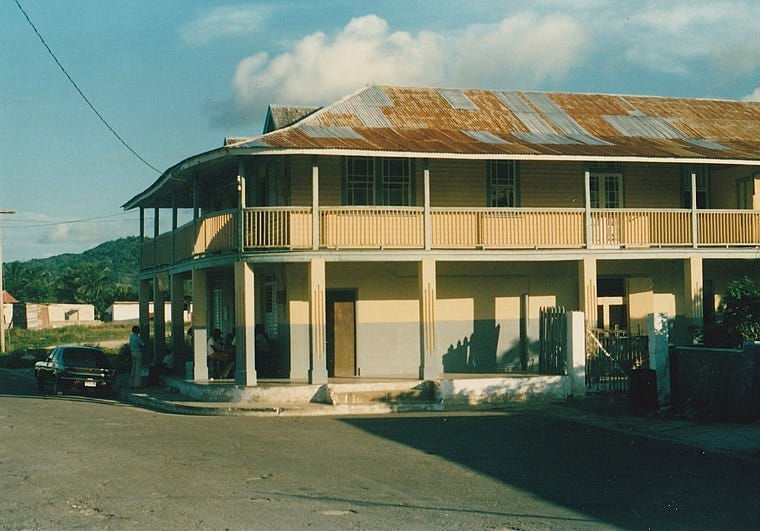
Today, Port Maria stands as a beacon of tranquility and beauty on Jamaica’s northern coastline, its pristine beaches and azure waters drawing visitors from far and wide. While little of its Colonial-era architecture remains, the town’s rich history and natural splendor continue to captivate the imagination of investors and real estate enthusiasts alike. With its prime location and picturesque surroundings, Port Maria presents a unique opportunity for those seeking to invest in the burgeoning Jamaican market. Whether as a seaside retreat, a luxury resort destination, or a thriving commercial hub, the potential for growth and prosperity in Port Maria is as boundless as the horizon stretching before it. As the town embraces the promise of tomorrow while honoring the legacy of its past, it invites investors to join in the journey towards a brighter, more prosperous future for all.
As the sun sets over Port Maria, casting its golden hues upon the tranquil harbor and the rugged cliffs of Cabarita Island, one cannot help but marvel at the timeless allure of this storied town. With Mayor Levan Ainsworth Freeman at the helm, guiding its destiny with vision and purpose, Port Maria stands poised on the threshold of a new era, its past a beacon, its future a promise of endless possibilities.
Here are 10 concise facts about Port Maria:
Fort Haldane, constructed in 1759 during the Seven Years’ War, safeguarded Port Maria’s status as a vital shipping port against rival European powers.
Named after General George Haldane, then Governor of Jamaica, the fort played a crucial role in the island’s defense strategy.
Strategically positioned on a hill overlooking the harbor, the fort’s cannons provided clear visibility of incoming vessels.
During the 1760 civil uprising, rebel leader Tacky seized Fort Haldane, looting its ammunition stores.
In 1872, Fort Haldane was transferred to the Government and later repurposed as a residence for affluent widows under Gray’s Charity.
Claude Stuart Park, adjacent to St. Mary’s Parish Church, houses a monument to Tacky and a cenotaph honoring World War victims.
Formerly known as Victoria Park, Claude Stuart Park was renamed after ex-St. Mary MP Claude Stuart in 1977.
Renowned pirate Sir Henry Morgan owned estates like Llanrumney and Look Out (later Firefly), with Firefly purchased by Sir Noel Coward.
Don Christobal de Ysassi, a Spanish leader, and his men fled to Cuba from Don Christopher’s Cove in 1661, acknowledging the English’s dominance.
The earliest recorded mention of Port Maria dates back to 1516, underscoring its historical significance as a coastal settlement.