In the sunlit hills of Kingston or the breezy coastal stretches of Montego Bay, the dream of selling your Jamaican home often comes wrapped in visions of the perfect buyer strolling through your garden and falling instantly in love. But in today’s market, that romantic notion isn’t what’s slowing things down. The reality is far less sentimental and far more strategic: price positioning, buyer expectations, and the evolving Jamaican housing landscape.
While the U.S. market has its own patterns, Jamaica’s real estate story has unique rhythms—ones influenced by our island’s limited land availability, rising construction costs, and cultural nuances. To navigate these waters successfully, sellers must understand that simply waiting for “the one” rarely works anymore. Instead, aligning your home with today’s Jamaican market is the key to success.
“In Jamaica, the sea doesn’t wait for you to learn to swim—just like the market doesn’t wait for you to price wisely.” —Dean Jones, Founder of Jamaica Homes
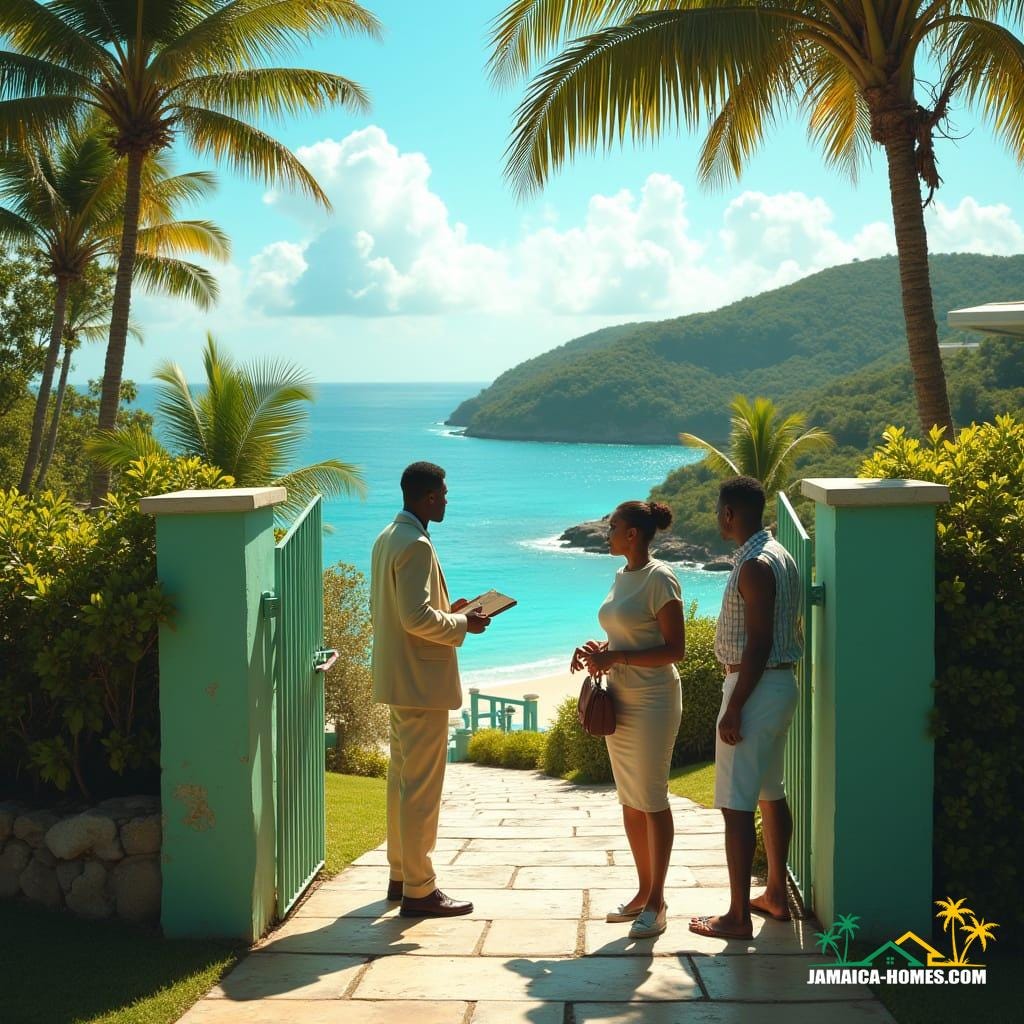
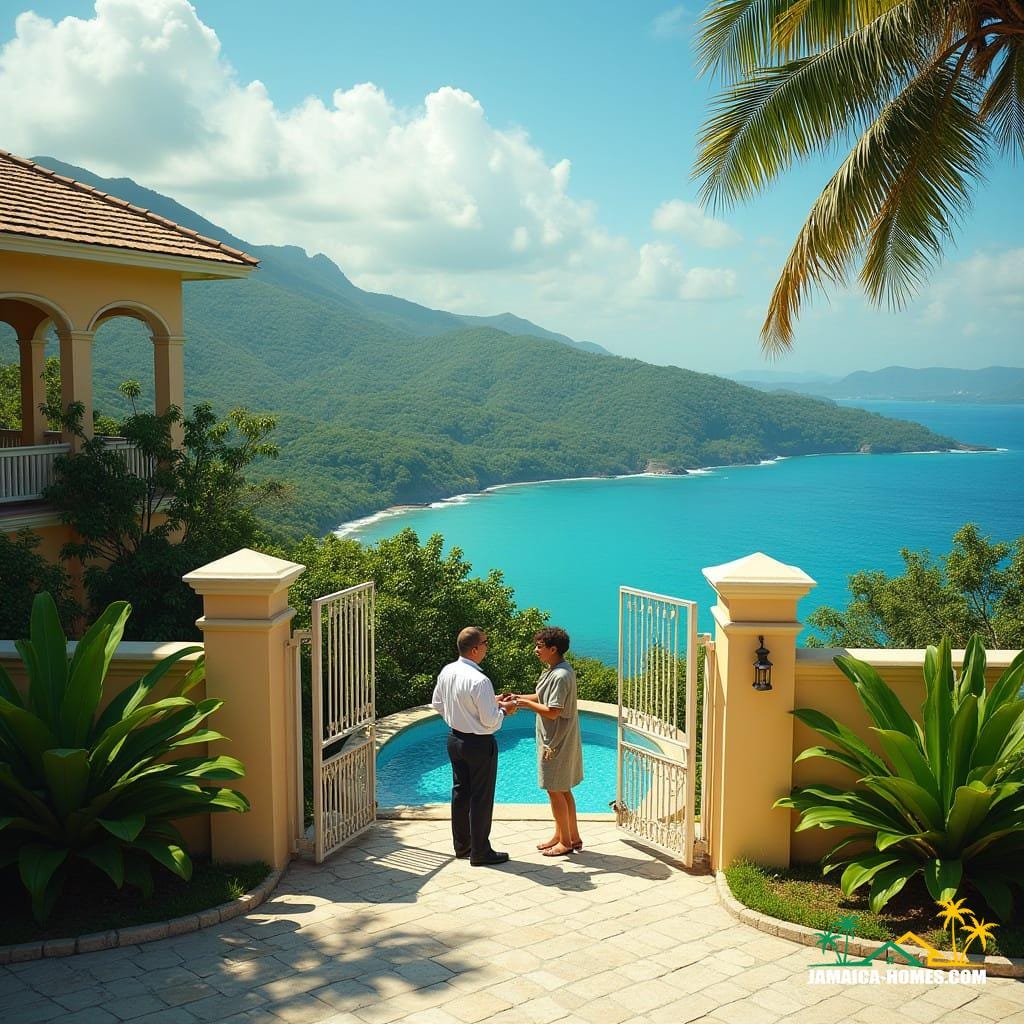
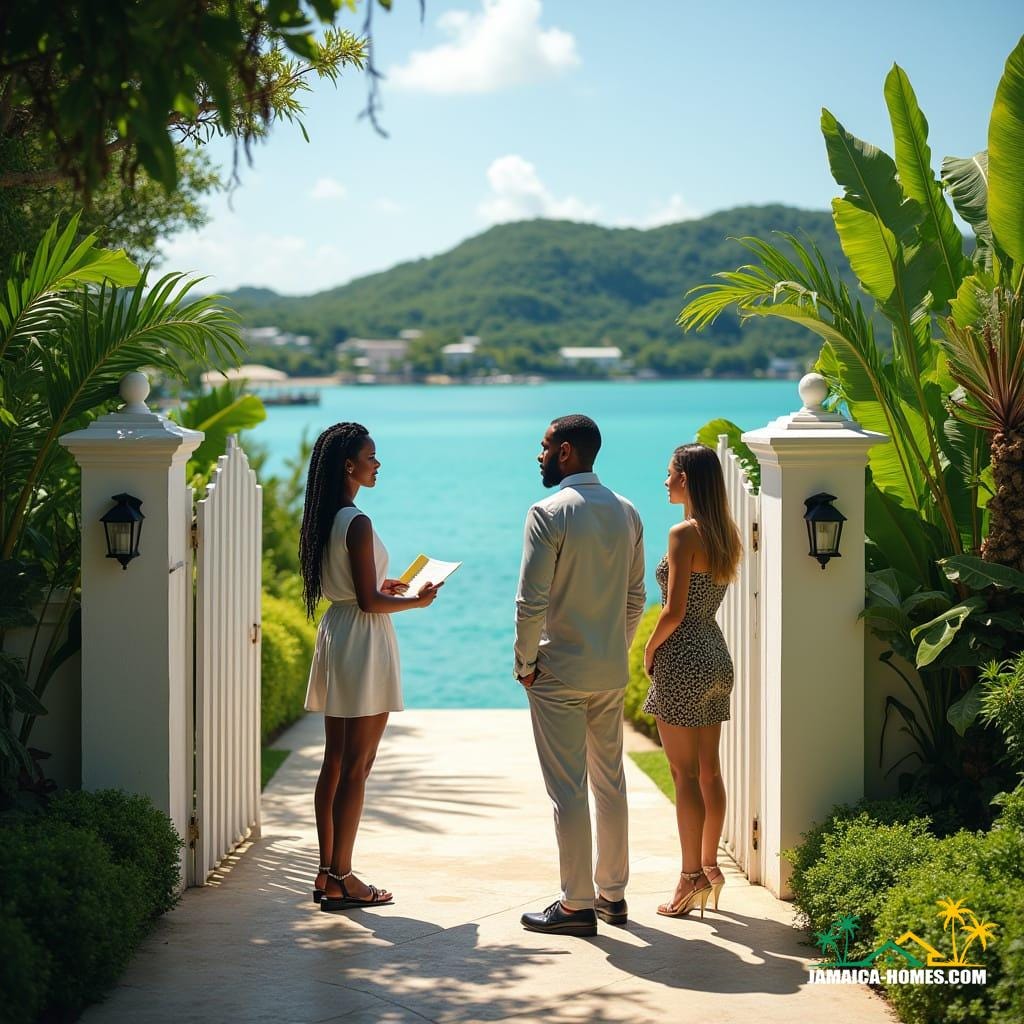
A stylish Jamaican realtor, smartly dressed in a crisp outfit, stands with two interested buyers in front of a freshly painted gate, surrounded by vibrant tropical landscaping, viewing a well-maintained villa on a sunny coastal hillside, overlooking turquoise Caribbean waters, with lush green hills and distant villas, in a cinematic film still style, with bright natural lighting, realistic details, and a clean contemporary aesthetic.
1. The Changing Tempo of Jamaican Real Estate
Over the past decade, Jamaica’s real estate market has transformed. Urban renewal projects in Kingston, luxury developments on the North Coast, and increased foreign investment have all changed buyer behavior. While Kingston 6 and 8 neighborhoods once guaranteed quick sales at near-automatic premiums, today’s buyers—both local and international—are more informed and more cautious.
Many sellers recall the frenzy of 2020–2022, when expats and returning residents were eager to secure a piece of the island, often at any cost. But those days of frantic bidding wars have cooled. Mortgage rates, global economic uncertainty, and a growing pool of listings mean buyers have choices now.
A home in St. Catherine or Clarendon might once have sold in a matter of weeks. Today, even well-priced homes can take longer. The takeaway? Jamaica isn’t immune to broader market forces. The once-rapid pace of appreciation has steadied, and expectations must adjust.
2. More Options Mean More Scrutiny
Buyers in Jamaica now browse multiple platforms: local agencies, international real estate websites, Instagram reels of walk-throughs, and even WhatsApp group chats buzzing with new listings. With more access comes more scrutiny. If your three-bedroom in Mandeville is priced JMD $5 million above similar properties, buyers will notice.
Dean Jones sums it up best:
“The Jamaican buyer today isn’t just walking into a showing—they’re walking in armed with research, advice, and comparisons. Price your property like it’s still 2021, and you’ll be the one left waiting.”
This isn’t a sign of a weak market—it’s a sign of a mature one. Buyers can afford to be selective. They’re not just choosing a house; they’re choosing a lifestyle, a commute, a community, and a financial strategy.
3. The Price Plateau: Not Going Up, Not Coming Down
For many sellers, this is the hardest truth to accept: prices aren’t skyrocketing anymore is all parishes, but they aren’t plummeting either. The Jamaican market is holding steady. On average, asking prices in sought-after neighborhoods like Cherry Gardens or Ironshore haven’t significantly increased over the past year—but they haven’t dropped to bargain-basement levels either.
That plateau can be deceptive. Many sellers reason, “If prices aren’t falling, surely I can push for a little more.” But that “little more” can be the difference between a steady stream of showings and weeks of dead silence. For instance, a St. Ann villa priced just 5% too high might languish on the market, while a similar property down the road—priced realistically—secures a buyer within days.
Of course, location still matters. In hot spots like Drax Hall, where demand remains fierce, well-positioned homes can spark excitement—sometimes even bidding wars that Jamaicans jokingly call “goozoping.” But those scenarios are the exception, not the rule. Across much of the island, pricing discipline is what moves properties, not wishful thinking.
A truth to remember: trying to squeeze an extra five million dollars out of your sale in this market is a bit like trying to fit a fifth ackee into a four-ackee pod—it’s not going to happen gracefully.
4. Four Signs Your Jamaican Property Is Overpriced
While Bankrate’s indicators apply globally, let’s tailor them to Jamaica’s context. If you recognize these signs, it’s time to rethink your strategy:
Sparse Showings: If only two couples have viewed your Spanish Town townhouse in a month, that’s not a buyer shortage—it’s a pricing signal.
No Offers or Only Lowball Offers: A Negril beach house that receives only bargain-level bids isn’t attracting unserious buyers—it’s missing the right price point.
Critical Feedback: Negative comments about size or finishes might mask the real issue: “This doesn’t feel worth the price.”
Lingering Listing: If your Montego Bay condo has sat for three months while others in your complex have moved, buyers are questioning your pricing judgment.
Ignoring these signs won’t make them disappear. Markets, like tides, won’t reverse because you’re patient.
5. Equity Gains: Your Hidden Advantage
Here’s the good news: even if you need to adjust your price, you’re probably still coming out ahead. Jamaica’s real estate values have grown steadily over the past decade. A Portmore home purchased for JMD $12 million in 2015 might comfortably sell for JMD $25–30 million today—even after a small price correction.
Dean Jones reminds sellers of the bigger picture:
“Real estate in Jamaica isn’t just a transaction—it’s generational wealth. Even a smaller win today builds a stronger foundation for tomorrow.”
So, if you’re worried about not landing a record-breaking sale, remember: your equity has likely already rewarded you. The “loss” you fear is really just giving back a sliver of unrealized expectations.
6. The Role of Your Realtor: Local Knowledge is Gold
Not all pricing advice is created equal. An agent familiar with the nuances of St. Andrew’s upper hillsides or Ocho Rios’s villa market can provide insight no online calculator will. Jamaica has micro-markets where proximity to a main road, a mountain view, or even a particular school catchment can make or break a deal.
Work closely with your agent to analyze comparable sales, current competition, and buyer trends. A Dean Jones founder of Jamaica Homes can help you position your home in a way that feels competitive, not desperate.
7. Small Adjustments, Big Impact
One of the biggest misconceptions is that price adjustments must be drastic. Often, a modest reduction is enough to breathe life into a stagnant listing. For example, trimming JMD $500,000 off a JMD $35 million price tag might be all it takes to catch the eye of a buyer hovering at the edge of their budget.
That small shift can move your property into a new search range on listing platforms, exposing it to a fresh set of buyers. Suddenly, a home that’s been overlooked becomes the best deal in its category.
“Sometimes in Jamaican real estate, moving one step back puts you two steps ahead. Adjusting your price isn’t losing—it’s leading.” —Dean Jones
8. Beyond Price: Presentation Matters
While pricing is critical, don’t neglect presentation. A freshly painted gate, a power-washed driveway, or staging your patio with tropical flowers can elevate your listing. Jamaican buyers, like any others, are swayed by visual cues. The effort you put in suggests the care you’ve taken with the property overall.
In areas like Manchester or Trelawny, where buyers may be weighing older homes against newer builds, a little polish can bridge the gap. It’s about telling a story: this is a home, not just a house.
9. Emotions vs. Economics
Selling a home in Jamaica often involves emotion. It may be your family’s legacy, a house your parents built brick by brick, or the first property you bought with a partner. It’s natural to attach sentimental value. But buyers don’t pay for memories—they pay for square footage, amenities, and location.
Understanding that distinction is vital. Your emotional investment is priceless—to you. But the market will only value what it can measure. Lean on your realtor to help separate feelings from facts, ensuring you make decisions based on the latter.
10. Looking Ahead: A Market of Opportunity
Jamaica’s housing market isn’t in decline—it’s in transition. The plateau in prices signals a healthier, more stable environment. Investors are still eager, returning residents are still buying, and locals are still moving up the property ladder. The key difference is that these buyers are now careful, deliberate, and price-conscious.
This creates opportunity for sellers who understand the shift. A well-priced, well-presented home will still sell—and often faster than you expect. The goal isn’t to wait for a fairy-tale buyer. It’s to attract the right buyer by meeting them where the market is today.
Dean Jones offers a final piece of advice for anyone hesitant to adjust their expectations:
“In Jamaica, opportunity doesn’t knock twice—it knocks once and moves to the next door. Price your home where the market is, and you’ll be the one opening the door.”
Bottom Line
Patience isn’t a selling strategy. In Jamaica’s dynamic market, pricing is everything. Overpricing a St. Elizabeth farm or a Kingston apartment won’t compel buyers—it will repel them. But a strategic, thoughtful price rooted in today’s realities will draw interest, offers, and ultimately, a sale that still benefits from years of equity growth.
Your home deserves more than wishful thinking. It deserves a plan. Work closely with a knowledgeable Jamaican realtor, take an honest look at comparable sales, and position your property competitively. In an island paradise where every square foot is precious, the right price doesn’t just sell your home—it ensures you leave the table a winner.
In Jamaica’s market today, success belongs not to those who wait, but to those who act with insight, humility, and strategy. The perfect buyer may not fall in love overnight, but the right buyer will find you—if you meet them where they are.