



Property inspection and measurement are two critical aspects of Real Estate, ensuring that properties are properly identified, valued, and ready for transactions. In Jamaica, understanding these processes involves familiarizing oneself with unique local systems and practices. This piece aims to break down the technicalities, offering insight into how Property inspection and measurement work in Jamaica in a way that a layperson can easily understand.
Understanding Property Identification
The first step in inspecting or measuring a Property is to identify it. In Jamaica, Property Identification refers to the process of establishing the exact location of a Property on the earth’s surface. Every Property, whether it’s a plot of Land or a building, occupies a unique spot, and ensuring proper Identification is vital for numerous reasons: valuations, legal transactions, mortgage applications, and sales all depend on getting this part right.
To identify a property in Jamaica, several systems are employed. The most common methods include:
Title Reference: This consists of the Volume and Folio numbers found on the Property’s Title document. These numbers are used to access detailed records about the Property.
Valuation Roll Number: Also referred to as the Property tax number, this is an 11-digit number unique to every Property.
GIS (Geographic Information System) Applications: Platforms like iMap Jamaica, Google Maps, and eLandJamaica allow Users to locate properties using geographic coordinates and other mapping features. These are particularly useful when dealing with Jamaica’s dual systems of ownership, which include both registered and unregistered lands.
An example would be a property in Kingston with the valuation number 223-05-032-044. Using IMAP Jamaica or elandJamaica, this number can provide details such as the property’s location, surrounding area, and ownership information.
Challenges in Jamaica’s System
Unlike some other countries with unified, digitized property records, Jamaica faces several challenges in property identification. The two main challenges include:
Dual systems of Recording ownership: Some properties have registered titles, while others do not, making the process of Identification more complex.
Unlinked databases: Systems like The National Land Agency’s Valuation roll and other government databases may not always be updated simultaneously, leading to occasional discrepancies.
Additionally, with over 40% of land in Jamaica still unregistered, property inspection requires extensive knowledge of local records, physical landmarks, and sometimes even personal consultations with landowners and neighbors.
The Role of Legal and Physical Descriptions
Every property in Jamaica has two primary descriptions: a legal description and a physical description.
Legal description: This refers to how the Land is officially described in its Title. It’s not about the features of the building but rather about ownership, the amount of Land, and its official classification. For example, the Legal description of a Kingston Property might state the Volume and Folio numbers, the Tenure (whether owned by a single owner or jointly), and its total area in square meters or acres.
Physical Description: This deals with the Property’s terrain and features, such as whether the Land is flat or sloping, its Accessibility, and its geographic shape. Some common terms you might hear include “flat,” “hilly,” “mountainous,” or “rolling hills.” In Jamaica, the physical description also extends to architectural features like the size of rooms, the number of bathrooms, kitchen fixtures, and Yard space.
For instance, a home in St. Andrew might be described as a two-bedroom bungalow with a sloping yard and panoramic mountain views. This physical description, along with the legal description, helps in determining the value of the property and its appeal to potential buyers.
Measurement Units in Jamaica
Property measurement is a critical part of real estate in Jamaica, especially given the wide range of units used. Most property sizes are expressed in square meters, square feet, acres, hectares, roods, and perches. Understanding these units is essential for anyone involved in real estate, whether as a buyer, seller, or professional in the industry.
Here are some common conversions used in Jamaica:
1 Acre = 4,046.856 square meters or 43,560.36 square feet
1 Hectare = 2.47 acres
1 perch = 25.29 square meters
1 square meter = 10.764 square feet
For example, if a property in Montego Bay is listed as 2,565 square meters, you can convert it to acres by dividing by 4,046.856, resulting in roughly 0.63 acres. Alternatively, to convert 2565 square meters to perches, divide by 25.29, resulting in approximately 101 perches.
Practical Applications of Property Measurement
Accurate measurement plays a crucial role in property transactions, especially in areas such as:
Valuation Reporting: Property values in Jamaica are heavily influenced by their size, location, and features. A properly measured Property ensures accurate Valuation reports for Mortgages or sales.
Building Construction: Before Construction begins, it’s vital to know the exact dimensions of the Land. Misleading measurements can lead to legal disputes or physical constraints during Construction.
Consider a case where someone in Portmore wants to build a house on a lot. The size of the land must be measured in square meters to ensure the design fits within the lot’s boundaries. Additionally, understanding the terrain (whether it’s flat or sloping) will affect the design and construction techniques.
Tools for Property Inspection and Measurement
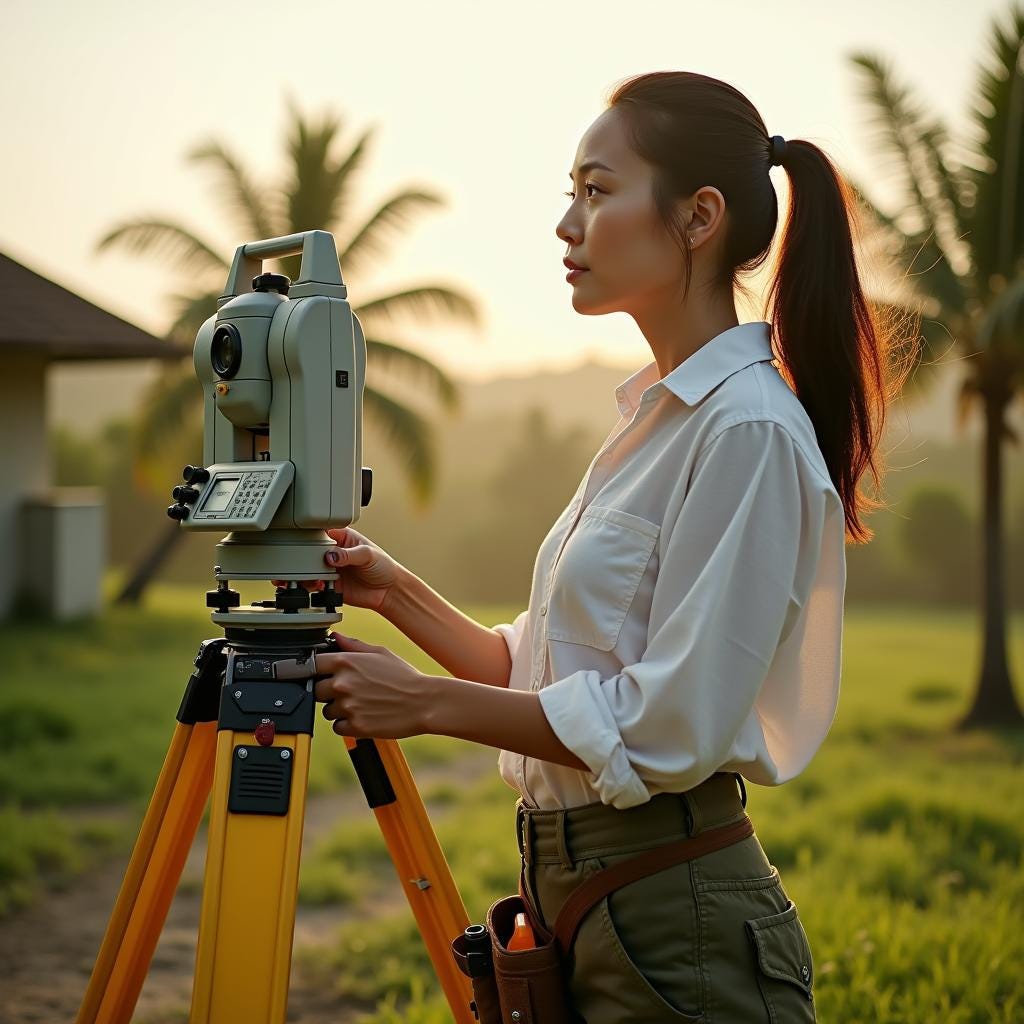
A variety of tools are employed for inspecting and measuring properties in Jamaica. These tools can range from high-tech GIS applications to traditional tape measures used by surveyors.
GIS Tools: Applications like iMap Jamaica, Google Maps, and eLandJamaica allow Users to visually locate properties, get coordinates, and assess the surrounding area.
JAD Coordinates: Used by Land surveyors, these coordinates establish Property boundaries, especially for parcels not yet registered on iMap Jamaica.
Area analysis: Google Earth and other mapping tools help in analyzing the broader community context of a Property, including infrastructure, Accessibility, and Amenities.
These tools make it easier for professionals to inspect and measure properties, but they also have value for laypersons who wish to better understand the real estate they are dealing with. For example, a prospective buyer might use Google Earth to check how close a property is to key amenities like schools, hospitals, and supermarkets.
Conclusion: Why Property Inspection and Measurement Matter
In Jamaica, Property inspection and measurement are foundational to the Real Estate process. From legal Identification to physical inspection and community analysis, these steps ensure that properties are accurately described, measured, and valued. The use of specific tools like iMapJamaica, GIS applications, and precise measurement units ensures that both professionals and laypersons can engage in the Real Estate market with confidence. By understanding the concepts and tools involved, anyone can better navigate the complexities of Property inspection and measurement in Jamaica. Whether you’re looking to buy, sell, or build, knowing how to properly identify, measure, and assess a Property is the key to making informed Real Estate decisions.