

Protected Land Push Signals Shift in Jamaica’s Development Map
Five new areas set for designation as Government moves toward 30% conservation target

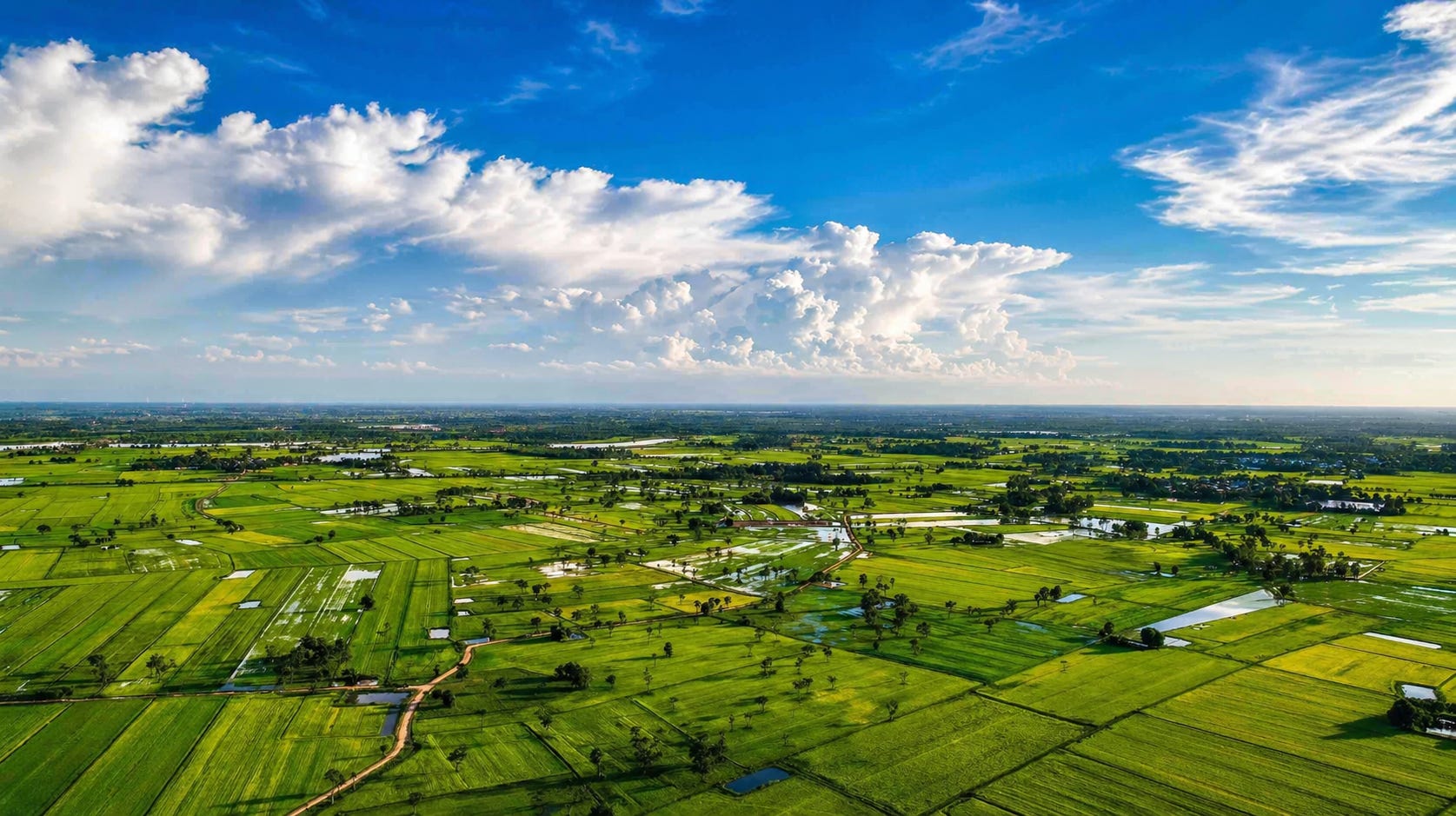
The Government’s plan to designate five new protected areas by March 2027 signals a widening shift in how land is managed, developed, and preserved across the island, with direct implications for housing, infrastructure, and long-term real estate supply.
The proposed protected zones, spanning St. Ann, Hanover, Westmoreland, St. Andrew, St. James, Clarendon, and Manchester, form part of a broader policy direction aimed at balancing environmental conservation with national development needs. At the same time, additional forest management areas and reserves are being formalised, further tightening the framework around land use.
A Changing Map of Available Land
At its core, the expansion of protected areas reduces the amount of land available for traditional development. In practical terms, this affects where housing schemes can be built, how infrastructure is routed, and the long-term pipeline of residential and commercial projects.
Locations such as Long Mountain in St. Andrew and the Negril Environmental Protection Area sit near or within zones already experiencing development pressure. Their designation introduces new constraints, particularly around planning approvals, density, and environmental compliance.
For developers, this does not halt construction, but it reshapes it. Land that remains outside protected zones may become more valuable, while projects within or near designated areas may require more complex approvals, higher costs, and stricter environmental safeguards.
Pressure, Value, and Scarcity
In a market already defined by limited supply, the expansion of conservation areas can intensify land scarcity in key regions. This tends to have a ripple effect.
Land values in unrestricted areas may rise as availability tightens. Housing affordability can come under further strain, especially in urban and coastal zones where demand is already high. Developers may increasingly look inland or toward less traditional areas to meet demand, shifting the geographic pattern of growth.
At the same time, protected areas can enhance the value of surrounding properties. Proximity to preserved landscapes, forest reserves, or environmentally secure zones often becomes a premium feature, particularly for higher-end residential developments and eco-focused investments.
Infrastructure and Planning Implications
The designation of protected land also intersects with infrastructure planning. As noted in broader national discussions, unplanned settlement patterns can restrict future road networks, utilities, and public services. In contrast, formally protected areas introduce clarity about where development should not occur.
This creates a more defined planning environment, but also demands greater coordination. Roads, sewage systems, and utilities must be designed around conservation zones, sometimes increasing project costs or altering development timelines.
The move to designate areas such as the Constant Spring Golf Club as a forest management area further reflects this intersection between urban land use and environmental policy, particularly in Kingston and St. Andrew where land is already under pressure.
Aligning with Global Targets
Jamaica’s progress toward protecting 30 per cent of its landmass aligns with international environmental commitments, placing the country within a growing group of nations prioritising conservation as part of climate resilience strategies.
From a real estate perspective, this alignment is not abstract. It signals that environmental considerations will increasingly shape planning decisions, financing conditions, and investment strategies.
Developers, lenders, and buyers are likely to encounter stricter environmental due diligence requirements over time, particularly for large-scale or sensitive projects.
A Longer View of Land and Security
Beyond immediate market effects, the expansion of protected areas speaks to a deeper question about land in Jamaica, how it is used, who it serves, and how it is preserved for future generations.
Conservation policy, when applied at scale, reframes land not just as a commodity, but as a long-term national asset. It introduces trade-offs between development today and resilience tomorrow.
For households, this may not always be visible in the short term. But over time, it influences where communities are built, how secure they are against environmental risks, and how property retains value in a changing climate.
What Comes Next
As Jamaica moves closer to its 30 per cent protection target, the real estate sector will need to adapt to a more structured and environmentally anchored planning landscape.
Opportunities will remain, but they will increasingly favour projects that align with sustainability principles, efficient land use, and long-term resilience.
In practical terms, the direction is clear. Land is becoming more defined, more regulated, and in many cases, more scarce. How the market responds to that reality will shape the next phase of Jamaica’s housing and development story.