

Rebuilding for Tomorrow: How Jamaica Must Reinvent Itself After Hurricane Melissa

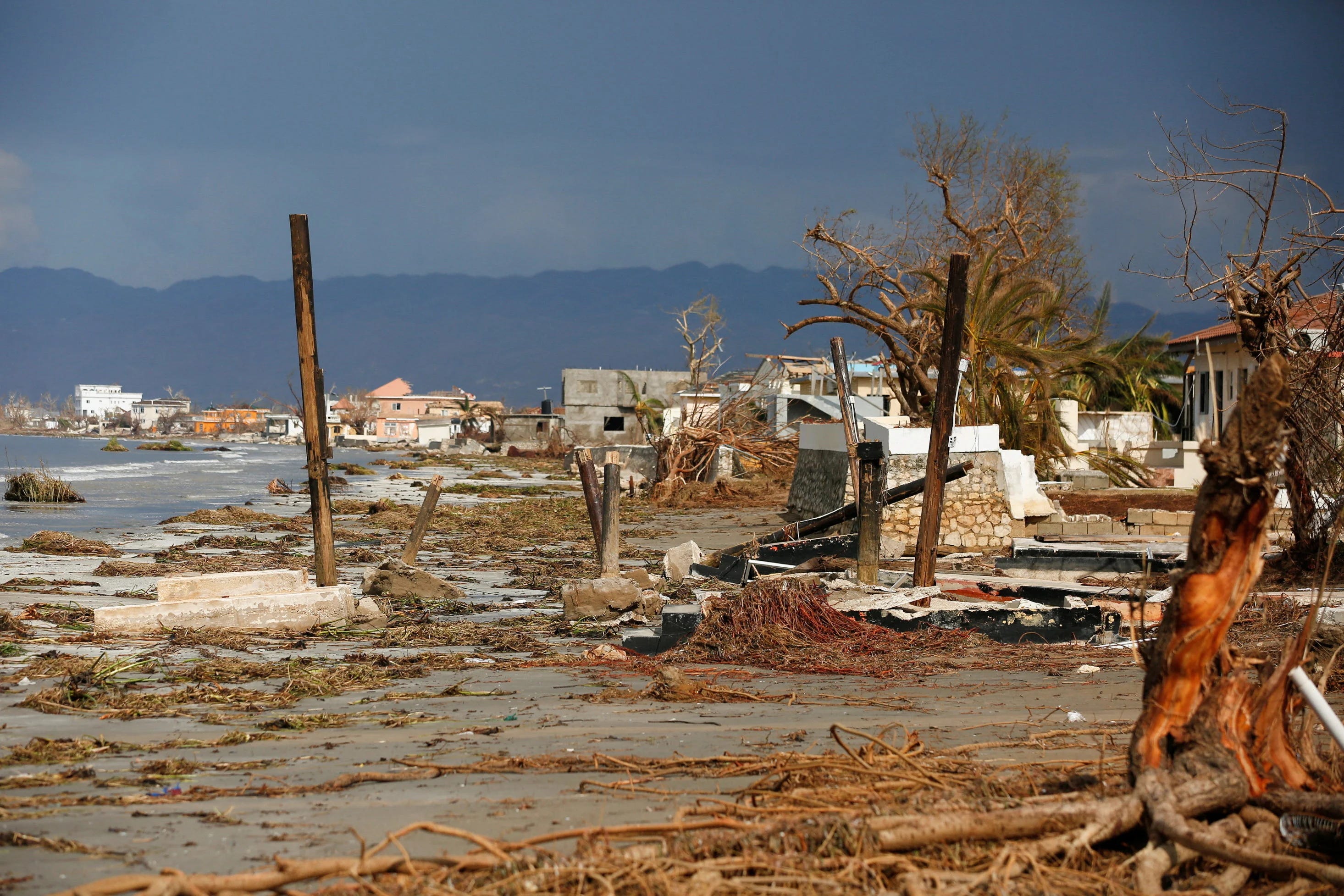
In the wake of what is now confirmed as one of the most devastating storms ever to strike our shores — Hurricane Melissa — we stand at a crossroads. The island has suffered not just in the moment of the wind and rain, but in the revealing of what our built environment, our emergency systems and our collective resilience truly look like under stress. The death toll in Jamaica is now at least 32, with many more unaccounted for, and insured losses alone may top US $2.2–4.2 billion.
“Seeing the videos and the photographs online is one thing,” says Dean Jones, founder of Jamaica Homes, “but actually living through the storm, and being on the ground here, in person, seeing the damage—it’s heartbreaking.”
The scale of what we’re dealing with
From parishes such as St. Elizabeth Parish and Westmoreland Parish to the historic seaport of Black River, the damage is silent and sweeping. In Black River alone, up to 90 % of homes reportedly lost their roofs. When a Category 5 hurricane with sustained winds nearing 185 mph makes landfall, entire systems are tested—not just the homes, but the roads, the power network, the communication lines, the lifelines.
This isn’t only about rebuilding what was lost but fundamentally asking: “Are we architected for the next one?”
Building for resilience
We simply cannot assume that “just enough to get by” will do. The storm will have exposed some glaring vulnerabilities—in materials, in design, in infrastructure choices—and now we must move forward.
1. Roofs and structural systems:
In many of the worst-hit coastal and near‐coastal communities, roofs were literally ripped off, walls collapsed. The lesson is clear: if you are building or rebuilding in a hurricane‐prone zone, you must design for the high end of what nature can throw at you.
Use concrete roofs wherever feasible, particularly on public or government buildings, which are critical infrastructure. A rigid, heavy roof resists uplift far better than a typical light-frame pitched roof.
Install hurricane straps and ties throughout the structure—connecting roof, walls, foundation. These small metal components tie everything together when the wind is trying to tear it apart.
Elevation and anchoring matter. For coastal zones, design the substructure and foundation to resist storm surge, wave action and accelerated erosion.
2. Government and public infrastructure as benchmarks:
If anything, government buildings, emergency shelters, hospitals must serve as struts of resilience—not the weakest links. Critical infrastructure with concrete roofs, robust structural connections, redundant power and communications—that should be the standard.
Investing in these facilities is not luxury—it is fundamental. If the shelter collapses, the lives within it are at risk.
3. Redundancy in communications and utilities:
One of the immediate shocks post-Melissa: power was out, communications were down, access was cut. In a digital age, resilience isn’t optional.
Third-party communication providers (for example satellites, satellite-internet services such as Starlink) should be part of the plan. If terrestrial networks and cables fail, satellite links can provide connectivity for hospitals, emergency command posts, first responders.
Microgrids, solar + battery reserves, back-up generation: critical facilities must be able to remain operational for days or even weeks in isolation.
Data centres, emergency operations centres must be hardened, redundantly backed up, and located with storm risks in mind (not just at ground level in a flood‐prone zone).
4. Coastal areas, zoning and building codes:
The storm surge, wave action and flooding from Melissa were devastating. We need to strengthen our zoning laws, enforce code compliance, especially on the coast, and ensure that building regulations reflect the new reality of stronger storms arriving more frequently.
No longer can builders simply assume “this area never floods, never takes the full force.” We must design with the assumption of “worst credible event within a decade” rather than “what happened 30 years ago.”
5. Updating disaster management and preparedness:
The structural changes matter—but so does the soft infrastructure: planning, training, drills, evacuation routes, shelters, communication protocols.
The national disaster management papers must be revised: we must embed in them the possibility of two major storms in a year, compounded events (flood + wind + landslide) and cascading infrastructure failures.
Early warning systems, evacuation plans, community shelters must be reviewed and stress‐tested.
Post-storm rapid-assessment teams must be ready, with pre-positioned equipment and clear chains of command.
Moving forward as a nation
We rebuild—but not as we were. We rebuild as we must become. This means three key commitments:
Commitment to durability. Every rebuilt home, every public building must last. Concrete roofs, anchored structures, resilient design are the baseline.
Commitment to equity. The poorest communities tend to suffer the worst damage and have the least resilience. When we rebuild, we must bring everyone up—not leave anyone behind.
Commitment to readiness. We do not wait until the next storm arrives. We train, we plan, we drill, we invest now, while the memories are fresh, the political will is present, and the paths for funding exist.
Dean Jones puts it plainly: “It’s heartbreaking. But the heartbreak must fuel action.” Immediately after Melissa, tens of thousands were left without homes, roofs torn off, entire landscapes changed. And in the tragedy, there is an opportunity: to build back smarter, stronger, together.
A call to every stakeholder
Government: Make the standards for public buildings non-negotiable. Concrete roof. Straps. Anchoring. Give clear incentives and enforcement for private homes to follow suit.
Developers & builders: No compromise on connections, no short-cuts. We build for tomorrow’s storm, not yesterday’s.
Home-owners: If your home is being repaired or rebuilt, insist on straps, anchor the roof, choose materials that resist uplift, talk to your engineer.
Community leaders & NGOs: Partner with local people, train for emergency response, ensure communication lines stay open and the most vulnerable are protected.
All of us: Ask our numbers. Ask our plans. Stay informed. Prepare. Because the next event might come sooner than we think.
In conclusion
Hurricane Melissa has laid bare a simple truth: resilience is not optional. From concrete roofs and hurricane straps to satellite communication backups and updated disaster-management frameworks, the pathway is clear—but it demands action. Jamaica is watching, the Caribbean is watching. The target isn’t just recovery—it’s transformation. A Jamaica rebuilt not just to survive, but to thrive in the face of extreme weather.
The choice is ours. And the time to act is now.
Disclaimer:
This article is written for informational and reflective purposes only. The opinions expressed are those of the author and do not necessarily represent the views of any government agency, organization, or company mentioned. All factual information, including figures and quotes, is based on publicly available reports at the time of writing. Readers are encouraged to verify details through official sources before drawing conclusions or making decisions related to construction, disaster preparedness, or investment.