


There was a time when success in Jamaica was measured quietly. A concrete house replacing board. A gate where there used to be zinc. A mango tree in the yard, children doing homework on the veranda, and a sense that—step by step—things were getting better.
Today, success is loud.
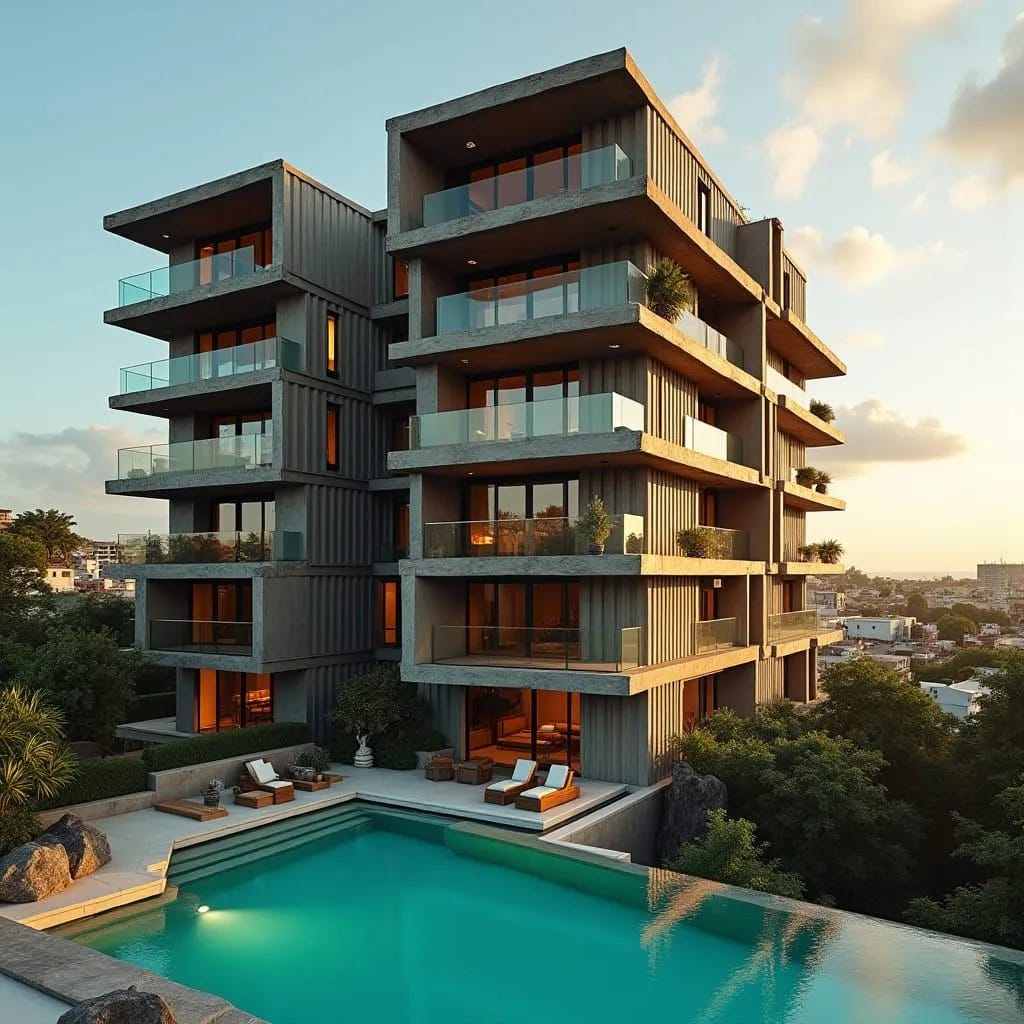
It scrolls past us daily. Glossy kitchens. Drone shots of rooftops. Walk-through videos with background music that suggests life has finally arrived. Homeownership, once a deeply personal milestone, has become a public performance. And in that performance, comparison has taken centre stage.
Social media has not invented aspiration in Jamaica. Jamaicans have always aspired. But it has accelerated comparison — and comparison, when left unchecked, can quietly distort how people value themselves, their progress, and their decisions.
This is not just about envy. It’s about pressure. It’s about perception. And it’s about the subtle ways Jamaicans are beginning to measure their worth against walls, square footage, and postcode prestige.
The New House-Watching Culture
In Jamaica, people have always watched house progress. You pass by and say, “Dem a build nice.” You notice when a second floor goes up. You ask who get approval. That curiosity is normal.
What’s different now is scale and intimacy.
With a few taps, people can peer into bedrooms, compare finishes, speculate about price, and draw conclusions about income — all without context. Instagram, Facebook, and TikTok have turned private milestones into public benchmarks.
For younger Jamaicans especially, the idea of “making it” is increasingly tied to visible property ownership. A house is no longer just shelter or security; it has become shorthand for discipline, intelligence, success, and even morality. Rent too long, and questions start. Buy too small, and silence follows.
And yet, Jamaica is not America.
Our housing system, income structures, lending practices, land tenure history, and even family arrangements are fundamentally different. Applying foreign assumptions here can lead to poor decisions — and unnecessary emotional strain.
“In Jamaica, a house isn’t just an asset — it’s history, family, sacrifice, and timing. Comparing journeys without context is one of the fastest ways to lose perspective.”
— Dean Jones, Founder of Jamaica Homes & Realtor Associate
The Quiet Stress Behind the Scroll
While no large-scale Jamaican study mirrors U.S. data on checking friends’ home values, the behaviour exists here — just expressed differently. People ask indirect questions. They observe vehicles. They note locations. They watch completion speed.
And the emotional impact is real.
Some feel rushed into buying before they are ready. Others stretch themselves thin to “match” what they think their peers are doing. Many feel behind, even when they are progressing responsibly.
This stress doesn’t always announce itself as anxiety. Sometimes it shows up as silence. Sometimes as overconfidence. Sometimes as resentment masked as jokes.
In a country where resilience is part of the national identity, emotional pressure often hides behind humour and hustle. But it still shapes decisions.
Benchmarking in a Country of Uneven Ground
Benchmarking makes sense in theory. Humans look sideways to understand where they stand. But in Jamaica, sideways comparisons can be misleading.
Two houses that look similar online may represent entirely different realities:
One might sit on family land with no mortgage
Another might be heavily leveraged with short repayment terms
One owner may have overseas income
Another may be managing solely on local wages
Yet on social media, they appear equal.
This creates a dangerous illusion: that everyone is playing the same game, with the same rules, on the same field. In reality, Jamaica’s housing landscape is uneven by design — shaped by history, access, inheritance, and migration.
When people benchmark without acknowledging this, they risk making decisions based on optics rather than strategy.
Homeownership Is Not One Thing in Jamaica
In the U.S., homeownership often follows a linear narrative: rent, buy starter home, upgrade, repeat.
Jamaica doesn’t work like that.
Here, homeownership might mean:
Building in stages over 10–20 years
Living in a “finished but unfinished” home
Sharing land with relatives
Owning land but not yet building
Buying later in life, after migration or return
Each of these paths is valid. None are inferior. But social media tends to reward only one version: the fully finished, move-in-ready, camera-friendly house.
That narrow definition quietly sidelines many responsible, thoughtful homeowners who are moving at a pace aligned with their reality.
“A Jamaican house is often built with patience, not pressure. When we rush the process to impress, we sometimes mortgage our peace along with the property.”
— Dean Jones
Lending, Reality, and the Myth of “Everybody Qualifying”
Another dangerous import from foreign narratives is the assumption that lenders operate on comparison.
They don’t.
In Jamaica, banks and mortgage institutions assess affordability based on individual circumstances: income stability, debt exposure, credit history, age, and risk profile. They do not care that your friend qualified. They do not reward aesthetic ambition.
What social pressure can do, however, is push people to apply prematurely — before debts are settled, before income is stabilised, before buffers exist.
This leads to rejection, discouragement, and the false belief that “the system” is unfair, when in truth, timing was simply off.
Financial realism is not pessimism. It is strategy.
Redefining the Jamaican Dream
For decades, Jamaicans have internalised the idea that owning a home equals arrival. And yes, homeownership remains powerful. It offers stability, intergenerational security, and dignity.
But the Jamaican dream has always been broader than bricks.
It includes:
Independence
Family continuity
Contribution
Peace of mind
The ability to weather hard seasons
When homeownership becomes the only measure of success, it shrinks the dream rather than expanding it.
The irony is that many who appear “ahead” are quietly managing stress, while others who feel “behind” are laying stronger foundations.
Comparison, like salt, is fine in small doses — but too much spoils the pot.
A More Grounded Way Forward
For younger Jamaicans navigating housing aspirations today, a healthier approach begins with reframing:
Your timeline is not wrong because it differs
Your starting point is not a failure
Your version of ownership may look different — and that’s okay
The goal should not be to impress strangers online, but to build something that can withstand economic shifts, personal transitions, and unexpected life events.
Sustainable homeownership is quiet. It doesn’t rush. It plans. It adapts.
“The strongest homes I’ve seen weren’t the flashiest — they were owned by people who understood their limits and built within them.”
— Dean Jones
Success Without the Noise
Jamaica is a country that knows how to rebuild — not just physically, but emotionally and socially. That resilience should extend to how people define success.
A house is important. But so is financial breathing room. So is mental clarity. So is knowing that your decisions are rooted in wisdom, not pressure.
In the end, the real flex isn’t the square footage — it’s stability. And stability doesn’t always photograph well, but it lasts.
As Jamaicans continue to aspire, build, and grow, the challenge is not to abandon ambition — but to anchor it in reality, context, and self-respect.
Because a home should be a place you rest — not a scoreboard you’re constantly checking.