

Smart Connections, Real Consequences
Jamaica’s diaspora conference goes digital, but the deeper shift is economic, not technological

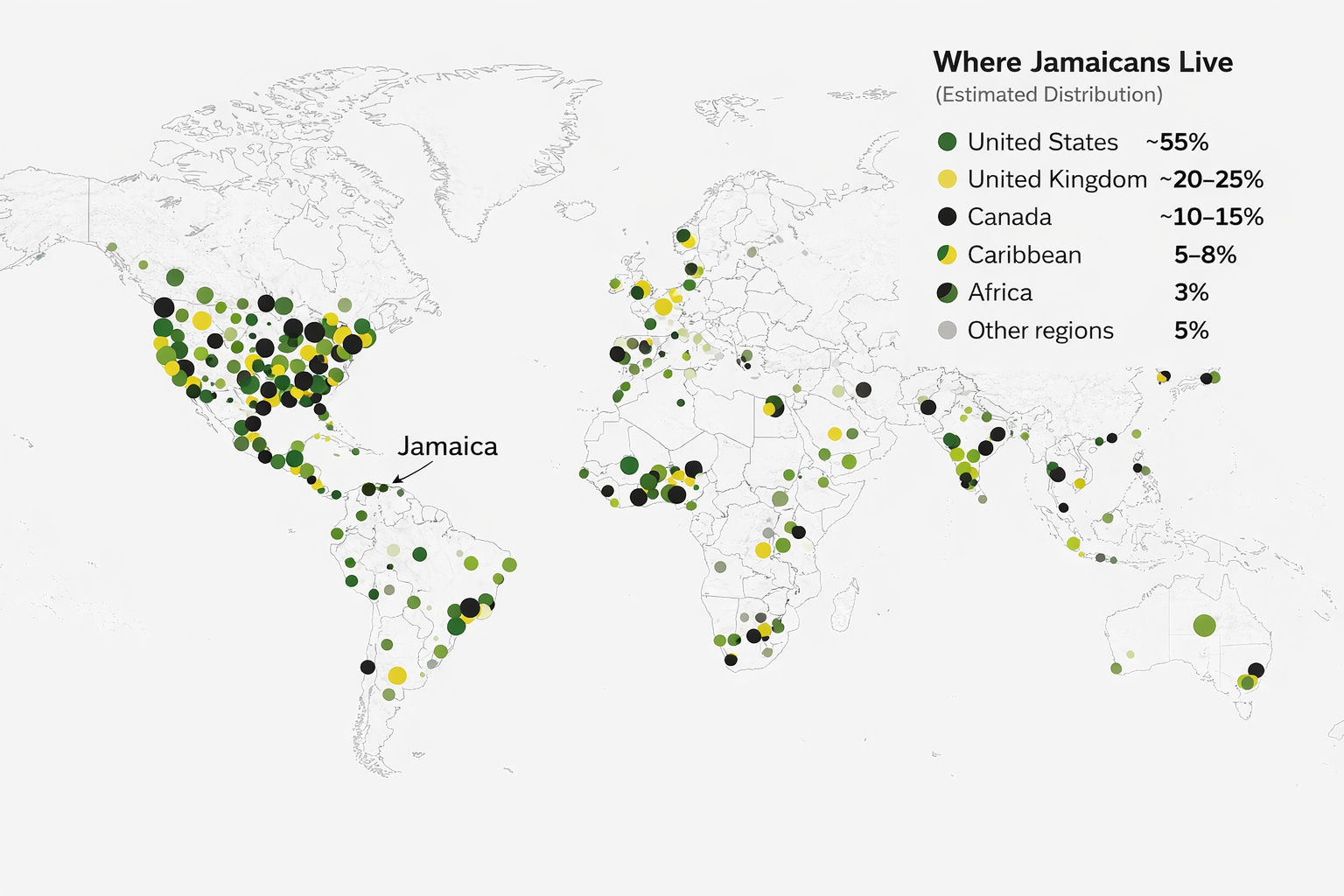
Jamaica is preparing to introduce artificial intelligence–driven technology at its 11th Biennial Diaspora Conference in Montego Bay this June, marking a notable shift in how the country engages one of its most influential communities. While the upgrade promises smoother networking and data-driven interaction, its broader significance lies in what it signals about Jamaica’s economic direction and its long-term relationship with the diaspora.
The Ministry of Foreign Affairs and Foreign Trade, in partnership with local technology firm Optimity Group, will deploy a contactless, AI-supported platform designed to connect attendees, exhibitors, and investors in real time. Features include digital profiling, cashless payments through wearable devices, and automated matchmaking between participants based on shared interests and activity patterns.
At one level, the move reflects a familiar global trend. Conferences across Europe and Africa have increasingly adopted similar tools to streamline engagement and capture data. Jamaica’s adoption, however, carries a more strategic undertone. The diaspora is not just an audience, it is an economic force, contributing billions annually in remittances and playing a critical role in investment, property ownership, and national development.
By embedding AI into the conference experience, the Government is effectively formalising how these relationships are initiated and tracked. Every interaction, from a casual introduction to a potential business deal, becomes measurable. For policymakers and private sector stakeholders, this creates a new layer of visibility into diaspora behaviour, preferences, and investment intent.
That visibility has implications far beyond the conference floor.
For households in Jamaica, diaspora engagement has long been a quiet stabiliser of economic life. Remittances support daily consumption, education, and housing improvements. In many cases, they underpin property purchases or incremental construction projects that might otherwise be unaffordable. A more structured and technology-driven approach to diaspora interaction could shift this dynamic from informal support to more deliberate investment.
The introduction of tools such as NFC wristbands and AI-driven networking may appear operational, but they point toward a deeper ambition. The system allows participants to exchange verified contact details instantly, track interactions, and schedule follow-ups with minimal friction. For businesses, this reduces the uncertainty that often surrounds diaspora outreach. For diaspora participants, it lowers the barrier to exploring opportunities back home.
In practical terms, this could translate into increased participation in sectors such as small business development, tourism-linked ventures, and, where relevant, real estate. Property has historically been one of the most tangible ways for the diaspora to maintain a connection to Jamaica. A more efficient and data-informed engagement model may strengthen that pipeline, though its impact will depend on broader economic conditions, including interest rates, construction costs, and regulatory clarity.
From a governance perspective, the use of AI at a national conference also raises questions about data management and institutional readiness. The ability to capture and analyse participant data in real time introduces opportunities for better planning and policy alignment. It also requires careful handling to ensure trust, particularly among diaspora communities that may already be cautious about how their information is used.

The State Minister in the Ministry has framed the initiative as a step toward innovation and efficiency, positioning Jamaica as capable of delivering a modern, globally competitive conference experience. That framing is important. For a country often navigating the tension between ambition and resource constraints, visible demonstrations of technological capability can influence both perception and confidence.
There is also a symbolic layer to this transition. The diaspora conference has traditionally been a space defined by personal interaction, cultural connection, and informal networking. Introducing AI into that environment changes the texture of engagement. It replaces some of the spontaneity with structure, some of the intuition with data. Whether this enhances or dilutes the experience will depend on how participants respond.
What is clear is that Jamaica is attempting to move beyond passive engagement. The inclusion of features such as live polling, real-time discussions, and structured B2B tracking suggests a desire to extract more concrete outcomes from the event. Business leads can be categorised, follow-ups can be scheduled instantly, and interactions can be analysed after the fact.
Dean Jones, founder of Jamaica Homes, said the shift reflects a broader transition in how Jamaica approaches its global relationships. “The diaspora has always been present, but not always fully integrated into national systems. What we are seeing now is an attempt to bring structure to that connection, to make it measurable and, ultimately, more impactful.”
For the diaspora itself, the technology introduces both opportunity and adjustment. While younger participants may adapt بسهولة to digital networking tools, others may find the shift unfamiliar. The success of the system will depend not only on its technical performance but on its accessibility and ease of use across different age groups and levels of digital literacy.
The economic context also matters. Jamaica continues to navigate global uncertainties, including inflationary pressures, shifts in international interest rates, and evolving trade dynamics. In that environment, strengthening ties with the diaspora is not simply a cultural objective, it is an economic strategy. Facilitating investment, encouraging knowledge transfer, and deepening engagement can provide a buffer against external shocks.
Looking ahead, the June conference may serve as a testing ground. If successful, the model could be extended to other national events and sectors, embedding data-driven engagement into Jamaica’s broader development framework. If it falls short, it will highlight the challenges of aligning technology with human behaviour and institutional capacity.
What remains unchanged is the central role of the diaspora in Jamaica’s future. Technology may reshape how connections are made, but the underlying relationship continues to rest on trust, shared identity, and a mutual interest in the country’s progress.
The question is no longer whether Jamaica can connect with its diaspora. It is how effectively those connections can be translated into lasting economic and social outcomes.