


Introduction: A Place Above the Coast
Tucked quietly into the hills above Portland’s north coast, Snow Hill is not the kind of place that makes flashy headlines or glossy brochures. Yet for those who know its winding lanes and its views that stretch from the Rio Grande Valley to the Caribbean Sea, Snow Hill offers a portrait of rural Jamaica that is both steeped in history and alive with everyday rhythms. To understand Snow Hill is to glimpse the wider story of Portland—its rivers, plantations, Maroon heritage, banana booms, and enduring landscapes of resilience.
The Geography of Snow Hill
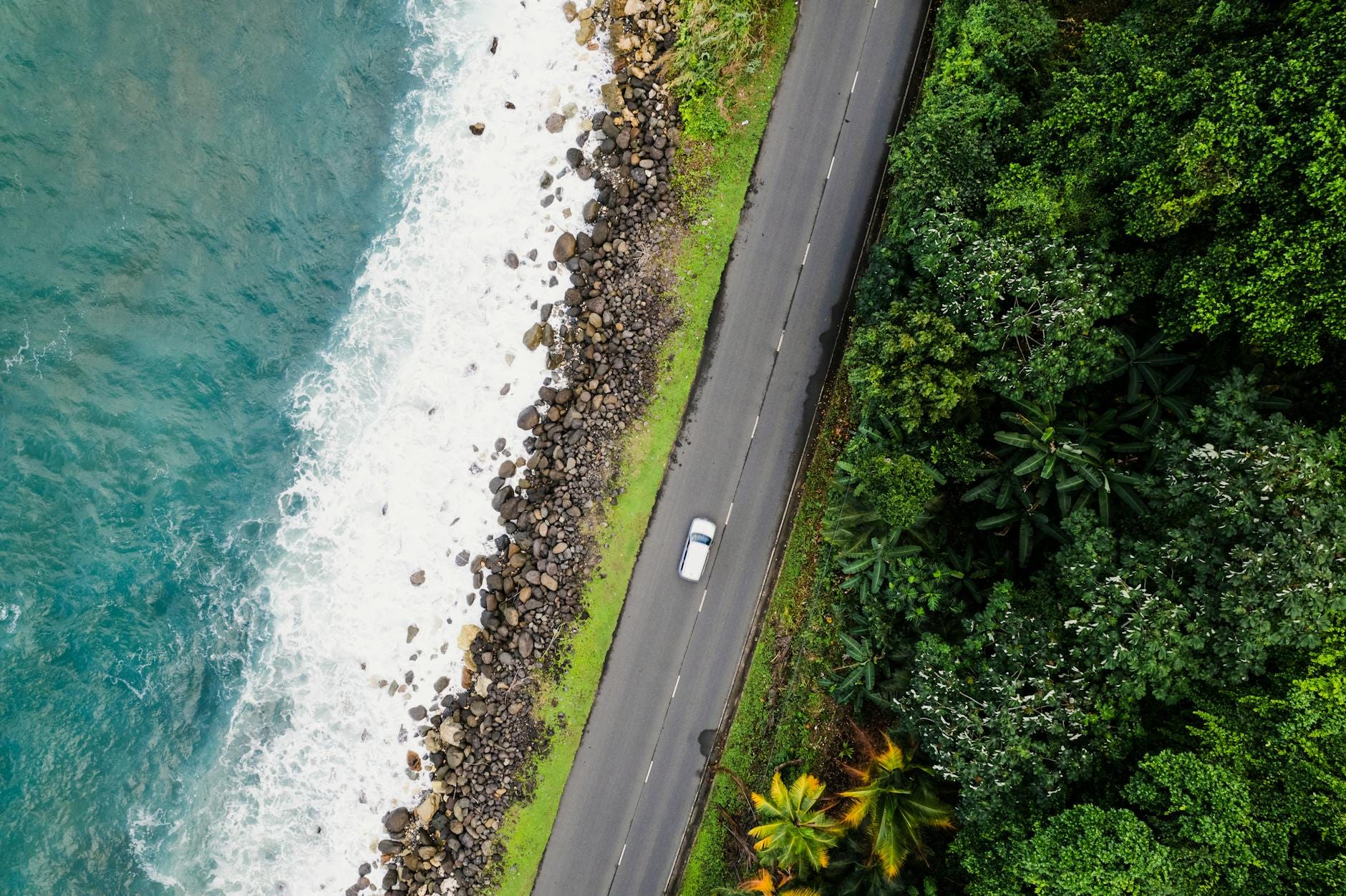
Snow Hill sits inland from Hope Bay, elevated about 600 feet above sea level. The parish capital of Port Antonio lies just down the A4 coastal highway, the lifeline that threads together Portland’s fishing villages, bays, and market towns.
The geography here is telling: on one side, the Blue and John Crow Mountains tumble down in ridges and gullies; on the other, the Caribbean stretches wide and open. This mix of fertile soils, river valleys, and cool breezes has shaped Snow Hill’s way of life for centuries.
Plantation Roots and the Name “Snow Hill”
The district’s name traces back to Jamaica’s plantation era. Nineteenth-century estate records mention “Snow Hill” as part of Portland’s network of estates, with owners recorded in compensation claims during the abolition of slavery. Like so many rural communities, Snow Hill’s early identity was tied to sugar cultivation and the system of enslavement that defined the island’s economy before emancipation.
From Sugar to Bananas: A Parish Transformed
As sugar faltered in the late 1800s, Portland reinvented itself with bananas. By the 1870s and 1890s, the parish was at the heart of what became known as Jamaica’s “banana boom.”
Port Antonio exploded into prosperity as ships laden with fruit set sail for international markets. Inland, estates and smallholdings—including the hills around Snow Hill—planted bananas on a scale never seen before. The boom reshaped both land and labor, setting Portland apart from sugar-heavy parishes elsewhere on the island.
The Rafting Legacy of the Rio Grande
Bananas also gave rise to one of Portland’s most enduring cultural icons: rafting on the Rio Grande. Farmers needed a way to move heavy bunches from the hills down to the coast. Their solution was ingenious—long bamboo rafts steered downriver to the harbor.
Today, rafting survives not as commerce but as heritage and recreation. Tourists and locals alike glide along the jade-green waters from Berrydale to St. Margaret’s Bay, guided by licensed captains whose craft preserves a century-old tradition born out of necessity.
Boundbrook Wharf: The Old Export Gateway
At the end of that supply chain stood Boundbrook Wharf in Port Antonio. Once bustling with fruit shipments and occasional cruise calls, the wharf was a pillar of the parish economy. As export activity shifted to Kingston in the 2000s, Boundbrook fell into quieter use, but for inland districts like Snow Hill, it remains a symbol of connection to the wider world.
Maroon Heritage Nearby: Moore Town’s Influence
Snow Hill itself was not a Maroon settlement, yet it lives in the cultural orbit of Moore Town, just southwest in the Blue Mountains. The Maroons, descendants of Africans who escaped enslavement and established autonomous communities, signed treaties with the British in the 1730s and have preserved their traditions ever since.
Moore Town is recognized by UNESCO for its Kromanti music—drumming, songs, and rituals that sustain memory and identity. Snow Hill residents live within reach of this living heritage, a reminder that Portland’s story is not just plantations and exports, but resistance and survival.
The Natural Landscape: Rivers, Caves, and Falls
Snow Hill’s hills conceal more than farms. Karst geology gives rise to features such as Snow Hill Cave and Burlington Tunnel—limestone formations that tell of centuries of underground water movement.
Nearby, the parish’s rivers and falls draw both locals and visitors. Somerset Falls, a short drive from Hope Bay, is famous for its grotto-like boat ride to a veiled cascade. And the Rio Grande remains Portland’s great natural highway—wide, green, and endlessly photographed.
A Coastal Corridor: From Hope Bay to Port Antonio
Life in Snow Hill flows toward the coast. Hope Bay provides basic shops and access to Somerset Falls, while St. Margaret’s Bay serves as the downriver rafting terminus. Beyond lies Port Antonio, where the rhythms of market, harbor, and government offices shape the parish’s daily life.
In Port Antonio, the old railway station now houses the Portland Art Gallery, while the Ken Wright Pier still sees occasional calls. The town’s layers tell of a place that has cycled through booms—bananas, celebrity tourism, shipping—yet kept its charm intact.
Snow Hill Today: A District of Hillside Life
Modern Snow Hill is a tapestry of small farms, homes shaded by breadfruit and mango, and ridge-top views. Families garden for their tables, cultivate banana and plantain plots, and head to the coast for work in services, tourism, and fishing.
Weekends often mean community gatherings, trips to the river, or a day rafting with visitors. The elevation makes for cooler evenings than the coast, a small but cherished advantage for residents.
Timeline: Portland’s Wider Story in Context
Pre-18th century–1730s: Maroons form settlements in the Blue and John Crow Mountains, securing autonomy through treaties.
18th–19th centuries: Snow Hill and surrounding lands operate as plantations, recorded in estate almanacs.
1870s–1890s: The banana boom transforms Portland’s economy and way of life.
20th century: Port Antonio flourishes as an export hub, then slows as shipping consolidates elsewhere.
Conclusion: What Snow Hill Teaches Us
Snow Hill is not a town with flashy resorts or international fame. Instead, it is a place where Jamaica’s history gathers—plantations and Maroons, bananas and bamboo rafts, rivers and ridges. It reminds us that the most authentic stories often lie off the main highway, in communities that quietly carry the memory of centuries while adapting to the present.
For visitors, Snow Hill offers proximity to some of Portland’s most beautiful rivers and falls, while keeping the intimacy of a hillside village. For residents, it is home—cool, fertile, and tied to a wider parish that has given Jamaica some of its most enduring cultural and natural treasures.