

St Mary Housing Push Adds 360 Units as Supply Pressure Builds
A $1.99 billion NHT-backed development expands access to affordable homes and serviced lots, highlighting both progress and the scale of Jamaica’s housing shortage

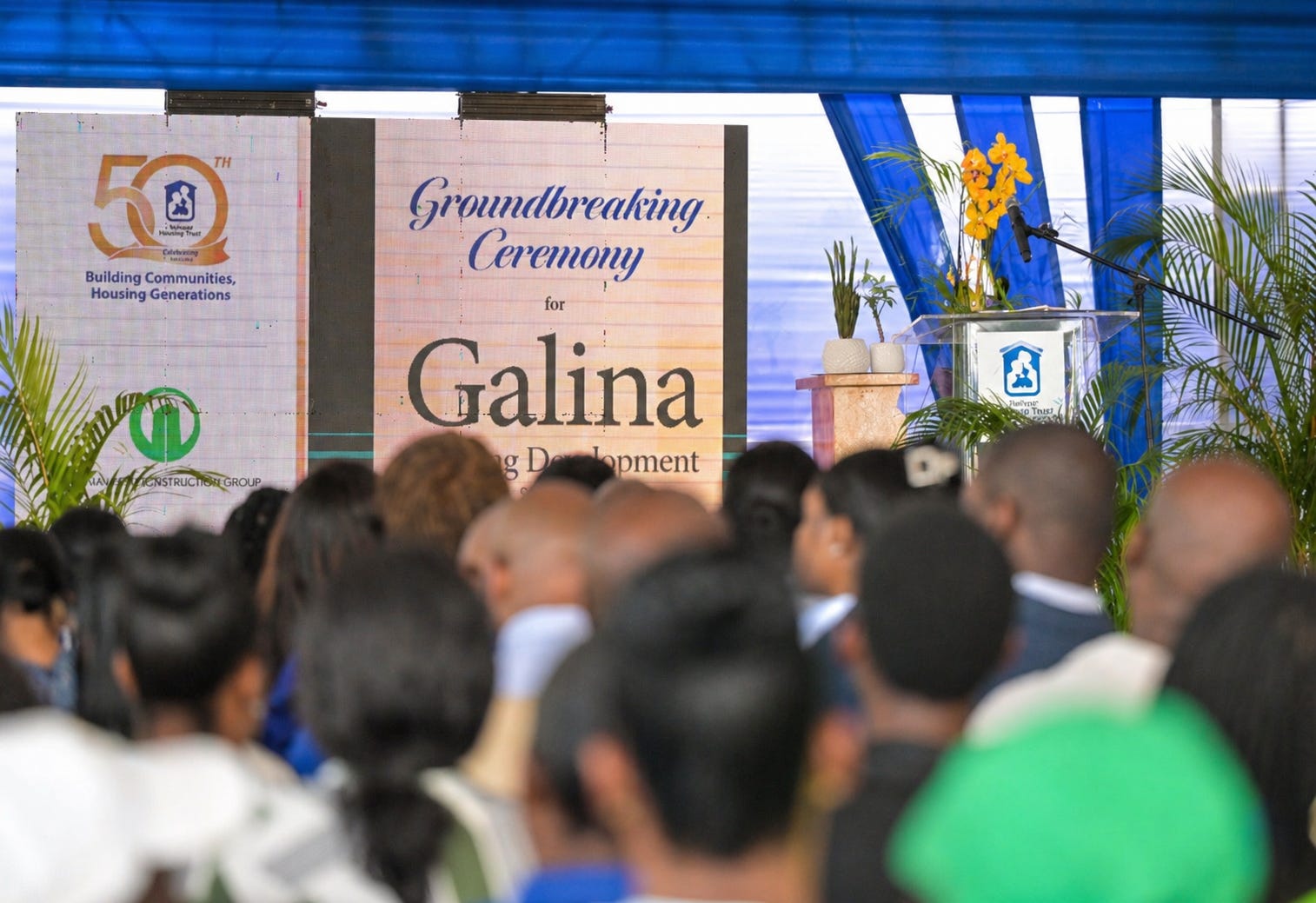
A new housing development in St Mary is set to deliver 360 units and serviced lots, adding to Jamaica’s growing but still insufficient housing pipeline as demand continues to outpace supply.
The $1.99 billion Galina Housing Development, backed by the National Housing Trust and Henan Fifth Construction Group, marks another step in the Government’s effort to reduce a national housing deficit estimated at more than 150,000 units over the next decade.
Spread across 72 acres near Port Maria and Oracabessa, the project introduces a mix of one and two-bedroom homes alongside serviced lots, reflecting a dual-track approach that has become increasingly central to Jamaica’s housing strategy. The inclusion of serviced lots signals a recognition that affordability is not just about the cost of finished units, but about enabling incremental building over time.
At a national level, the project reinforces a clear policy direction, housing is being positioned not simply as shelter, but as infrastructure. In practical terms, that means developments like Galina are expected to do more than deliver homes. They are intended to stabilise communities, support labour mobility, and anchor long-term economic participation through ownership.
The Prime Minister, Andrew Holness, framed the development as part of a broader transition from informal to formal housing, a shift that has significant implications for land use, planning systems, and financial inclusion. Moving households into formal ownership structures expands access to mortgages, improves land registration, and strengthens the overall integrity of the property market.
From a pricing perspective, the development sits within a critical band of the market. Serviced lots starting at $3.8 million and units ranging from $8 million to $14 million place the scheme within reach of lower to middle-income earners, particularly those supported by NHT financing. The availability of 100 percent financing and subsidies such as grants continues to be one of the most influential tools shaping access to housing in Jamaica.
However, the broader context remains challenging. While more than 11,000 units are reportedly under construction through the NHT, the scale of need means developments like Galina, though significant locally, represent incremental progress nationally. The gap between supply and demand continues to exert upward pressure on land values, construction costs, and ultimately house prices.
In that sense, Galina reflects both progress and constraint. It demonstrates the state’s ability to mobilise partnerships and deliver projects at scale, but it also highlights the structural pressures facing the housing sector, including land availability, infrastructure readiness, and the pace of approvals.
There is also a regional dimension to consider. Developments in parishes like St Mary signal a gradual rebalancing of housing activity away from traditional urban centres such as Kingston and St Andrew. This has implications for internal migration patterns, local economies, and infrastructure planning. As more housing is delivered in areas outside the capital, the question becomes whether roads, utilities, schools, and healthcare services can expand at the same pace.
The involvement of international construction partners further underlines the evolving nature of Jamaica’s development landscape. External expertise and financing can accelerate delivery, but they also introduce questions around long-term capacity building within the local construction sector.
For prospective homeowners, the project offers a pathway into ownership that might otherwise remain out of reach. The option to choose between a completed unit and a serviced lot provides flexibility, particularly in a market where many families balance immediate housing needs with longer-term building aspirations.
For developers and policymakers, the lesson is more complex. Housing delivery at this scale requires coordination across land titling, infrastructure provision, financing systems, and regulatory frameworks. Any weakness in that chain can slow progress or increase costs.
Looking ahead, the success of developments like Galina will not be measured solely by the number of units delivered, but by the sustainability of the communities they create. That includes not just physical construction, but access to services, economic opportunities, and resilience to environmental risks.
Jamaica’s housing challenge is ultimately one of scale and speed. Projects like this move the country forward, but they also reinforce the reality that solving the housing deficit will require sustained, coordinated effort over many years.
As the pipeline expands, the focus will increasingly shift from groundbreaking ceremonies to delivery timelines, build quality, and the lived experience of the communities being created. That is where the real test of Jamaica’s housing strategy will be met.