

Storm Proof Housing Moves to Centre Stage
As St Thomas prepares for a major new housing scheme, Jamaica’s post Melissa rebuilding debate is shifting from how many homes can be built to how well they can survive the next storm.

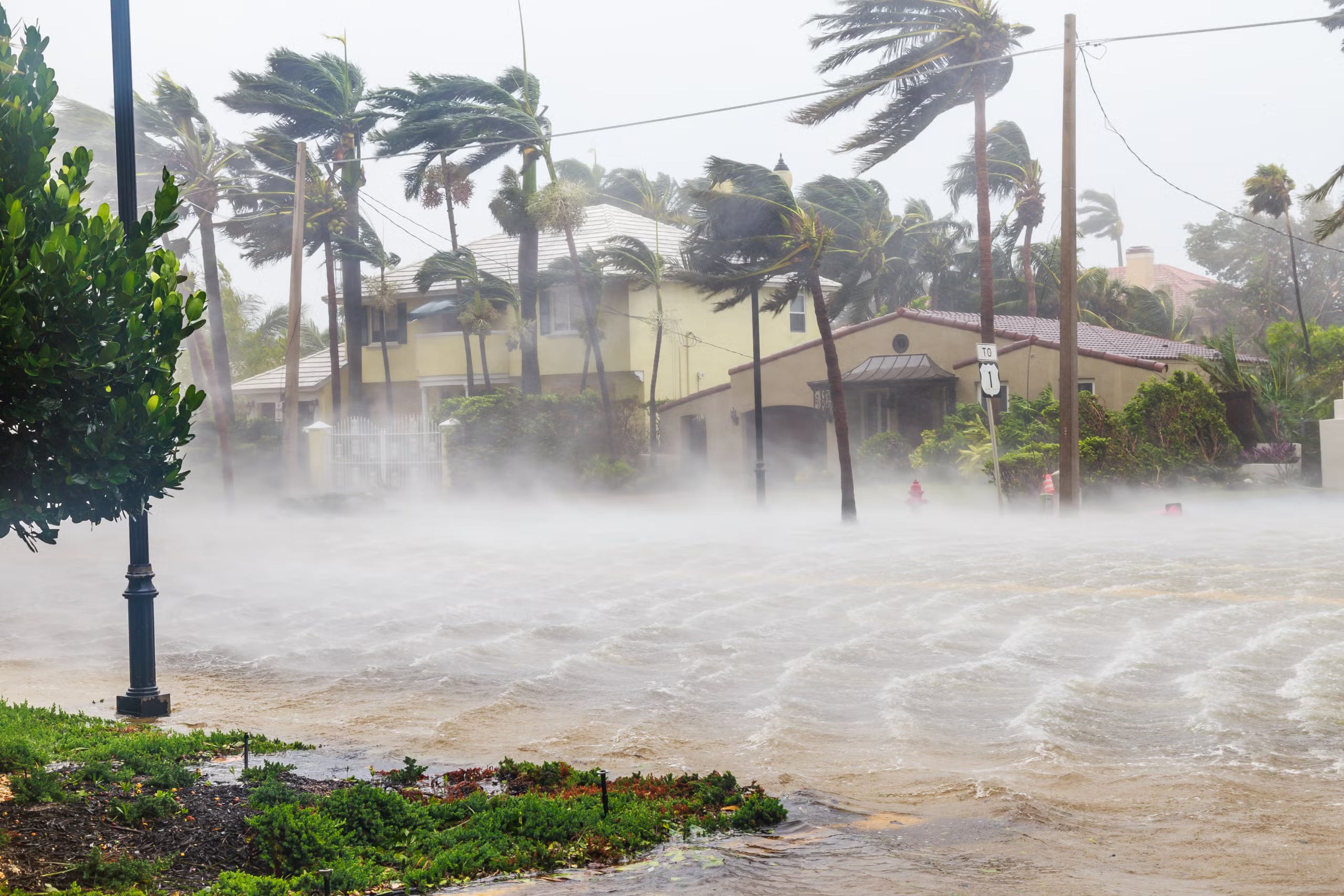
As St Thomas prepares for a major new housing scheme, Jamaica’s post Melissa rebuilding debate is shifting from how many homes can be built to how well they can survive the next storm.
Jamaica’s housing agenda is moving deeper into the language of resilience, after the Prime Minister used the ground breaking of the $9 billion Rozelle Estate project in St Thomas to call for homes capable of withstanding Category 5 hurricane conditions. The development, involving Rozelle Properties and the National Housing Trust, is expected to deliver more than 800 houses, with 660 units tied to the NHT’s guaranteed purchase programme.
Resilience Becomes the New Housing Test
The remarks come six months after Hurricane Melissa struck Jamaica on 28 October 2025, leaving heavy damage across sections of the island and sharpening public concern about whether new housing is being designed for the climate Jamaica now faces. Official reporting later indicated that approximately 215,000 buildings had some level of damage, including widespread roof damage.
For St Thomas, the issue is especially important. The parish is increasingly being positioned as a major housing corridor because of road improvements, available land, water infrastructure, and its growing connection to the Kingston Metropolitan Area. That makes Rozelle Estate more than another housing project. It is a test of whether large scale development can keep pace with climate risk.
A Shift From Quantity to Durability
Jamaica has long measured housing progress by numbers, units started, units completed, schemes launched. After Melissa, that measure looks incomplete. The more urgent question is whether new homes can protect families, preserve household wealth, and reduce the cost of rebuilding after every major storm.
The Prime Minister pointed to houses that survived Melissa as evidence that better construction can make a decisive difference, including roofs that remained intact because of how they were built. That message matters for homeowners and buyers, but also for developers, lenders, insurers, and planners.
A house that fails in a storm is not only a private loss. It becomes a public cost, a shelter issue, a financing issue, and often a generational setback.
NHT Support and Faster Approvals
The NHT’s guaranteed purchase model gives developers greater certainty by committing the agency to purchase a large share of completed homes at an agreed price. In Rozelle’s case, 660 homes are expected to fall under NHT discretion, while the developer retains control over the remaining units.
The project also sits within a wider policy push around the National Reconstruction and Resilience Authority, known as NaRRA. The Government has said the related FAST Jamaica pathway is intended to accelerate strategic investment, with the minimum threshold lowered to US$15 million to widen access for local, diaspora, regional, and international investors.
What This Means for Real Estat
For Jamaica’s real estate market, resilience is becoming part of value. Location, price, access, and design still matter, but storm performance is now moving closer to the centre of the buying decision.
In practical terms, future buyers may pay closer attention to roof design, elevation, drainage, materials, workmanship, insurance availability, and whether a development has been planned with extreme weather in mind. Developers who treat resilience as an added cost may increasingly find that buyers, lenders, and the State view it as a basic requirement.
St Thomas could benefit from this shift, but only if the housing expansion is matched by disciplined planning. A parish can gain roads, water, and new homes, yet still inherit future risk if drainage, construction standards, and community infrastructure are not treated seriously.
The Bigger Question
The Rozelle Estate ground breaking arrives at a moment when Jamaica is still asking hard questions about post Melissa recovery, including how quickly promised homes and temporary housing solutions are reaching affected families. Public debate has placed housing damage estimates in the hundreds of billions of dollars, with opposition figures citing extensive losses across the sector.
That makes the St Thomas project symbolic. Jamaica does not only need more houses. It needs houses that do not become tomorrow’s emergency.
For a country where land and home ownership remain deeply tied to dignity, security, and family progress, storm proofing is no longer a technical detail. It is becoming part of the national housing contract.