

Strait Closed, Shockwaves Open
A distant conflict tightens a global oil artery, exposing how fragile energy flows are reshaping housing costs, construction, and everyday life in Jamaica


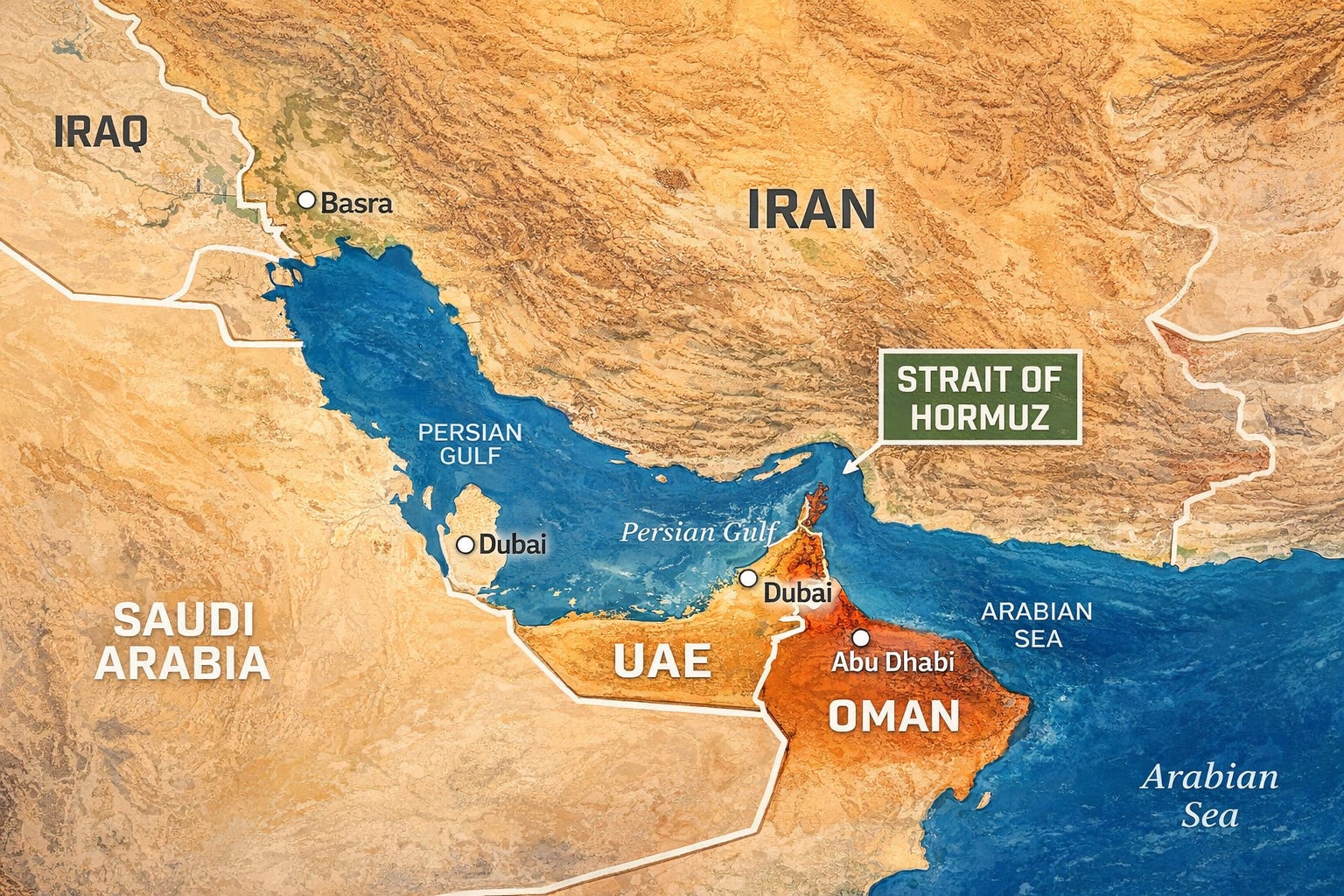
A diplomatic effort led by the United Kingdom to reopen the Strait of Hormuz has underscored a growing global risk with immediate consequences for Jamaica: the disruption of one of the world’s most critical oil routes is already feeding into higher energy costs, with knock-on effects for housing, construction, and everyday living.
More than 40 countries joined emergency talks after shipping through the narrow waterway, which carries a significant share of the world’s oil, slowed to near paralysis amid escalating conflict involving Iran, the United States, and Israel. Reports of repeated attacks on commercial vessels and tightening control over passage have effectively choked the route, sending oil prices upward and amplifying uncertainty across global markets.
For Jamaica, an island economy deeply dependent on imported fuel, the implications are neither abstract nor distant. Energy sits at the centre of the country’s cost structure, shaping everything from electricity bills to the price of cement, steel, and transport. When oil prices rise sharply, the pressure moves quickly through the system.
The result is familiar but increasingly severe: higher living costs, slower construction timelines, and a widening gap between what households earn and what it takes to maintain or secure a home.
A distant conflict, a local cost
Jamaica does not import oil directly from the Gulf at scale, but it operates within a global pricing system. When supply routes tighten, prices rise universally. The Strait of Hormuz is not just a regional corridor; it is a pressure valve for global energy supply. When it constricts, the effects ripple outward, reaching small island states with particular force.
Electricity generation in Jamaica remains heavily tied to imported fuel. A sustained spike in oil prices would likely translate into higher energy tariffs, placing additional strain on households already navigating rising food and transport costs. For property owners, this shifts the economics of ownership. For renters, it quietly pushes affordability further out of reach.
Construction, too, feels the impact almost immediately. Fuel drives logistics, machinery, and materials. Developers operating on tight margins may delay projects, scale back plans, or pass increased costs onto buyers. In a market where housing supply already struggles to meet demand, any slowdown compounds existing pressures.
The housing ripple effect
The link between global energy disruption and local housing is not always obvious, but it is direct.
Higher fuel costs increase the price of building homes. That, in turn, affects sale prices, rental rates, and ultimately access to housing. For Jamaica, where affordability remains one of the most persistent challenges in the property sector, external shocks like this can deepen structural issues.
Developers may become more cautious, particularly in mid-range and affordable housing segments where margins are thinner. Financing conditions may tighten if inflation rises. Buyers, facing higher borrowing costs and living expenses, may delay purchases. The entire system slows, not because demand disappears, but because the cost of meeting it rises.
There is also a behavioural shift. When uncertainty increases, people tend to hold onto assets rather than move. This reduces market liquidity, making it harder for new buyers to enter and for existing owners to reposition.
Energy security, quietly exposed
Moments like this reveal the underlying vulnerability of island economies. Jamaica has made strides in diversifying its energy mix, including investments in renewables, but the system remains exposed to global oil volatility.
The Strait of Hormuz crisis highlights a broader question: how resilient is Jamaica’s housing and development model to external shocks?
Energy is not just a utility, it is a foundation. It determines how homes are built, how they are powered, and how affordable they remain over time. When that foundation becomes unstable, everything above it feels the strain.
There is a growing argument, often made quietly within industry circles, that the future of housing in Jamaica cannot be separated from the future of energy. More efficient building methods, greater adoption of solar technologies, and reduced reliance on imported fuel are no longer just environmental considerations, they are economic necessities.
A global shift, a local reckoning
The diplomatic push to reopen the Strait reflects an urgent need to stabilise global trade routes, but it also signals a deeper shift. The world is entering a period where geopolitical tensions increasingly intersect with economic fundamentals.
For Jamaica, this means that housing, often viewed as a domestic issue, is becoming more exposed to international dynamics. A conflict thousands of miles away can influence whether a family can afford to build, buy, or rent.
There is a quiet but important lesson in this.
Housing security is not only about land titles, planning approvals, or mortgage rates. It is also about the stability of the systems that support those structures, energy, supply chains, and global cooperation.
As one industry observer put it, the real question is not whether Jamaica can build enough homes, but whether it can build them in a world that is becoming less predictable.
What comes next
If the Strait of Hormuz remains constrained, the pressure on oil prices is likely to persist. For Jamaica, that would mean continued upward pressure on energy costs, with corresponding effects on construction and housing affordability.
If diplomatic efforts succeed and shipping resumes, markets may stabilise, but the underlying vulnerability will remain.
This moment, while immediate in its impact, is also instructive. It highlights the importance of resilience, not just in infrastructure, but in how housing systems are designed and sustained.
For Jamaica, the path forward may increasingly involve reducing exposure to external shocks, through energy diversification, smarter development strategies, and a more integrated approach to housing and economic planning.
Because while the Strait of Hormuz may reopen, the reality it has exposed will not easily close.