

The Billionaire Islands Nobody Talks About
From Silicon Valley compounds to hidden Caribbean retreats, Larry Page’s extraordinary property empire reveals how the world’s ultra wealthy are quietly reshaping the meaning of home

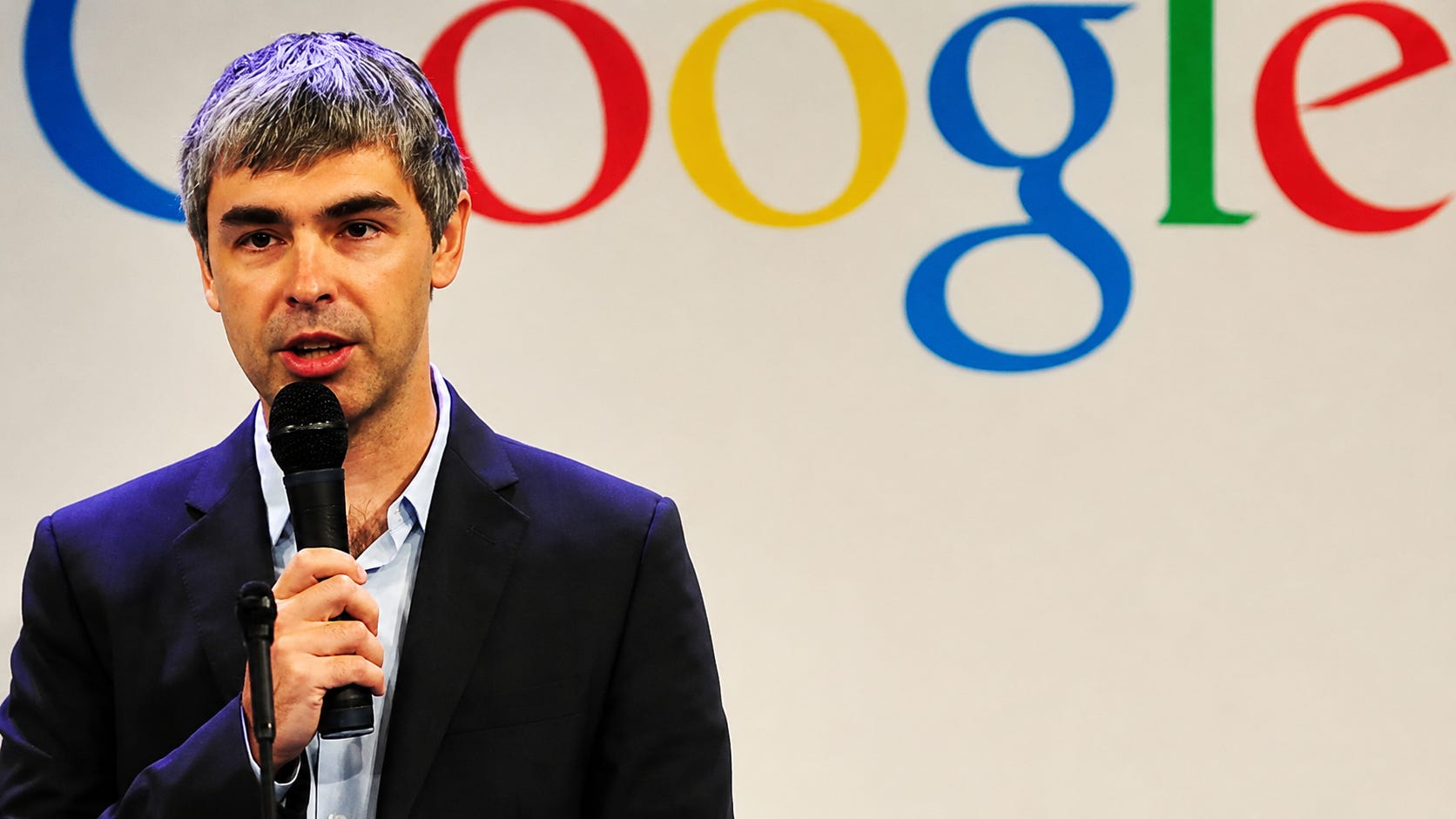
There is something almost cinematic about the way the world’s wealthiest people buy property. Not merely homes. Not even estates. Entire landscapes.
The kind of places most people only glimpse through aircraft windows or in glossy travel magazines sitting untouched in airport lounges.
And few modern billionaires embody that quiet, almost surreal accumulation of space quite like Larry Page, Google cofounder.
For decades, the Google cofounder built one of the most powerful technology companies in human history. Yet somewhere along the way, as the algorithms multiplied and the billions expanded into hundreds of billions, another collection began to emerge.
A collection not of software, but of geography.
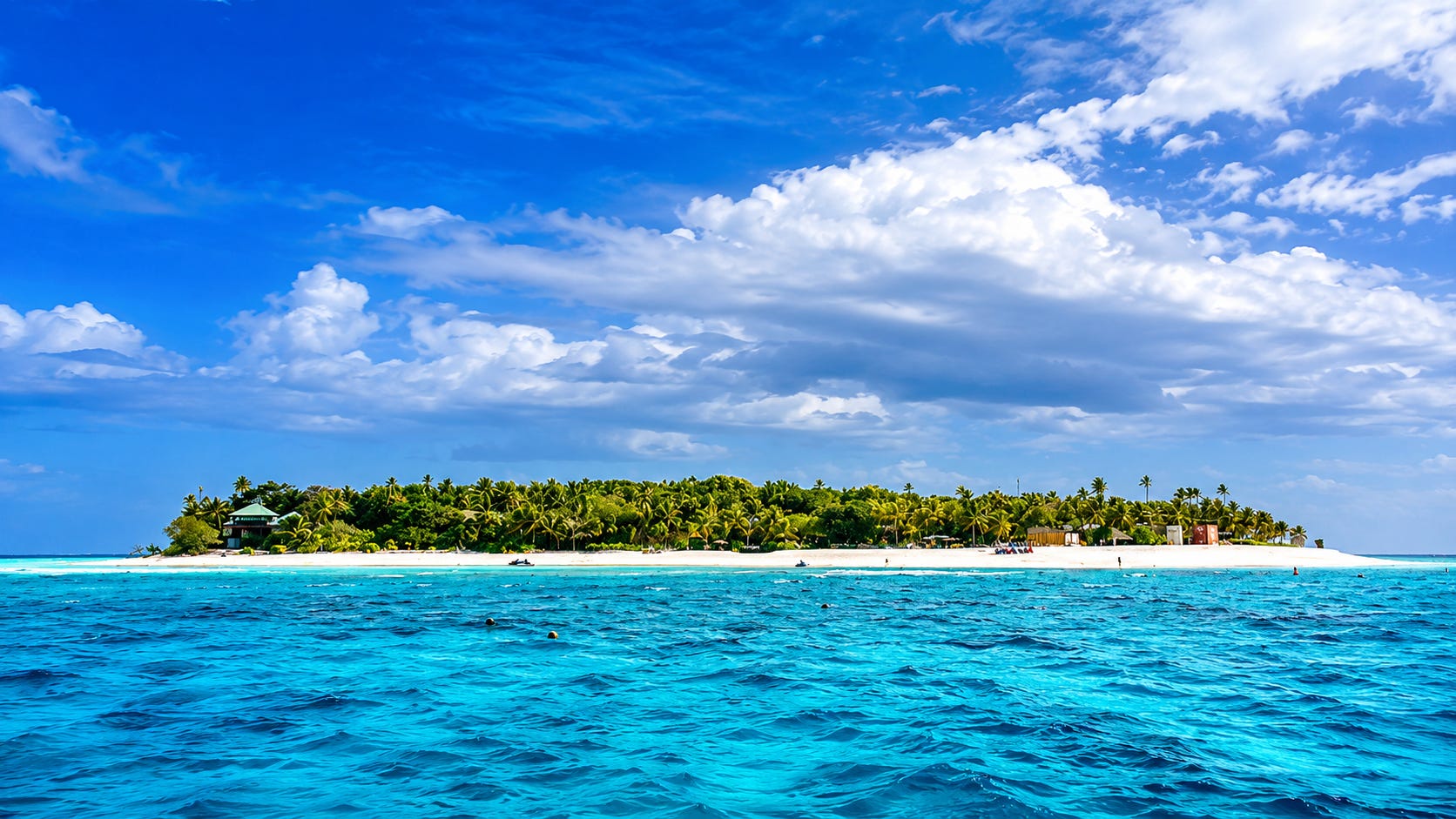
Private islands scattered across the Caribbean. Hidden compounds tucked into Silicon Valley. Vast waterfront estates in Miami. Tropical hideaways operating almost entirely off grid.
It is less a property portfolio and more a map of modern wealth itself.
And perhaps what makes it so fascinating is not simply the scale of the spending, but the philosophy behind it.
Because when billionaires buy property today, they are no longer simply purchasing luxury. They are purchasing insulation, privacy, distance, control, a form of modern sovereignty.
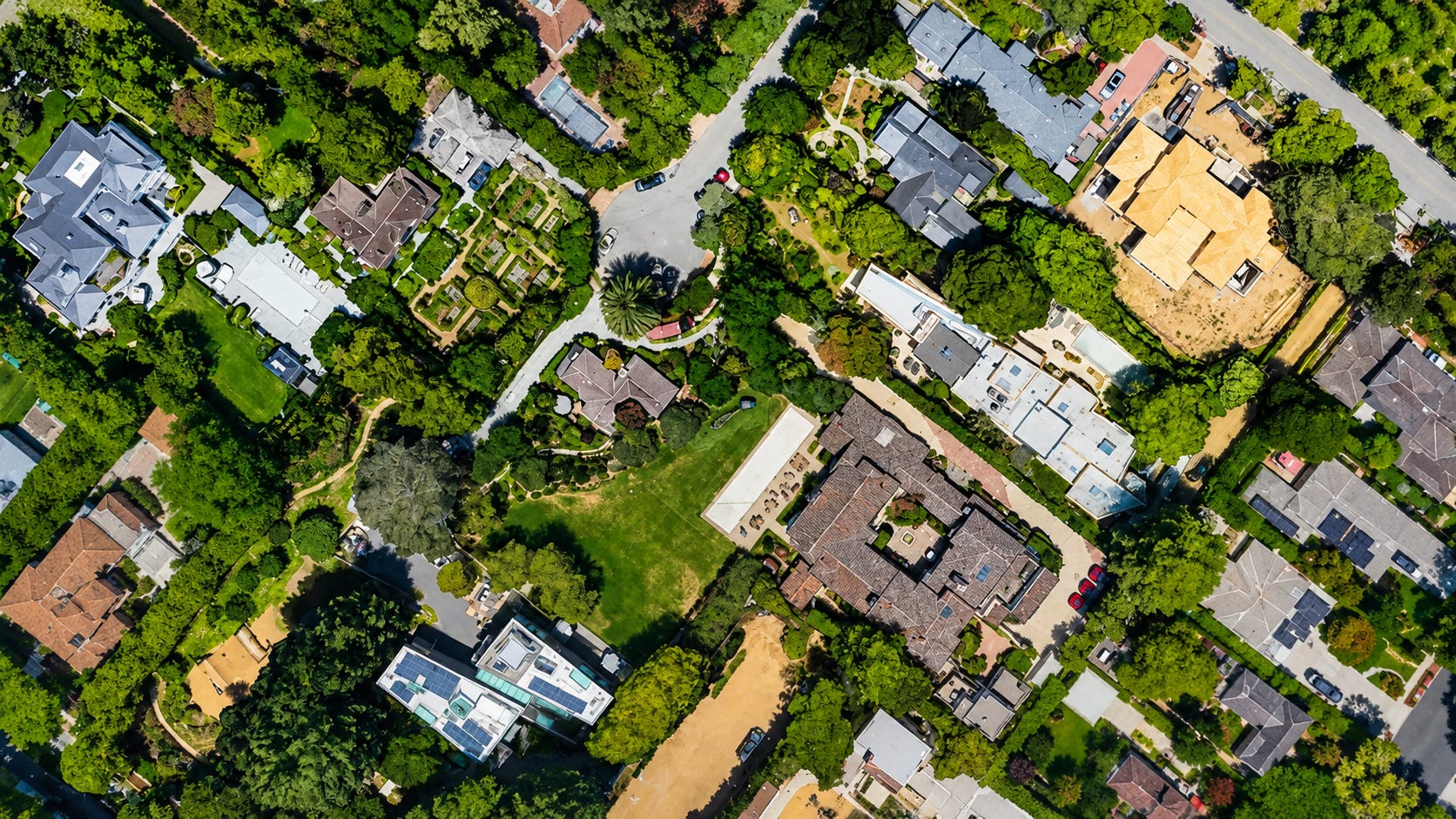
In Palo Alto, California, Page reportedly spent years assembling a quiet empire piece by piece. One neighbouring property after another. Homes absorbed into a larger ecosystem. Some demolished, others rebuilt, others folded into a sprawling compound designed around sustainability, solar power, and privacy.
It reflects a wider shift taking place among the ultra wealthy globally.
The traditional mansion is no longer enough. Today’s billionaire estate increasingly behaves like a self contained environment, with energy systems, security layers, independent infrastructure, and space designed not merely to impress visitors but to reduce dependency on the outside world.
And then, of course, there are the islands.
This is where the story begins to feel almost mythical.
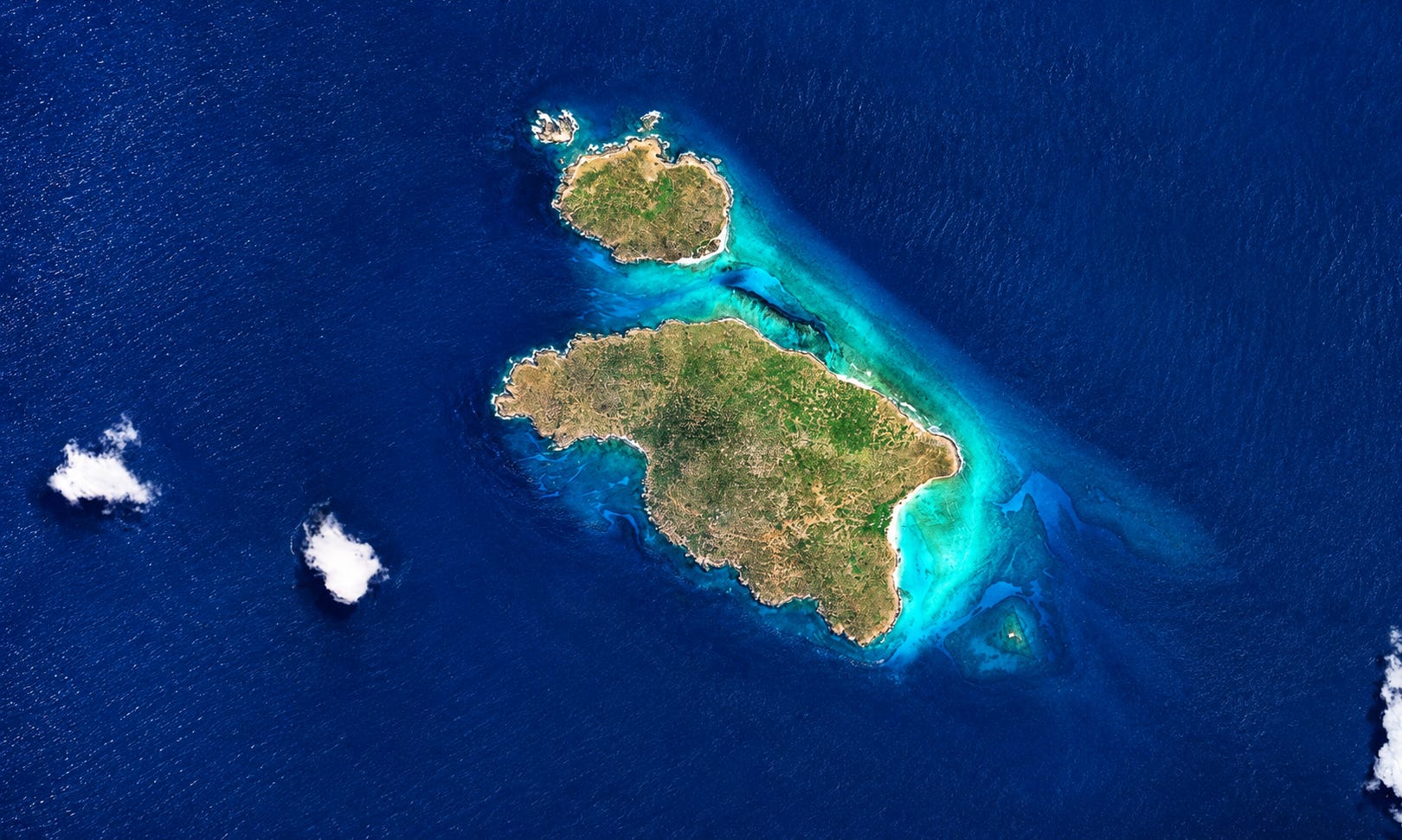
In 2014, Page reportedly acquired Great Hans Lollik and Little Hans Lollik in the U.S. Virgin Islands, two Caribbean islands spanning more than 600 acres combined. White sand beaches. Palm forests. Steep hillsides dropping into turquoise water.
The sort of geography that tourism campaigns spend decades trying to photograph.
But what is striking is how often the Caribbean appears within the portfolios of global billionaires.
Not just for holidays, but for permanence, positioning, and strategic retreat.
In the British Virgin Islands, Page has also been linked to Eustatia Island, an ultra private off grid retreat reportedly powered largely by solar energy. Villas hidden among the landscape. Infinity pools looking out over impossibly blue water. A place designed almost to disappear into the horizon itself.
And perhaps that is the point.
The modern billionaire does not always want visibility anymore.
Visibility attracts politics, attention, and risk. The new luxury is invisibility.
Then came Puerto Rico.
In 2018, Page reportedly expanded again, purchasing Cayo Norte, a 300 acre private island near Culebra. Coral reefs. Sea turtle habitats. Untouched coastline.
It sounds romantic.
And in many ways it is.
But there is also a deeper global pattern quietly unfolding beneath these acquisitions.
The world’s wealthiest individuals increasingly view land as one of the few remaining truly finite assets. Not stocks. Not cryptocurrency. Not even technology. Land.
Especially coastal land.
Especially island land.
Especially territory connected to water, climate resilience, privacy, and international mobility.
In many ways, these purchases reveal how billionaires see the future long before the public conversation catches up.
And nowhere has this become more obvious recently than Miami.
Over late 2025 and early 2026, Page reportedly assembled one of the largest private waterfront compounds in Coconut Grove through a buying spree exceeding US$188 million.
One property, then another, then another, until multiple estates effectively became a single private kingdom along Biscayne Bay.
And standing back from it all, one begins to notice something quietly extraordinary.
These homes are not random. They form a network stretching across California, the Caribbean, Florida, and the South Pacific, each offering different climates, jurisdictions, and strategic advantages within one interconnected lifestyle.
And this is where the story suddenly becomes far more relevant to Jamaica than many people may initially realise.
Because while Jamaica does not yet sit at the centre of this particular billionaire property map, many of the same forces reshaping global luxury real estate are already washing onto Jamaican shores.
Privacy, coastal land scarcity, climate positioning, diaspora investment, luxury tourism, remote work, and the search for lifestyle destinations outside traditional Western cities.
These are no longer future conversations.
They are already influencing the Caribbean property market.
Increasingly, wealthy international buyers are no longer simply searching for large houses.
They are searching for experiences.
Isolation combined with connectivity, natural beauty combined with security, exclusivity combined with global access.
And few places naturally possess those ingredients quite like the Caribbean.
That creates enormous opportunity.
But also enormous pressure.
Because when global wealth enters small island economies, property values can shift rapidly. Coastal access can become increasingly exclusive. Local housing affordability can begin drifting away from local wages.
The landscape changes.
Sometimes gradually, sometimes all at once.
And Jamaica now sits at an important crossroads within that wider global transformation.
The island already possesses many of the characteristics international investors increasingly pursue. Climate appeal. Cultural influence. Scenic coastline. Luxury tourism infrastructure. International recognition. Diaspora demand.
But the deeper question may not simply be whether Jamaica attracts wealth.
It already does.
The real question is what kind of property future Jamaica wants to build around it.
A future dominated purely by exclusivity, or one that balances international investment with long term accessibility for ordinary Jamaicans themselves.
Because while stories about billionaire compounds and private islands can feel glamorous from a distance, they also quietly reveal something profound about the modern global economy.
The wealthiest people on earth are increasingly betting on land, islands, coastlines, and privacy, long before most societies fully understand why.
Which may ultimately leave Jamaica facing both its greatest opportunity and one of its most delicate balancing acts.
Not merely how to attract global wealth.
But how to ensure the island itself does not slowly become unaffordable to the very people who call it home.
That may prove to be the true Caribbean property story of the next generation.
And Jamaica may find itself standing directly in the middle of it.
Source material and background reporting were adapted from a feature on Larry Page’s global property holdings.