

The Bridgerton Connection: Tracing the Links Between Jamaica and Regency-Era Real Estate


In recent years, the global phenomenon that is Bridgerton has captured the imagination of millions with its lavish depiction of Regency-era high society in 19th-century England. While the series’ grand estates, opulent ballrooms, and aristocratic intrigue may seem far removed from the Caribbean, there are, in fact, intriguing historical connections between Jamaica and the wealth and real estate depicted in Bridgerton.
The story of Jamaican real estate, particularly its grand estates, holds deep ties to the British aristocracy. During the 18th and 19th centuries, many of the grand fortunes that built the estates and lavish homes of England’s upper class were financed through the ownership of plantations in Jamaica and other parts of the Caribbean. Sugar, rum, and slavery were the foundations upon which much of this wealth was built, linking the island to the heart of British economic and social life during this era.
Plantations: The Jamaican Source of British Wealth
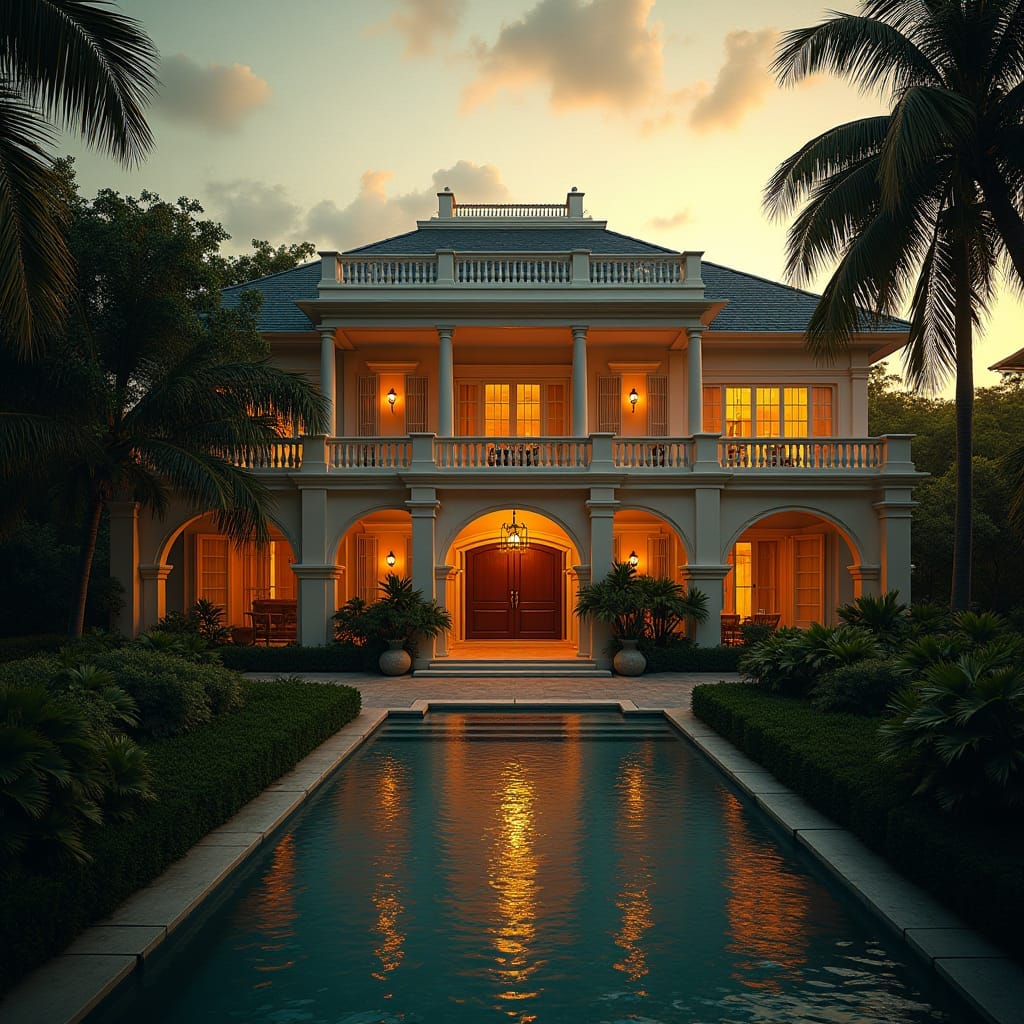
In the late 1700s and early 1800s, Jamaica was the most valuable British colony, producing vast amounts of sugar—known as “white gold”—for export to Europe. The wealth generated from Jamaican sugar plantations allowed many British families to build grand estates in England, similar to those seen in Bridgerton. In many cases, these plantations were owned by absentee landlords, who used the profits from their Jamaican holdings to fund their aristocratic lifestyles in Britain.
Families such as the Beckfords, the Hibberts, and the Barhams were among the many who owned large estates in both Jamaica and England. These families played a key role in financing the lavish lifestyles of the Regency-era elite, contributing to the grand architectural legacies that still stand today. The impact of this wealth can be seen in the mansions and estates scattered across the British countryside, many of which mirror the grandeur of the Bridgerton family’s iconic residence.
Jamaican Estates: A Blend of Colonial and Aristocratic Grandeur
Jamaica itself became home to its own grand estates, reflecting the architectural influences and lifestyles of the British aristocracy. Plantation owners built grand great houses across the island, designed to resemble the stately homes of England but adapted to the Caribbean climate. These estates, often located on hilltops to capture the breeze, were symbols of wealth and power in colonial Jamaica. Some of the most famous estates, such as Rose Hall, Greenwood Great House, and Devon House, still stand today and are among Jamaica’s most visited heritage sites.
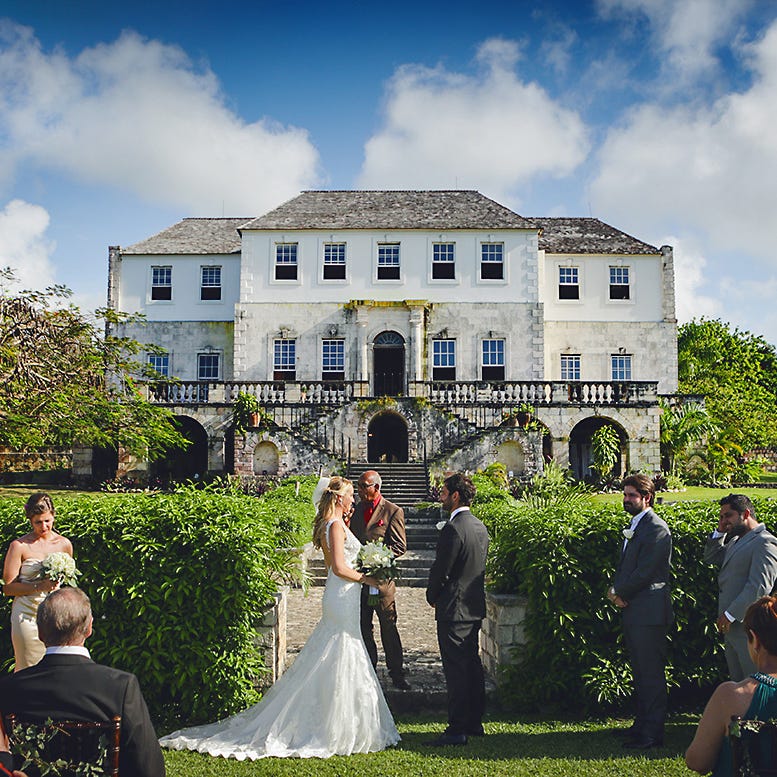
Much like the grand homes in Bridgerton, these Jamaican estates were centers of social and economic life. The great houses were surrounded by lush gardens, expansive fields, and the outbuildings that housed enslaved workers who were integral to the operation of the plantation. The architecture and layout of these homes reflected the social hierarchies of the time, much like the grand estates depicted in the show.
Real Estate, Legacy, and Modern Jamaica
Today, many of these historic estates in Jamaica have been repurposed into tourist attractions, offering visitors a glimpse into the island’s colonial past. Rose Hall, perhaps the most famous of these estates, is steeped in local folklore about its infamous owner, Annie Palmer, also known as the “White Witch of Rose Hall.” The great house has been restored and now serves as a museum, telling the story of Jamaica’s plantation economy and the legacy of its colonial past.
The connection between Jamaica’s real estate and the British aristocracy extends beyond the past. Many modern real estate developments in Jamaica are built on former plantation lands, and several great houses have been preserved as luxury properties or historical landmarks. As Jamaica continues to develop its tourism and real estate sectors, the blend of its rich history with modern innovation is creating new opportunities for investors and residents alike.
A New Era of Real Estate: From Great Houses to Modern Mansions
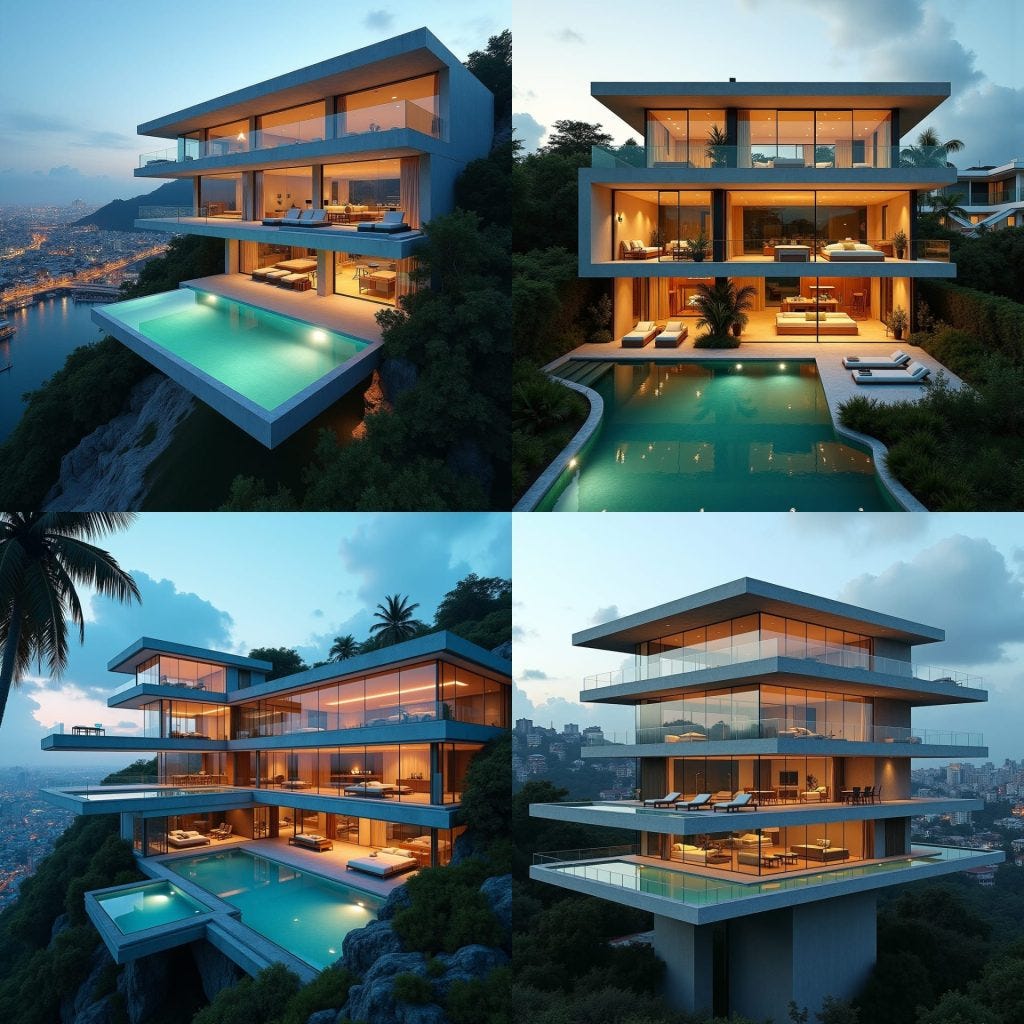
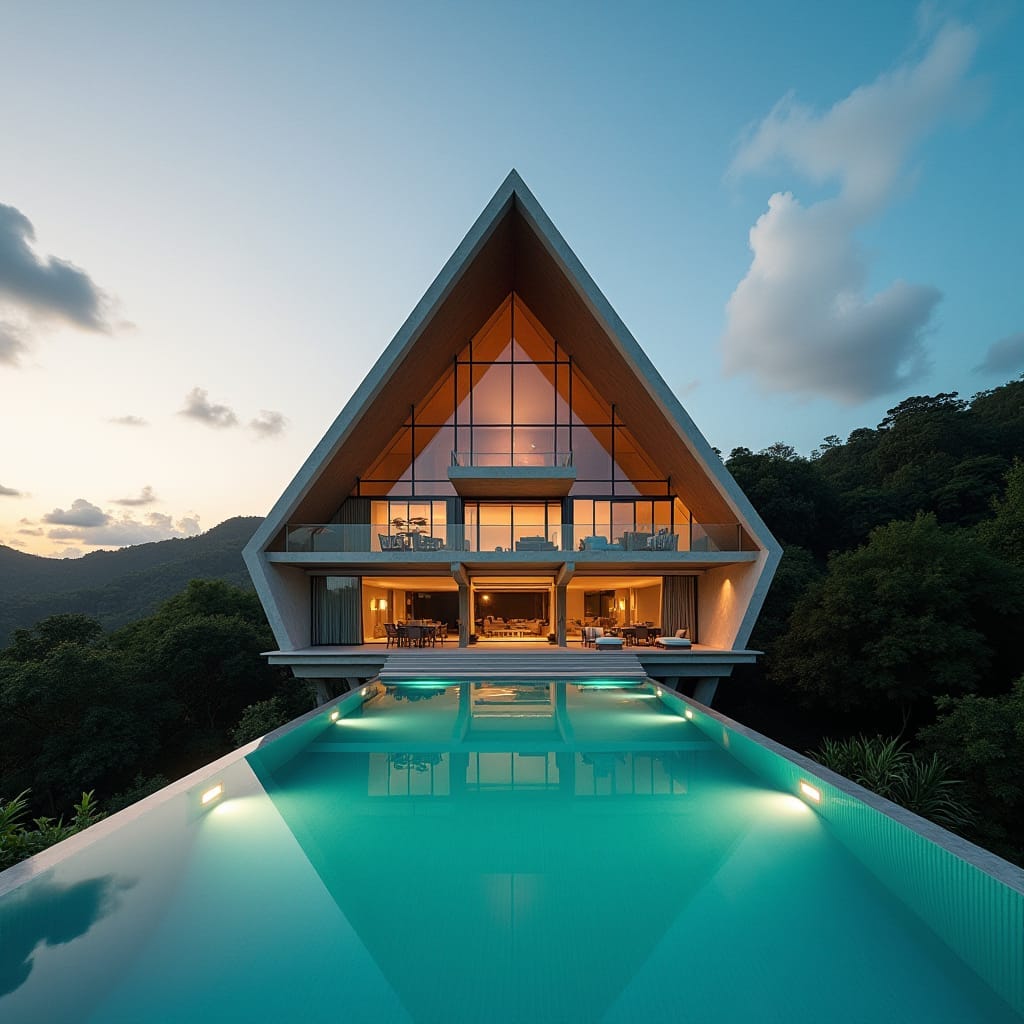
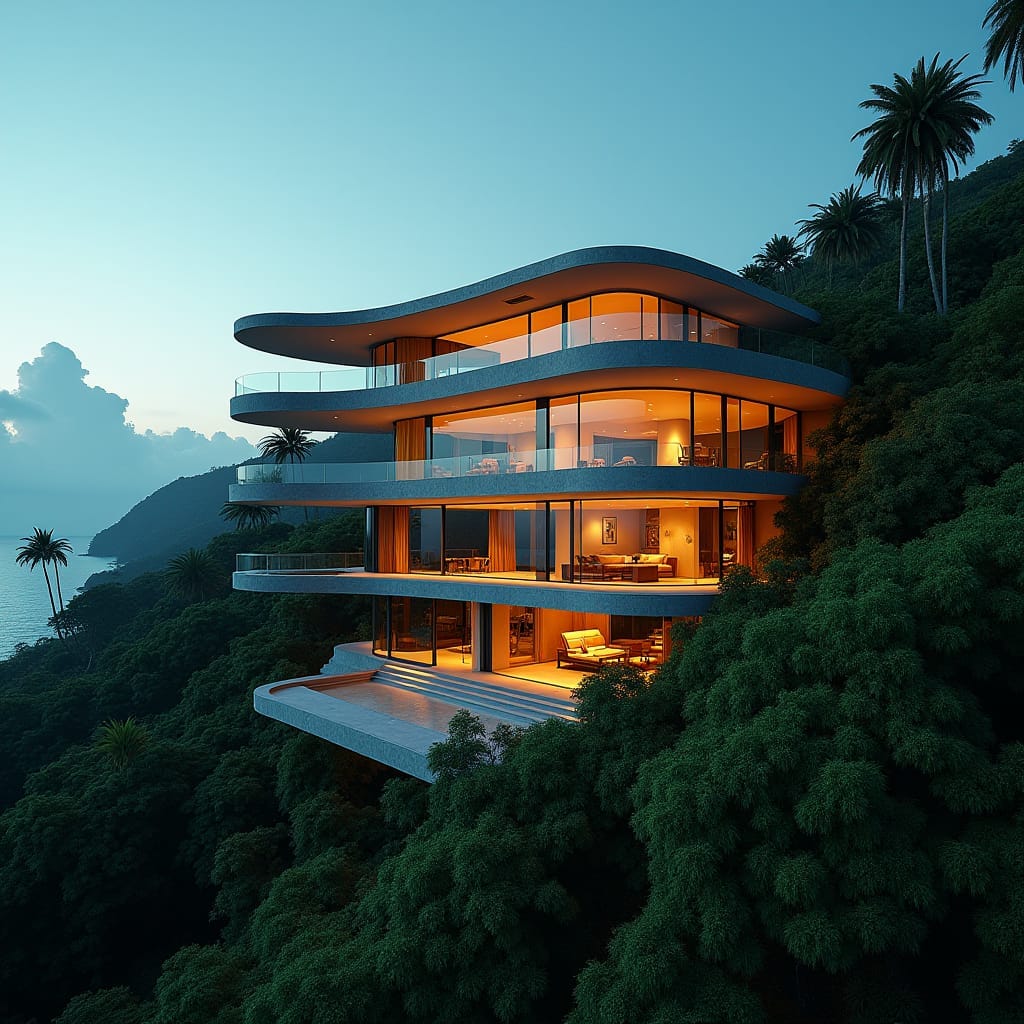
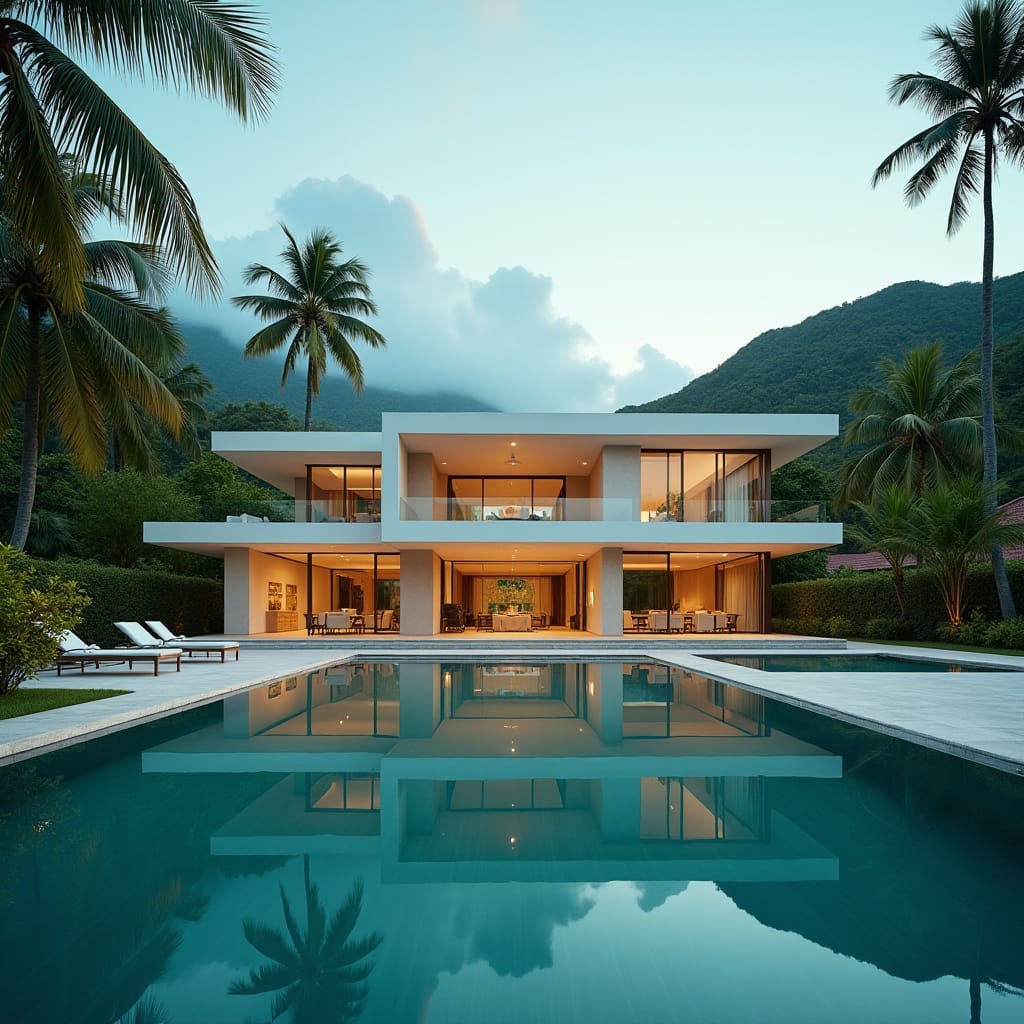
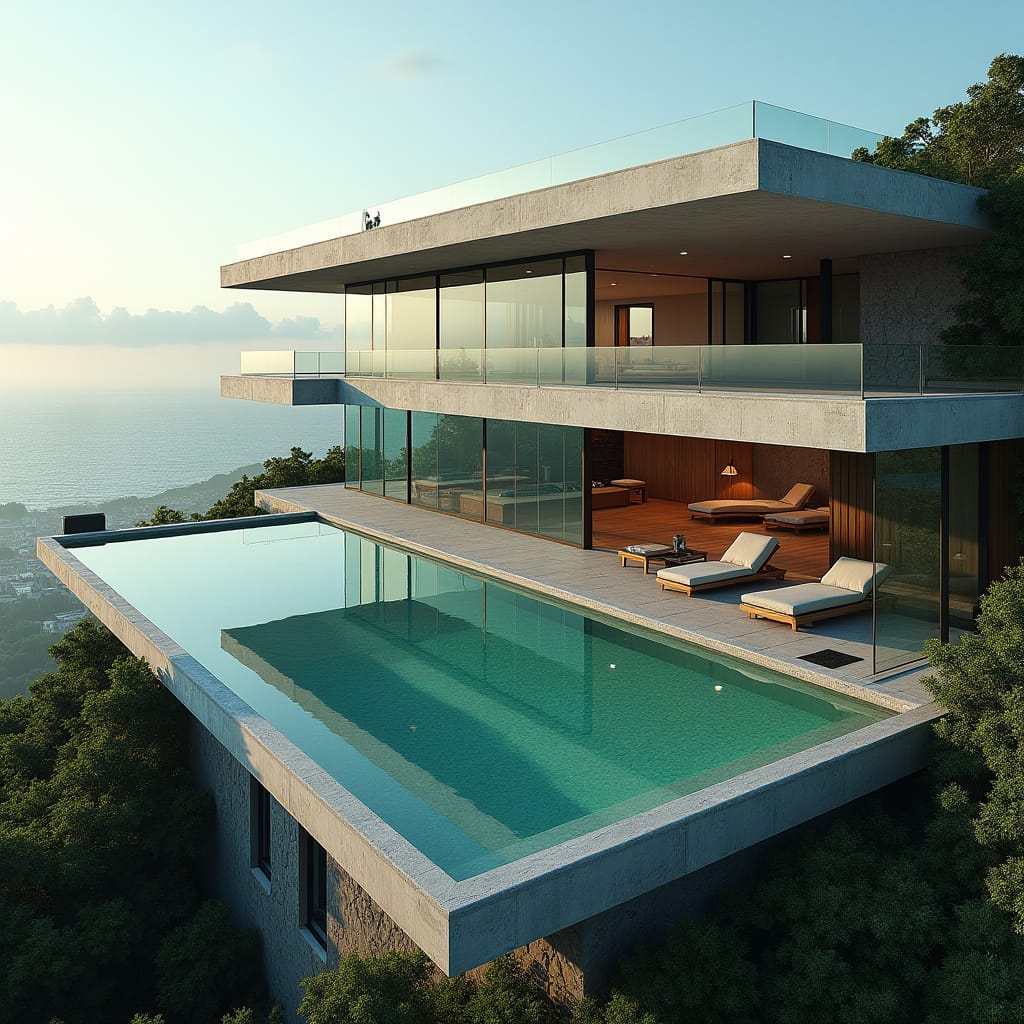
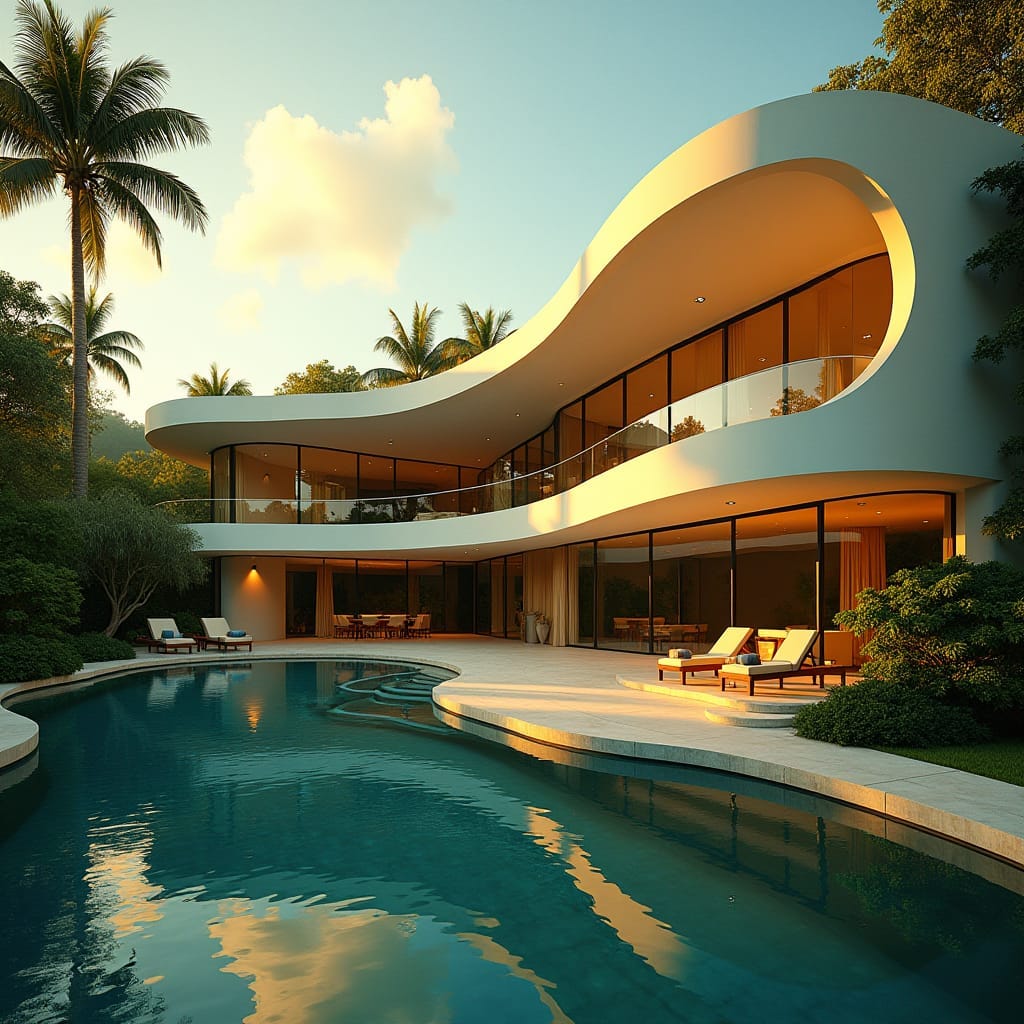
While Jamaica’s historical estates continue to fascinate visitors, the future of real estate on the island is equally exciting. Modern developments are springing up across the island, offering luxury living and blending Caribbean charm with cutting-edge amenities. High-end properties in places like Montego Bay, Ocho Rios, and Negril attract international buyers seeking vacation homes or investment opportunities.
Interestingly, just as the wealth of Jamaican plantations helped fund the grand estates of England’s Regency period, today’s Jamaican real estate market is once again being shaped by international interest. Global investors, including those from the diaspora, are increasingly looking to Jamaica as a prime location for both residential and commercial real estate investments.
In a modern twist on history, the luxurious homes and sprawling estates that once symbolized colonial wealth are now part of a thriving real estate market that welcomes buyers from all over the world. With breathtaking views, pristine beaches, and a growing economy, Jamaica’s real estate market offers a compelling blend of history and modernity.
Bridging the Past and Present
The story of Jamaica’s historical estates is deeply tied to the global flow of wealth that shaped both the Caribbean and England during the Regency era. The lavish lifestyles portrayed in Bridgerton are not as far removed from Jamaica as they may seem. Many of the grand estates of England were financed by the sugar and rum trade in Jamaica, creating a tangible link between the two worlds.
As Jamaica moves into the future, its real estate market continues to evolve, drawing on its rich history while embracing new opportunities. Whether through the restoration of colonial great houses or the development of modern luxury villas, the island’s real estate sector offers a fascinating blend of the old and the new.
In many ways, Jamaica’s real estate market today mirrors the duality seen in Bridgerton—a world of tradition and heritage, intertwined with the promise of modernity and the allure of luxury. For those looking to invest in the future of Jamaican real estate, the opportunities are as intriguing as they are timeless.