


The Government’s announcement that it is seeking to unlock almost J$50 billion in properties tied up in estates where owners died without leaving a will should serve as a wake-up call for Jamaicans across the island.
According to figures presented in Parliament, thousands of properties and billions of dollars in cash assets remain trapped in the administration of estates because individuals passed away without clearly documenting how their assets should be distributed.
The issue reaches far beyond legal paperwork. It affects families, communities, housing stock and the long-term transfer of wealth between generations.
For many Jamaicans, a house is the largest asset they will ever own. Some spend decades building a family home room by room. Others acquire farmland, development land or investment properties intended to support children and grandchildren in the future.
Yet when no will exists, those intentions often become uncertain.
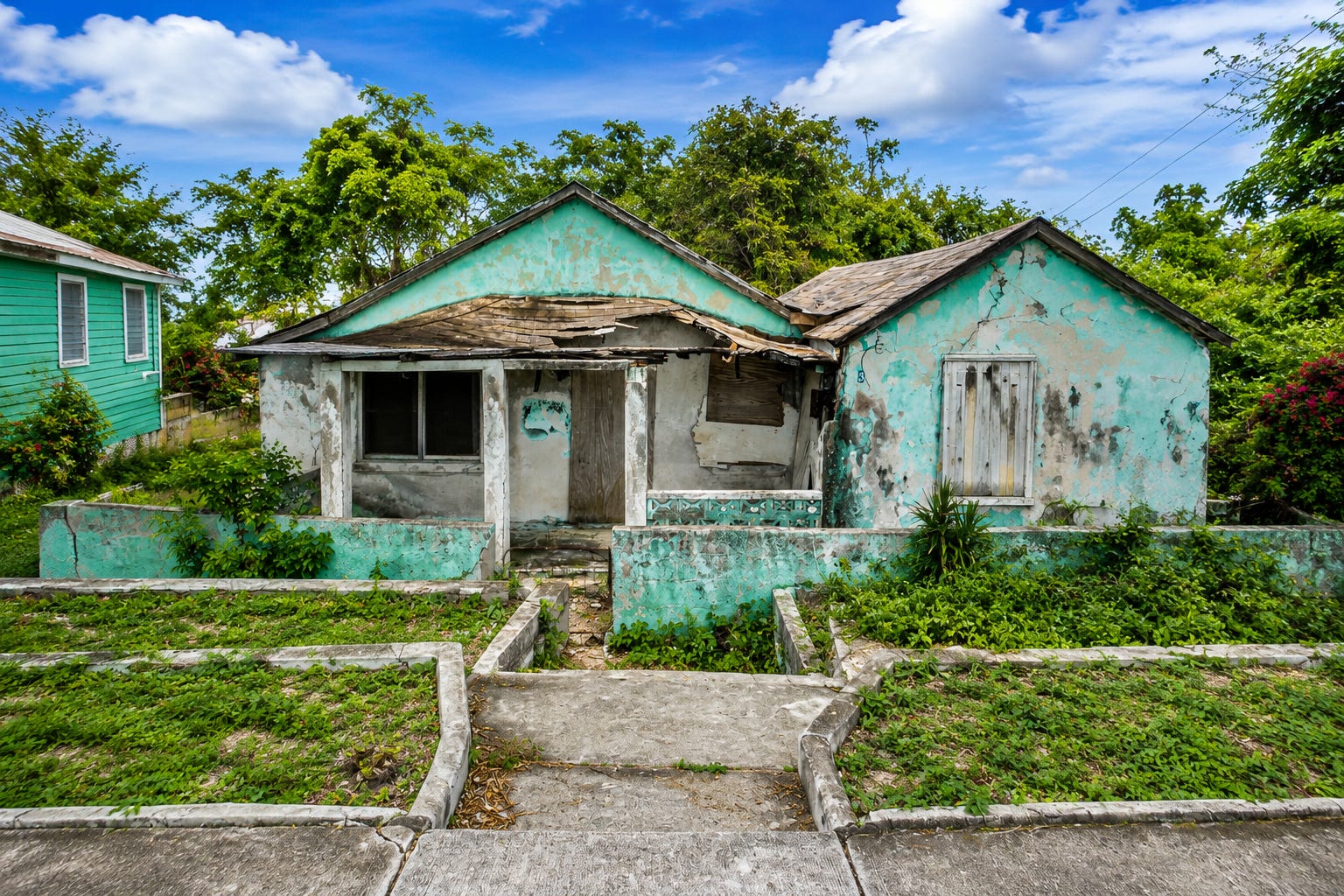
Instead of a smooth transfer of ownership, families can face years of delays, disputes and legal complications. Relatives may disagree about who should inherit. Properties can become vacant. Buildings deteriorate. Taxes go unpaid. In some cases, land becomes effectively frozen while beneficiaries attempt to navigate the legal process.
The result is that assets that could be helping families build wealth instead become liabilities.
Jamaica has long wrestled with what many casually refer to as “dead lef” property. Entire communities contain parcels of land that have passed through generations without formal estate planning. Some families occupy land for decades while ownership remains unresolved. Others discover after a loved one dies that there are missing documents, unknown beneficiaries or competing claims.
The consequences extend beyond individual households.
When ownership remains uncertain, investment is often delayed. Properties cannot easily be sold. Financing becomes more difficult. Development opportunities are missed. Housing stock can deteriorate while legal issues remain unresolved.
In practical terms, that means fewer productive assets contributing to the economy.
It is therefore encouraging that efforts are being made to improve access to mediation and estate administration. Any measure that helps families resolve inheritance issues more quickly could help unlock dormant capital and place assets back into productive use.
However, the larger lesson is prevention.
Making a will is not something reserved for the wealthy. It is relevant to anyone who owns a house, a piece of land, a business, savings, investments or even personal possessions they wish to pass on according to their wishes.
Many Jamaicans still associate wills with bad luck or believe creating one somehow invites misfortune. Yet avoiding the conversation does not prevent uncertainty. It simply transfers the burden to the next generation.
Dean Jones, founder of Jamaica Homes, said the issue highlights an often-overlooked aspect of property ownership.
“Many people focus on buying property, building property or improving property. Far fewer spend time thinking about how that property will be transferred when they are no longer here. Estate planning is one of the most important parts of ownership.”
The reality is that a properly prepared will can save families years of stress and significant expense. It can provide clarity, reduce disputes and ensure that assets are distributed according to the owner’s wishes.
For homeowners wondering where to begin, the process does not need to be complicated.
Property owners should first make a list of assets, including houses, land, bank accounts, investments and businesses. They should identify intended beneficiaries and seek advice from a qualified attorney regarding the preparation of a valid will. The document should then be safely stored and reviewed periodically, particularly after major life events such as marriage, divorce, the birth of children or the acquisition of significant assets.
Families should also have conversations about succession planning before a crisis occurs. While these discussions may feel uncomfortable, they are often far less painful than the disputes that can emerge when no plan exists.
The Government’s figures suggest that billions of dollars in property wealth are currently sitting in limbo. Yet the story is not merely about statistics. It is about homes that could be occupied, land that could be developed and families that could be benefiting from assets intended for them.
In a country where property ownership remains one of the most reliable ways to build long-term financial security, protecting what has been built should not end when the title is issued.
The lesson from this latest announcement is clear. Acquiring property is only part of the journey. Ensuring that future generations can benefit from it may be just as important.
Follow Jamaica Homes on X and Facebook @JamaicaHomes, and on Instagram @jamaica_homes. Send us a message via email us at onlinefeedback@jamaica-homes.com or editor@jamaica-homes.com.