


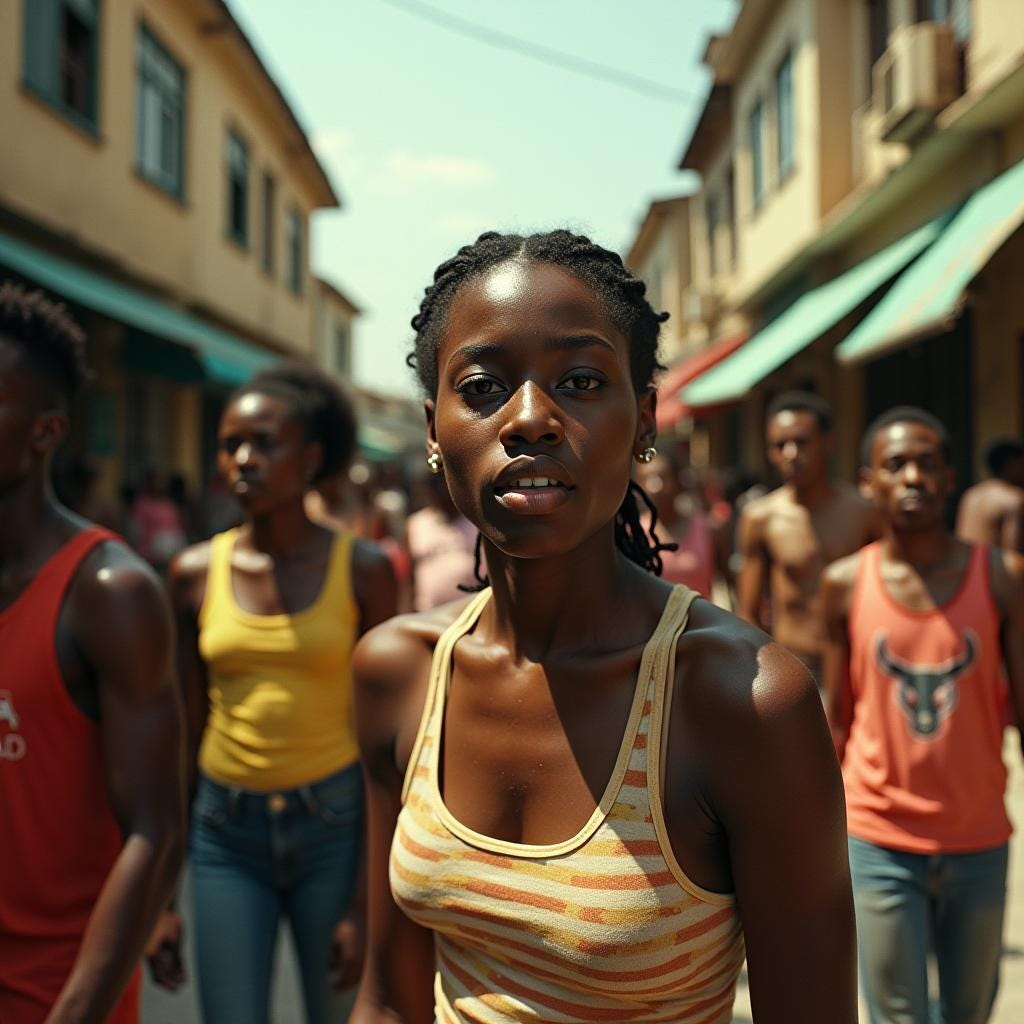
The concept of the “ghetto” in Jamaica is deeply intertwined with the country’s history of colonialism, slavery, political evolution, and social inequality. It is a place of paradox: a space of profound hardship and struggle, yet also a hub of incredible creativity and resilience. From the birth of Jamaica’s music industry to the stories of struggle for land ownership and rights, the ghettos embody the spirit of survival in the face of adversity.
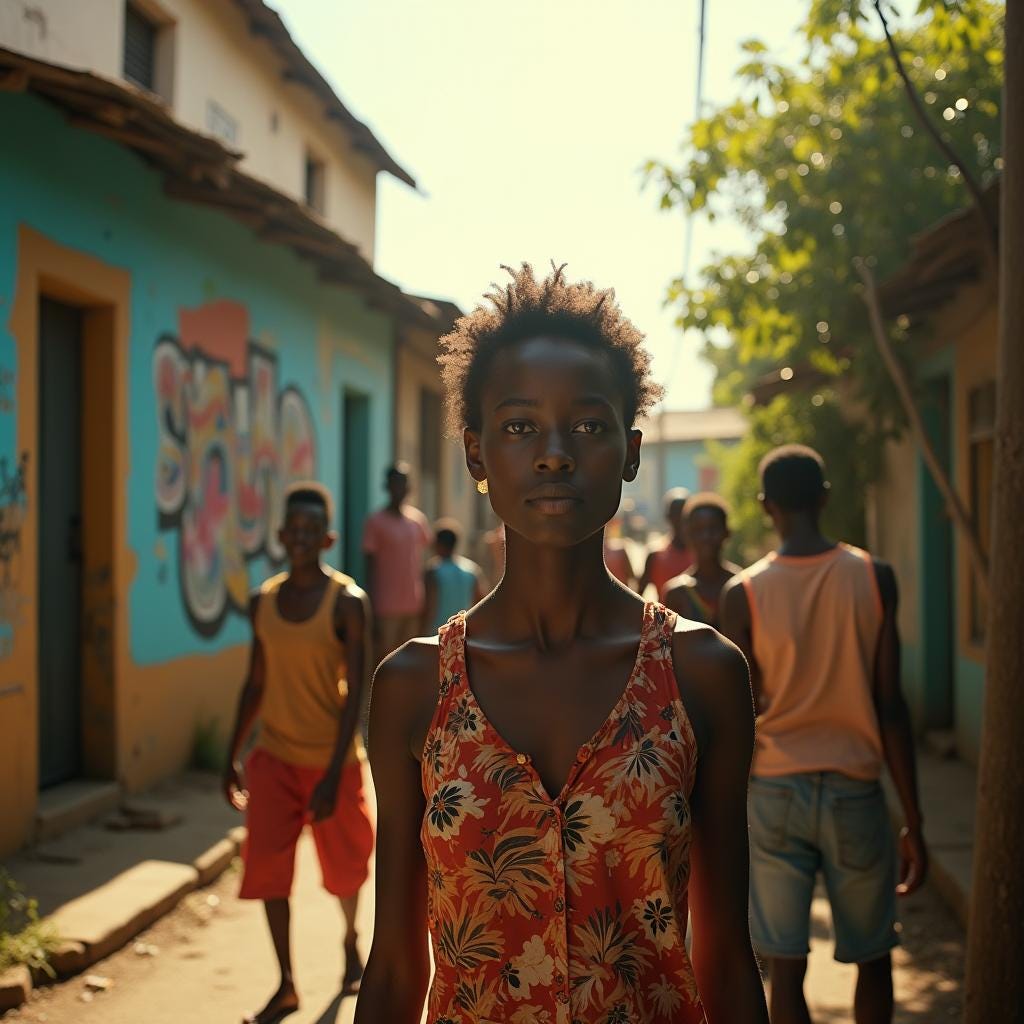
Roots of Inequality: From Slavery to Independence
Jamaica’s ghettos have their roots in the historical inequalities established during slavery. When the British colonized Jamaica in 1655, they built a plantation-based economy reliant on African slave labor. The enslaved Africans were forced to live in the most impoverished conditions, often in makeshift quarters close to plantations. After emancipation in 1838, the newly freed population, who were given little to no access to land or resources, began to form informal communities. This spatial segregation set the foundation for the ghettos we see today.
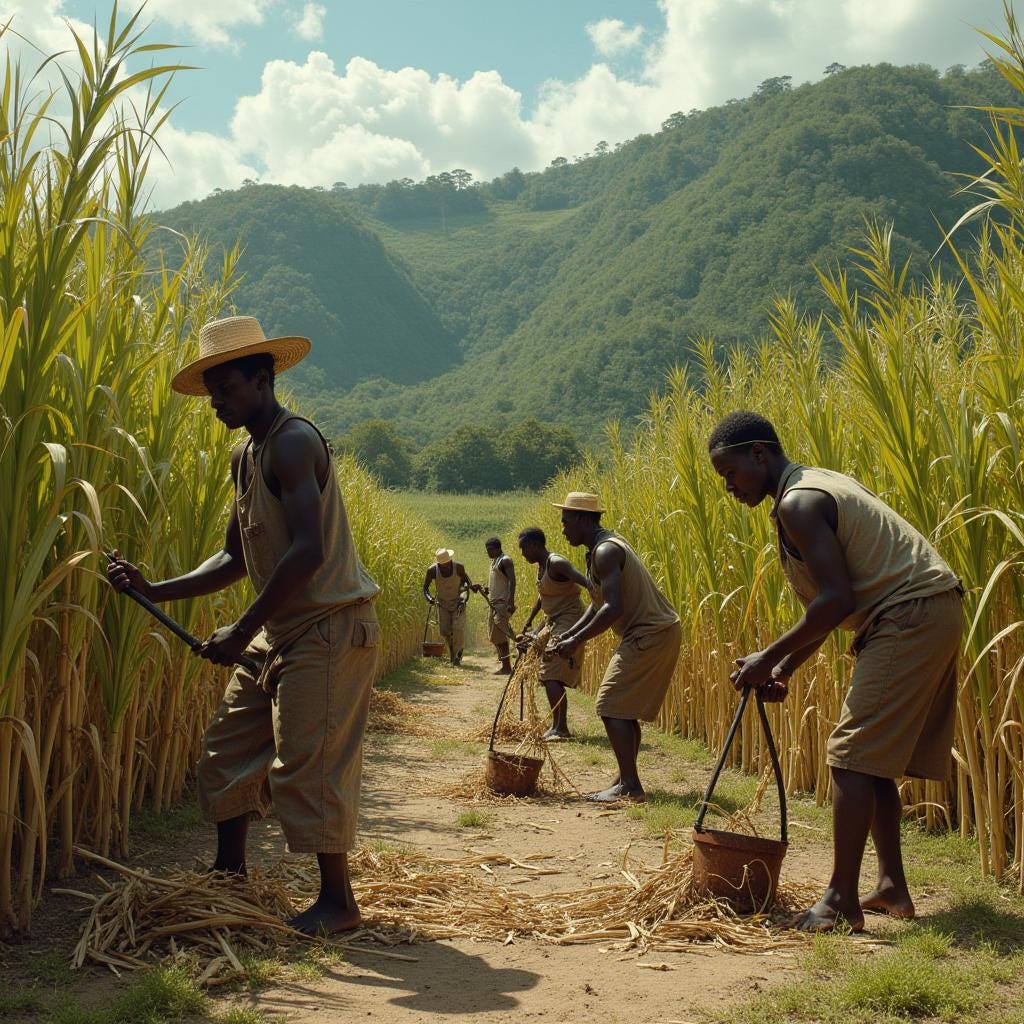
Post-emancipation, the Jamaican elite, largely made up of white or mixed-race landowners, maintained control of most arable land and economic resources. The freed Black population faced a harsh reality—they were free but landless and without capital. Many moved to the cities in search of work, particularly Kingston, where burgeoning slums grew as urban migration surged.
Urbanization and the Growth of Ghettos
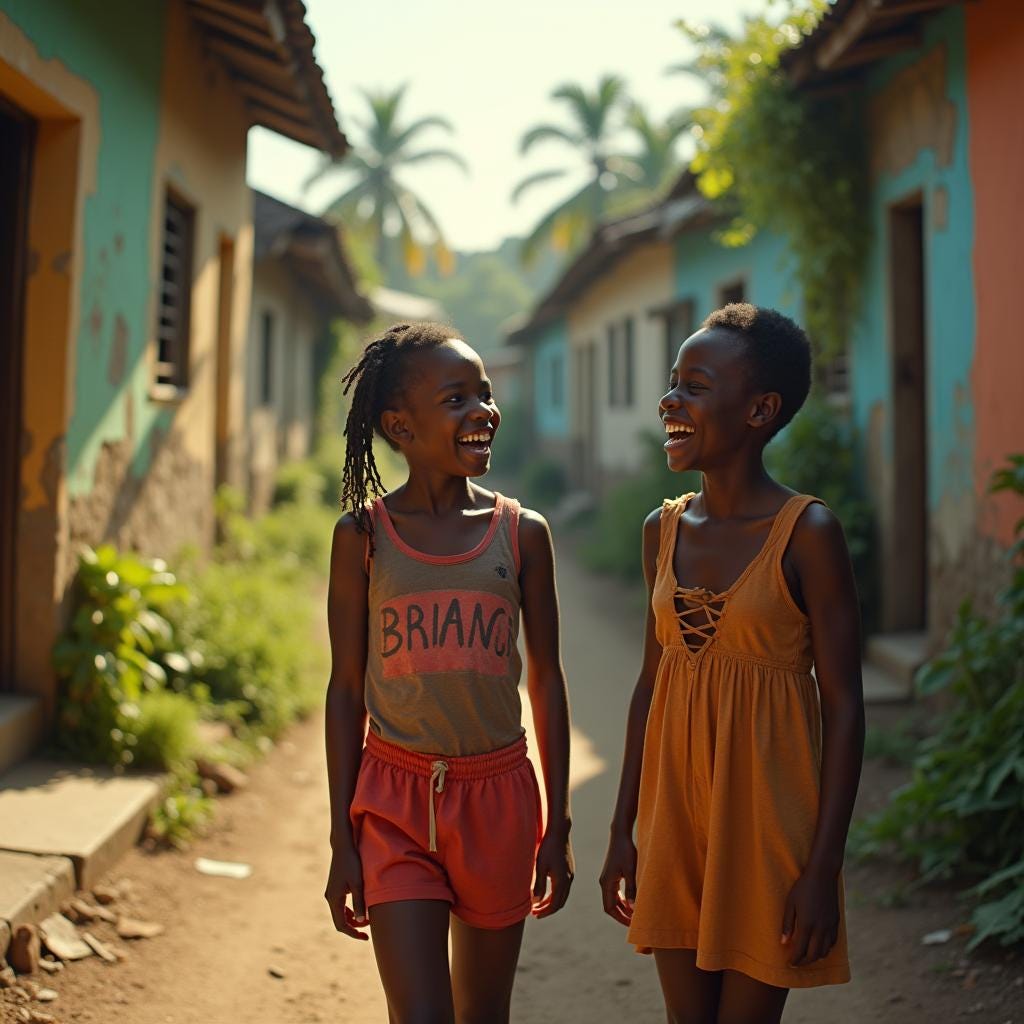
By the early 20th century, with Jamaica still under colonial rule, Kingston had already begun to exhibit the conditions that would give rise to the ghettos. The urban poor, having no legal access to formal housing, settled in makeshift homes on unoccupied land. Areas such as Tivoli Gardens, Trench Town, and Denham Town would become synonymous with the Jamaican ghetto.
The explosion of Kingston’s population during the mid-20th century, following World War II, was fueled by economic struggles and the growing inequalities in rural areas. The movement of people into the city created a demand for housing that far outpaced the government’s ability to provide it. Many of these urban settlers were forced to live in informal settlements, creating the structural foundations of Jamaica’s ghetto communities.
Political Tribalism and the Ghetto
Post-independence Jamaica in 1962 brought optimism but also exposed the entrenched political and economic disparities that would shape the ghettos’ future. Jamaica’s two main political parties, the People’s National Party (PNP) and the Jamaica Labour Party (JLP), used ghettos as political strongholds. Political tribalism and the desire to control key voter bases in Kingston resulted in the creation of politically aligned garrison communities.
The late 1960s and 1970s were marked by political violence, where rival gangs, often supported by political leaders, fought for control of these neighborhoods. Guns were introduced into the ghettos as tools of political power, and what began as a struggle for political dominance spiraled into a pervasive culture of violence. Dons, local leaders often tied to political parties or criminal networks, became de facto rulers of these communities. They provided for residents’ needs in exchange for loyalty and control, creating a complex dynamic of power, protection, and fear.
The political conflicts of the 1970s, particularly between Michael Manley’s socialist PNP and the more conservative JLP under Edward Seaga, entrenched the ghettos as battlegrounds for power. By the 1980s, Jamaica’s ghettos were not only plagued by gun violence but also by economic stagnation, with unemployment and poverty rates skyrocketing.
Gun Violence and Survival
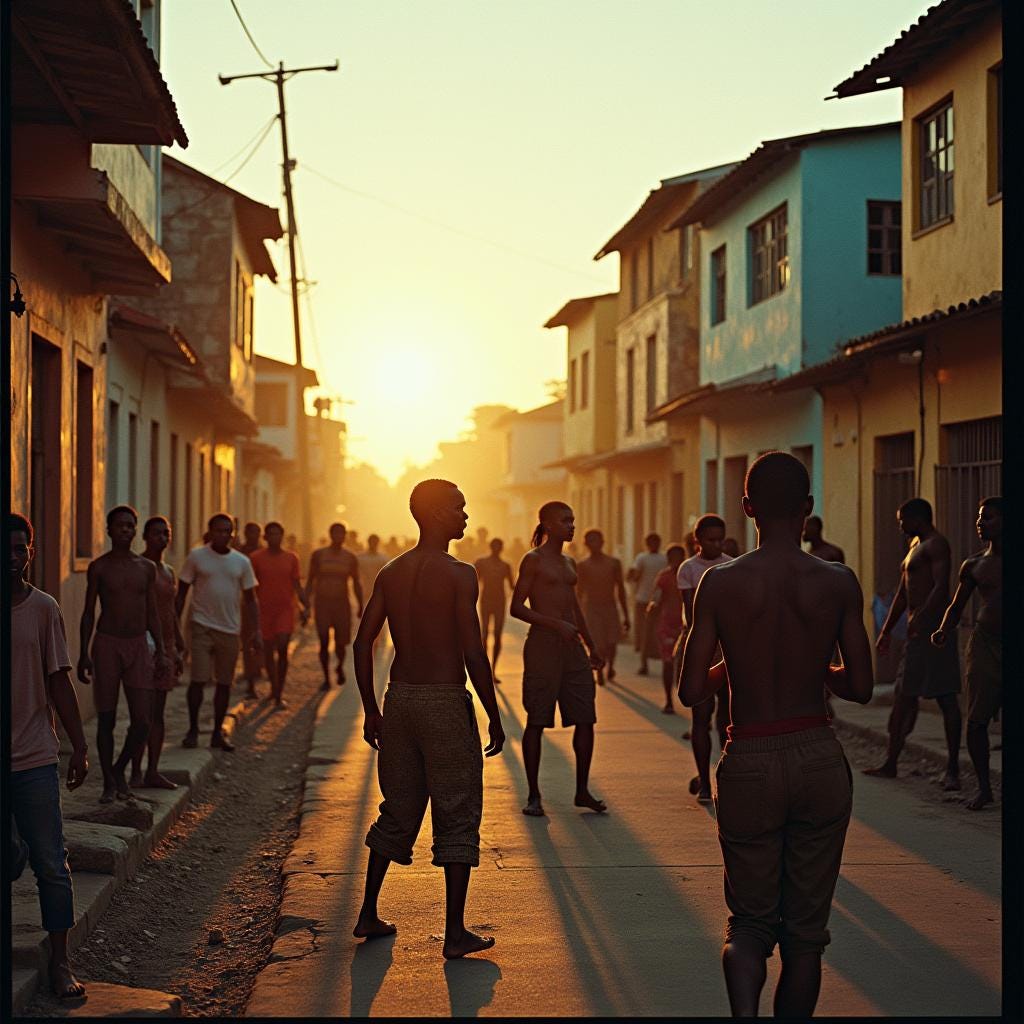
Today, the ghettos in Jamaica remain heavily impacted by gun violence. The prevalence of firearms and the ongoing presence of gangs continue to cast a long shadow over these communities. Despite government attempts at reducing gun crime through initiatives like the Zones of Special Operations (ZOSO), which seeks to bring security and social interventions to high-risk areas, violence remains a persistent issue.
The reality of ghetto life is one of survival. Many residents live in makeshift homes, often constructed from plywood, zinc, and other materials. The lack of proper infrastructure means that electricity, water, and sanitation services are frequently inadequate. Yet, amidst this struggle, residents forge deep community bonds and a sense of identity that defies the limitations of their environment.
Land Ownership and the Struggle for Housing Rights
One of the most pressing issues for residents of Jamaica’s ghettos is land ownership. Many people living in these communities have occupied their homes for decades but lack formal titles. Without a title, residents are vulnerable to eviction, and they cannot use the land as collateral to secure loans or improve their property.
The Jamaican government has made efforts to address this through initiatives like the National Land Agency’s (NLA) Adverse Possession program and the Land Administration and Management Programme (LAMP). Under adverse possession, individuals who have lived on land for 12 or more years without legal challenge can claim ownership. Programs like LAMP are designed to help residents in informal settlements obtain formal land titles, providing a pathway to legal ownership and security.
The government has also initiated housing solutions through agencies like the Housing Agency of Jamaica (HAJ), which aims to regularize informal settlements and provide affordable housing. Despite these efforts, the process is slow, and many remain in limbo, unable to secure formal ownership of their homes.
The Resilience of Creativity: The Cultural Power of the Ghetto

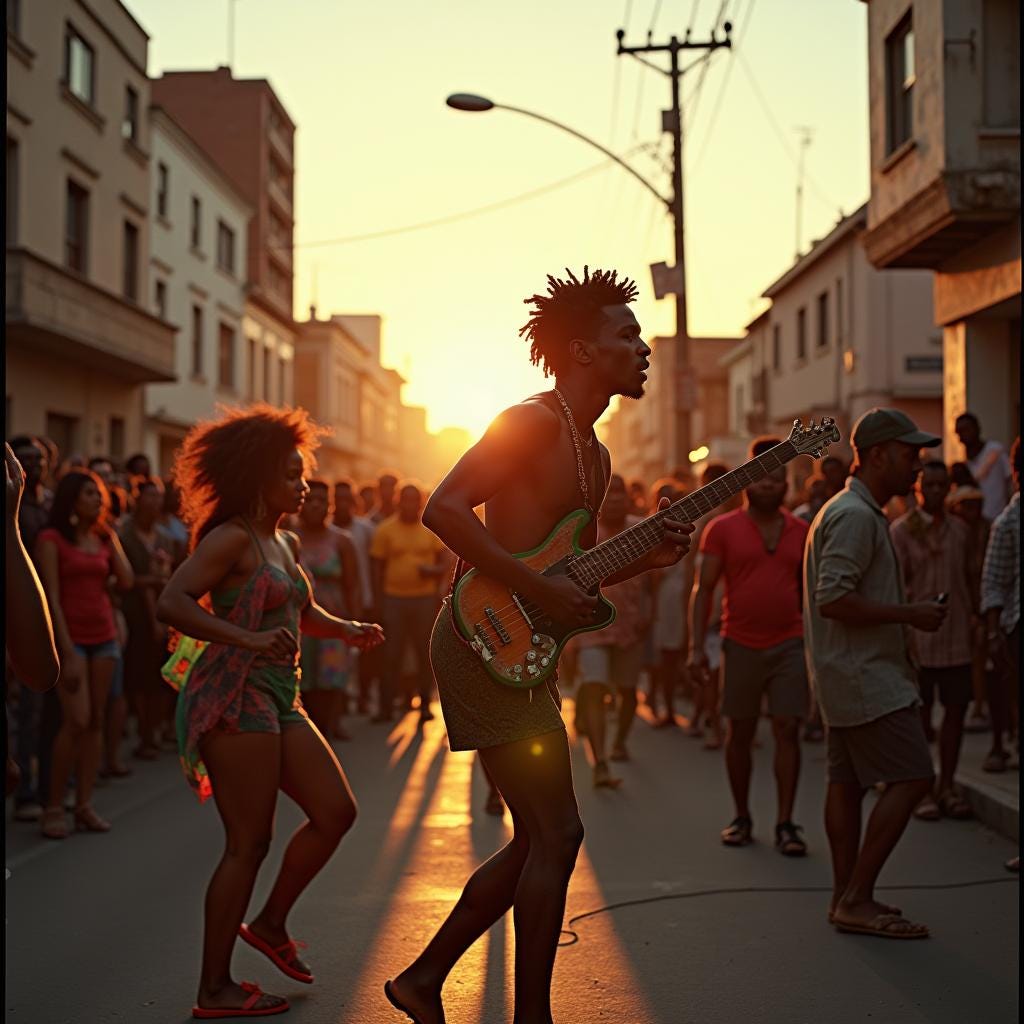
While the ghettos are often associated with violence and poverty, they are also spaces of immense cultural and creative output. Jamaican ghettos have produced some of the island’s most influential artists, musicians, and thinkers. The hardships and struggles of ghetto life have inspired a wealth of art that speaks to the Jamaican spirit of resilience.
Reggae music, the heartbeat of Jamaica, was born in the ghettos. Legends like Bob Marley, Peter Tosh, and Bunny Wailer emerged from Trench Town, drawing on their experiences to craft music that resonated with the global fight for justice and equality. Marley’s lyrics, which speak of revolution, freedom, and love, were deeply rooted in the ghetto experience, and they continue to inspire millions around the world.
The dancehall genre, which evolved from reggae, also found its voice in the ghettos. Artists like Vybz Kartel, Mavado, and Shabba Ranks all rose from these communities, using their music to express the raw realities of ghetto life—its joys, its sorrows, and its unbreakable spirit. Dancehall has not only influenced global music but also fashion, language, and cultural attitudes, especially among the youth.
Beyond music, the ghettos have birthed some of Jamaica’s most talented visual artists, writers, and thinkers. The struggles of the ghetto inspire a depth of creativity that transcends boundaries. Artists use their work to reflect the resilience and complexity of ghetto life, often showcasing beauty amid hardship.
Community Initiatives and the Path Forward
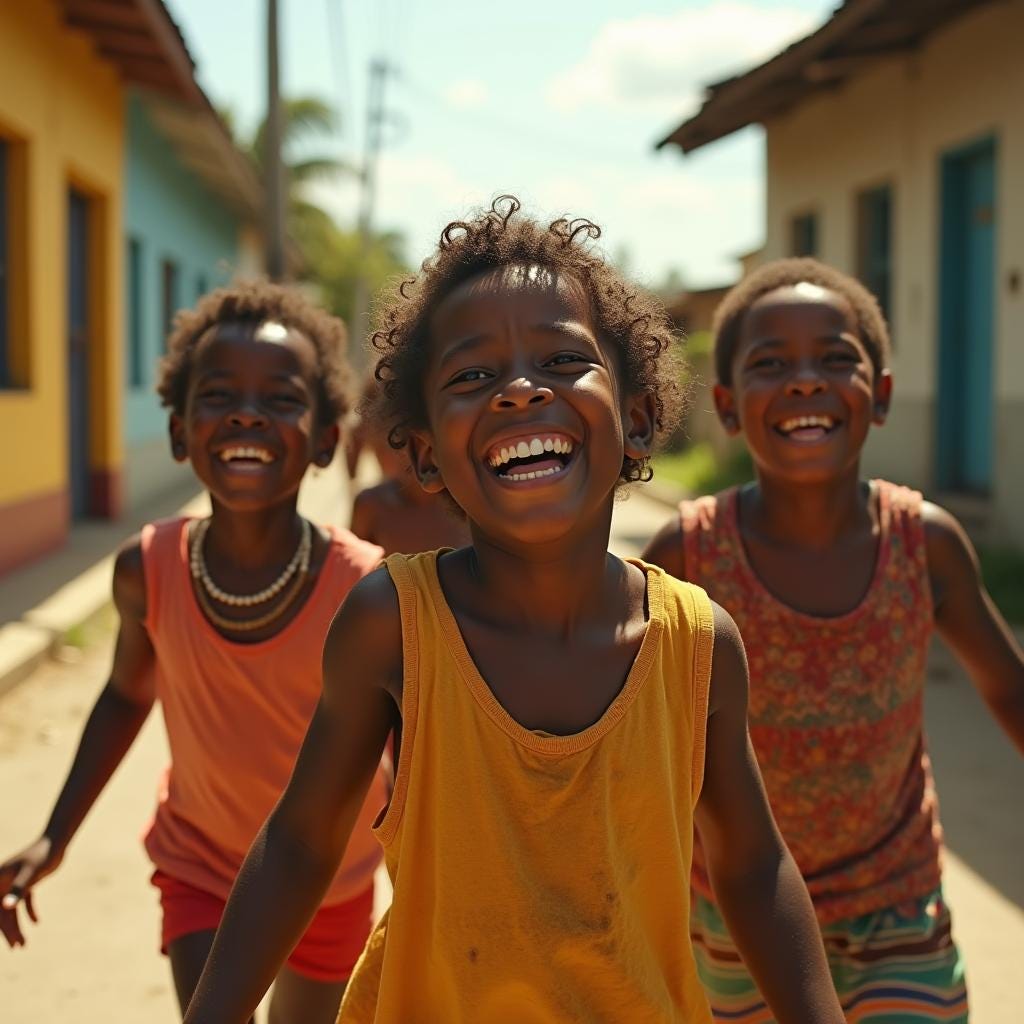
Despite the many challenges faced by Jamaica’s ghettos, numerous initiatives are helping to build a brighter future for residents. Grassroots organizations, often working within these communities, are key to creating change. Programs focused on youth development, education, and violence prevention aim to provide alternatives to gang involvement and offer pathways to a better life.
Rising Stars, Edna Manley College, and other institutions promote the talents of young artists and musicians, helping them turn their creative skills into careers. Educational programs encourage academic success and foster entrepreneurial skills, particularly in the areas of music, fashion, and visual arts.
Government-led programs, like the Jamaica Social Investment Fund (JSIF) and the Citizen Security and Justice Programme (CSJP), aim to improve infrastructure and provide social services to ghetto communities. These initiatives focus on reducing violence, improving education, and offering vocational training to empower residents.
A Future of Possibility
The ghettos of Jamaica are spaces of immense complexity, born from historical injustice and continued political and economic marginalization. Yet, they are also spaces of profound resilience, creativity, and hope. From the deep roots of reggae to the artistry of dancehall, the ghetto has given birth to much of what the world celebrates as quintessentially Jamaican.
The future of Jamaica’s ghettos lies in balancing the need for formalized land ownership, economic development, and the preservation of the vibrant culture that has emerged from these communities. As government programs evolve and grassroots organizations continue to work on the ground, there is potential for the ghettos to transform into spaces not defined by poverty or violence but by opportunity and hope.
Jamaica’s ghettos are not just physical spaces—they are a testament to the human spirit’s capacity to endure, to create, and to rise above. They are the heart of Jamaica’s cultural identity, and their legacy will continue to shape the island for generations to come.