

The Great Caribbean Wealth Illusion
Why So Many Jamaican Families Lose Land, Property, Businesses, and Inheritance Within Three Generations


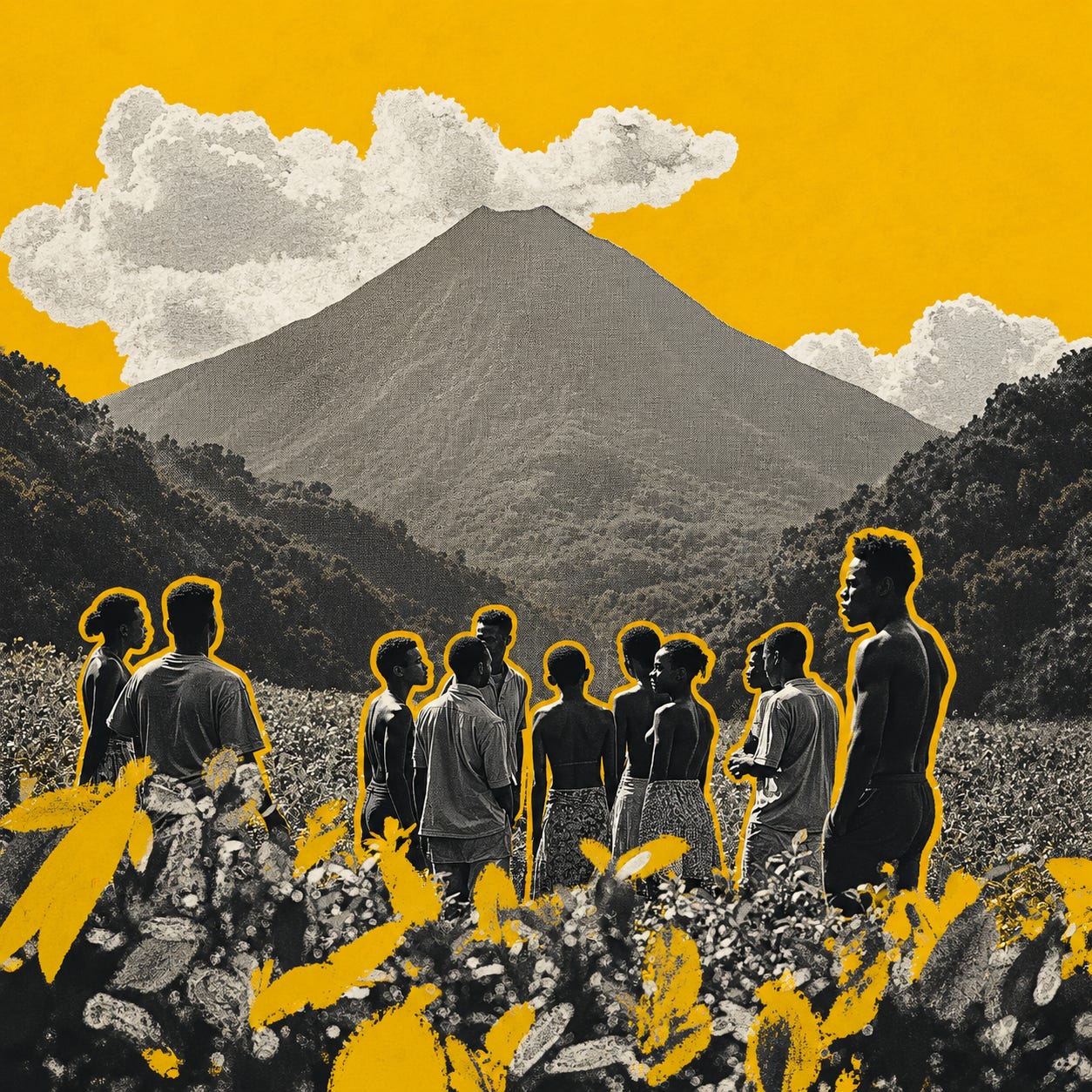
For generations across Jamaica and the Caribbean, families have repeated the same painful sentence after someone dies:
“We never thought it would end up like this.”
One house becomes ten relatives fighting in court. One piece of family land becomes a legal nightmare stretching across decades. Brothers and sisters who once ate at the same table stop speaking to each other. Cousins overseas suddenly appear claiming ownership rights. Lawyers remain involved for years while legal costs quietly consume the very asset everyone is fighting over.
This is not rare in Jamaica. It is woven into the reality of Caribbean inheritance.
And the uncomfortable truth is this: many families believe they are passing down wealth when in reality they are often passing down unresolved legal exposure, fragmented ownership, debt, confusion, and emotional conflict.
Globally, wealth advisers often quote a striking pattern:
• Around 70% of wealthy families lose their wealth by the second generation
• Around 90% lose it by the third generation
In other words, the grandchildren generation.
The exact figures are debated, but the pattern itself is widely accepted across wealth management, family office, and inheritance planning industries worldwide.
There is a reason almost every culture has its own version of this warning.
In English speaking countries, the phrase is:
“Shirtsleeves to shirtsleeves in three generations.”
In Japan:
“Rice paddies to rice paddies in three generations.”
In the Netherlands:
“Clogs to clogs in three generations.”
Across Europe:
“From stable to stars and back to stable.”
Different cultures. Same outcome.
The collapse of inherited wealth is not simply about bad investing. It is usually about human behaviour, family fragmentation, legal complexity, weak planning, and the emotional realities of money itself.
Jamaica Understands This Story Better Than Most
In Jamaica, inheritance is rarely just about money.
It is about land.
It is about survival.
It is about identity.
It is about migration.
It is about family pride.
It is about who stayed and who left.
It is about who “helped build the house.”
It is about who sent barrels from overseas.
It is about who paid taxes.
It is about who cared for elderly parents.
It is about who believes they deserve more.
That is why inheritance disputes across Jamaica often become deeply personal and emotionally explosive.
The Caribbean has long operated with a mixture of formal law and informal family arrangements. Verbal promises carry enormous weight socially, even when they carry little weight legally.
Families frequently assume things will simply “work out.”
Often, they do not.
Across Jamaica, Trinidad, Barbados, Guyana, and elsewhere in the region, legal practitioners repeatedly encounter similar problems:
• People dying without wills
• Family land with unclear ownership history
• Informal houses built on inherited property
• Relatives overseas returning years later claiming shares
• Estates trapped in probate disputes
• Businesses collapsing after the founder dies
• Siblings locked in legal warfare for years
And unlike wealthy dynasties with teams of lawyers, accountants, tax advisers, and corporate structures, ordinary Caribbean families often own everything personally.
One house.
One shop.
One apartment building.
One piece of land.
One family business.
All sitting directly in an individual’s name.
That structure becomes incredibly vulnerable after death.
The Middle Class Trap Nobody Talks About
One of the biggest myths in the Caribbean is that estate planning is only for billionaires.
In reality, some of the worst inheritance disasters happen inside ordinary middle class families.
This is because many people spend their entire lives building assets but never build systems around those assets.
They buy property personally.
They run businesses personally.
They collect rent personally.
They leave verbal instructions.
They avoid difficult conversations.
They delay writing wills.
They assume children will cooperate.
Then death arrives unexpectedly.
At that point, families often discover something deeply uncomfortable:
Ownership and control are not the same thing.
A person may spend forty years paying for a property, but once they die, legal systems take over. Probate, taxes, disputes, missing documentation, contested claims, and court procedures suddenly determine what happens next.
And in many cases, heirs inherit obligations before they inherit freedom.
Wealth Is Easier to Inherit Than Wisdom
The first generation often builds wealth through sacrifice.
Long hours.
Risk.
Fear.
Migration.
Hardship.
Discipline.
Scarcity.
Many Caribbean success stories begin with people who had almost nothing.
But by the third generation, the emotional relationship with money often changes dramatically.
Children may still understand the struggle because they personally knew the founder.
Grandchildren often inherit the lifestyle without inheriting the survival instincts.
The money begins to feel permanent.
That psychological shift matters enormously.
Someone who spent twenty years building a business tends to think differently about spending than someone born into financial comfort. Wealth creators often fear losing everything because they remember life before success. Later generations may never develop the same caution, urgency, or resilience.
This is one reason inherited wealth frequently weakens over time.
The Quiet Destruction of Fragmentation
Even large fortunes shrink surprisingly quickly once divided repeatedly.
A family owns one valuable property.
It passes to four children.
Then to twelve grandchildren.
Then to multiple great grandchildren.
Soon dozens of people may have legal interests connected to a single asset.
Some want to sell.
Some refuse.
Some migrated overseas decades earlier.
Some cannot be located.
Some need money urgently.
Some distrust each other completely.
The asset becomes paralysed.
Across the Caribbean, there are countless examples of valuable land sitting underused or legally frozen because ownership has become too fragmented to manage effectively.
This is one reason why many wealthy families globally rarely leave assets directly to individuals without structure.
Instead, they increasingly use:
• Trusts
• Holding companies
• Family companies
• Estate planning vehicles
• Foundations
• Structured governance systems
The wealthy often do not “own” assets in the way ordinary people imagine.
Their businesses own assets.
Their holding companies own businesses.
Trusts may control shares.
Loans may replace salaries.
Different entities separate risk, taxation, operations, and inheritance exposure.
Meanwhile, many ordinary families continue placing everything directly into personal ownership structures that become legally vulnerable after death.
This is not conspiracy theory. It is simply how sophisticated wealth management operates globally.
The Dangerous Illusion of Looking Rich
One of the most important realities about wealth is this:
Looking wealthy and remaining wealthy are completely different things.
Many families maintain appearances long after their financial foundations begin weakening.
Larger homes.
Luxury vehicles.
Private schools.
International travel.
Social status.
Maintenance costs.
Legal disputes.
Lifestyle inflation.
These things quietly consume capital.
The problem becomes worse when younger generations inherit lifestyles they cannot realistically sustain.
In some cases, descendants become custodians of appearances rather than creators of value.
That is when decline accelerates.
Wills Are Still Shockingly Uncommon
Despite the risks, huge numbers of people still die without valid wills.
In the UK, studies suggest only around 37% to 44% of adults have wills.
In the United States, surveys often place the number somewhere between 30% and 50%.
Across the Caribbean, many legal practitioners believe the percentage with proper wills is even lower.
The reasons are familiar:
• People think they are too young
• They believe they do not own enough
• They fear discussing death
• Legal services feel intimidating or expensive
• Families assume relatives will cooperate informally
But when no clear instructions exist, inheritance disputes become far more likely.
In Jamaica especially, where land ownership, migration, informal arrangements, and family complexity frequently intersect, dying without a will can create consequences lasting generations.
The Real Crisis Is Not Financial
One wealth consultancy study famously argued that around 60% of wealth failures come not from poor investing, but from breakdowns in communication and trust inside families.
That finding feels deeply relevant to the Caribbean.
Because many inheritance battles are not really about property.
They are about unresolved family tensions that existed long before death.
Money simply exposes them.
The child who felt excluded.
The sibling who carried more responsibility.
The overseas relative who believes they contributed financially.
The family member who stayed home caring for elderly parents.
The hidden resentments nobody discussed openly.
Death often turns those tensions into legal warfare.
The Wealthy Understand Something Many Ordinary Families Do Not
The truly wealthy rarely think only about assets.
They think about continuity.
They build systems designed to outlive individuals.
That means:
• Succession planning
• Governance structures
• Tax planning
• Financial education
• Business continuity
• Family constitutions
• Asset protection
• Trust structures
• Shareholder agreements
Many ordinary families never reach that stage because survival consumes most of life.
But the growing Caribbean middle class now faces a serious reality.
More people own homes.
More people own land.
More people own apartments.
More people own small businesses.
More people have overseas assets.
More people have mixed nationality families.
That means inheritance complexity is rising rapidly across the region.
A Caribbean Wake Up Call
The great wealth transfer is already happening globally.
Trillions of dollars and pounds are expected to move from older generations to younger ones over the coming decades.
But across Jamaica and the Caribbean, one uncomfortable question remains:
Are families actually prepared for what happens after death?
Because wealth is not preserved simply by acquiring property.
Sustainable wealth requires structure.
It requires communication.
It requires planning.
It requires emotional maturity.
It requires documentation.
It requires difficult conversations before crisis arrives.
Money can be transferred in a will.
Wisdom usually cannot.
And that may be the real reason wealth so often disappears by the grandchildren generation.