

The Heartbeat of the Ghetto: Jamaica’s Inner-City Pulse
A living system shaped by culture, struggle and survival, where community endures beyond the reach of formal property and power


There is a rhythm to the inner city that outsiders often misunderstand. It is not only the bassline of a sound system rolling through a narrow lane, or the echo of voices carried across zinc fences in the late afternoon. It is something deeper, more persistent. A social pulse that has outlived governments, outlasted economic cycles, and endured in places where formal systems have long struggled to take root. To call it simply “the ghetto” is to flatten a landscape that is, in truth, one of the most complex human environments in the Caribbean.
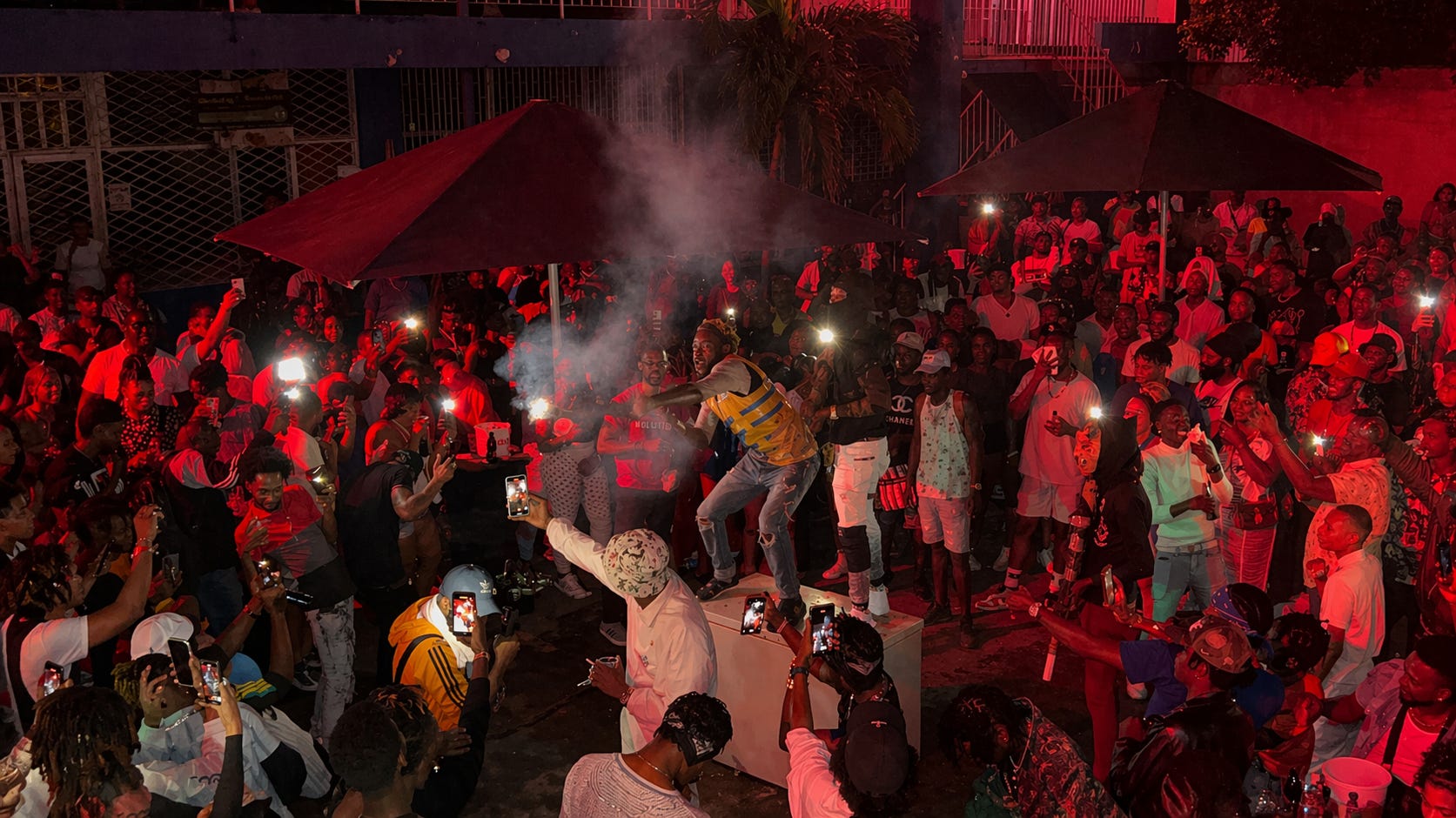
The heartbeat of these communities does not come from policy. It does not come from infrastructure plans, or from mortgage markets, or from the careful language of development reports. It comes from people who have learned to build continuity out of uncertainty. It comes from relationships that stretch across decades, from shared memory, from culture, and from the quiet but constant negotiation of survival. It is here, in places like Trench Town, that Jamaica has repeatedly rediscovered itself.
Reggae music did not just emerge from the inner city. It was shaped by it, refined by it, and broadcast its truths to the world. The voice of Bob Marley was not simply artistic expression. It was reportage. It was testimony. It carried the language of yards and corners into global consciousness, translating hardship into something that could be heard, felt, and understood across continents. Yet to focus only on music is to miss the deeper architecture beneath it. Reggae is not the heartbeat. It is the echo of it.
Walk through an inner city yard and the structure reveals itself. There are no clean lines or master plans. Houses lean into each other, expanded room by room as families grow or circumstances shift. Corridors double as social spaces. Boundaries are understood rather than drawn. Ownership, in the legal sense, is often absent, but occupation is unquestioned. The land may not exist on a formal title, but it exists in memory, in agreement, in lived reality. This is not a failure of organisation. It is a different kind of organisation, one that prioritises continuity over documentation.
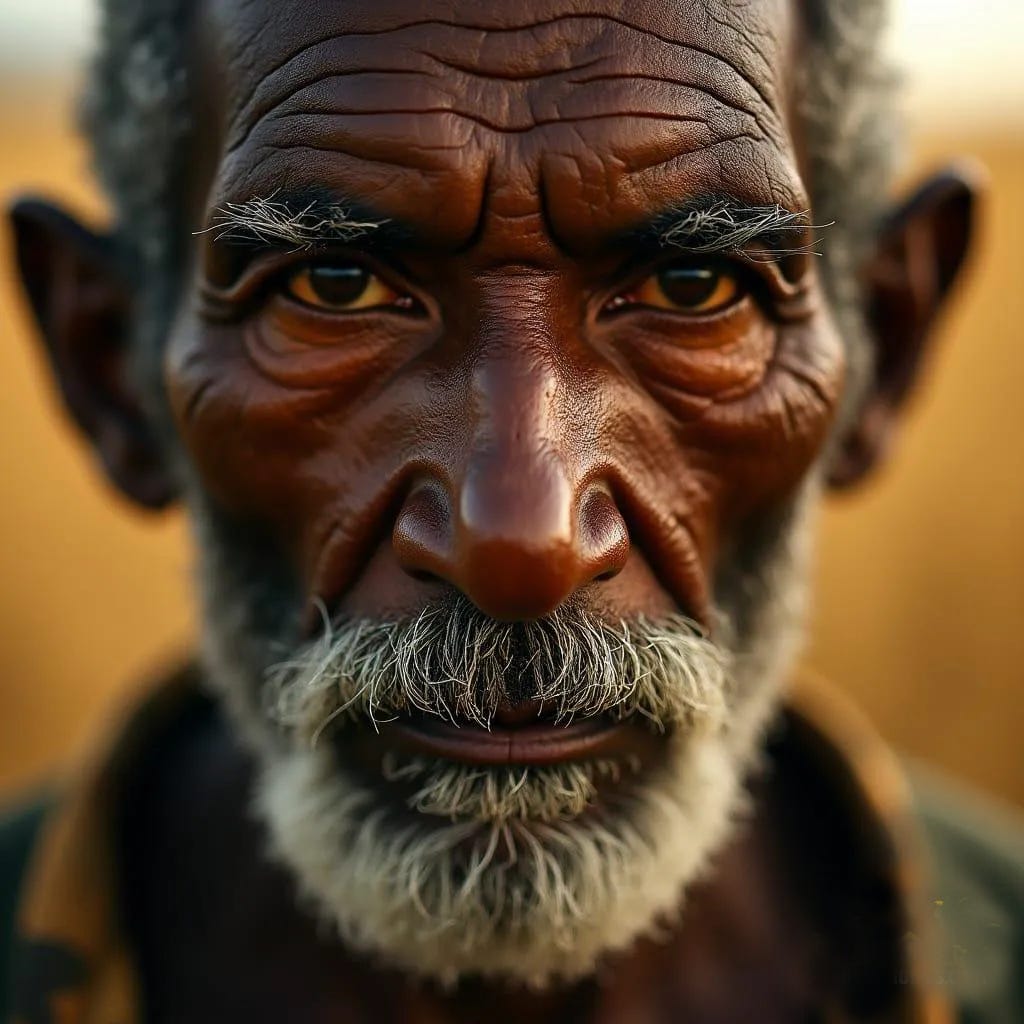
Dean Jones, founder of Jamaica Homes, sees this disconnect clearly. “What you have in the inner city is not an absence of investment,” he says. “It is an absence of recognition. People are investing in their homes every day, adding rooms, improving structures, creating value in real terms. But because it sits outside the formal system, it is not counted, it is not financed, and it is not protected.”
That absence of recognition shapes everything. Without formal title, property cannot easily be leveraged. Without leverage, wealth cannot accumulate in the way it does elsewhere. And yet the effort is there. The labour is there. The intention to build something lasting is unmistakable. It exists in every block laid, every extension added, every attempt to create stability within an unstable framework.
The inner city is often described through the lens of crime, and it would be dishonest to ignore that reality. Violence has carved deep lines through many communities, fracturing trust and shaping daily behaviour. It has imposed its own form of order, sometimes filling gaps left by absent systems, sometimes deepening the very instability it claims to control. But to reduce these areas to crime alone is to misunderstand the balance that residents navigate. The same street can hold both fear and familiarity. The same neighbour can be both protector and risk. Life here is rarely one thing at a time.
What holds it together, then, is not law in the formal sense. It is a network of relationships that functions with remarkable resilience. Childcare is shared. Food is shared. Information is shared. There is an understanding that survival is collective. If one household struggles, others step in, not out of charity but out of necessity. The system works because it must.
Faith plays its part. Churches and local leaders provide moral anchors, offering guidance and support where formal structures are distant or distrusted. Their influence is not always visible in statistics, but it is felt in behaviour, in decision making, in the quiet reinforcement of values that keep communities from tipping into complete disorder. They do not eliminate hardship, but they shape how it is endured.
And then there is the culture. Not as spectacle, but as structure. Language, music, humour, and shared references create a sense of belonging that is both immediate and enduring. A young person growing up in these communities inherits not only the challenges of the environment, but also its creative legacy. It is no coincidence that some of Jamaica’s most influential cultural exports originate here. Creativity thrives where expression becomes a form of release, and where storytelling becomes a way of making sense of complexity.
Yet for all its strength, the heartbeat is under strain. Economic pressure is constant. Opportunities remain uneven. The formal real estate market, driven by rising prices and external investment, often moves in a different direction entirely. In some cases, it moves around these communities rather than through them, bypassing the very people who have held the land together for generations. In others, it moves toward them, bringing the risk of displacement as value is finally recognised but not always retained by those who created it.
Jones points to this tension as one of the defining challenges ahead. “If you formalise without protecting, you risk pushing people out of the very spaces they built,” he says. “But if you do nothing, you leave them locked out of the wealth that property can create. The answer has to be more thoughtful than either extreme.”
The question, then, is not simply how to develop these areas, but how to do so without erasing what makes them function. The informal systems that hold communities together cannot be replaced overnight by formal ones. Nor should they be. They carry knowledge, history, and relationships that no external plan can replicate. The challenge is to build bridges between the two, to create pathways into the formal economy that do not require abandoning the social structures that already exist.
There is a tendency, particularly from outside, to see the inner city as something to be fixed. But that perspective misses an essential truth. These communities are not waiting to be saved. They are already operating, already adapting, already producing value in ways that are not always visible to conventional systems. The task is not to impose order, but to recognise and support the order that is already there.
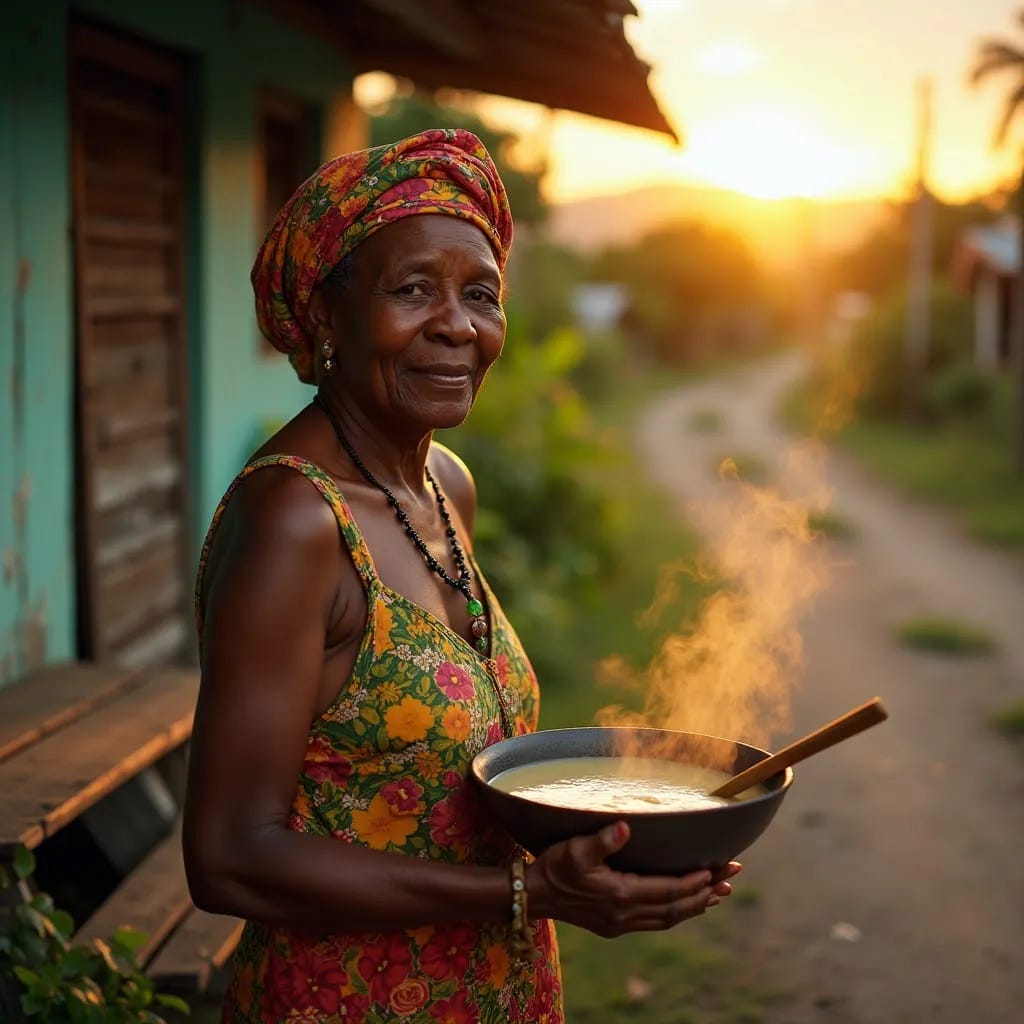
In this sense, the heartbeat of the ghetto is both fragile and formidable. Fragile because it exists under constant pressure, from economic forces, from crime, from neglect. Formidable because it has endured despite all of these, sustaining life in conditions that would challenge far more structured environments.
As the sun sets over Kingston, the rhythm becomes more audible. Music drifts through the air, conversations continue across yards, and the day folds into night without a clear boundary. Life does not pause. It recalibrates. The same networks that carried the day carry the night. The same relationships that held the morning hold the evening.
This is not a romantic story. It is not a simple one. It is a story of contradiction, of resilience and risk existing side by side. But it is also a story of continuity, of a human system that has learned to sustain itself in the absence of many things that others take for granted.
To understand the inner city is to understand that its heartbeat is not something that can be engineered. It is something that has been built, piece by piece, over time. It is carried in people, not plans. And if there is a future in which these communities are more fully integrated into Jamaica’s formal economy, it will only succeed if that heartbeat is not lost in the process.