

The House That Raised You… or the One That Will Carry You Forward? Jamaica’s Quiet Property Crossroads
A deeply personal decision shaped by changing needs, rising maintenance realities, and the quiet truth that in Jamaica, the right home for your next chapter may not be the one that carried your last


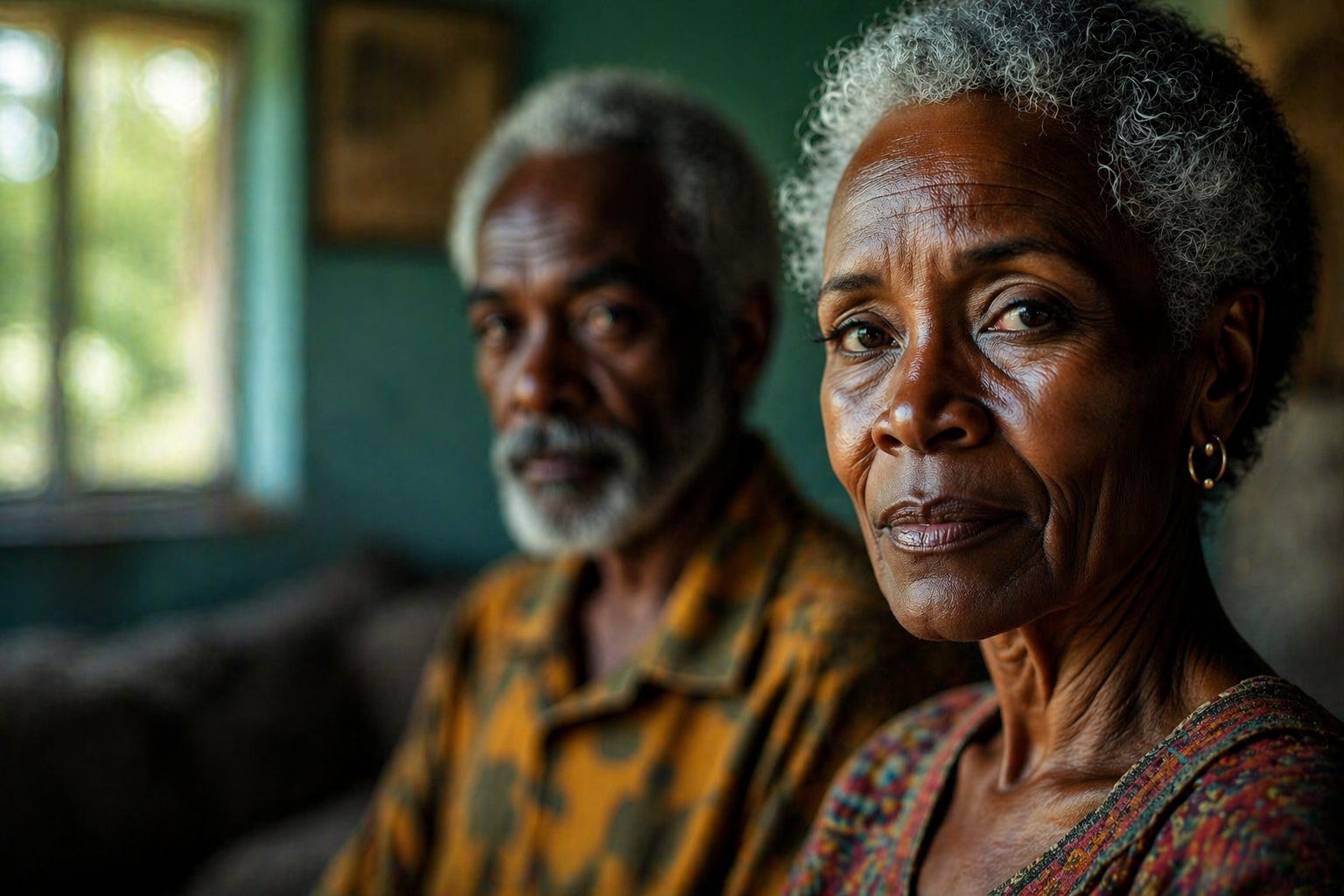
At a certain stage in life, the question doesn’t arrive loudly. It doesn’t knock. It settles.
It might come as you pause halfway up a staircase.
Or when the yard you once loved begins to feel like a weekly obligation instead of a weekend joy.
Or when you stand in a room filled with memories and wonder, quietly, what comes next.
“Should I stay here… or is it time to move?”
In Jamaica, that question carries a different weight.
Because a home here is rarely just a structure. It is inheritance, identity, and often sacrifice stitched into concrete and timber. It is the place where Sunday dinners stretched long into the evening, where children grew, where storms passed, and where resilience quietly took root.
So when the idea of leaving enters the conversation, it is not simply practical. It is deeply personal.
And yet, it is a conversation worth having.
The Jamaican Reality: Why Most People Want to Stay
If you ask most Jamaicans, especially those who have spent decades in one home, the answer is almost immediate.
“I’d rather stay right here.”
That instinct is not surprising. In a country where land ownership is both a milestone and a shield against uncertainty, staying put feels like stability. Many homeowners built or bought their homes during a time when doing so required immense effort, patience, and often community support.
Walking away from that is not easy.
But wanting to stay and being able to stay comfortably are not always the same thing.
And that is where careful thinking, not rushed decision-making, becomes essential.
What Staying Really Means as You Age
Staying in your home long-term is absolutely possible in Jamaica. Many do it. Many prefer it.
But the version of your home that worked perfectly ten or twenty years ago may not fit you in quite the same way today.
This is not about fear. It is about foresight.
A home evolves, just as the people inside it do.
Sometimes, the changes required are small. A safer bathroom setup. Better lighting. A railing where there wasn’t one before.
Other times, the changes are more structural. Reconfiguring space. Bringing essential living areas onto one level. Reducing the need to climb, lift, or strain.
And in Jamaica, there is an added layer.
Maintenance.
Roofs need attention. Water systems need monitoring. Yards grow quickly under a tropical sun. Salt air in coastal areas quietly wears things down over time. Even the most well-built home requires consistent care.
What once felt manageable can, over time, become demanding.
“A house doesn’t become difficult overnight. It changes slowly, until one day you realise you’ve been adjusting your life around it instead of it serving you.” — Dean Jones
That moment, when it comes, is not a crisis. It is simply a signal.
Planning Ahead Without Panic
The mistake many people make is thinking this decision must be made urgently.
It does not.
In fact, the most powerful position you can be in is one of time.
Time allows you to explore options without pressure.
Time allows you to spread out costs.
Time allows you to make decisions from clarity, not necessity.
If you are considering staying, planning ahead might involve:
Understanding what updates your home may eventually need
Researching local contractors and realistic costs in Jamaica
Thinking about how your daily routines might change over the next decade
Looking at support systems, whether family, community, or hired help
In Jamaica, where formal support systems can vary and family often plays a central role, these considerations matter even more.
Because staying is not just about the house. It is about the ecosystem around it.
When Staying Starts to Feel Like Holding On
There is a subtle shift that happens for some homeowners.
The home that once simplified life begins, quietly, to complicate it.
This does not mean something has gone wrong. It simply means life has moved forward.
You might notice it in small ways.
Tasks take longer.
Spaces feel harder to navigate.
Maintenance feels heavier than it used to.
Or perhaps the issue is not the house at all.
Perhaps it is distance from family.
Access to healthcare.
Or simply a desire for a different pace of life.
And sometimes, it is not about necessity.
It is about choice.
A desire to simplify.
To reduce responsibility.
To live in a way that aligns more closely with the life you want now, not the one you built before.
There is a quiet wisdom in recognising that.
The Case for Moving: Not Loss, But Alignment
In Jamaica, the idea of selling a long-held home can feel like letting go of something sacred.
But it is worth reframing.
Moving is not always about loss.
Sometimes, it is about alignment.
It might mean transitioning to a smaller, more manageable home.
It might mean relocating closer to children or support networks.
It might mean choosing a property that requires less upkeep and offers more ease.
And increasingly, across Kingston, St. Andrew, and beyond, there are housing options emerging that reflect these needs. Townhouses, apartments, and gated communities designed for lower maintenance living are becoming more common.
Not perfect. Not always accessible to everyone. But present.
The key is understanding what your version of “easier” looks like.
Because it is not the same for everyone.
“Downsizing isn’t about shrinking your life. It’s about removing the weight that no longer adds value to it.” — Dean Jones
The Financial Layer: Jamaica Is Not the U.S.
Much of the advice online about ageing and housing is rooted in markets like the United States.
Jamaica is different.
Access to financing, cost of renovations, availability of insurance, and even the pace of property transactions operate under different realities.
Renovation costs can be unpredictable.
Labour availability can vary.
Import costs affect materials.
And property values, while rising in many areas, are influenced by factors that do not always mirror international trends.
So while the concept of “ageing in place” is universal, the execution must be local.
Careful. Grounded. Realistic.
And above all, personal.
The Role of the Right Agent: Not Just Selling, But Guiding
There is a misconception that real estate agents only come into the picture when you are ready to sell.
That is too late.
The right agent should be part of your thinking process long before a decision is made.
Not to push you toward selling.
But to help you understand your options clearly.
A good agent can help you assess:
Which updates add real value in the Jamaican market
What your home might realistically sell for today
What alternatives exist within your budget and preferred areas
How timing could impact your decision
In a market like Jamaica’s, where information is not always perfectly transparent, this guidance is not just helpful. It is essential.
A Thought That Might Stay With You
There is a quiet truth that sits beneath all of this.
The home that served you faithfully for decades has already done its job.
The question now is not whether it is good enough.
The question is whether it still fits the life you are living.
And that is not a question of loyalty.
It is a question of wisdom.
“Your home should support the life you’re living now, not anchor you to the life you’ve already outgrown.” — Dean Jones
The Truth, Because Life Needs One
Owning a large house in Jamaica can sometimes feel like owning a small resort… except you are the guest, the manager, the gardener, the maintenance team, and the accountant all at once.
And at some point, even the most committed “staff member” starts to ask for a lighter workload.
So… Stay or Sell?
There is no universal answer.
Some will stay and adapt their homes, shaping them carefully to fit the years ahead.
Others will move, choosing simplicity, proximity, or a new kind of freedom.
Both are valid.
Both can be right.
What matters is not the choice itself.
It is how early you begin to think about it.
Because the best decisions are not made in moments of pressure.
They are made in moments of clarity.
And clarity, like a well-built home, takes time.
If you are beginning to think about what your next chapter might look like, it may be worth having a simple conversation. Not to decide anything today, but to understand what is possible.
Because in Jamaica, where homes carry stories as much as they carry roofs, the next move is never just about property.
It is about life.