


There are places in the world where “paradise” is carefully engineered. You’ll find resorts in Tenerife or Dubai that painstakingly create miniature Caribbeans—fake wave machines, imported palms, the kind of curated perfection where even the breeze feels air-conditioned. It’s paradise-by-design, and millions pay dearly to holiday there. But scratch the surface and you’ll find what it is: manufactured, rehearsed, and controlled.
Jamaica, on the other hand, is different. The island doesn’t need artifice or replication. Its beaches are not trucked-in sand, its waves are not mechanically generated, and its culture isn’t sold in glossy brochures—it is lived every day. Here, investment in property isn’t just about acquiring square footage; it’s about anchoring yourself in something raw, real, and enduring.
As Dean Jones, founder of Jamaica Homes and Realtor Associate at Coldwell Banker Jamaica Realty, observes:
“In Jamaica, authenticity isn’t staged; it’s inherited. When you buy property here, you’re not just buying a home—you’re buying into a living culture that the world can only imitate.”
The World Builds Illusions, Jamaica Offers Reality
Globally, real estate often dances to the same rhythm: speculation, oversupply, and manufactured demand. Consider Spain’s southern coast, where once-sleepy fishing villages were transformed into rows of identical villas for northern Europeans fleeing grey skies. The sun there is real, yes, but the communities—often hollow in winter—are creations of market forces, not organic growth.
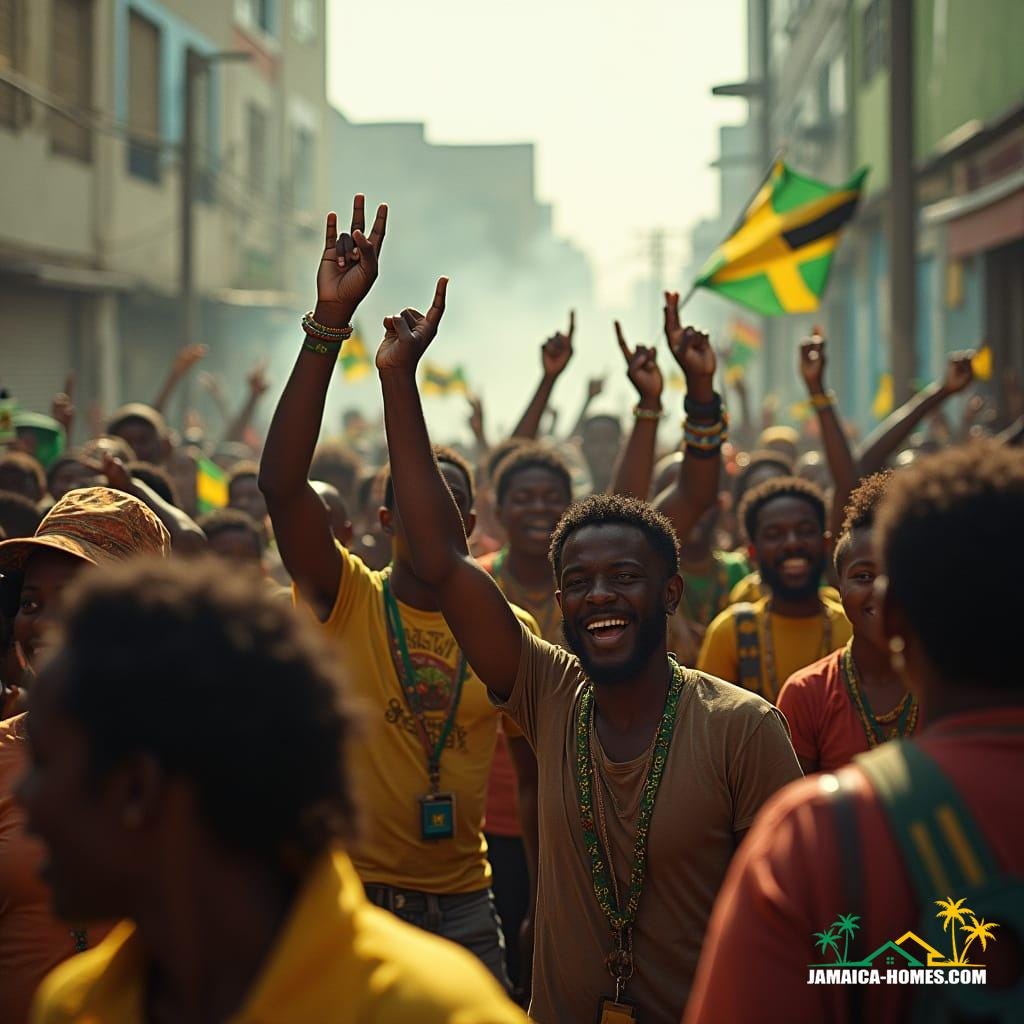
Compare that to Jamaica, where communities pulse with life regardless of season. A street in Kingston at dusk tells a story no developer could script: vendors setting up jerk pans, children playing football in side roads, elders reasoning on verandas. Property here is more than constructed walls; it’s woven into a tapestry of daily life that has evolved over centuries.
This distinction matters. Around the world, “destination living” is built to mimic places like Jamaica. Yet, when you peel away the artifice, those markets lack the one thing buyers crave most: roots.
The Scarcity Principle: A Finite Jewel in the Caribbean
Unlike sprawling continents where development can sprawl endlessly outward, Jamaica is an island of finite size. And that changes the calculus.
In North America, vast tracts of land still sit waiting for development. In parts of Europe, entire towns have been built from scratch for tourism. Jamaica has no such luxury. Its geography ensures scarcity, and scarcity fuels value.
This is why property ownership in Jamaica feels weightier than in many other parts of the world. It isn’t simply about asset diversification—it’s about securing a slice of an island that cannot expand, cannot be replicated, and cannot be faked.
“The land you hold in Jamaica carries permanence. Long after markets shift and trends fade, the soil remains, whispering the same promise to those bold enough to claim it,” Dean Jones reflects.
Global Markets vs. The Jamaican Experience
To grasp why Jamaican real estate endures as such a powerful investment, it’s helpful to hold it up against international backdrops:
United States: A market prone to booms and busts, where suburban sprawl stretches endlessly and land feels abundant. Even after crashes, new frontiers are opened.
Europe: Characterised by heritage and stability, but often saturated, with regulations and taxes dampening returns. Properties in historic capitals may be beautiful but rarely yield the same growth trajectory.
Dubai & Tenerife: Icons of engineered paradise, they create spectacle, but their sustainability is tied to market sentiment, not rooted culture. What happens when the illusion fades?
Jamaica offers a counterpoint: growth anchored in genuine demand, scarcity, and cultural magnetism. There are no artificial lagoons or borrowed histories. Investment here is less about spectacle, more about substance.
The Emotional Dividend
In much of the world, property is seen strictly as an asset class. Investors buy, flip, rent, and move on. The home itself is secondary to the balance sheet.
Jamaica defies that cold calculus. Owning a home here carries an emotional dividend—a sense of belonging, continuity, and pride. Whether it’s a Portmore starter home, a Mandeville hillside retreat, or a seaside villa in Treasure Beach, ownership is deeply personal.
That emotional layer doesn’t dilute the financial returns; it strengthens them. When people feel connected to their property, they’re less likely to panic-sell in downturns. They invest in upkeep, they care for the community, and they pass homes down across generations.
“A home in Jamaica is never just a line in a portfolio. It is a heartbeat, a memory, a legacy stitched into the island’s fabric,” says Dean Jones.
Short-Term Turbulence vs. Long-Term Security
Global investors often obsess over short-term gains: Will prices rise next quarter? Is the rental yield sufficient this year? But real estate, particularly in Jamaica, resists such impatient thinking.
Yes, there are moments when values plateau or dip. Construction costs rise, interest rates fluctuate, bureaucratic bottlenecks slow developments. But look across decades and the trend is unmistakable: upward growth.
Kingston’s Barbican, once a relatively modest suburb, is now bustling with luxury apartments. Montego Bay’s Ironshore has transformed into a hotspot for both residential and tourism-driven investment. Even Portland, long considered “too far,” is seeing interest rise as infrastructure improves.
The lesson is simple: Jamaica rewards patience.
Jamaica’s Diaspora Effect
Few countries can boast a diaspora as deeply tied to its homeland as Jamaica. Across the UK, Canada, and the United States, Jamaicans work, save, and dream of “coming home.” Real estate is the vessel for that dream.
This diaspora effect creates consistent external demand. Even when the local market cools, overseas buyers inject capital, keeping momentum alive. In contrast, many other countries depend almost entirely on local demand, making them more vulnerable to economic swings.
The Real Deal vs. The Replica
Here lies the heart of the matter. The world can—and often does—attempt to recreate the Caribbean dream. Artificial beaches, curated reggae nights, imported cuisine. But they are, at their core, replicas. They may entertain, they may impress, but they cannot substitute the real thing.
Jamaica is unfiltered. Its coastline isn’t landscaped into submission; its mountains are not theme-park backdrops; its music, food, and language are born of lived experience, not branding. To own property here is to hold a piece of that authenticity.
And authenticity, unlike spectacle, cannot be devalued.
Witty Truths from the Island
Here’s the irony: people fly halfway across the world to sip rum cocktails beside artificial lagoons in cities with no natural sea. Meanwhile, Jamaica sits with the real thing—untouched, powerful, and waiting for those with vision.
It’s like queuing for hours to see a wax statue of Bob Marley while the man’s music still pulses in every Jamaican corner shop and taxi. Why settle for the replica when the original beats on?
The Path Forward
Jamaica’s real estate future is not without challenges: infrastructure lags in some parishes, bureaucracy can frustrate, and affordability remains a national conversation. But these hurdles, rather than diminishing value, reinforce it. Overcoming them requires innovation, patience, and collaboration—qualities investors and homeowners bring to the table when they commit here.
As highways expand, as the digital economy grows, and as tourism continues to fuel demand, Jamaica’s property market will evolve. But it will never lose the raw, real essence that sets it apart from manufactured paradises.
“You can build copies of the Caribbean anywhere, but the original has roots too deep to be transplanted. That’s the Jamaica investors need to understand,” Dean Jones concludes.
Final Reflection
Real estate across the world often chases trends—fashions that rise, peak, and fade. But Jamaica stands firm. It doesn’t mimic or pretend; it embodies.
To buy here is to invest not only in land or concrete, but in authenticity, scarcity, and culture. It’s to claim a piece of an island that the world tries endlessly to imitate but will never truly replicate.
And that, perhaps, is the simplest investment logic of all.