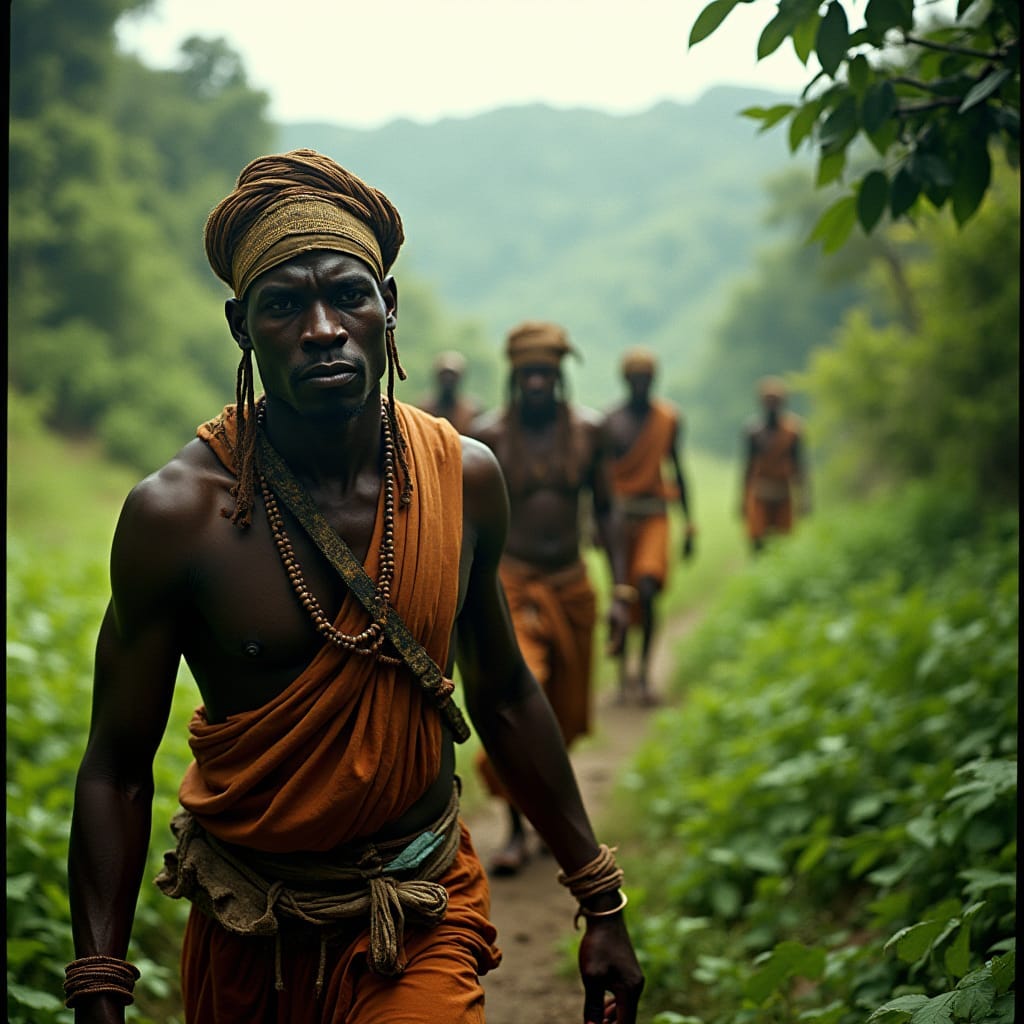
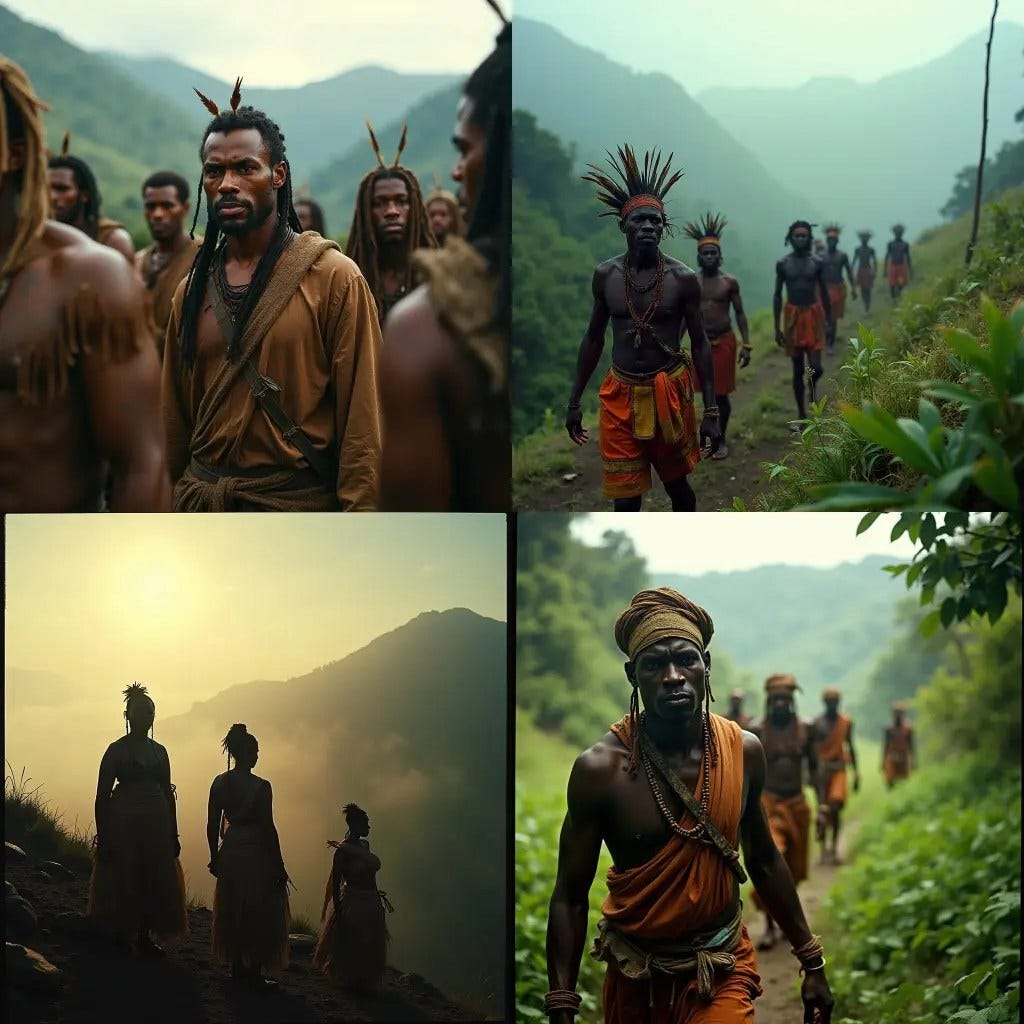
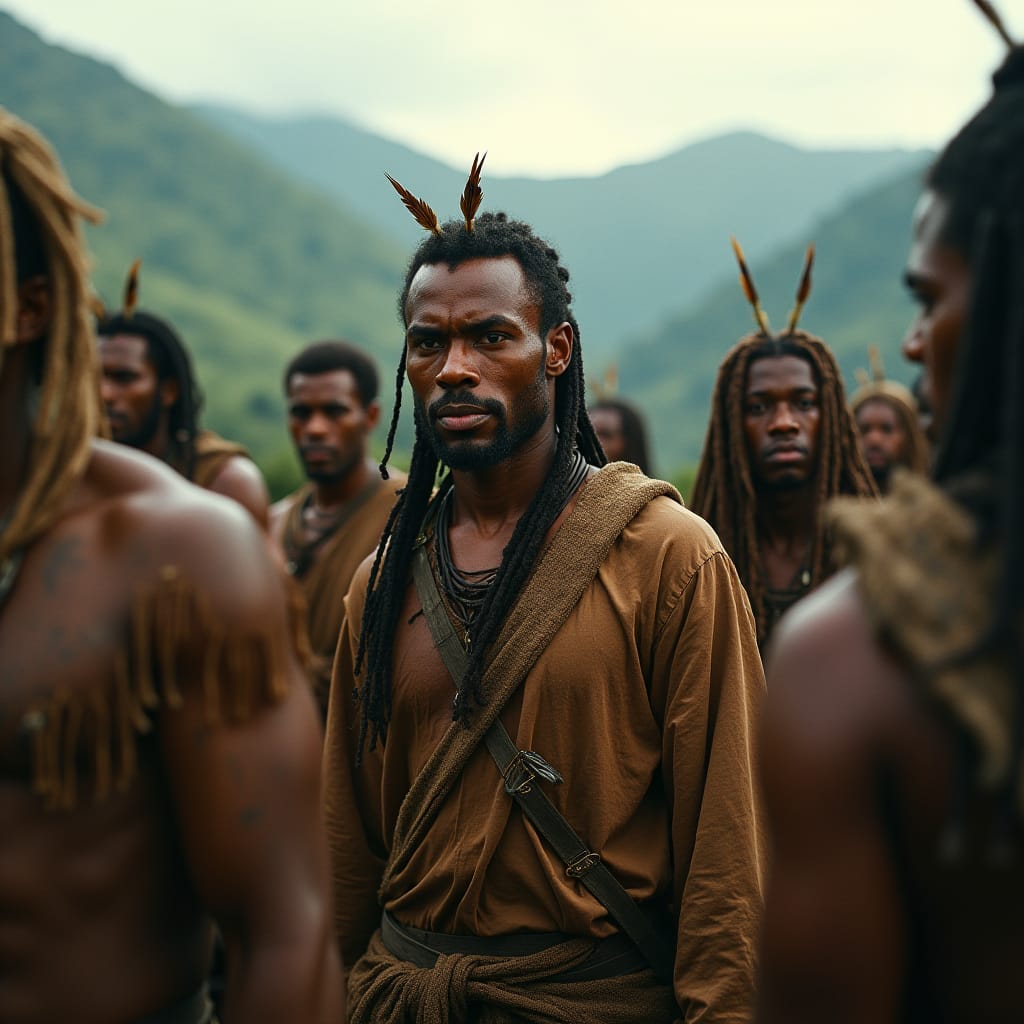
The Maroon War, fought between 1728 and 1739 in Jamaica, was a significant struggle between British colonial forces and the Maroons, communities of escaped African slaves who had established themselves in the island’s rugged interior. The conflict arose from the Maroons’ fierce resistance to colonial rule and their determination to maintain their freedom and autonomy. Utilizing their intimate knowledge of the island’s mountainous terrain and employing guerrilla warfare tactics, the Maroons proved to be a formidable challenge to the British, who were intent on asserting control over Jamaica’s lucrative sugar plantations. The war concluded with the Treaty of 1739, which recognized Maroon settlements and granted them a degree of self-governance in return for their assistance in maintaining colonial order and suppressing further uprisings. This treaty not only marked a pivotal moment in Jamaica’s history but also significantly impacted the island’s land distribution and real estate landscape. The agreement defined specific territories for the Maroons, creating a unique model of land tenure that contrasted sharply with the colonial plantation system. Globally, the Maroon War serves as a notable instance of resistance against colonial domination, illustrating the broader struggles over land and autonomy that have shaped the development of real estate practices worldwide. The legacy of this conflict highlights the ongoing importance of land rights and the complex dynamics between colonizers and indigenous or resistant communities in both historical and modern contexts.
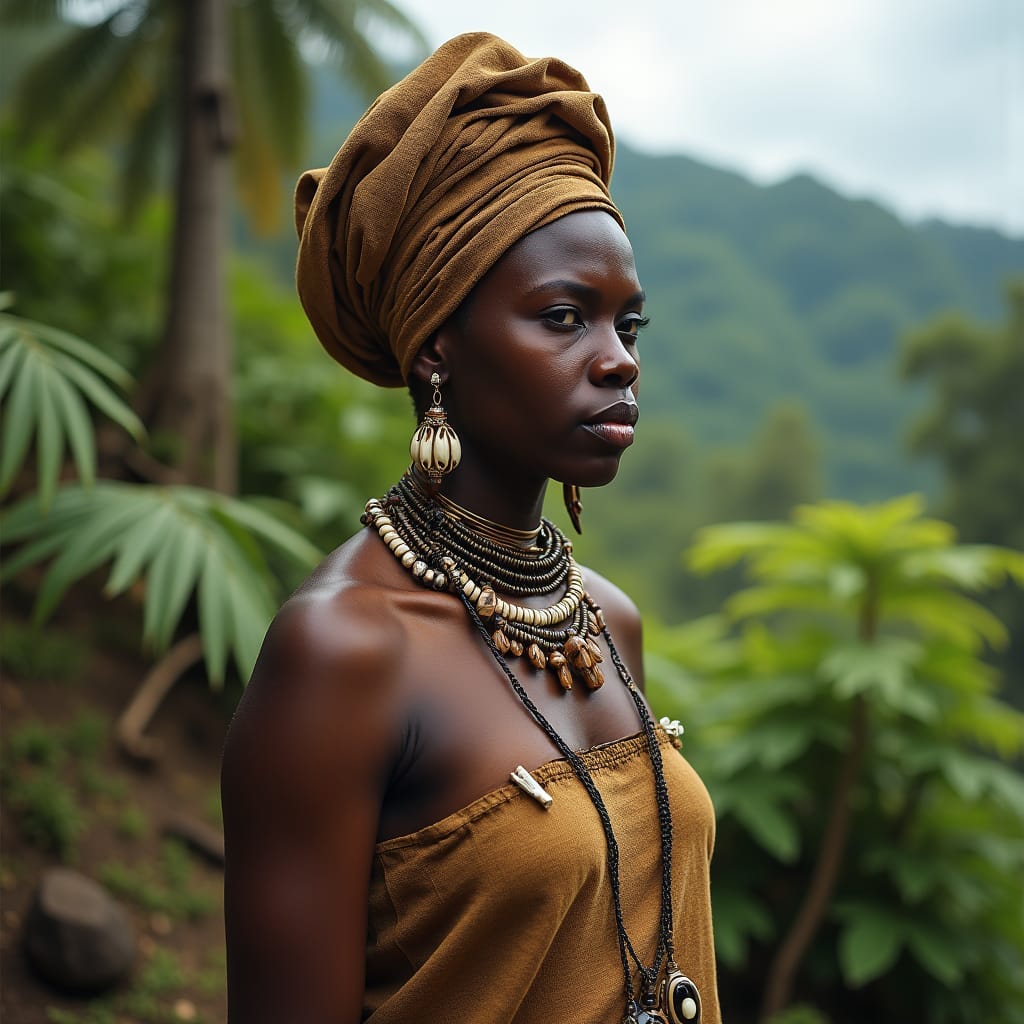
Nanny of the Maroons, a powerful, dignified Black woman with medium-dark skin, stands strong, her traditional Jamaican headwrap intricately tied, adorned with cowry shells and other African-inspired accents, while layers of traditional African jewelry, featuring cowry shells, bone, and wood, adorn her neck, exuding an aura of wisdom, strength, and resilience. Her eyes, cast forward with unwavering determination, convey a deep understanding of her people’s struggles and triumphs. Her simple, earth-toned clothing, a blend of brown, beige, and green, is indicative of her connection to the natural world and her leadership among the Maroons. The background, a lush blend of Jamaican mountains and forests, with ferns, vines, and trees, transports the viewer to the hidden villages of the Maroons, where Nanny led her people to freedom. Shot on a v-raptor XL, with a 35mm film aesthetic, the image features cinematic lighting, with warm, golden tones, and a subtle film grain, adding depth and texture to the image. A vignette and post-processing techniques enhance the dramatic effect, creating a masterpiece that is both epic and stunning, a true celebration of Nanny’s legacy. Inspired by the works of Gordon Parks, Carrie Mae Weems, and Kehinde Wiley, this image blends cinematic realism with a deep understanding of African diasporic culture and history.
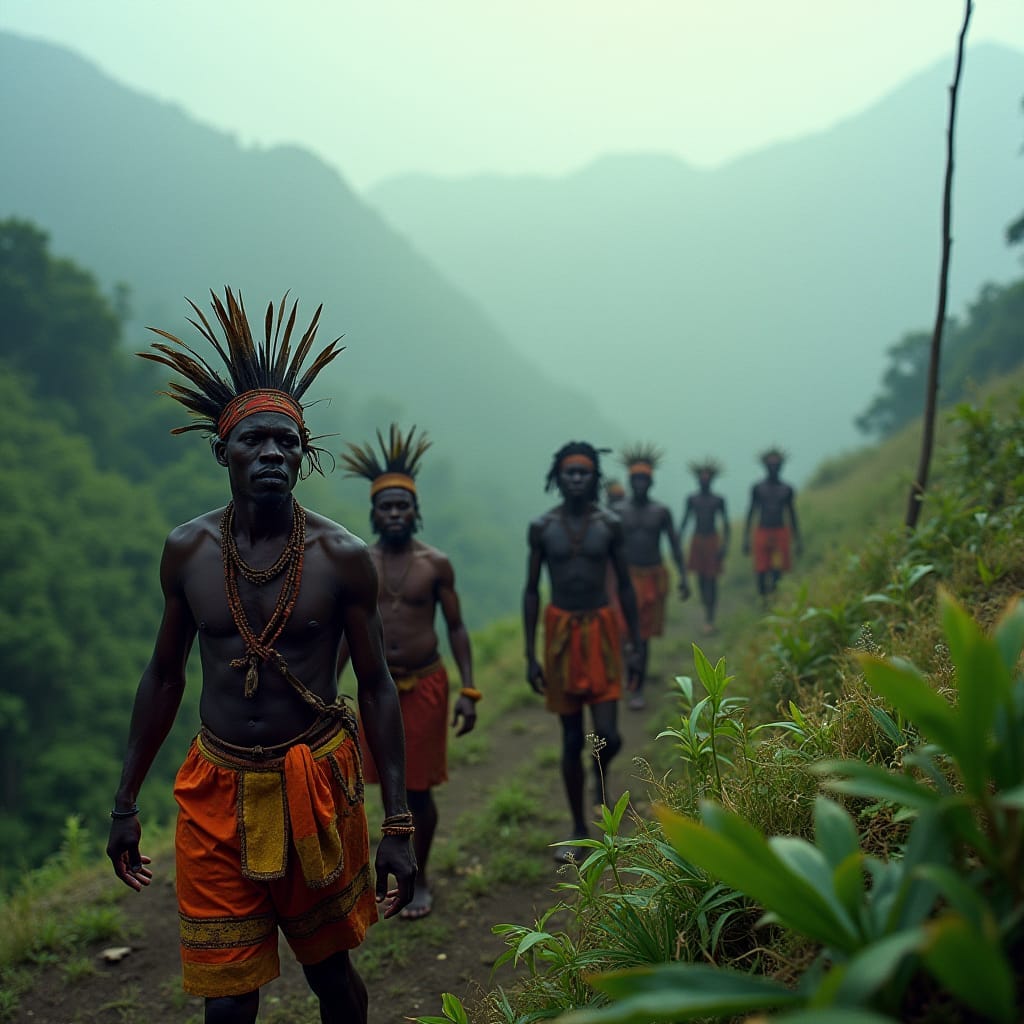
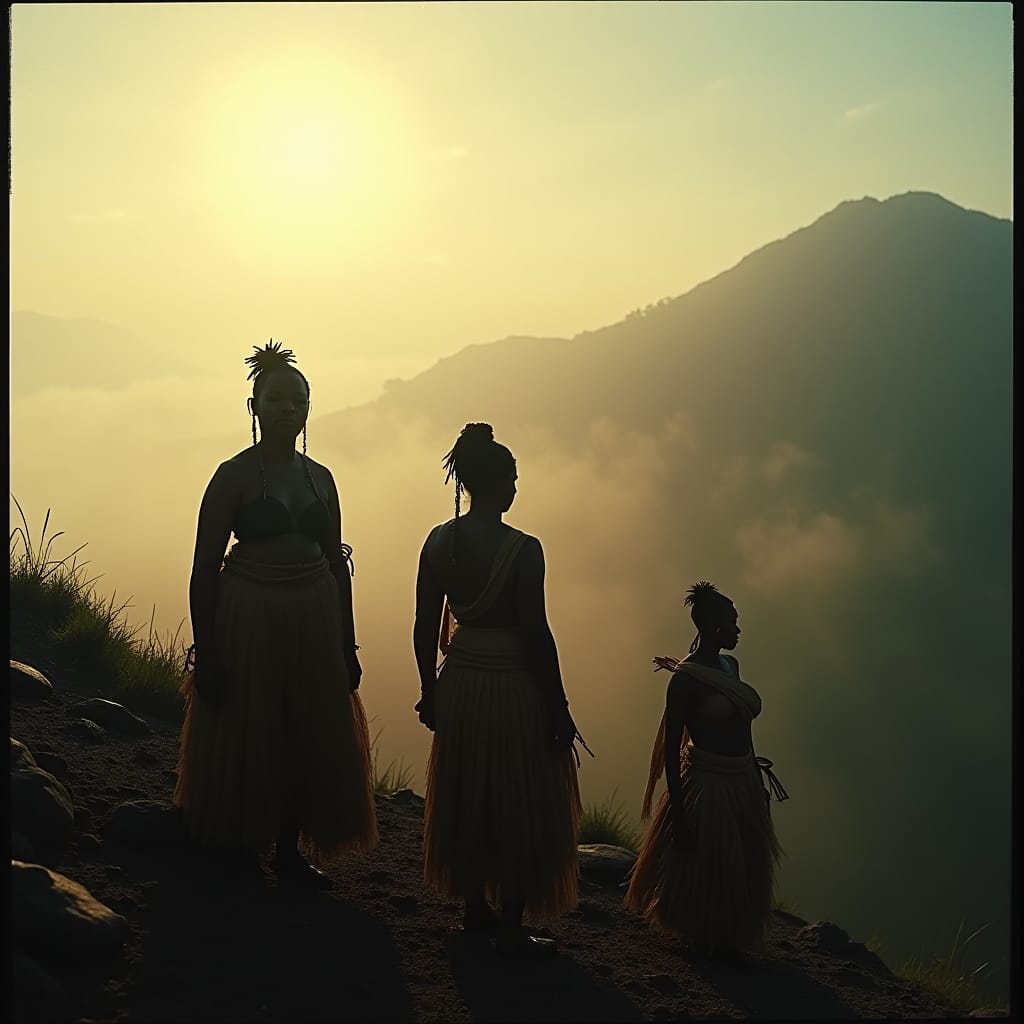
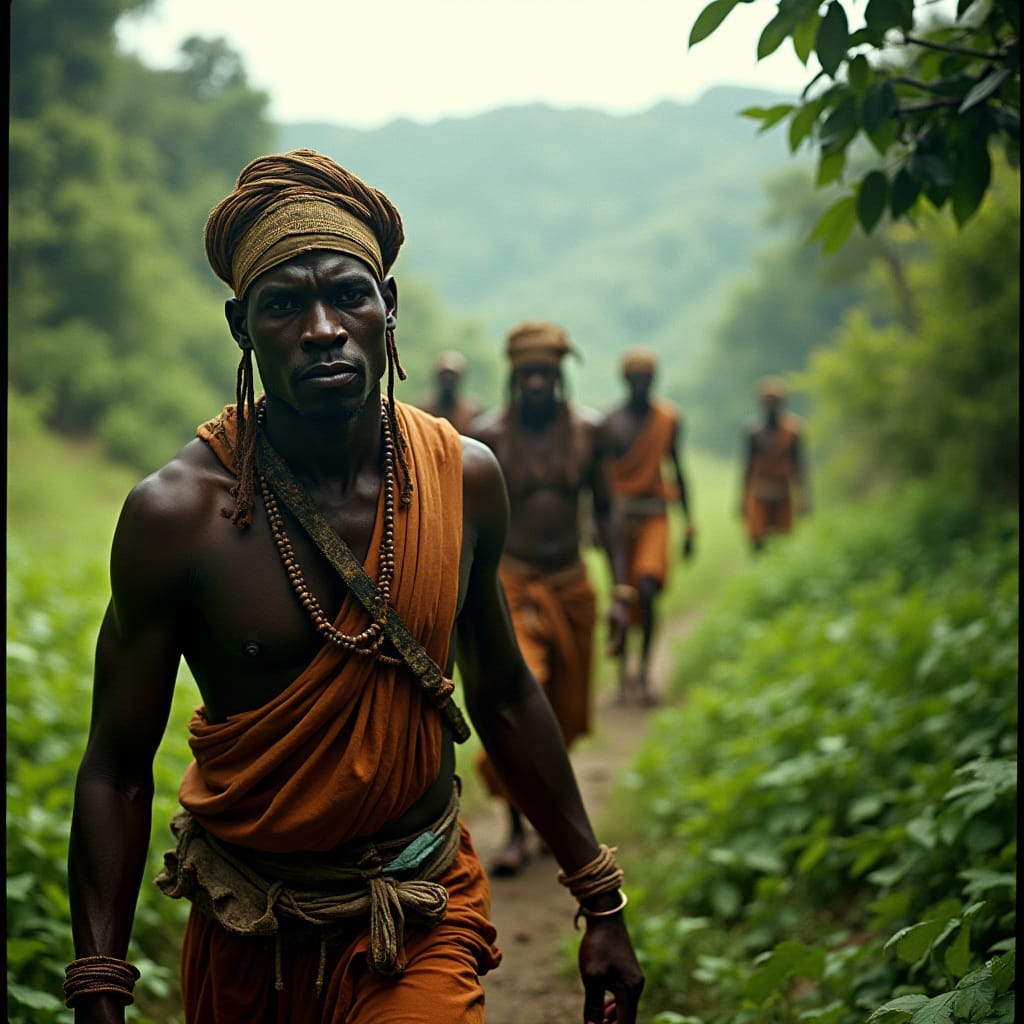
The First Maroon War sees runaway slaves forming free communities, clashing with colonial forces in the island’s interior.
The First Maroon War sees runaway slaves forming free communities, clashing with colonial forces in the island’s interior.
The First Maroon War sees runaway slaves forming free communities, clashing with colonial forces in the island’s interior.
The First Maroon War sees runaway slaves forming free communities, clashing with colonial forces in the island’s interior.
The First Maroon War sees runaway slaves forming free communities, clashing with colonial forces in the island’s interior.