


There is a point in every nation’s story when architecture rises beyond shelter, beyond utility, and becomes something more. In Jamaica, that point has been reached before — in the grand plantation houses of the colonial era, in the graceful Georgian arches of Falmouth, and in the humble timber board houses, lifted high on stilts against the rains. These structures were never just buildings; they were reflections of resilience, of adaptation to climate and culture, of survival etched into wood and stone.
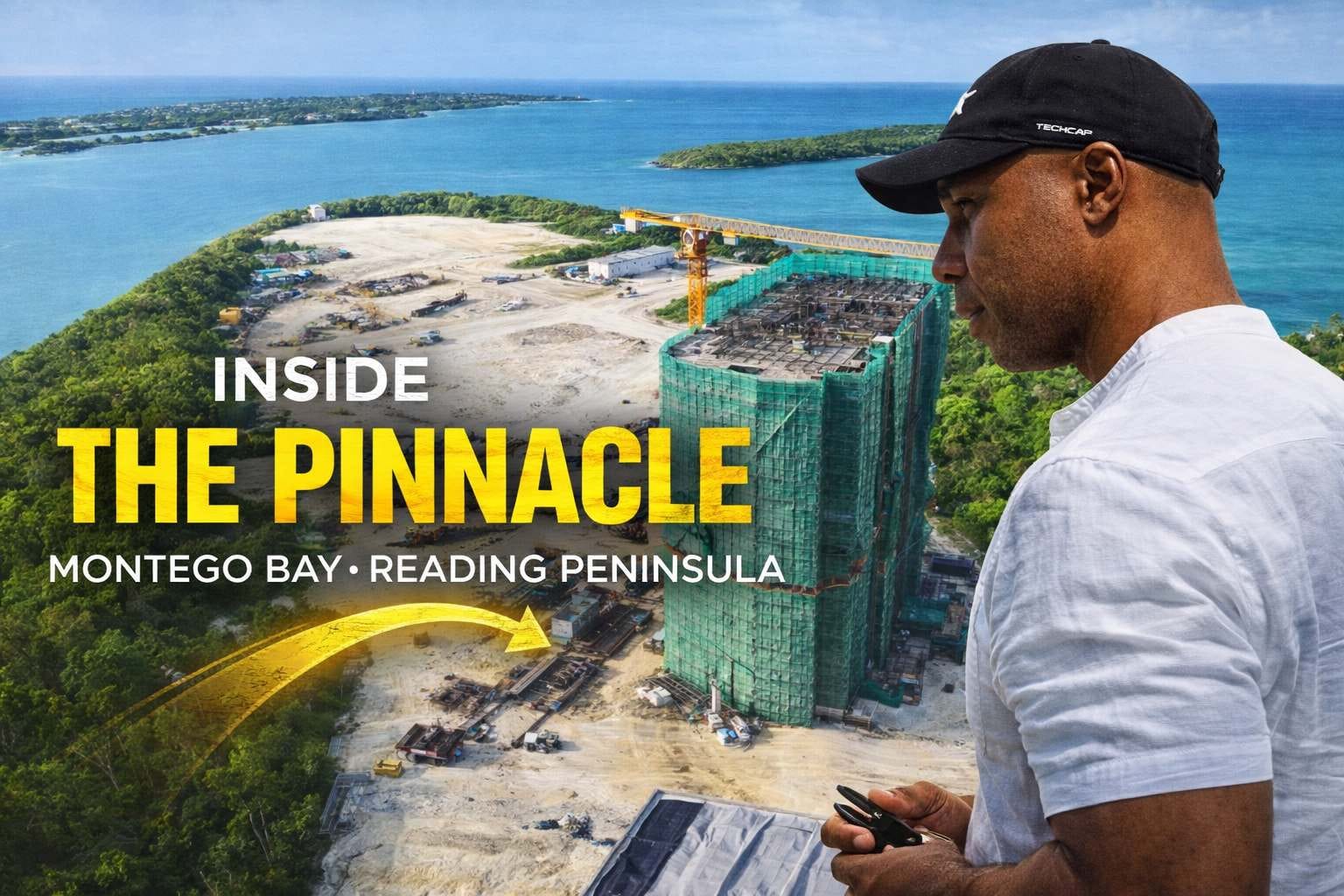
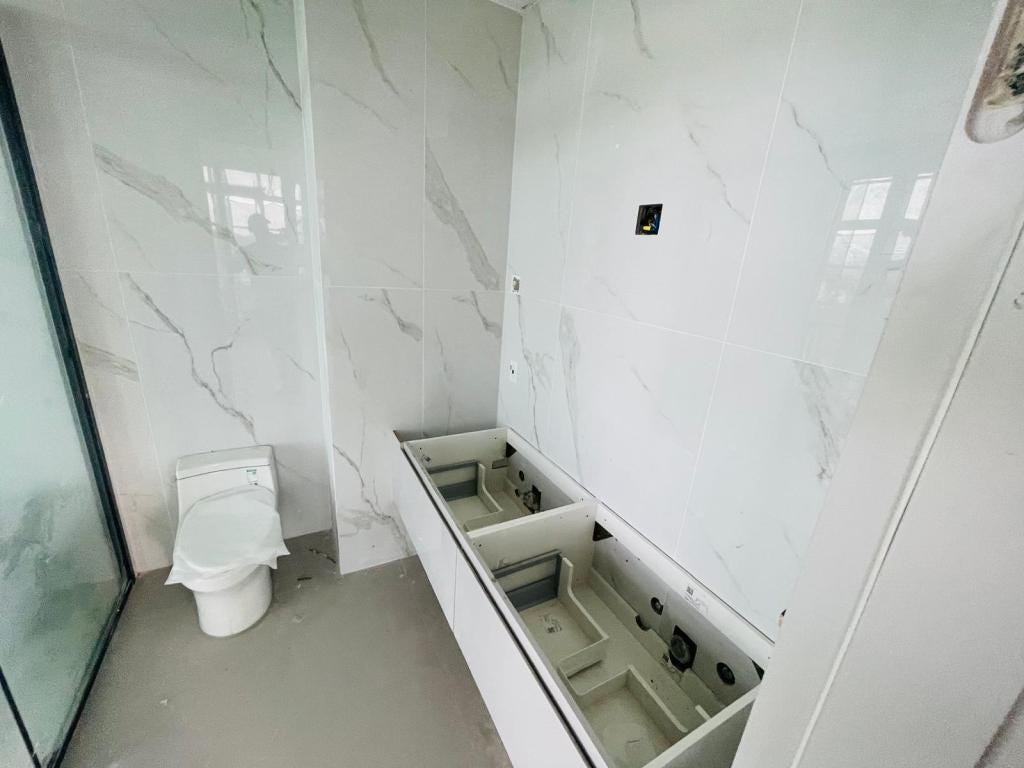
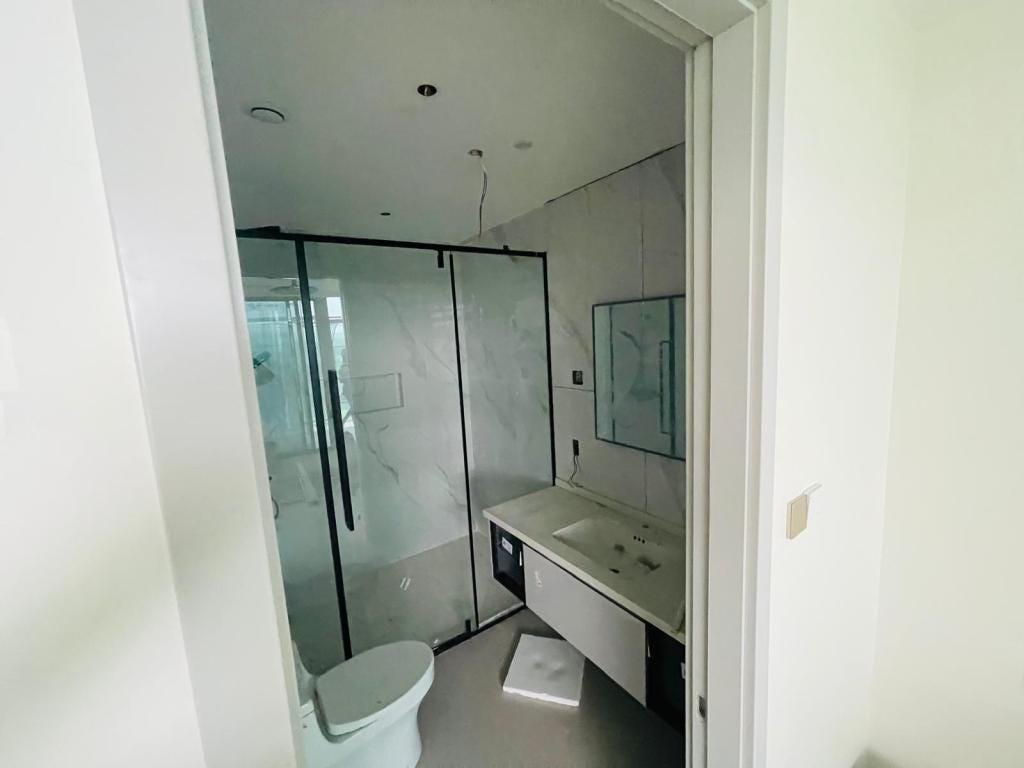
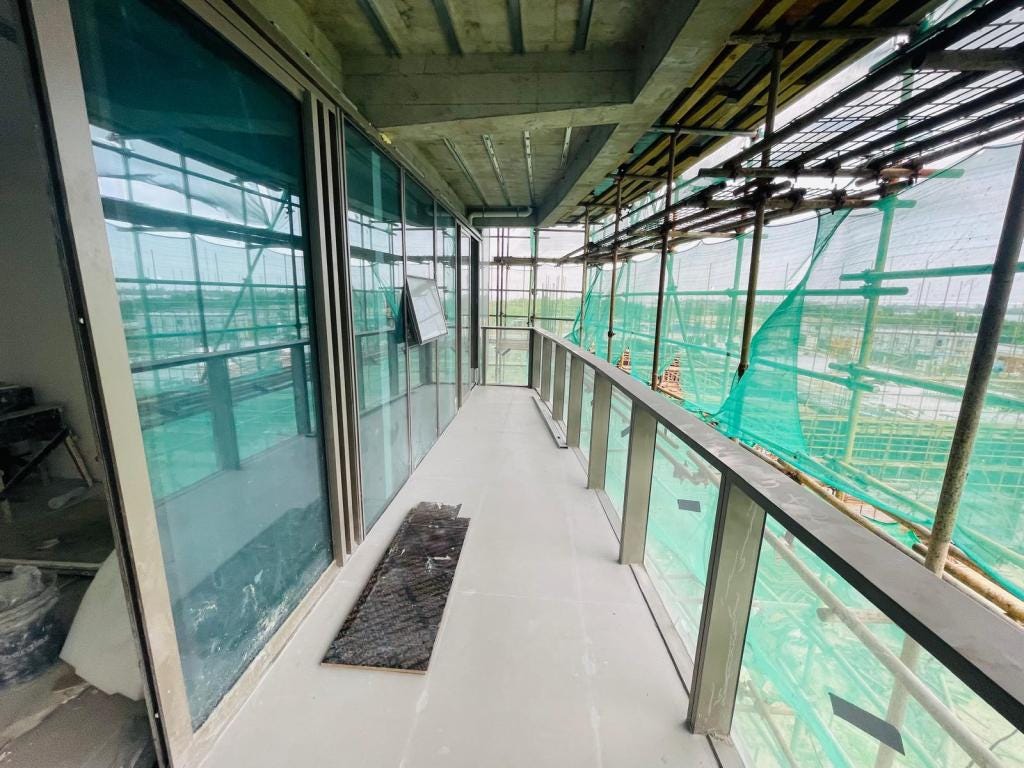
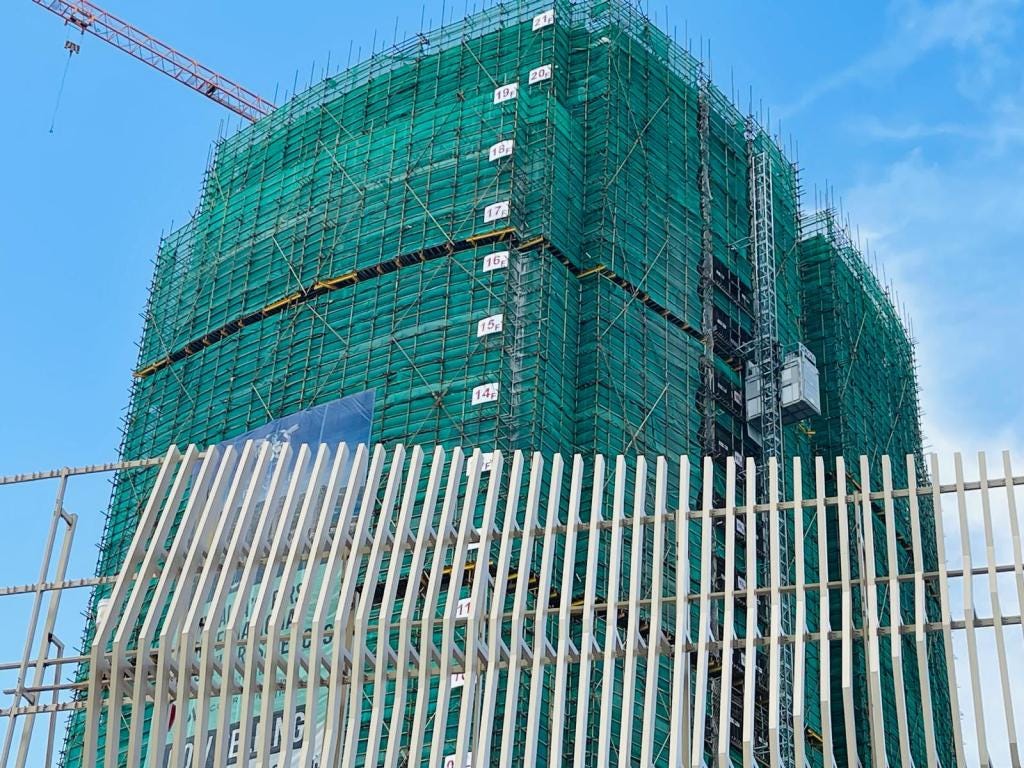
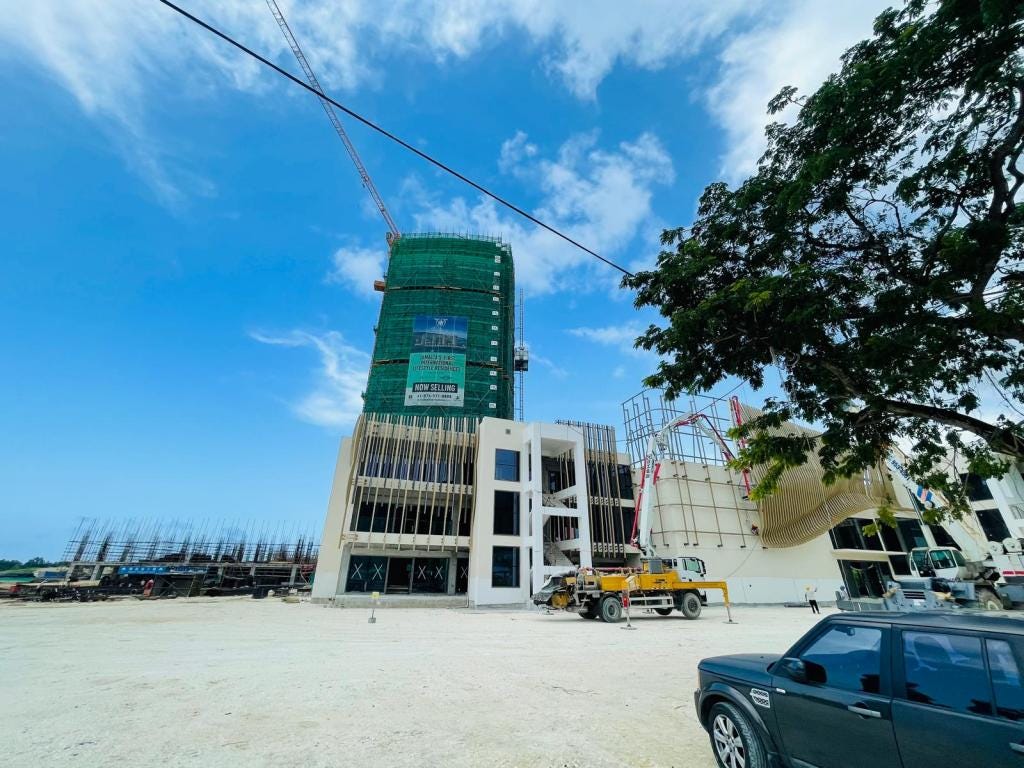
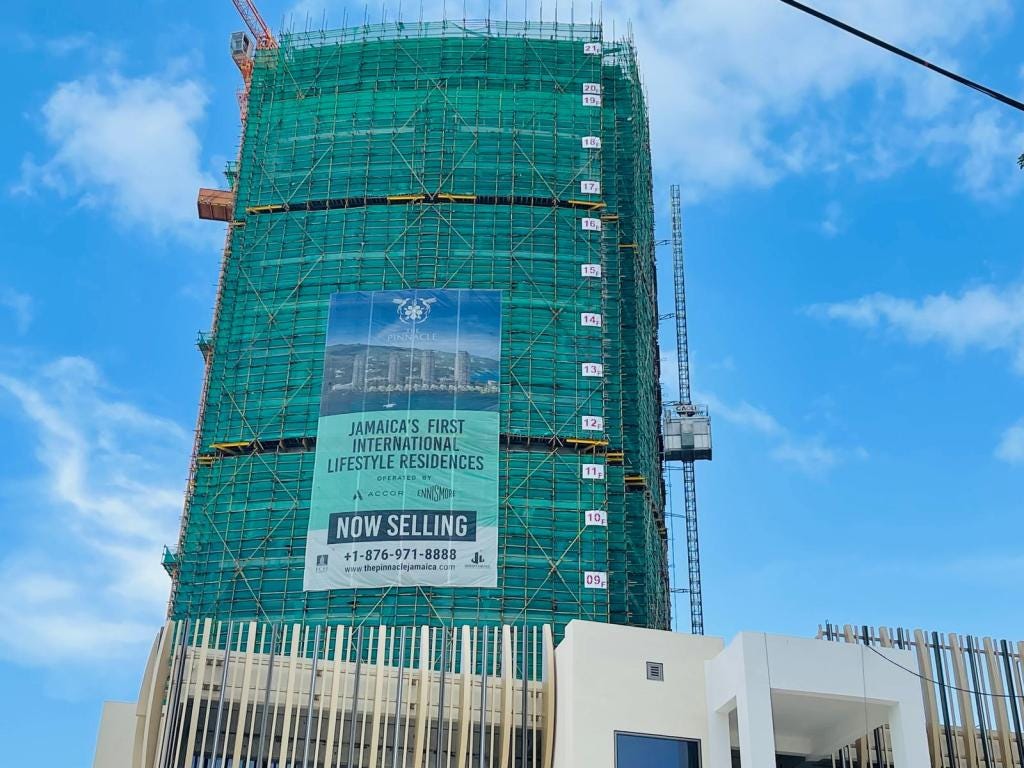
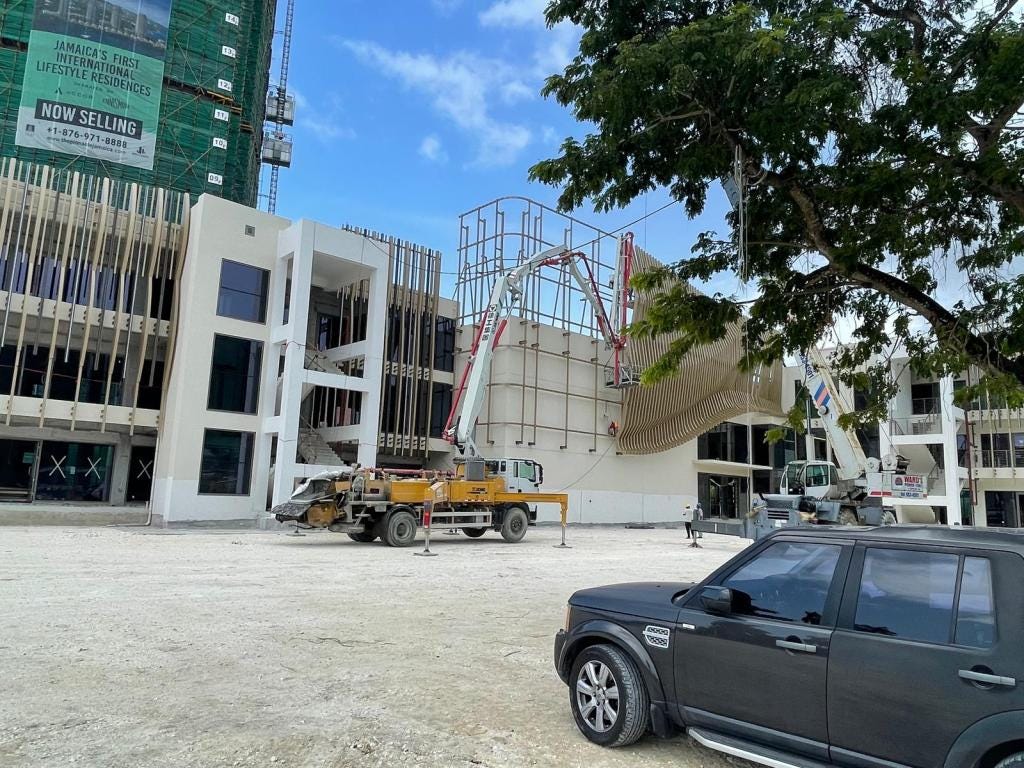
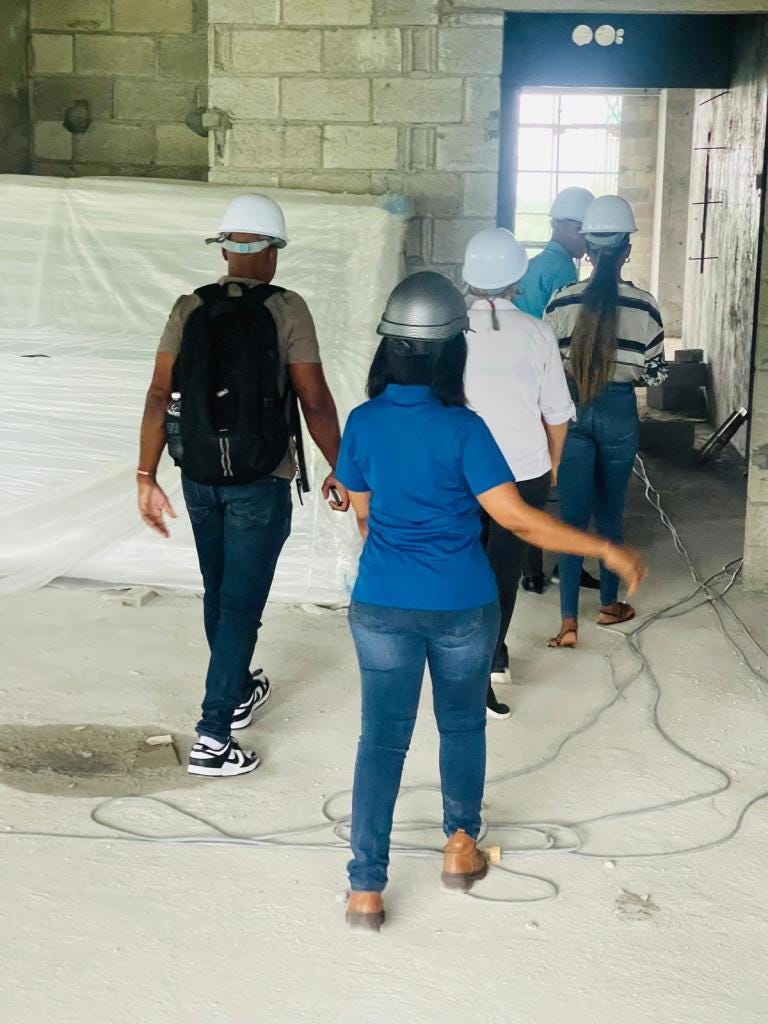
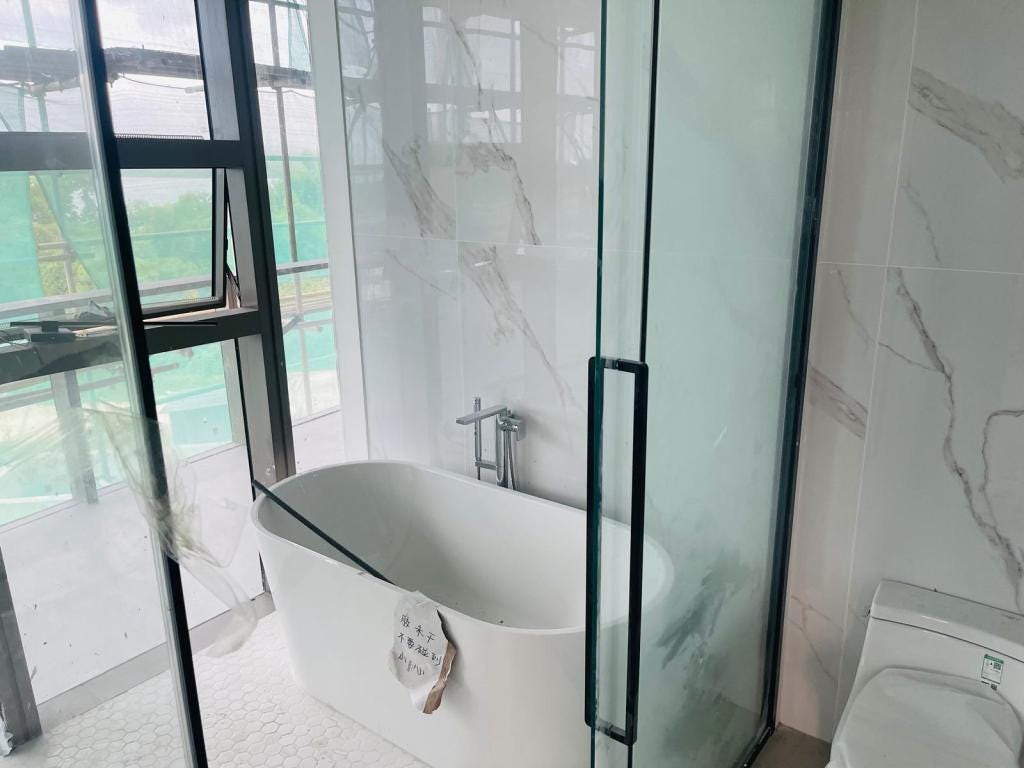
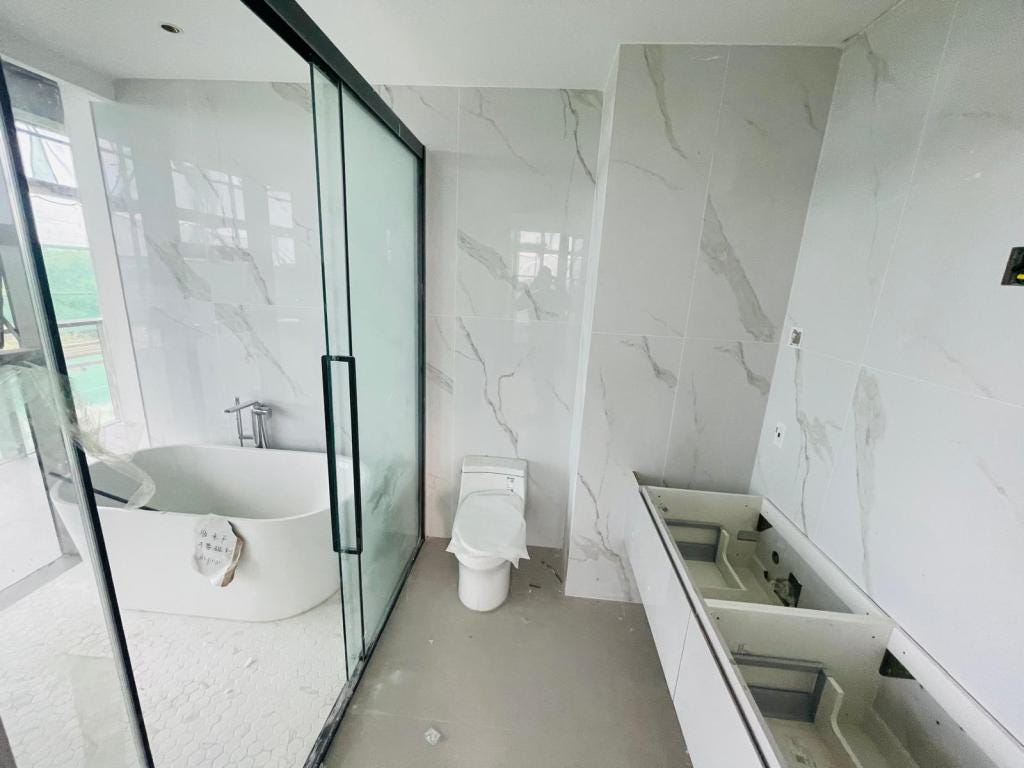
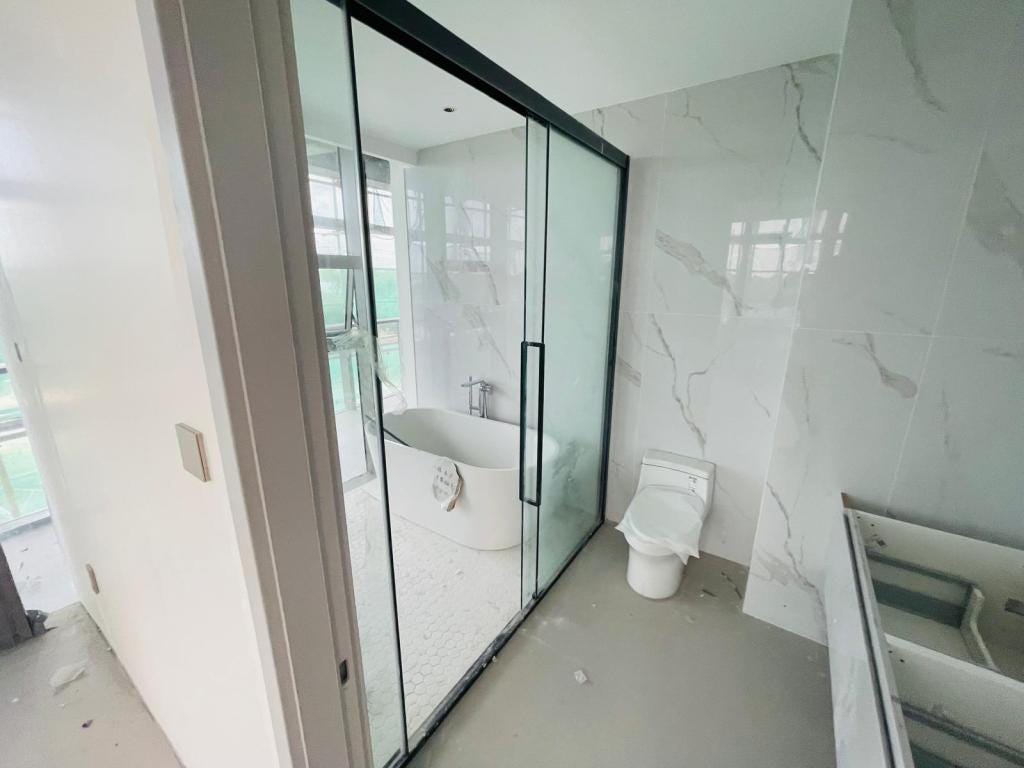
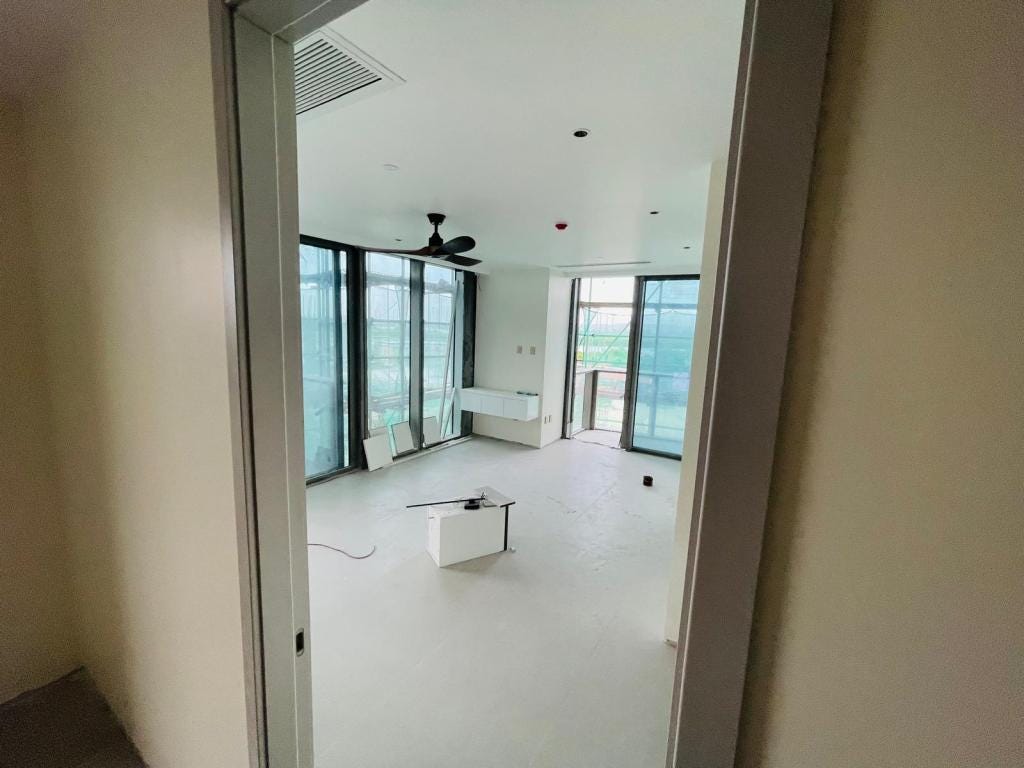
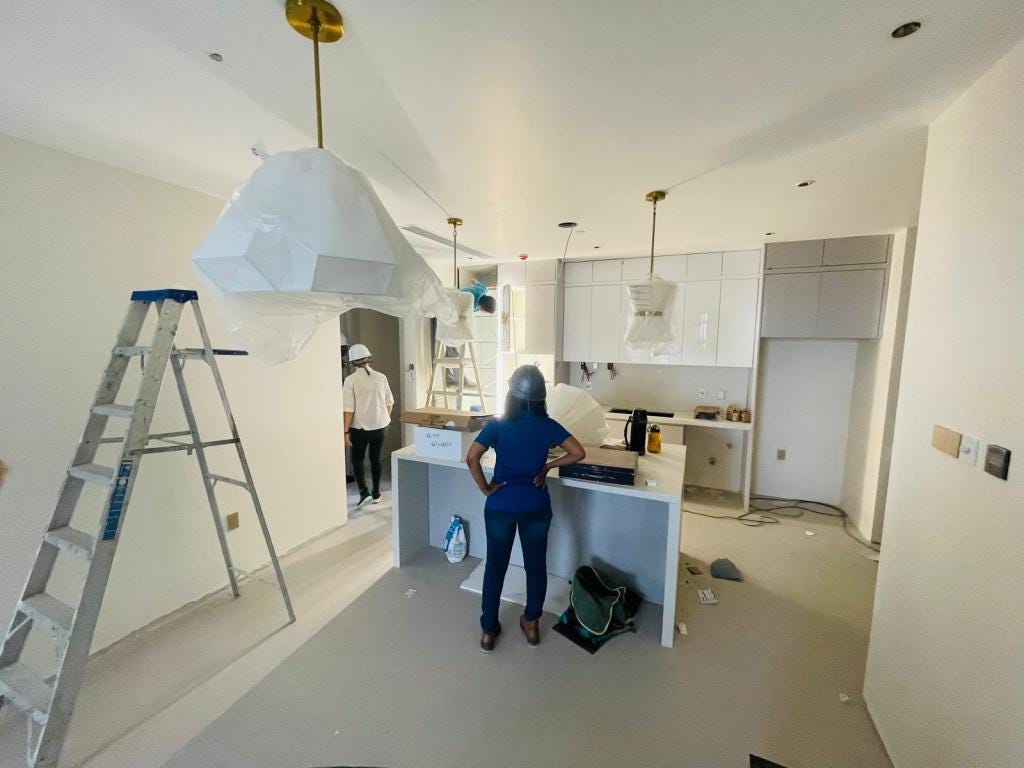
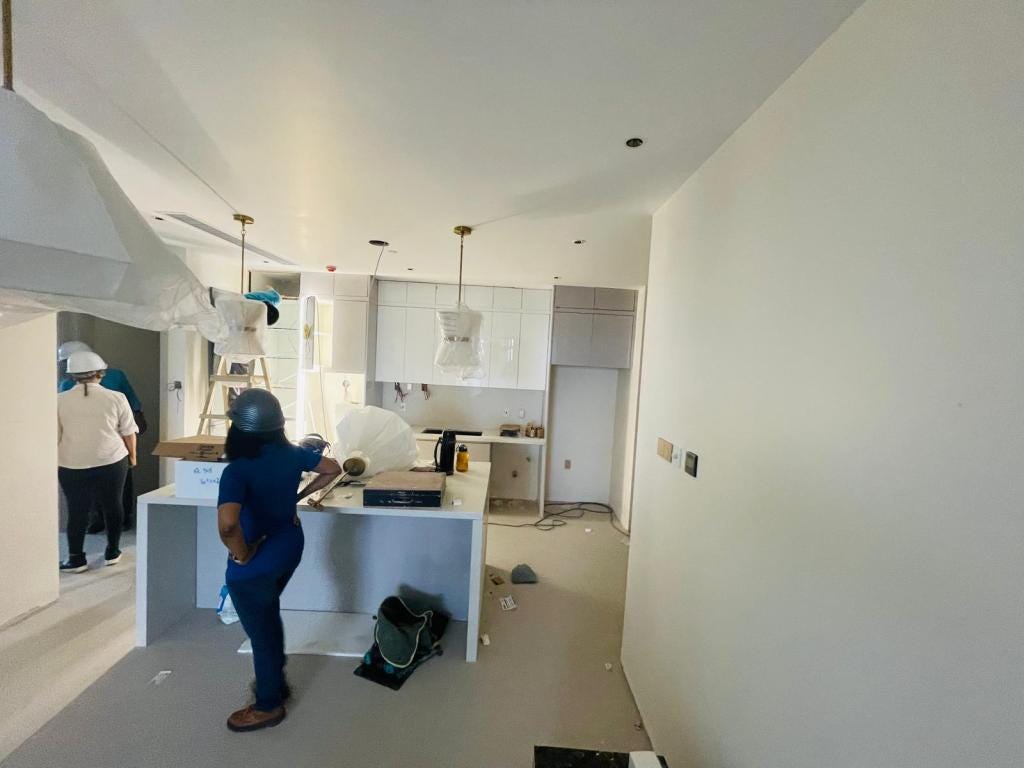
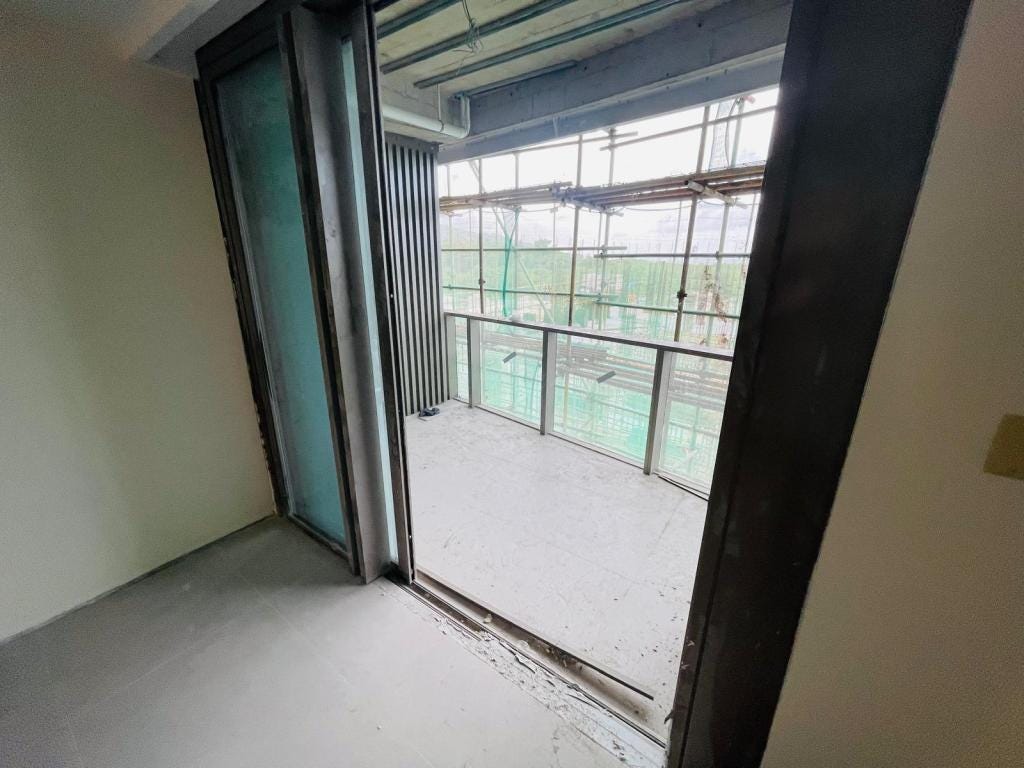
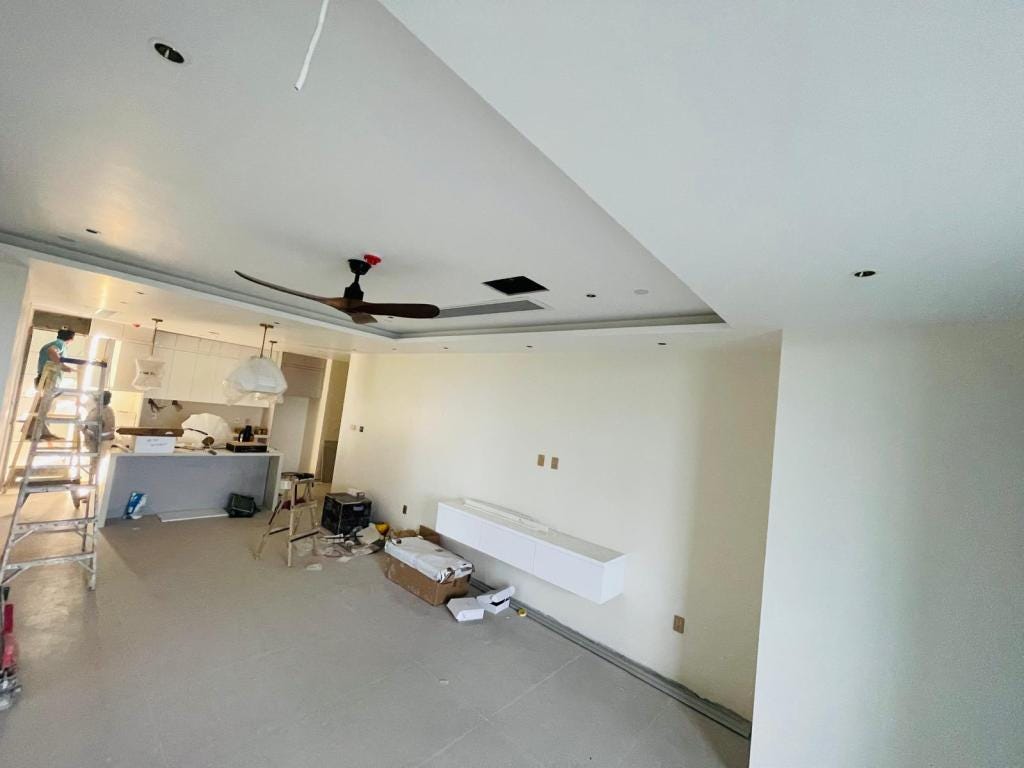
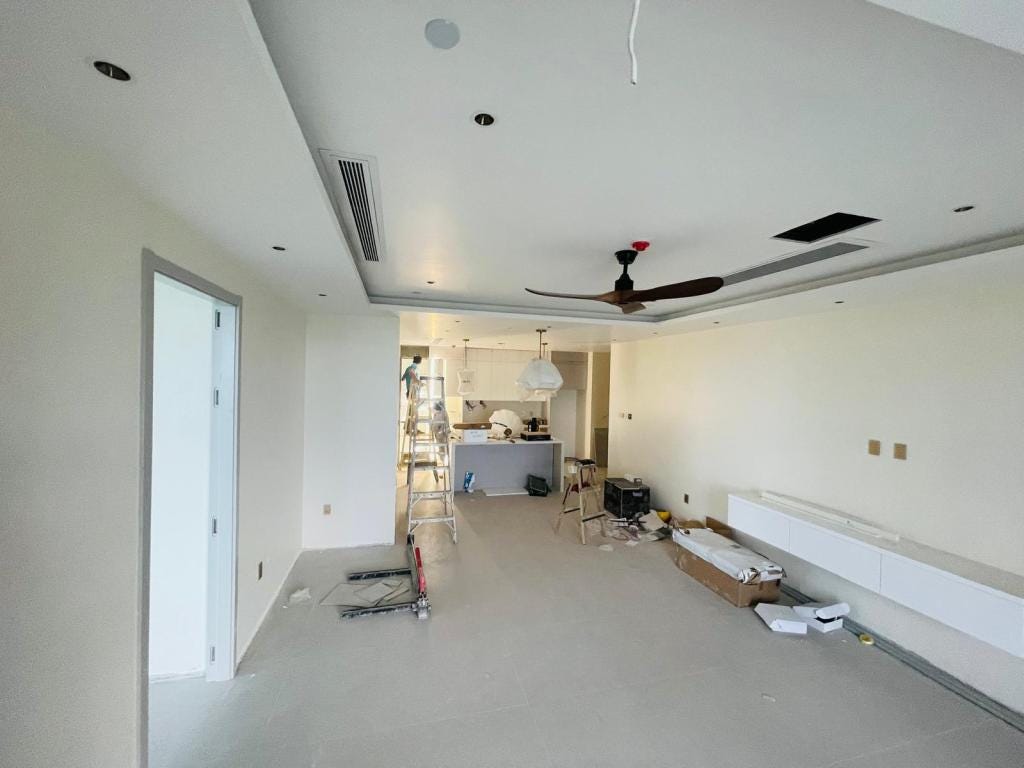
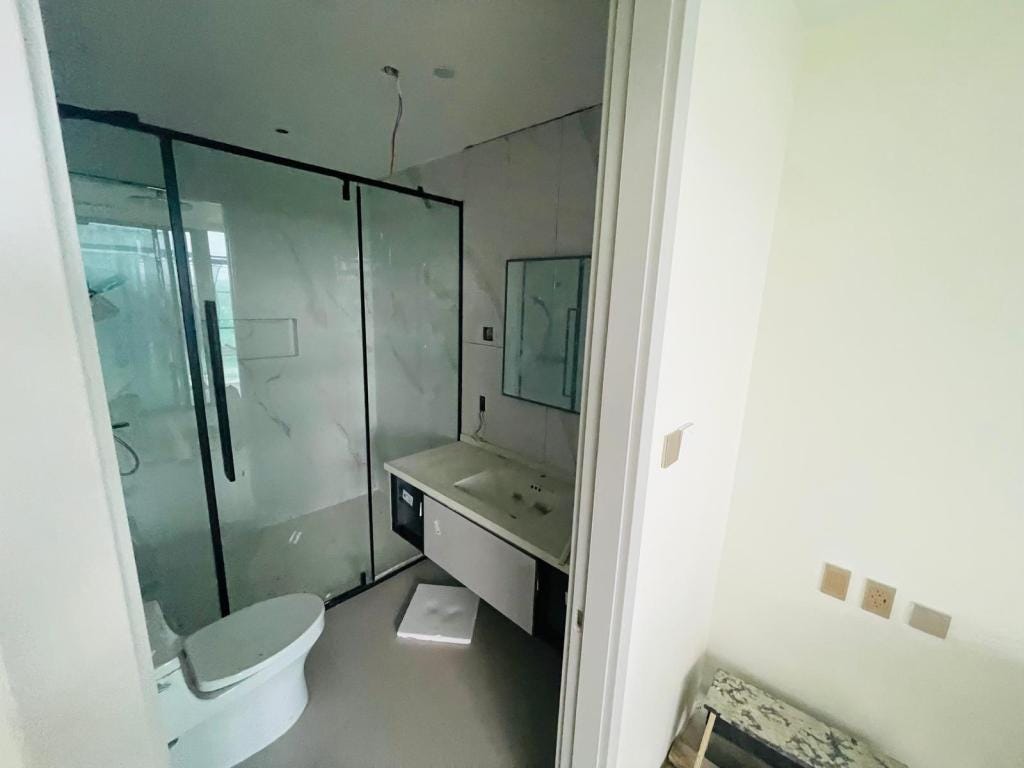
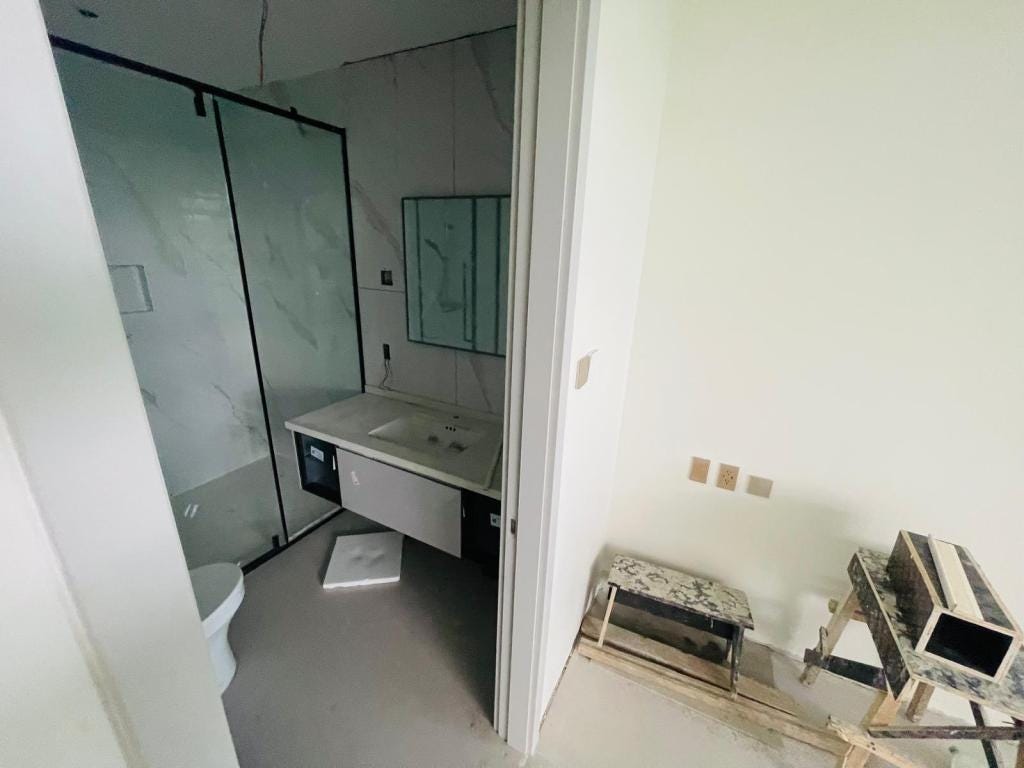
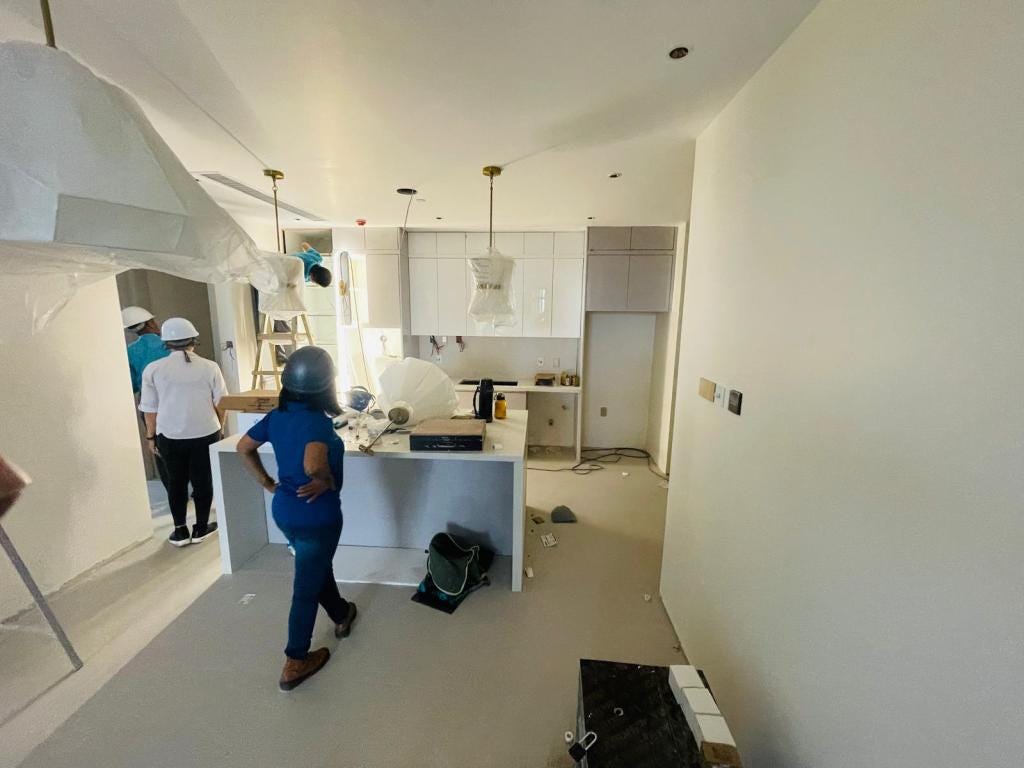
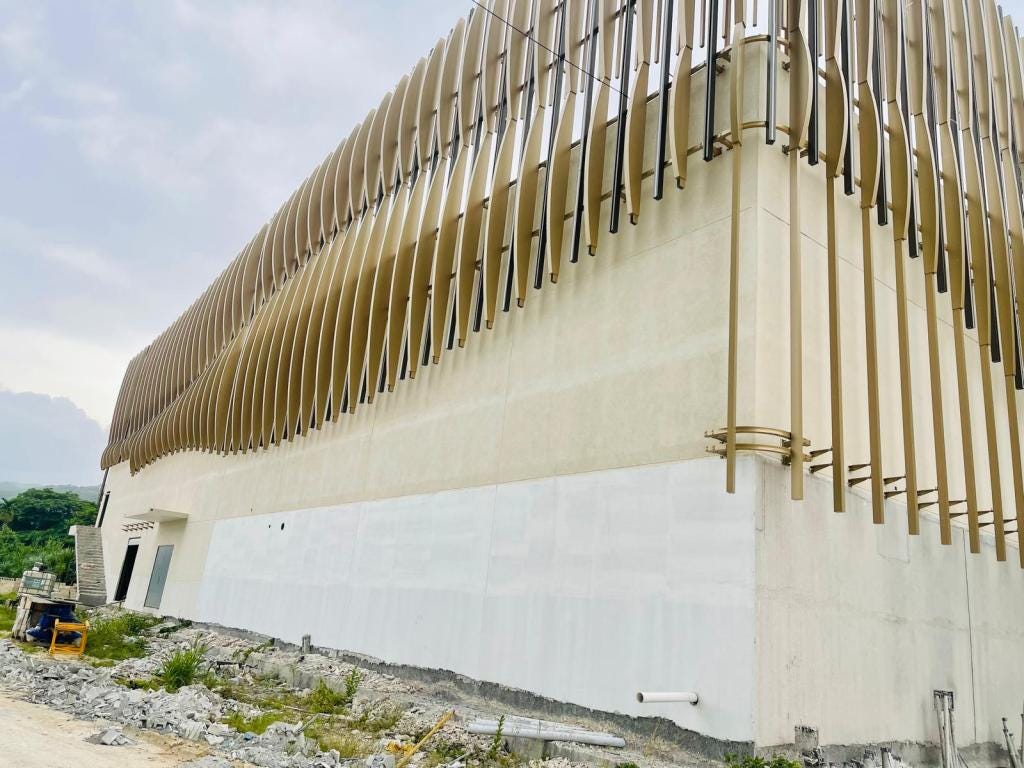
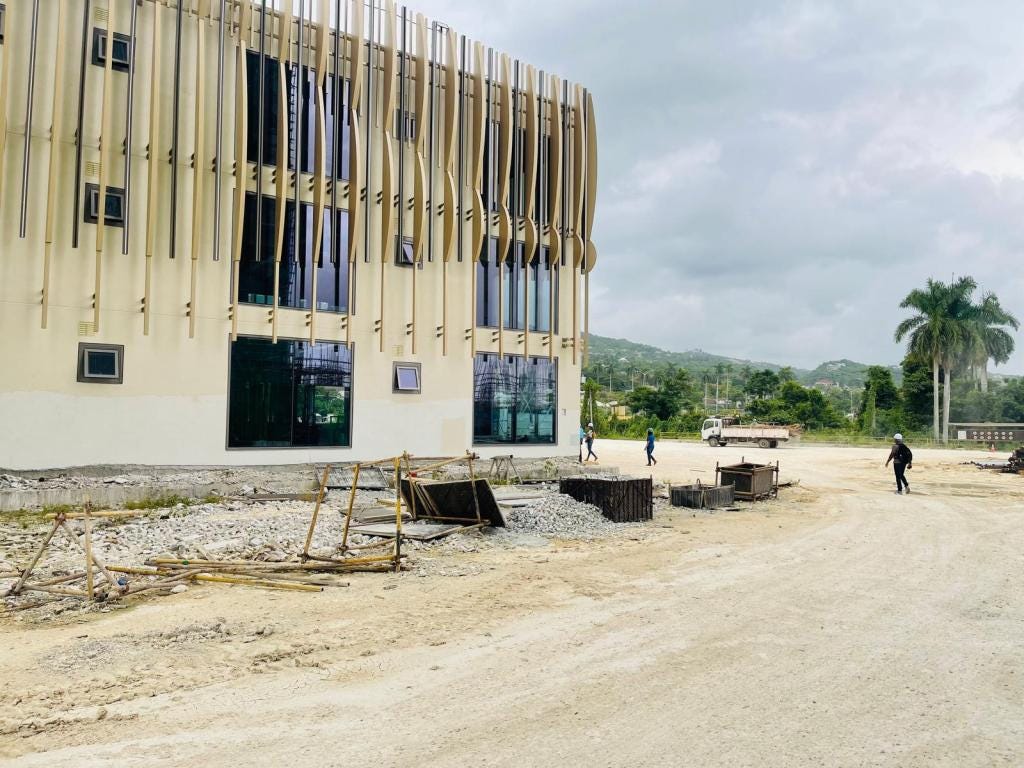
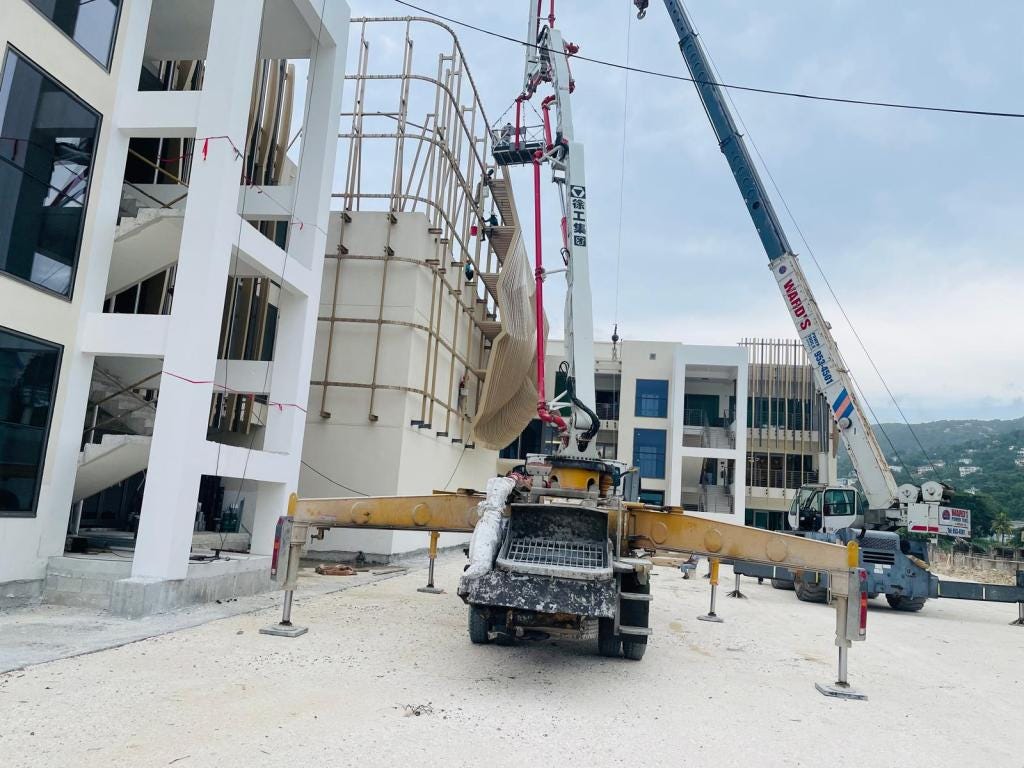
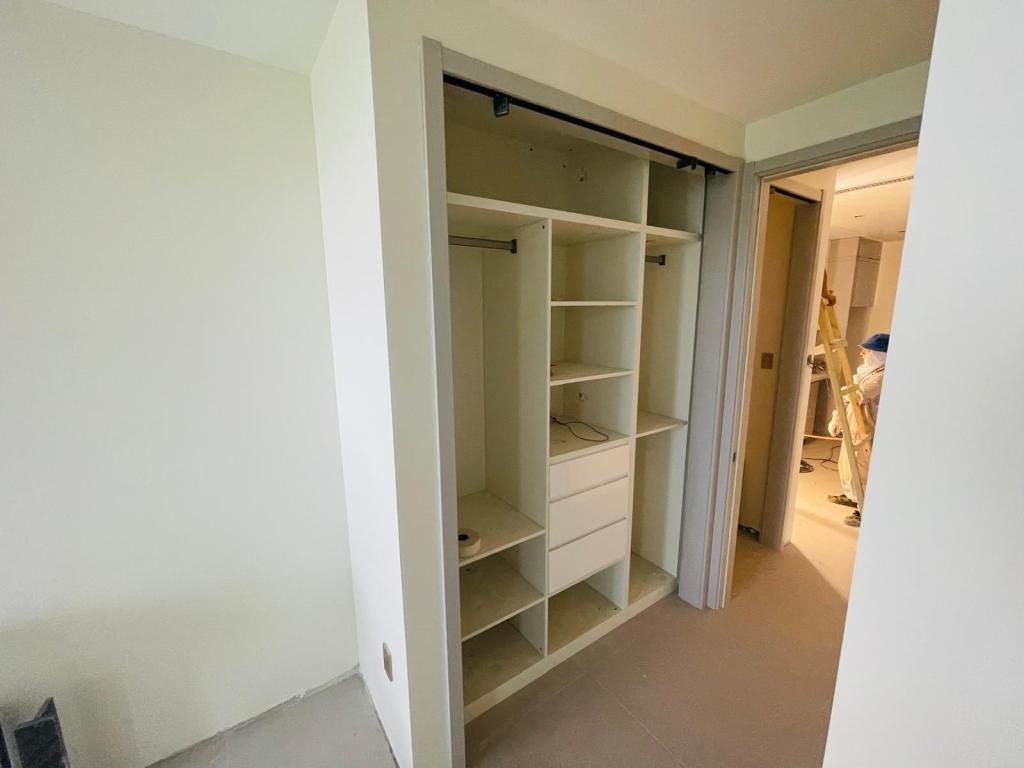
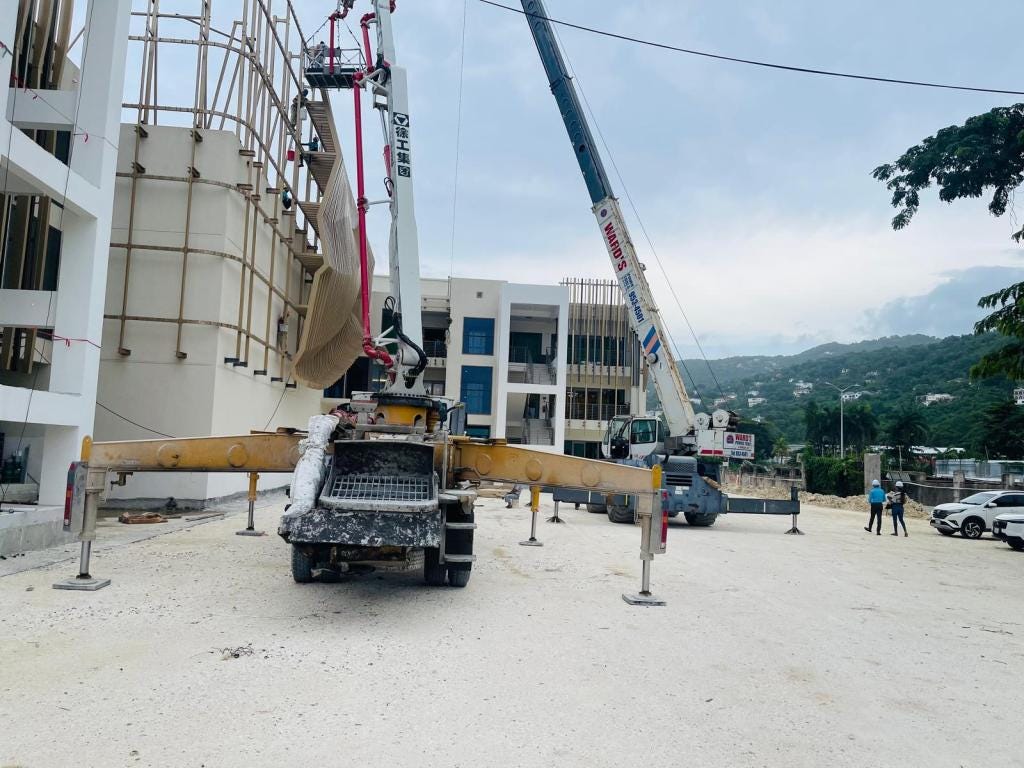
Yesterday, the team and I made our way to The Pinnacle in Montego Bay, and I have to say, seeing it in person never fails to impress. There’s a rhythm to a site like this—you feel the pulse of progress, the subtle hum of ambition transforming into tangible, breathtaking reality. Canary, the first tower, is already ahead of schedule by months, and walking through the apartments, you can see exactly why. They’re generous in scale, clever in layout, and the finishes offer a level of choice that will appeal to a range of tastes—modern, elegant, and distinctly Caribbean.
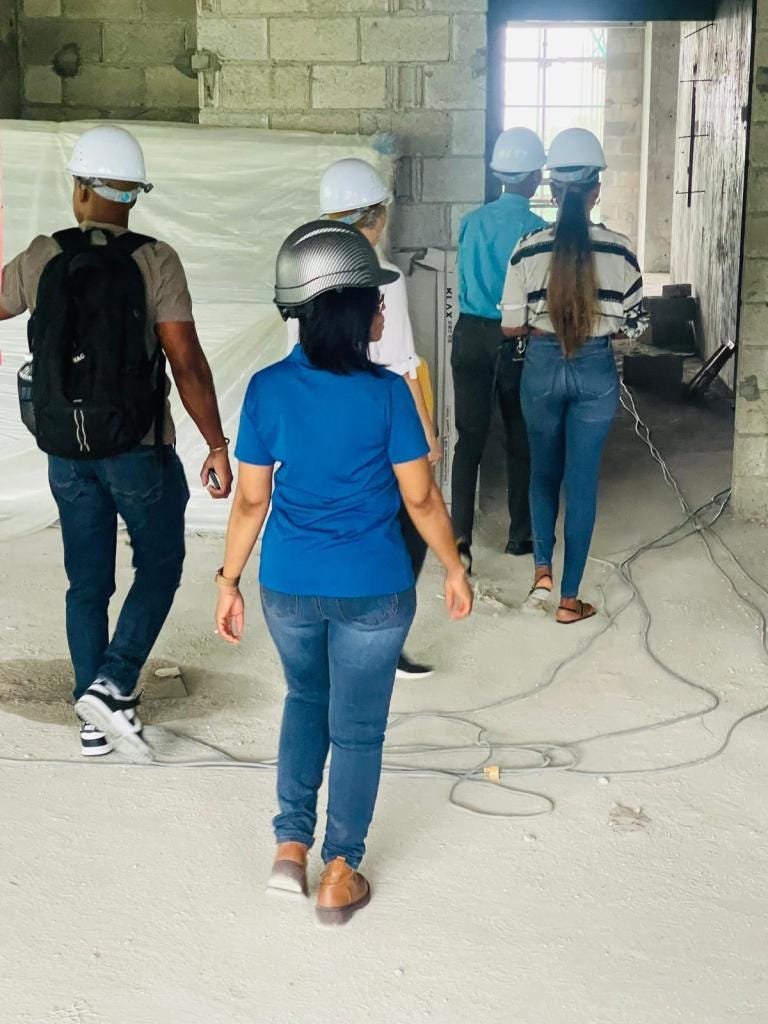
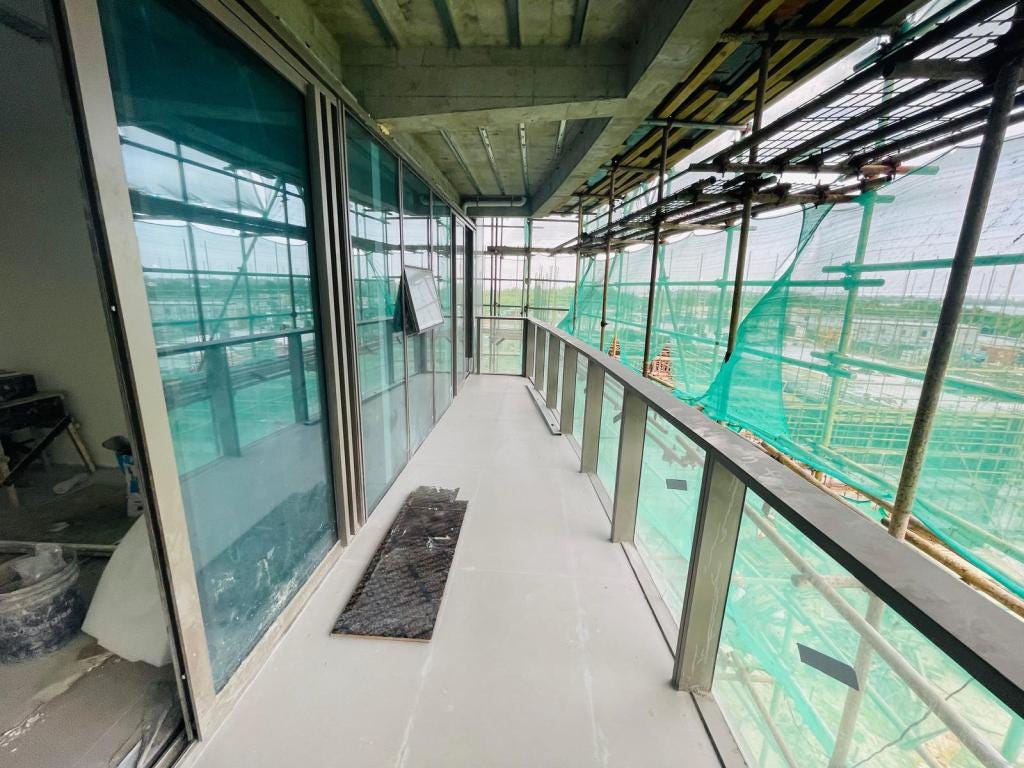
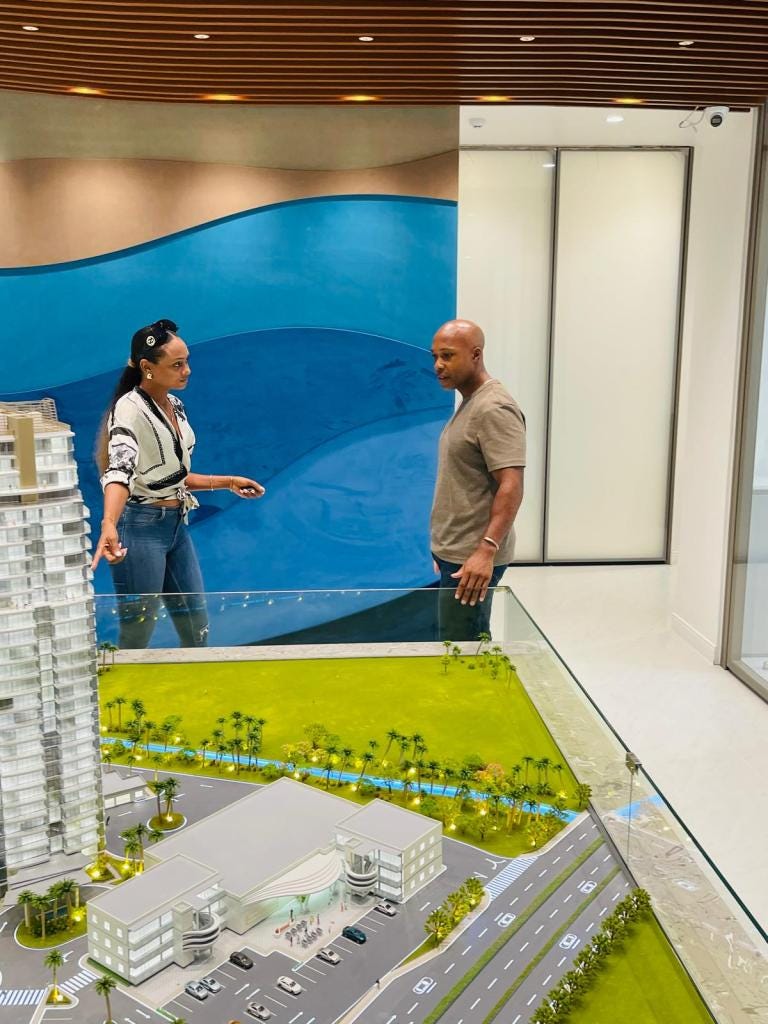
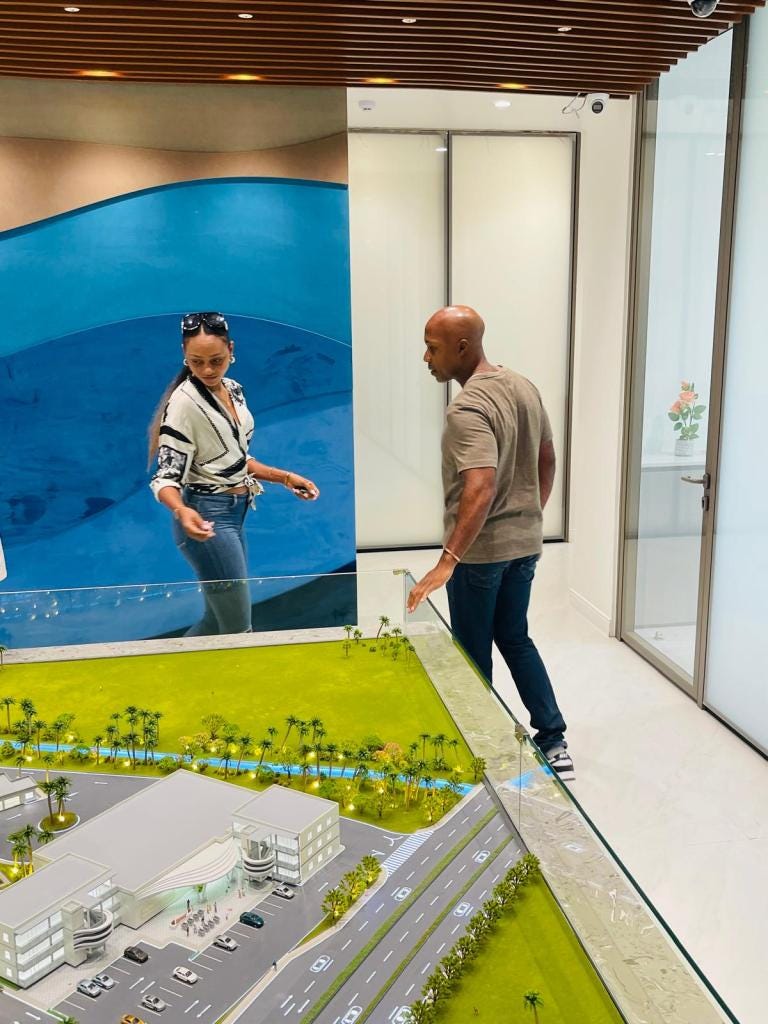
It’s not just the interiors that captivate; the sense of space is extraordinary. The ceilings, the light pouring through large windows, the thoughtful flow from room to room—these are apartments that breathe. Jayden, one of the dedicated members of the internal team, guided us through the layout with infectious pride. It’s clear that every corner has been meticulously considered, every detail scrutinized to ensure that The Pinnacle is not merely a building, but a place where life can flourish.
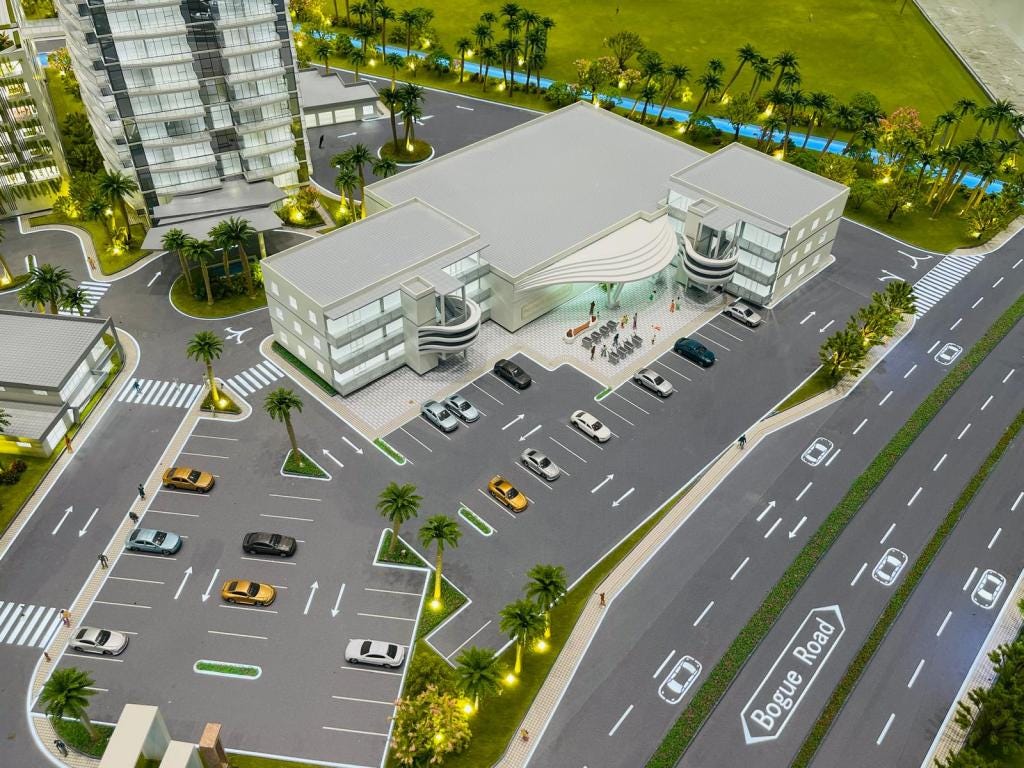
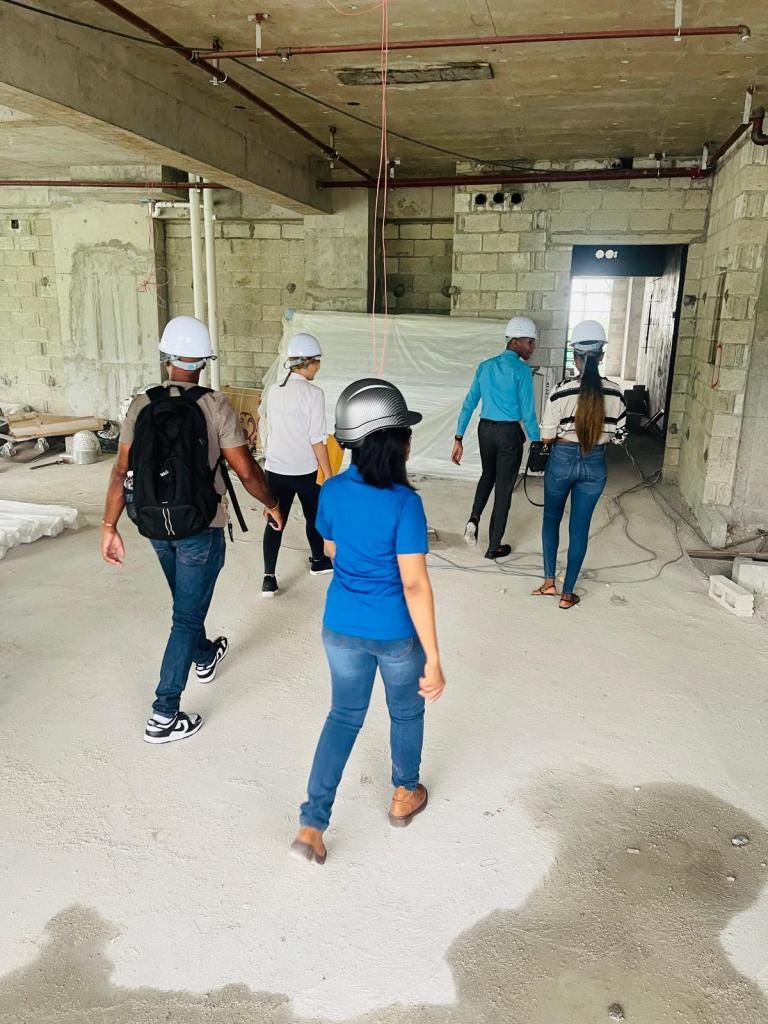
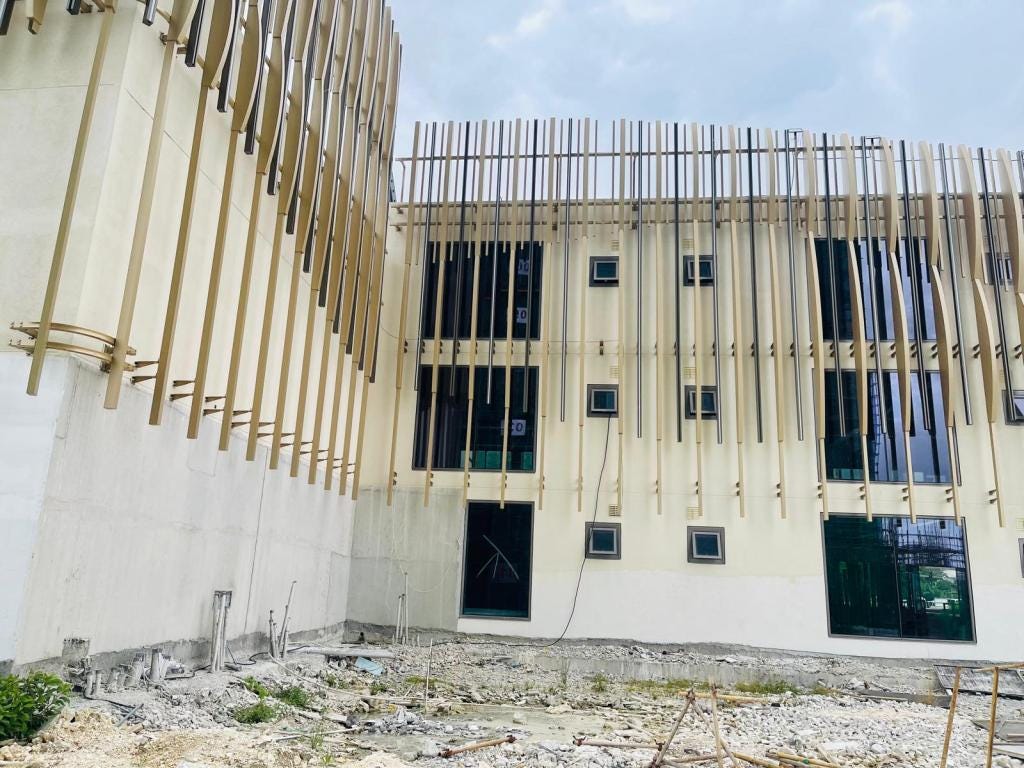
Beyond Canary, the commercial centre is beginning to take its own shape. The building has progressed beautifully, balancing functionality with aesthetic appeal. It’s the kind of space that hints at a vibrant community hub, where residents and visitors alike can come together. Walking through it, you can almost hear the echoes of future conversations, the laughter of families, and the quiet hum of work-life blending seamlessly against a backdrop of carefully curated design.
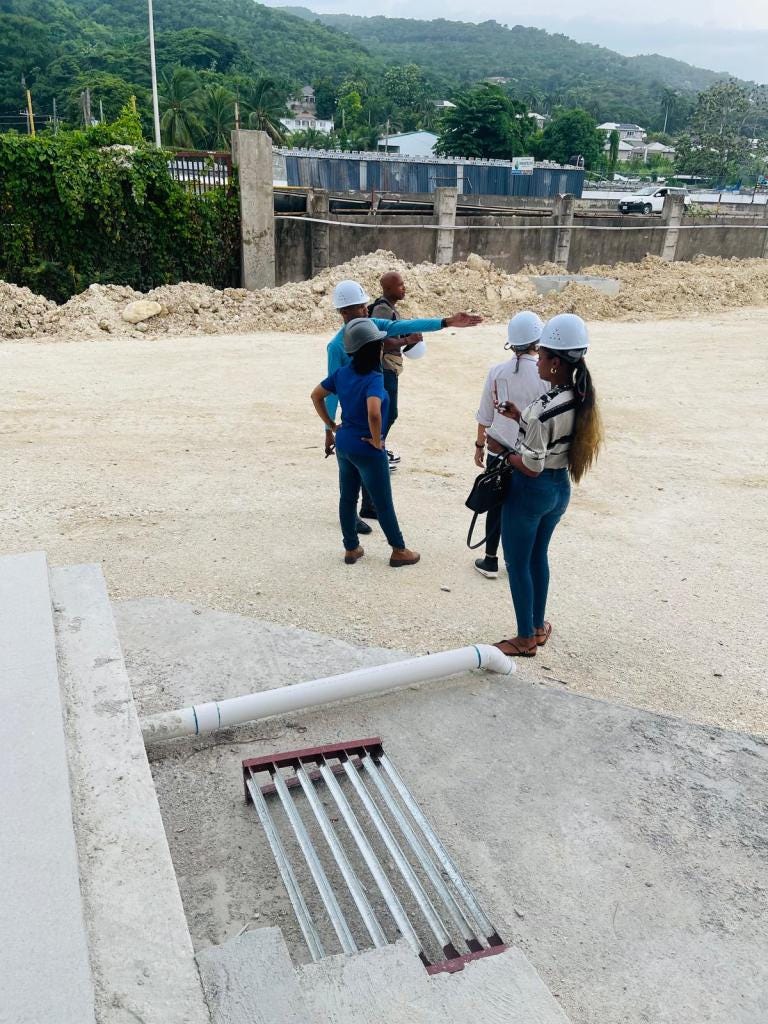
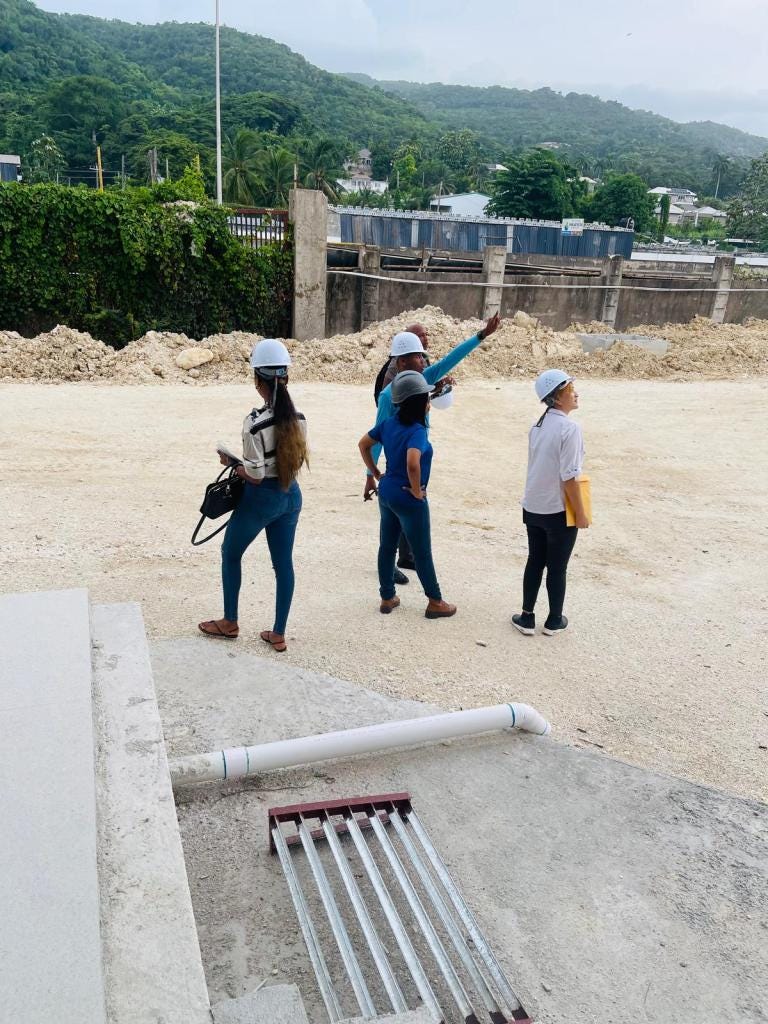
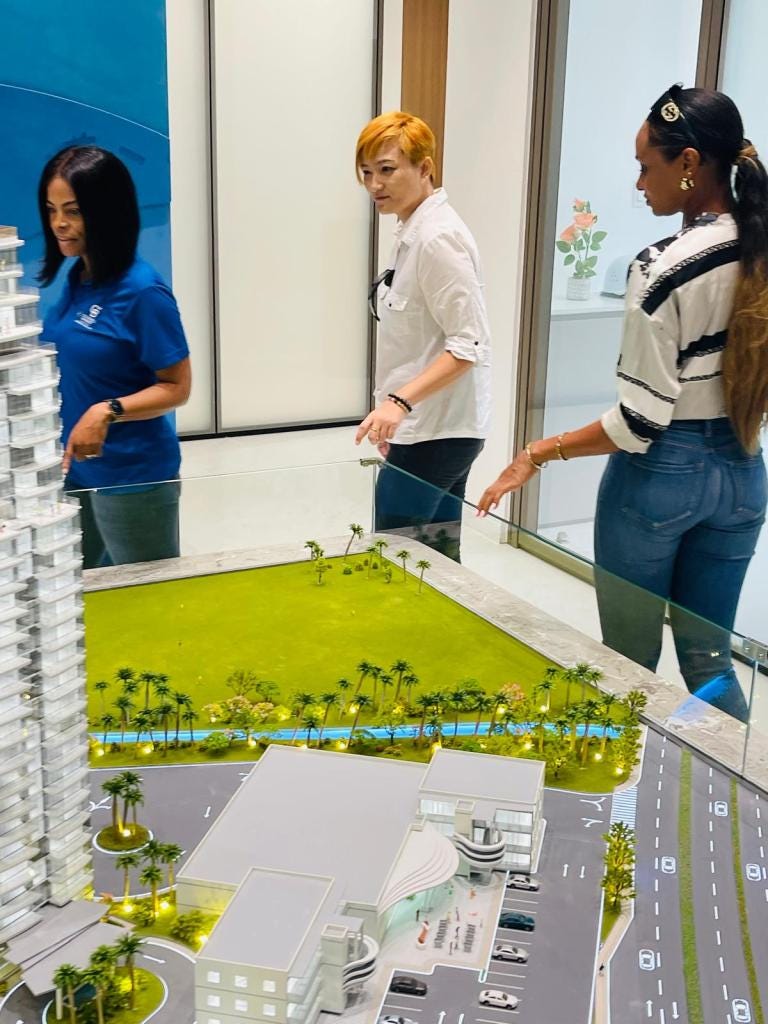
It was an absolute pleasure to be back on-site with the team from Coldwell Banker, Jamaica Royalty. There’s something about revisiting a place in progress—it allows you to pause, to appreciate how far a vision has come, and to imagine its potential fully realized. From left to right in our main shot: Dean Jones, Anita Baker, Minjun Zeng, and Keesha Answer-Williams, joined by a dedicated staff member from The Pinnacle, stood together like a small but determined cohort, united by the shared excitement of bringing this project to life.

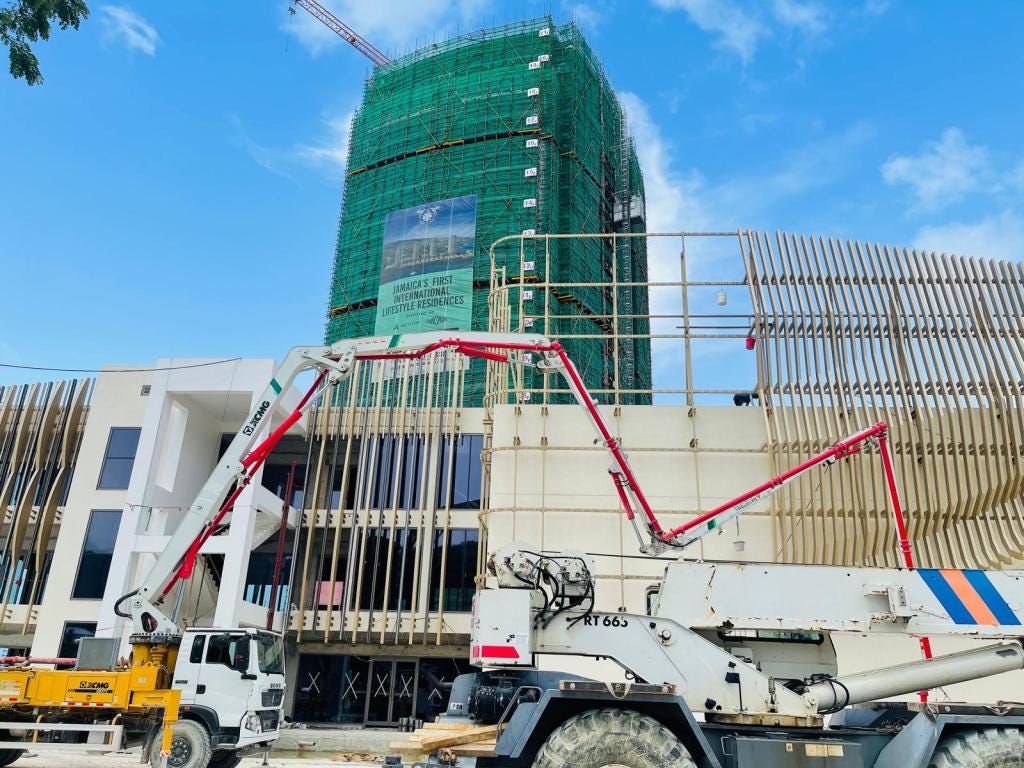
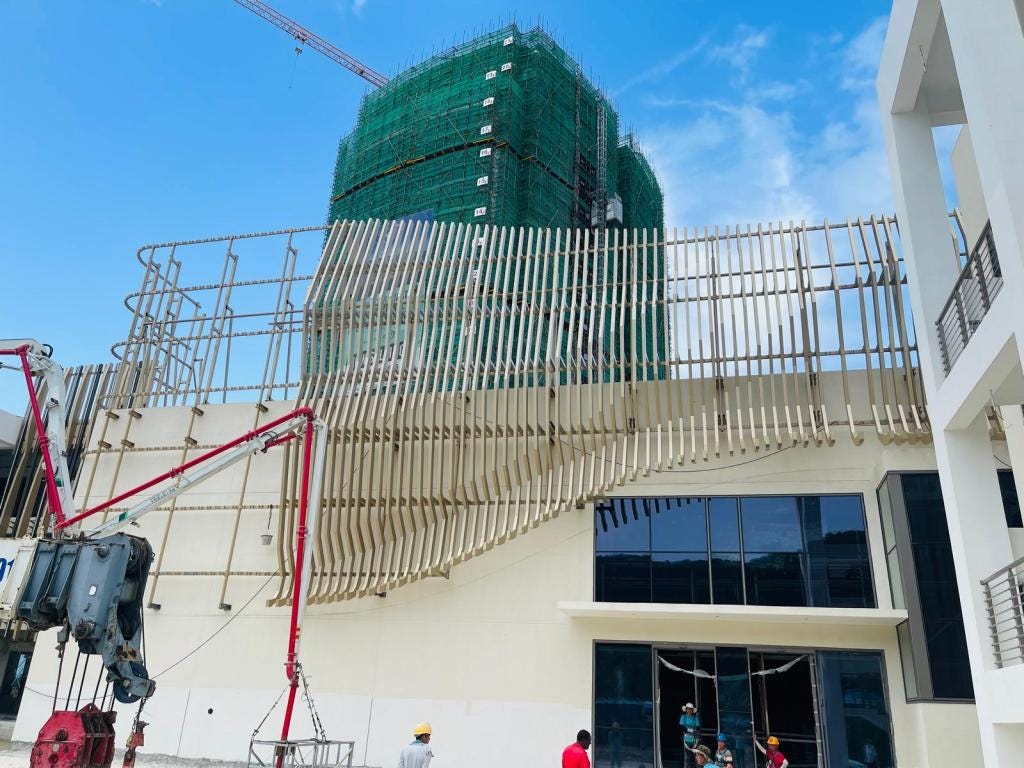
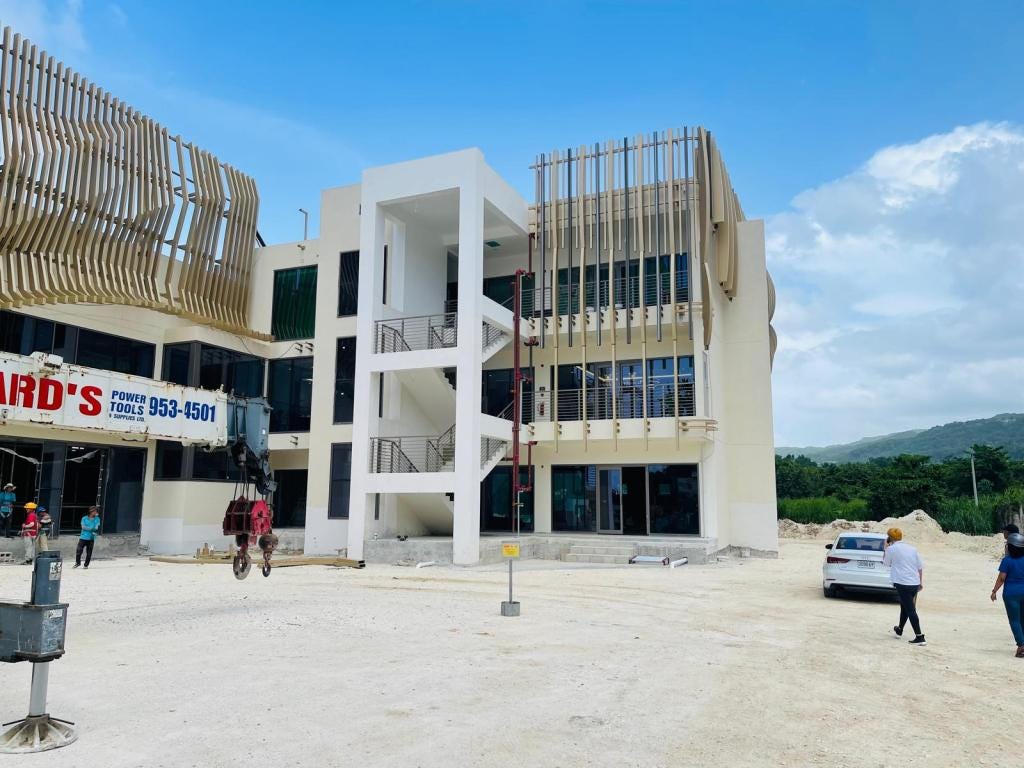
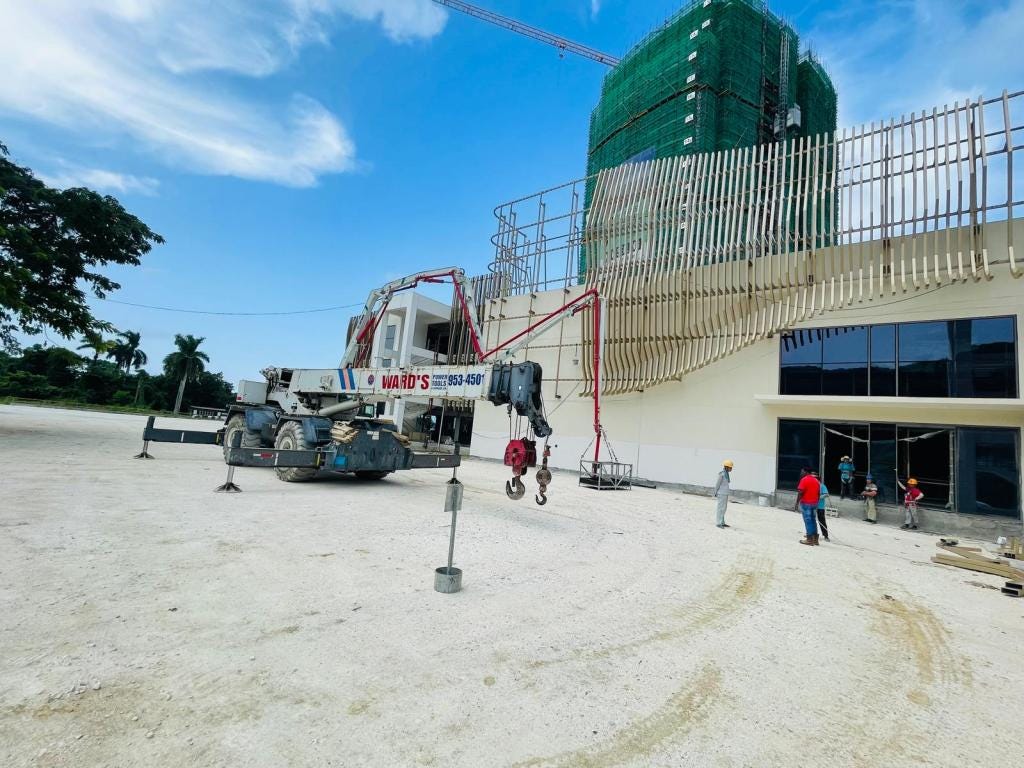
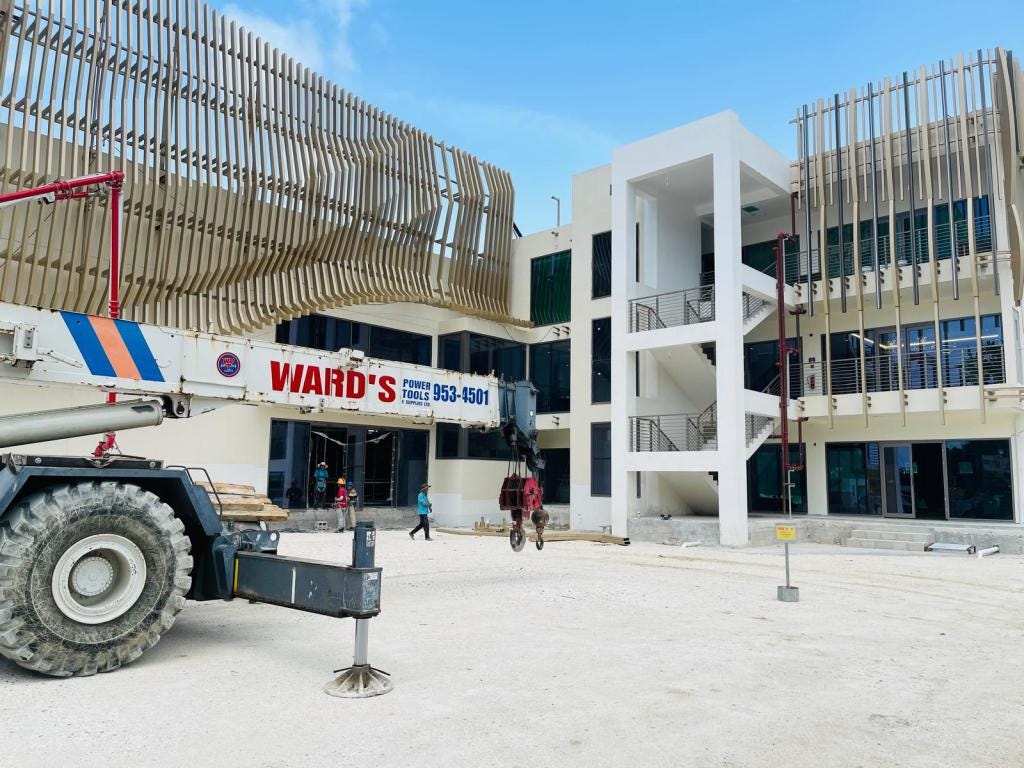
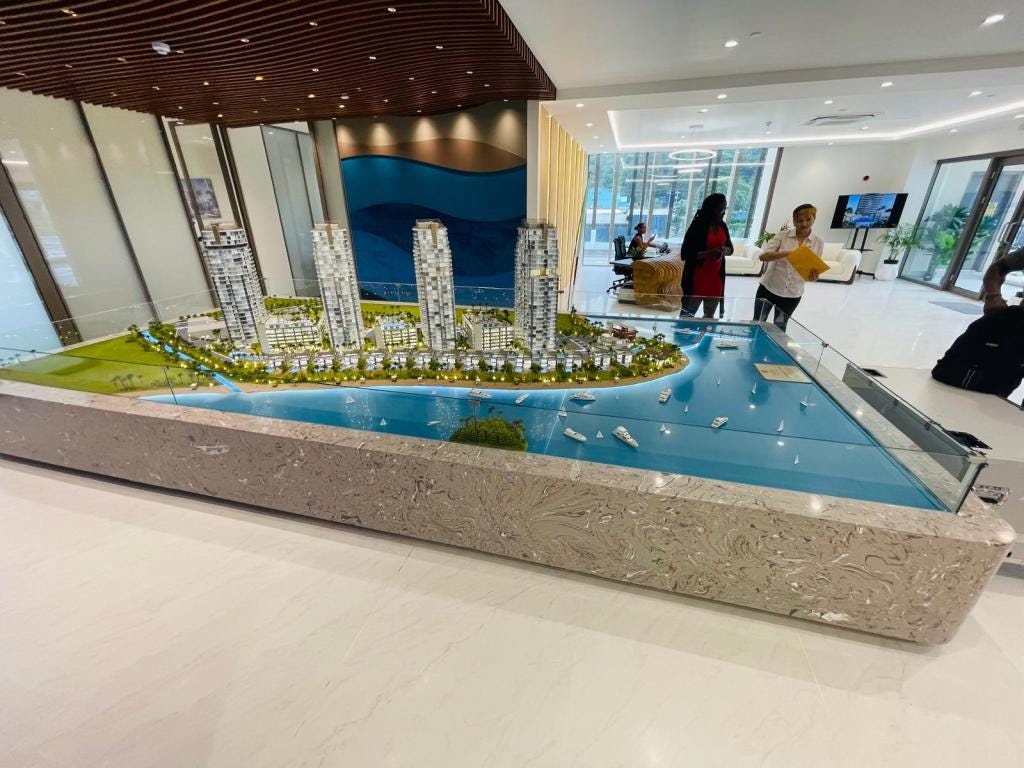
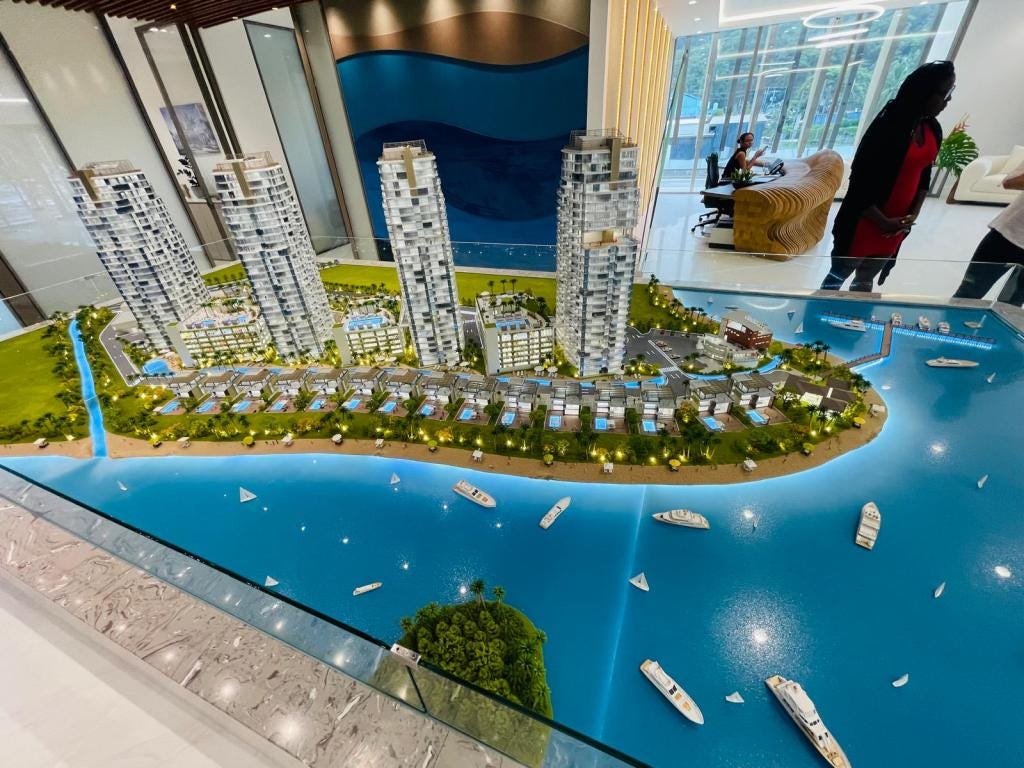
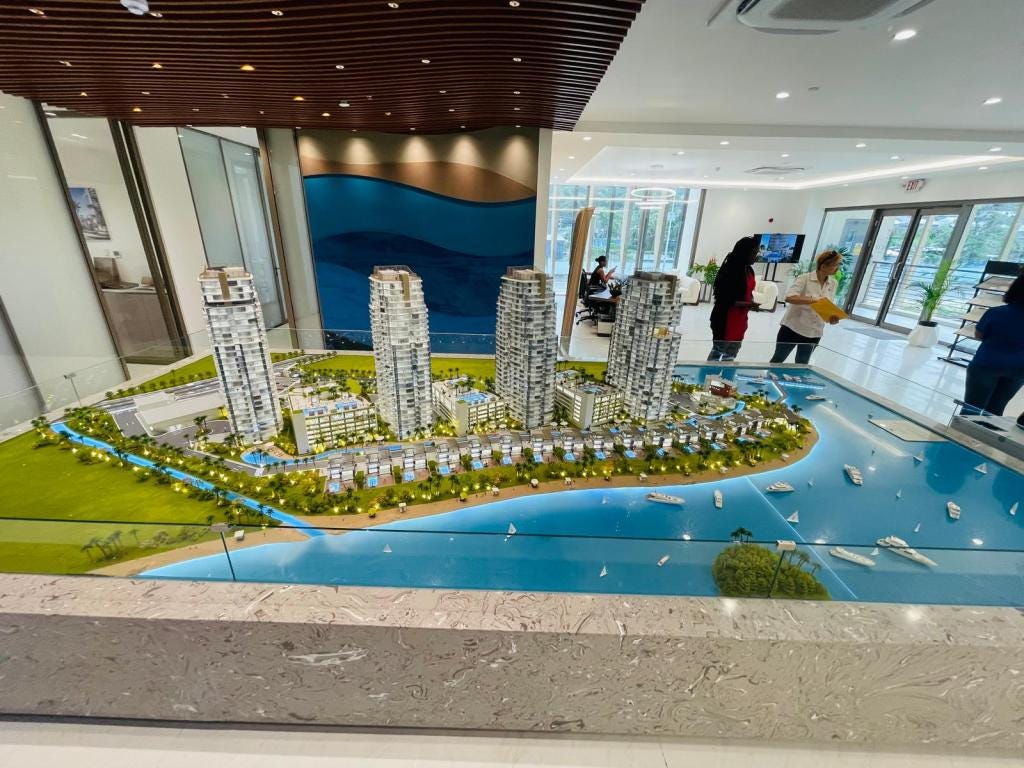
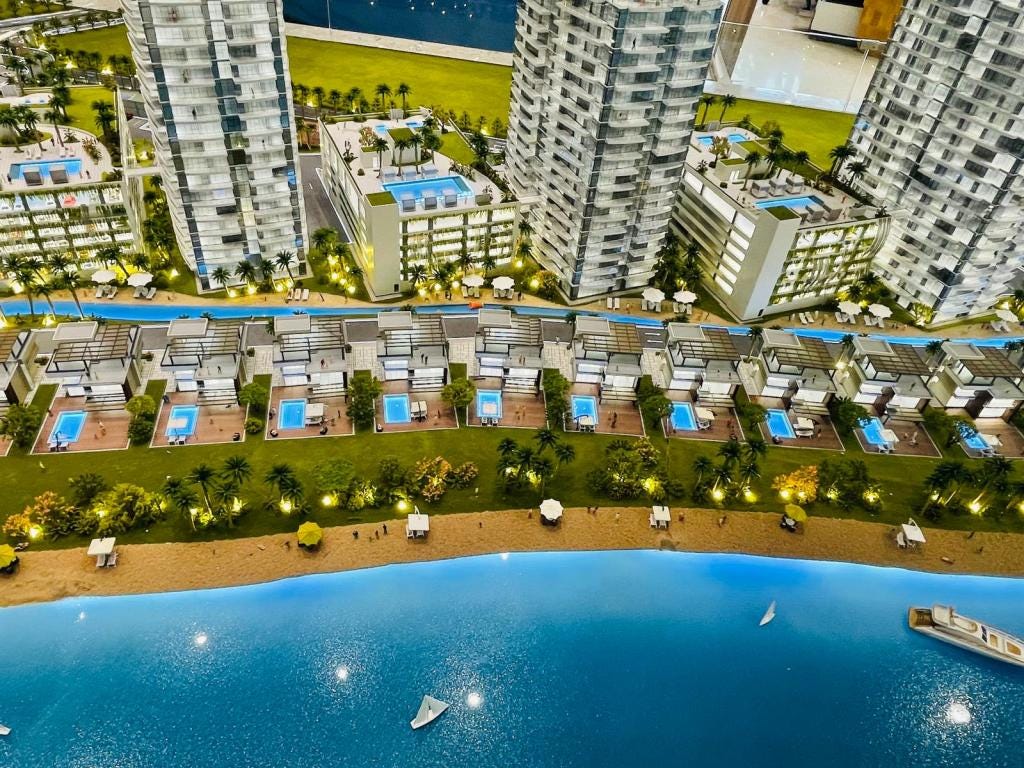
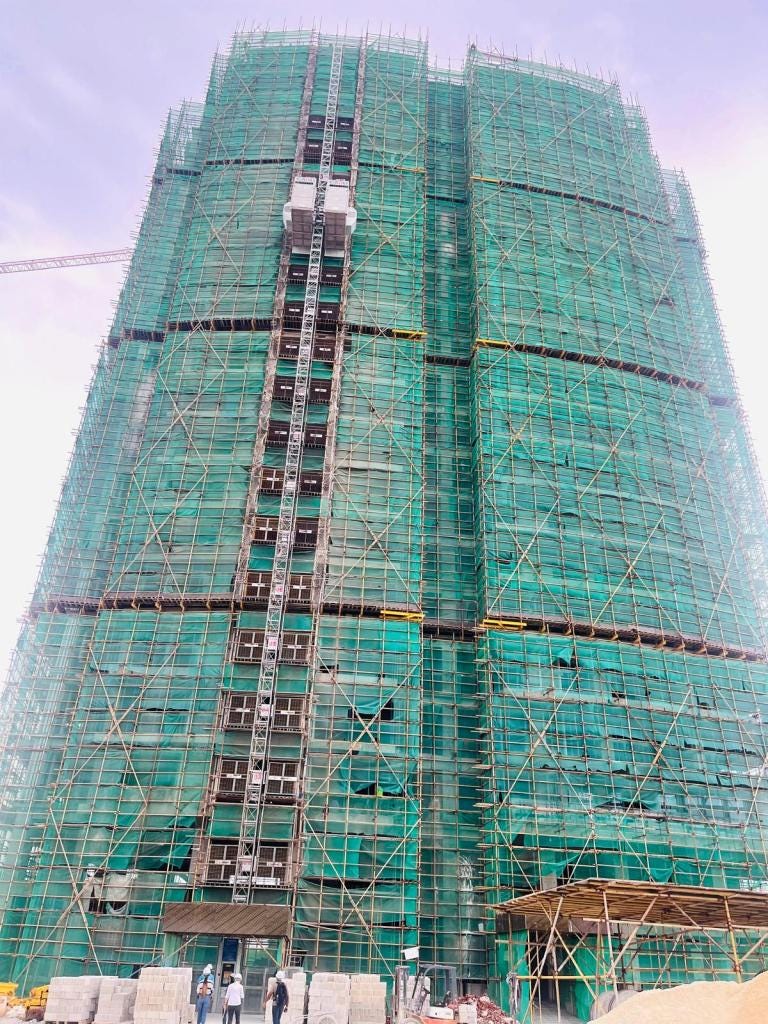
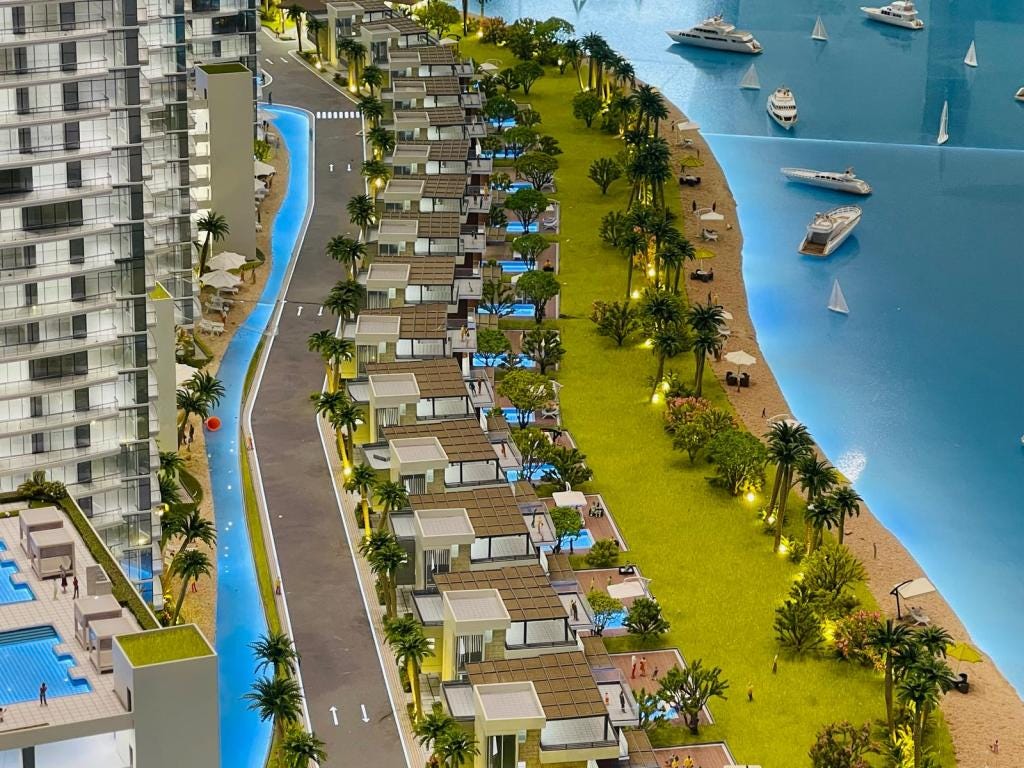
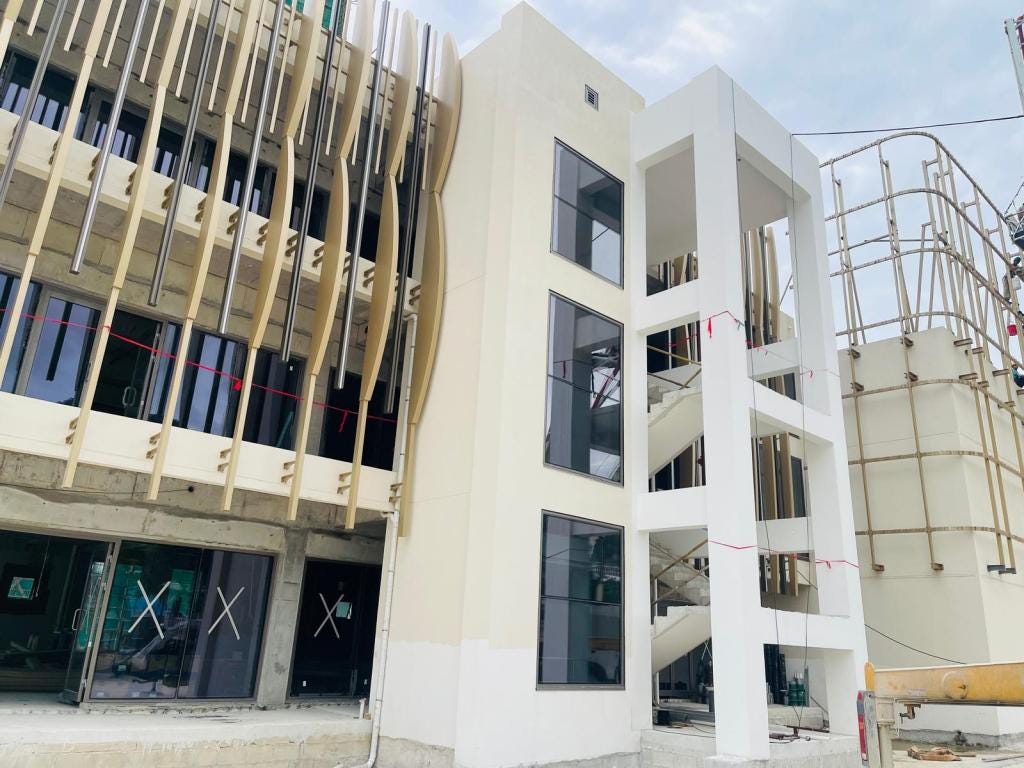
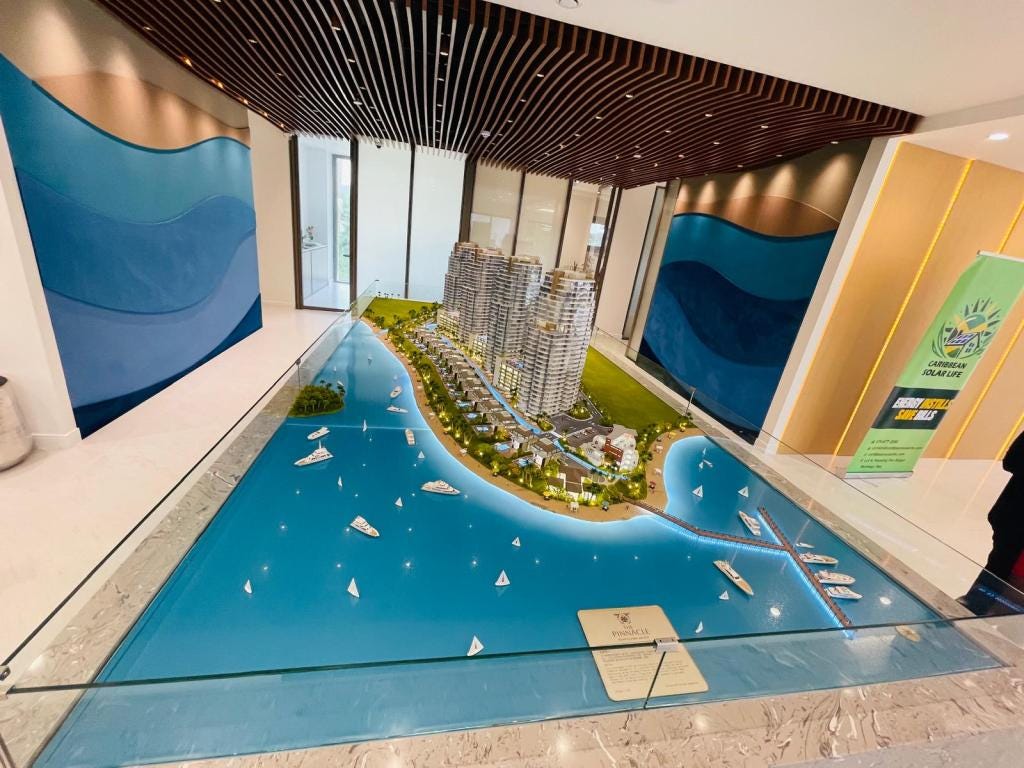
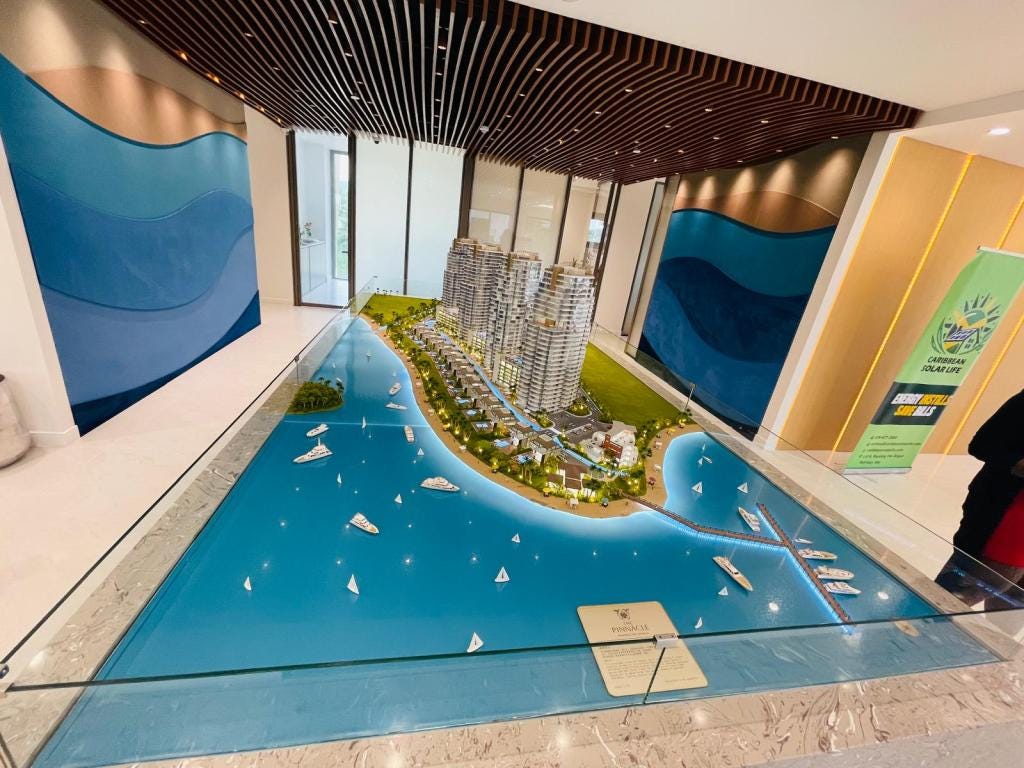
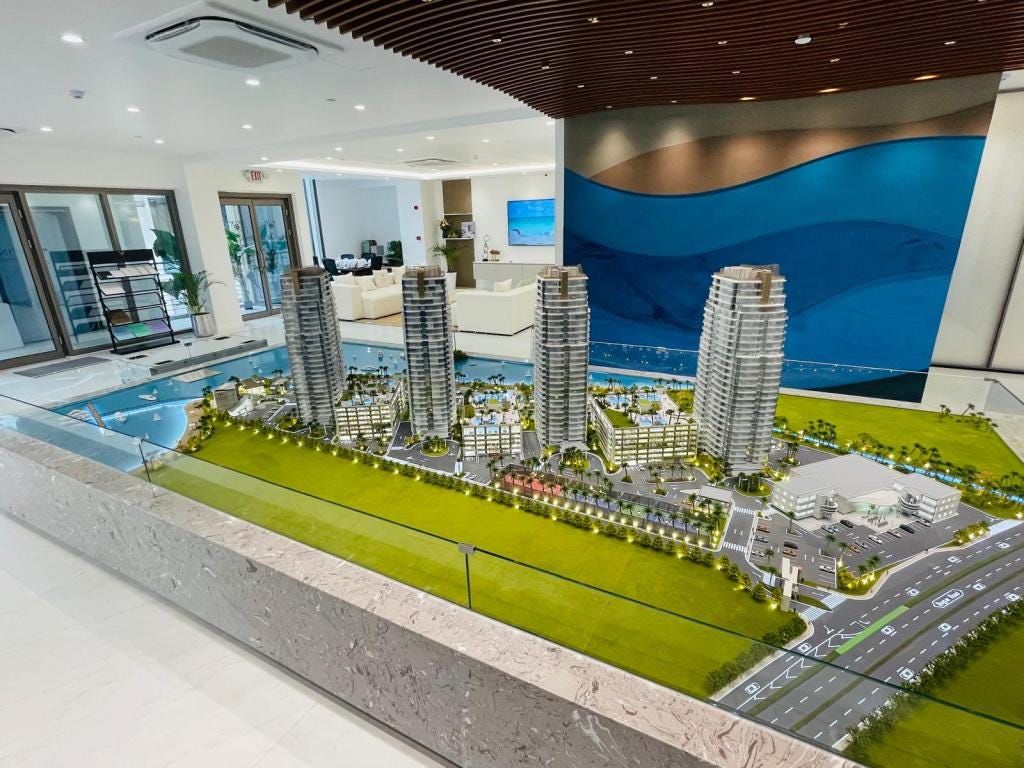
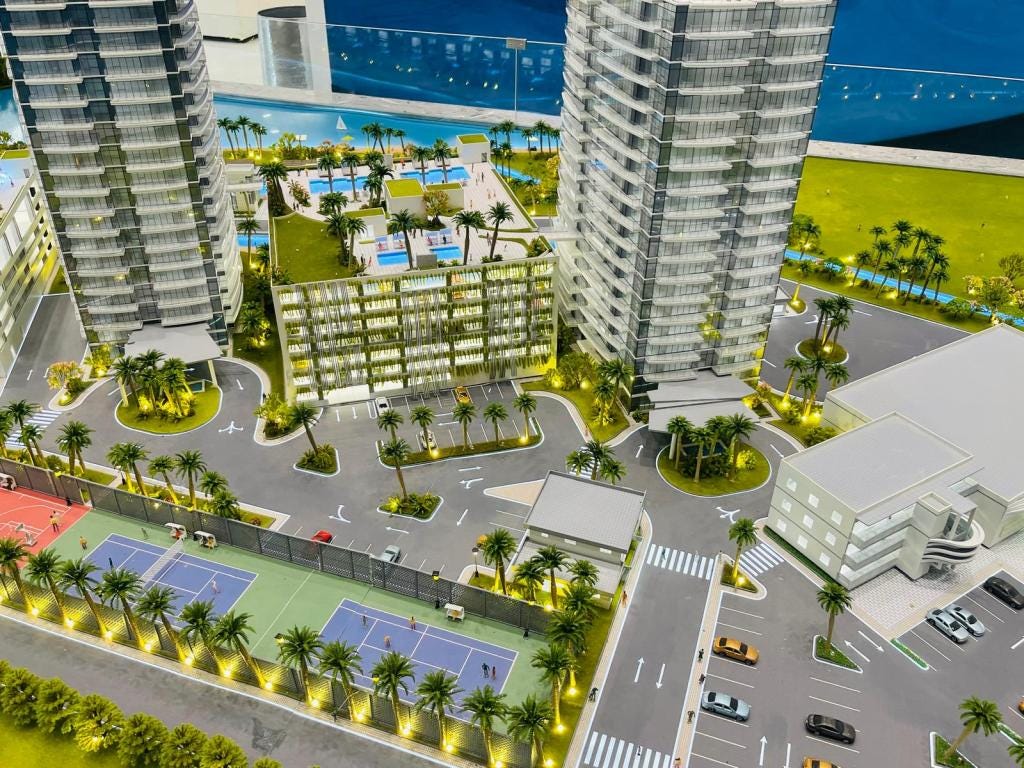
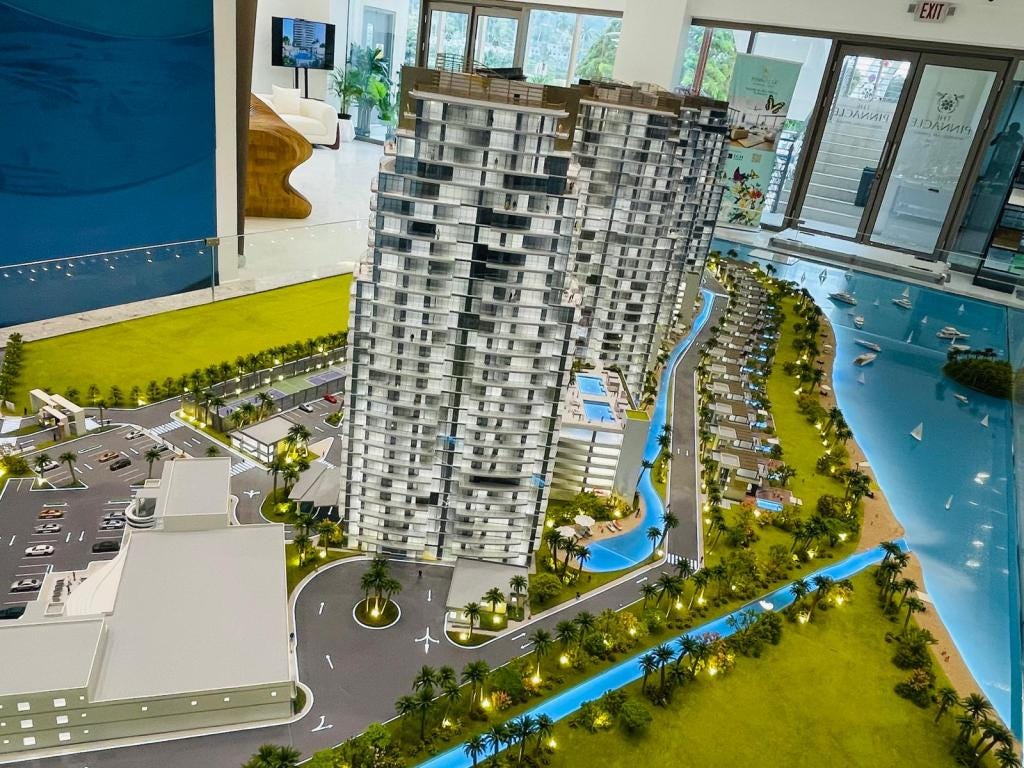
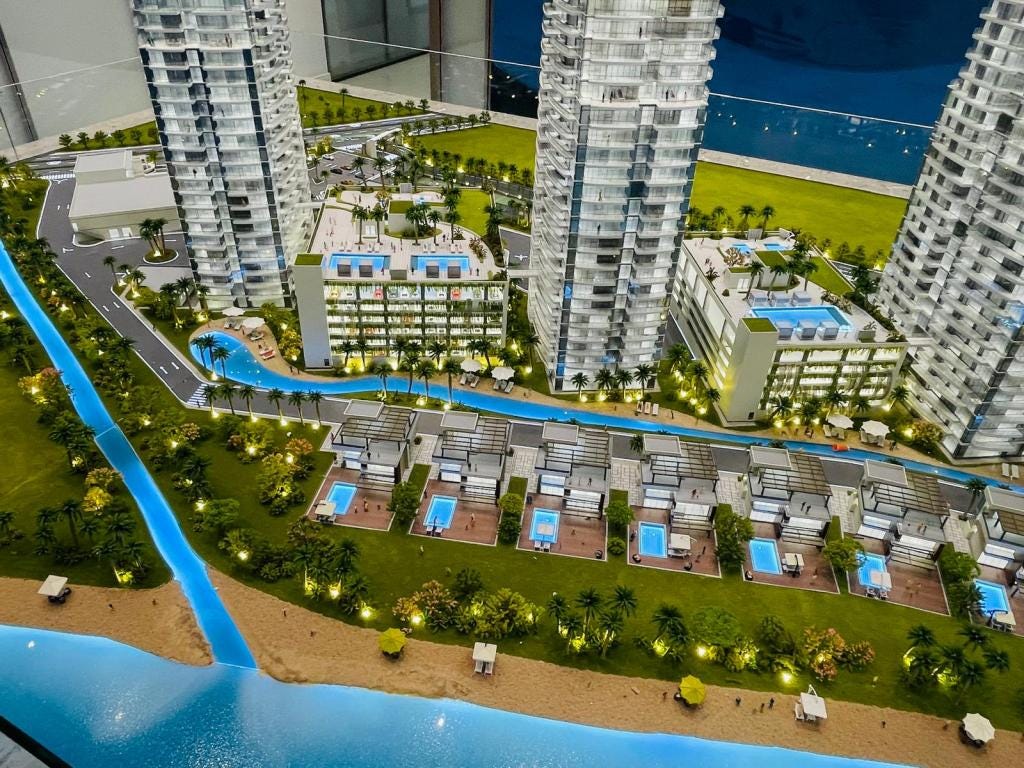
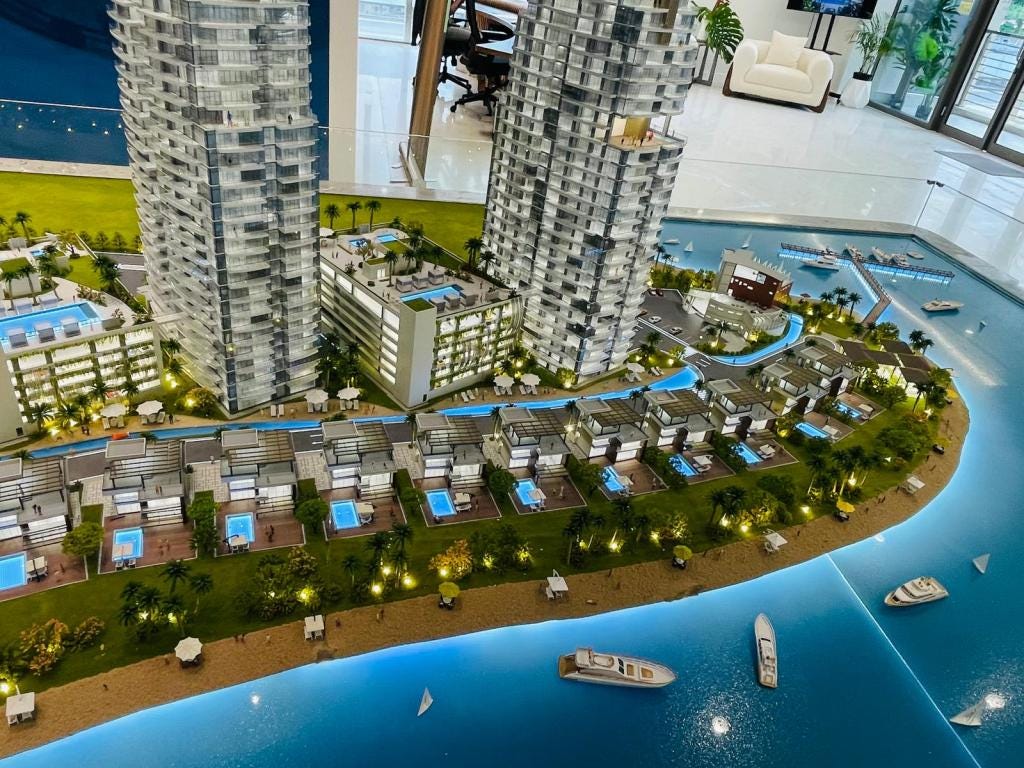
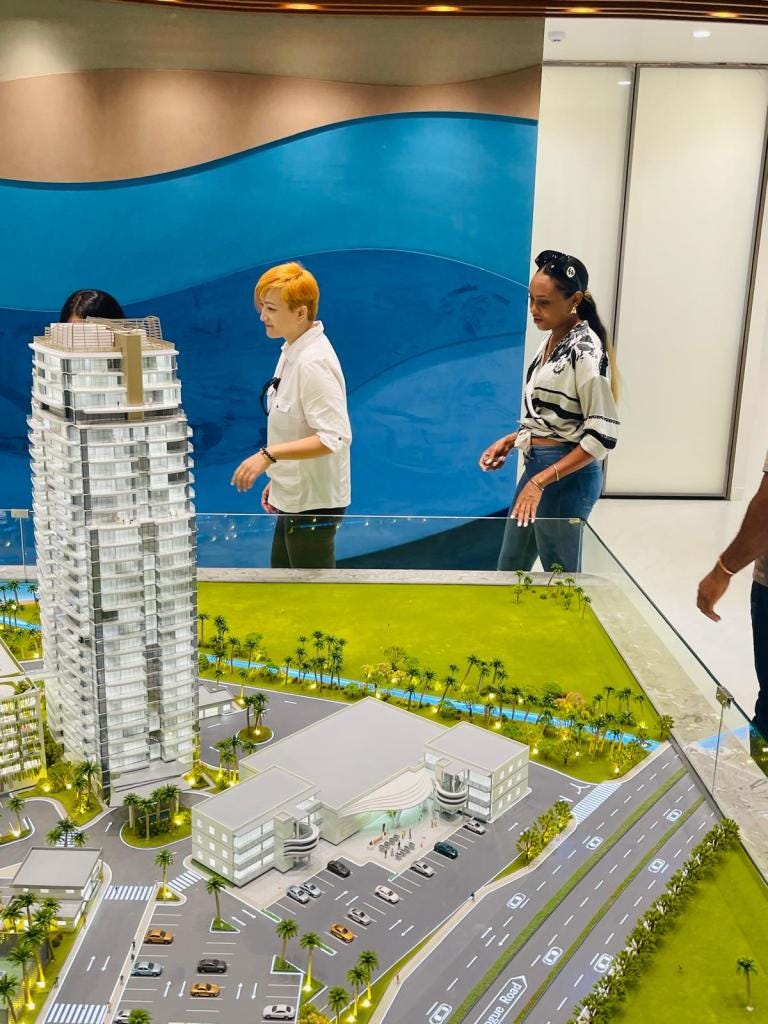
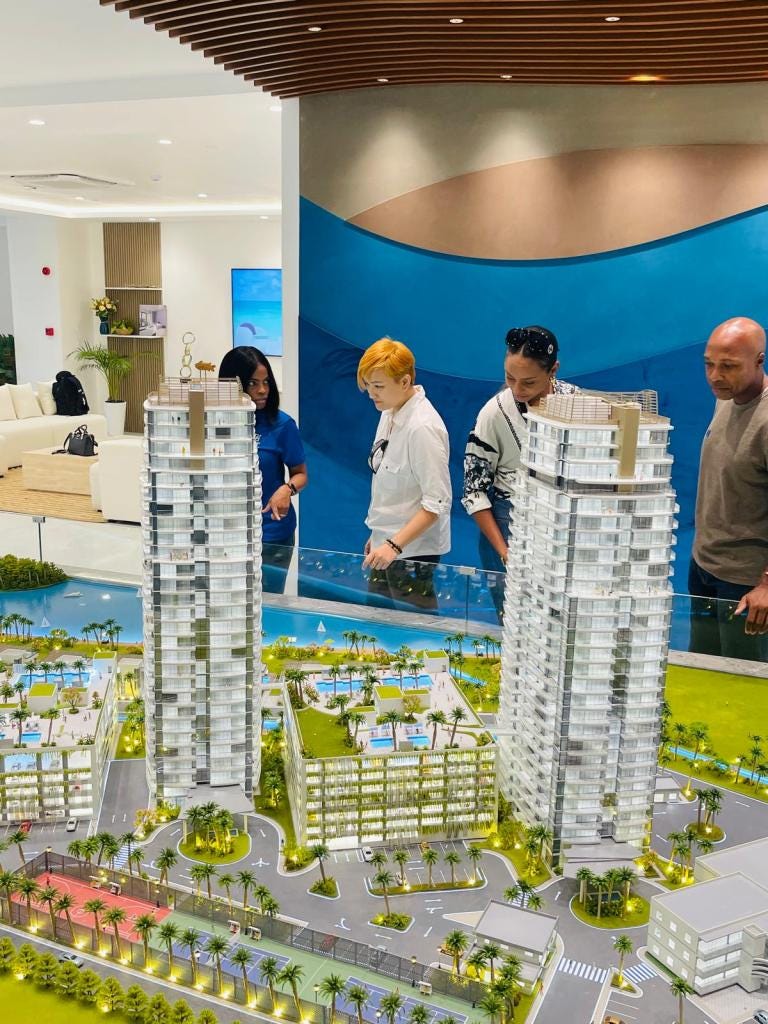
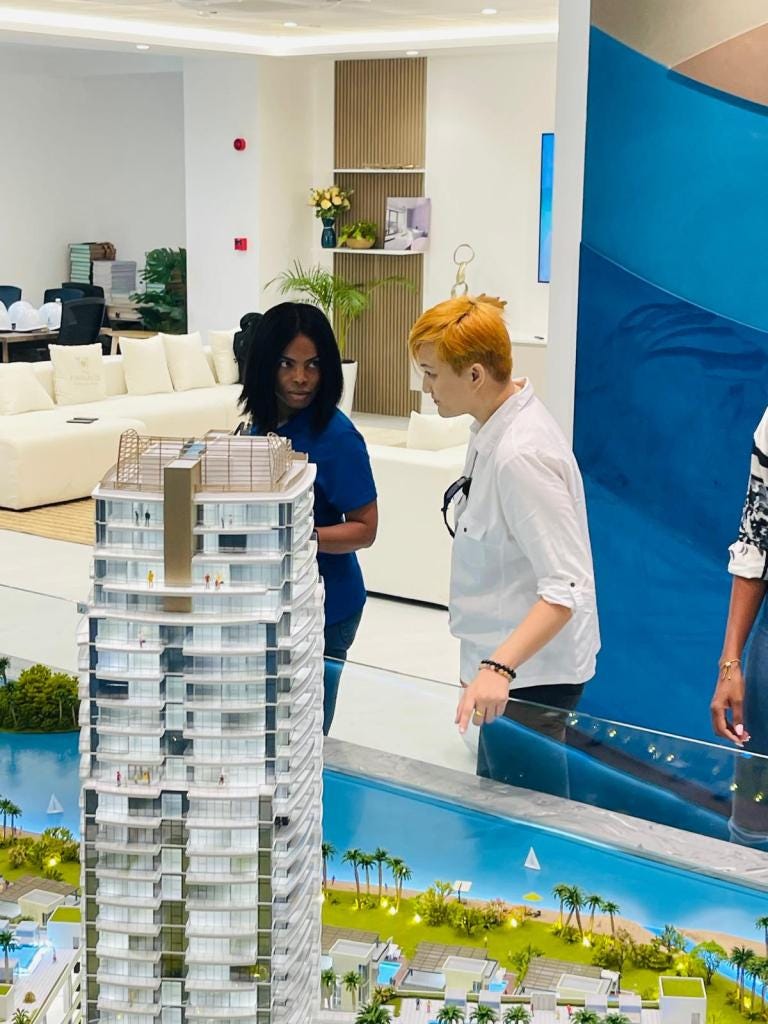
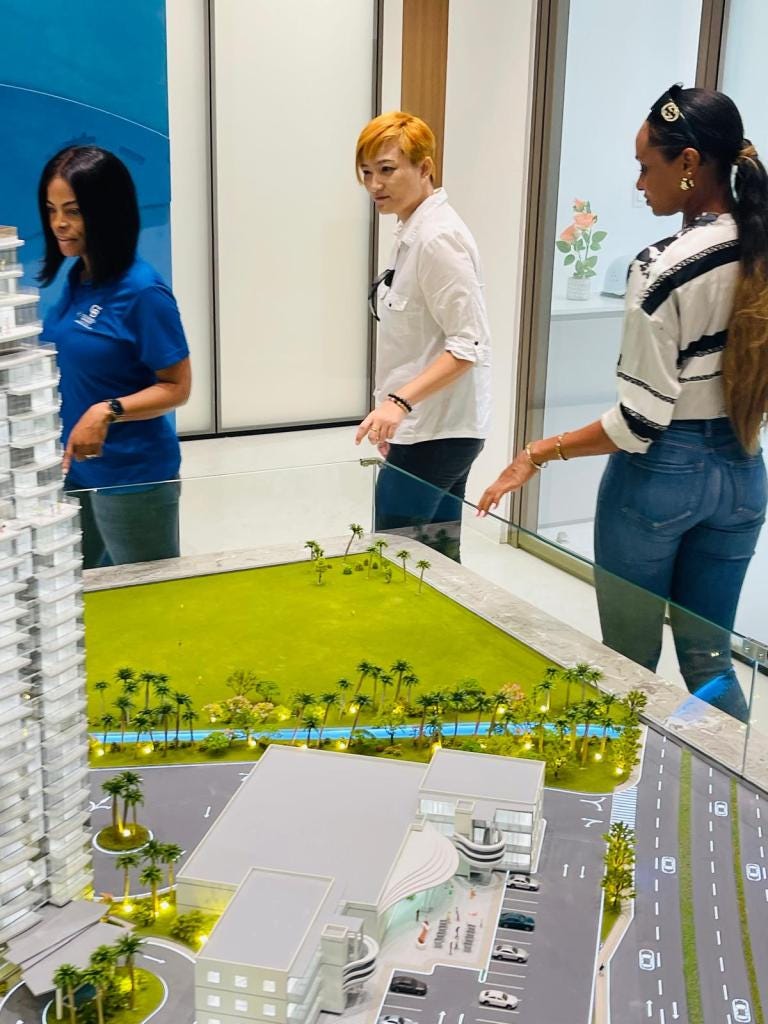

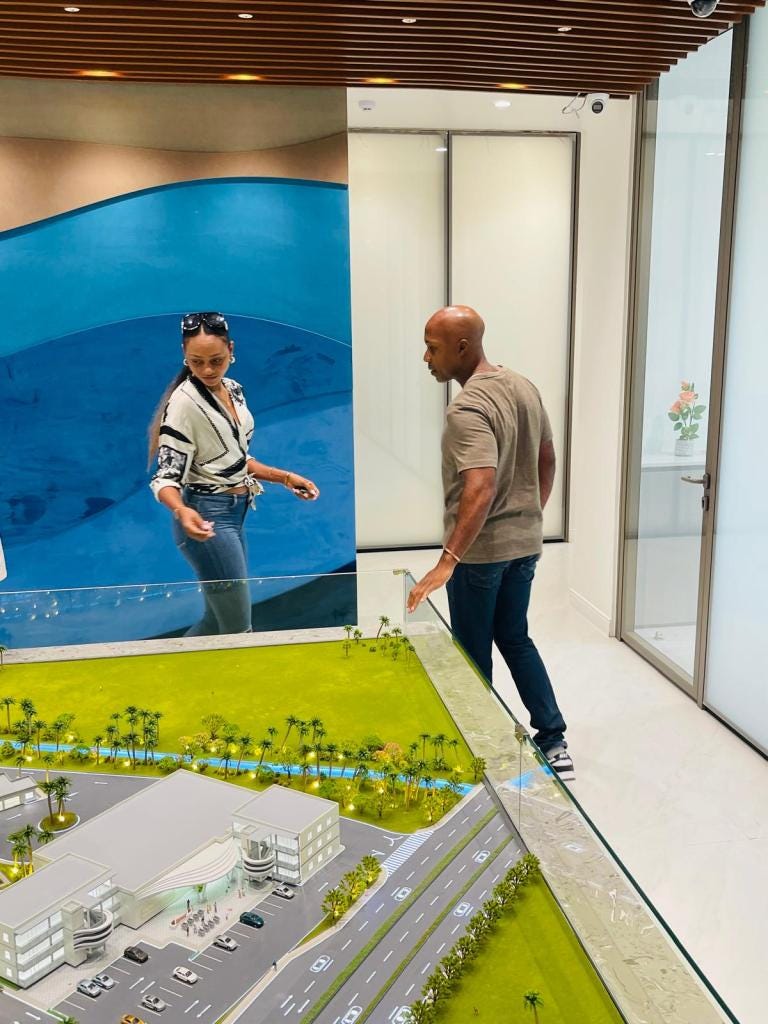
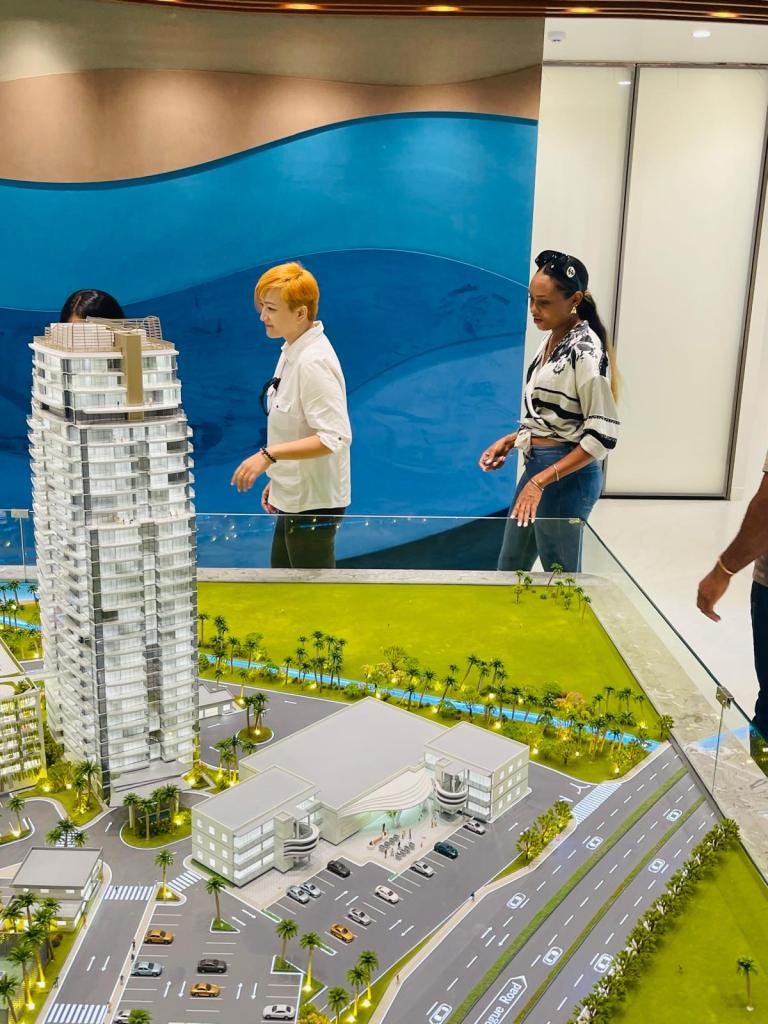
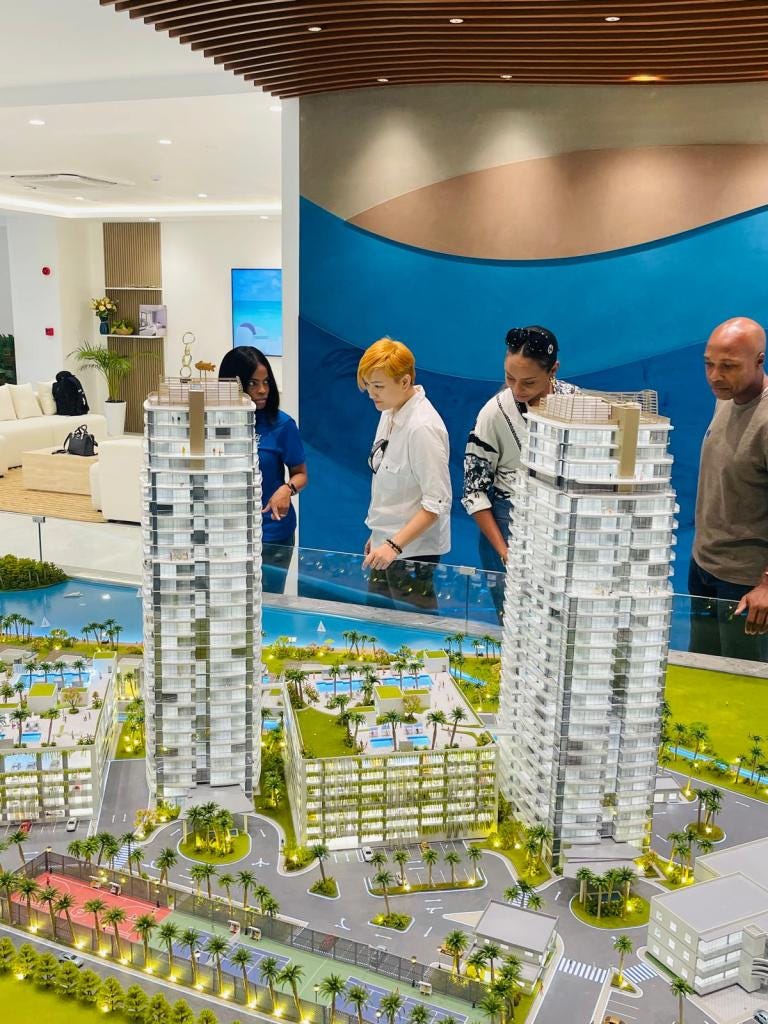
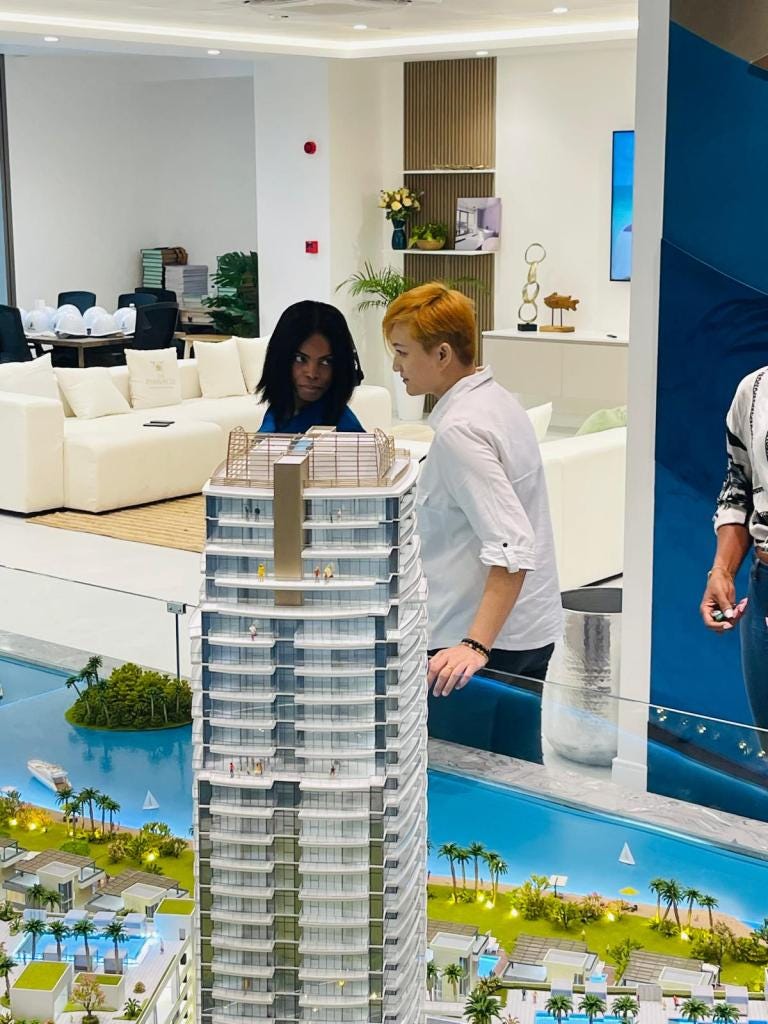
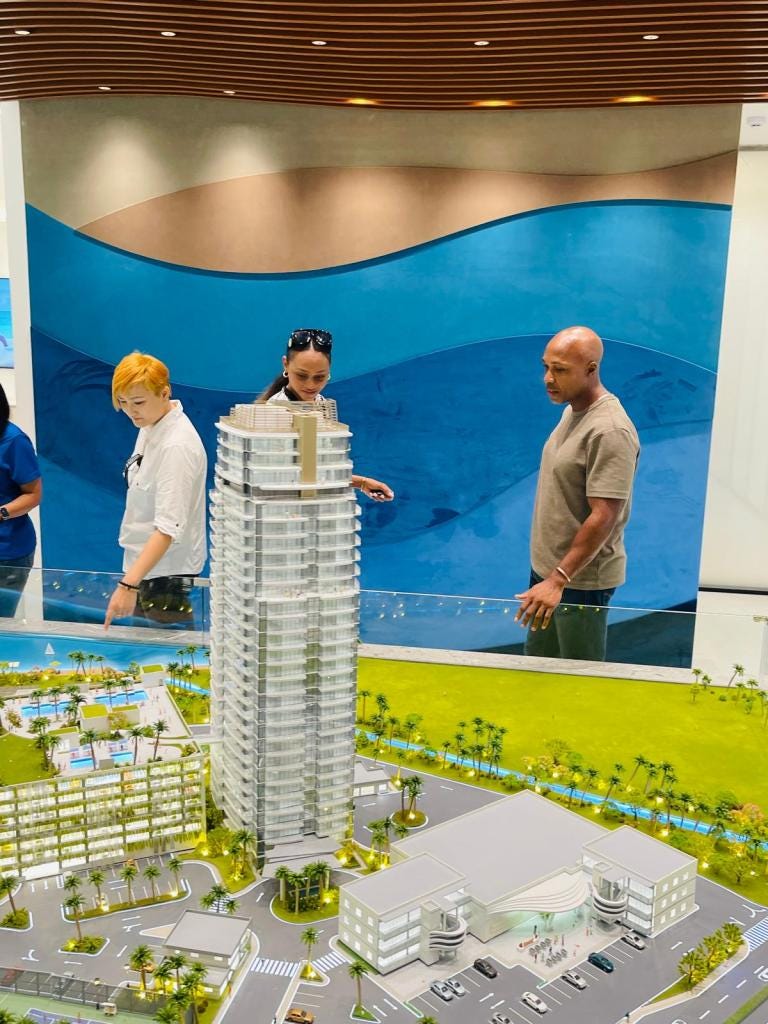
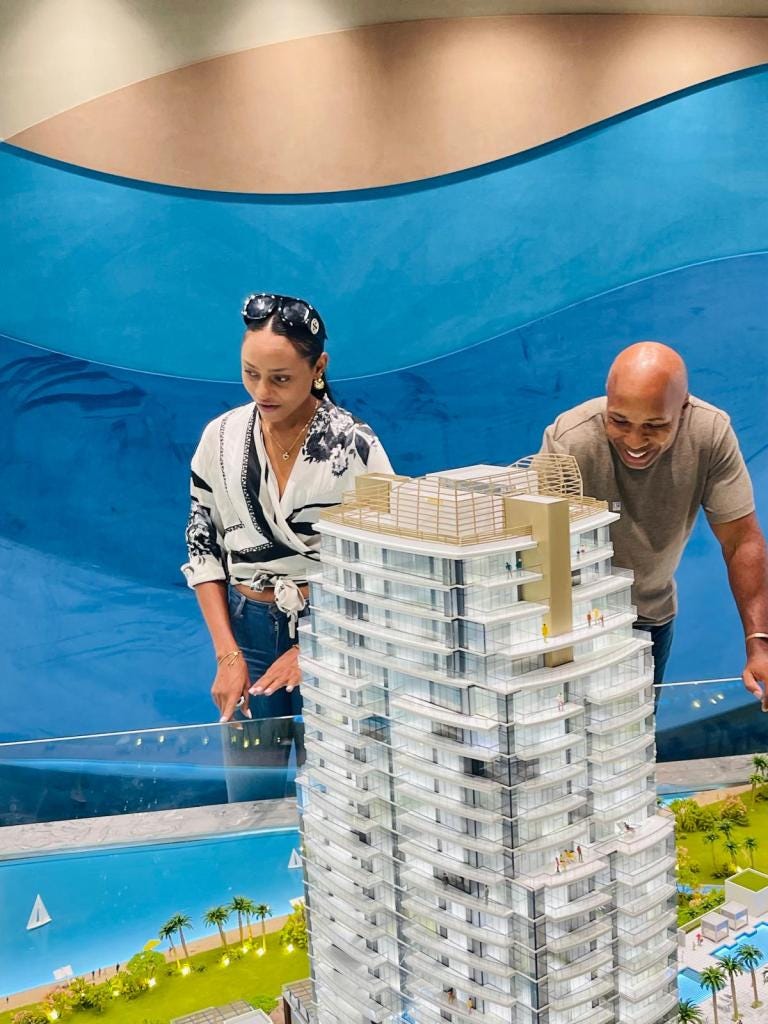
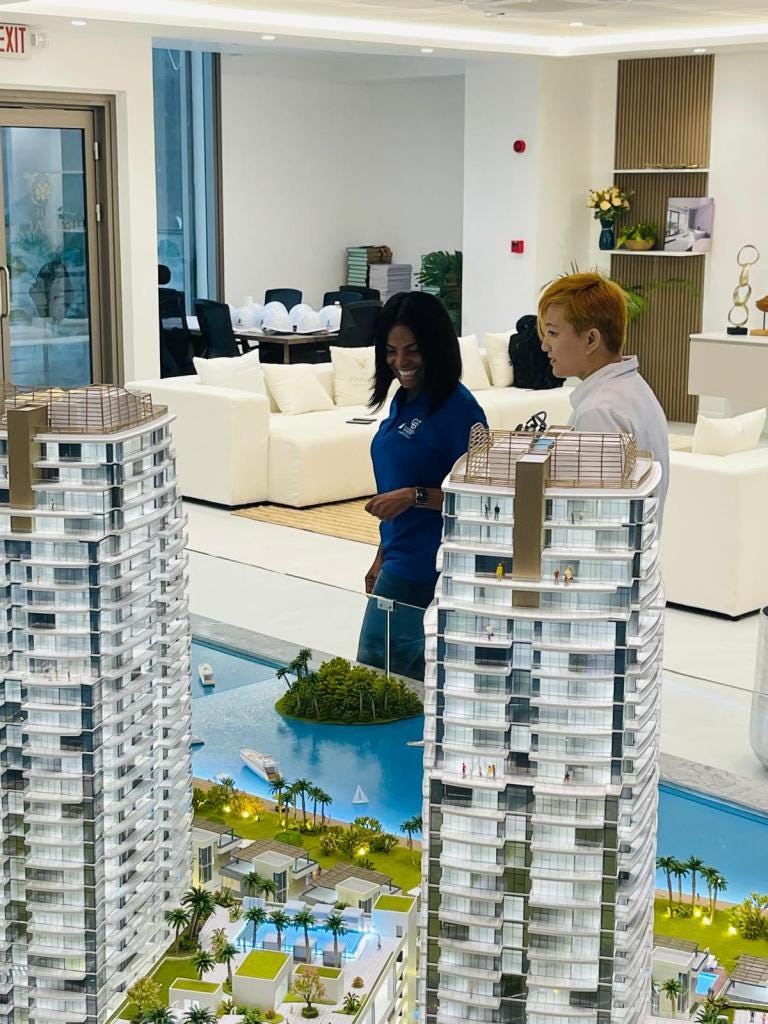
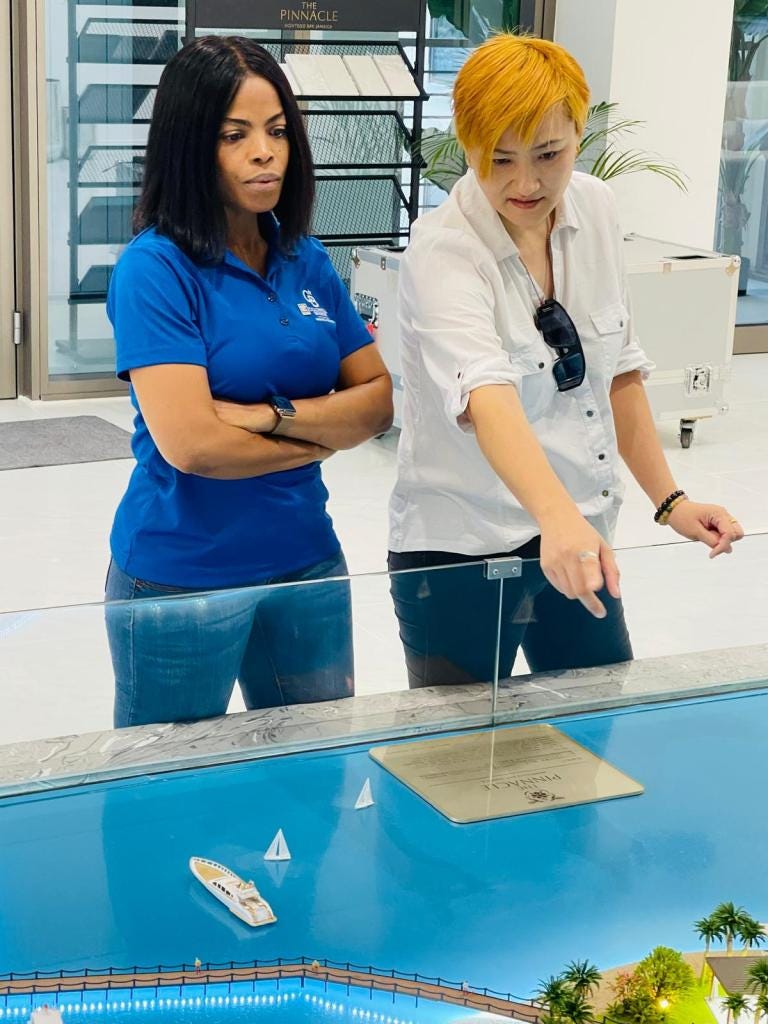
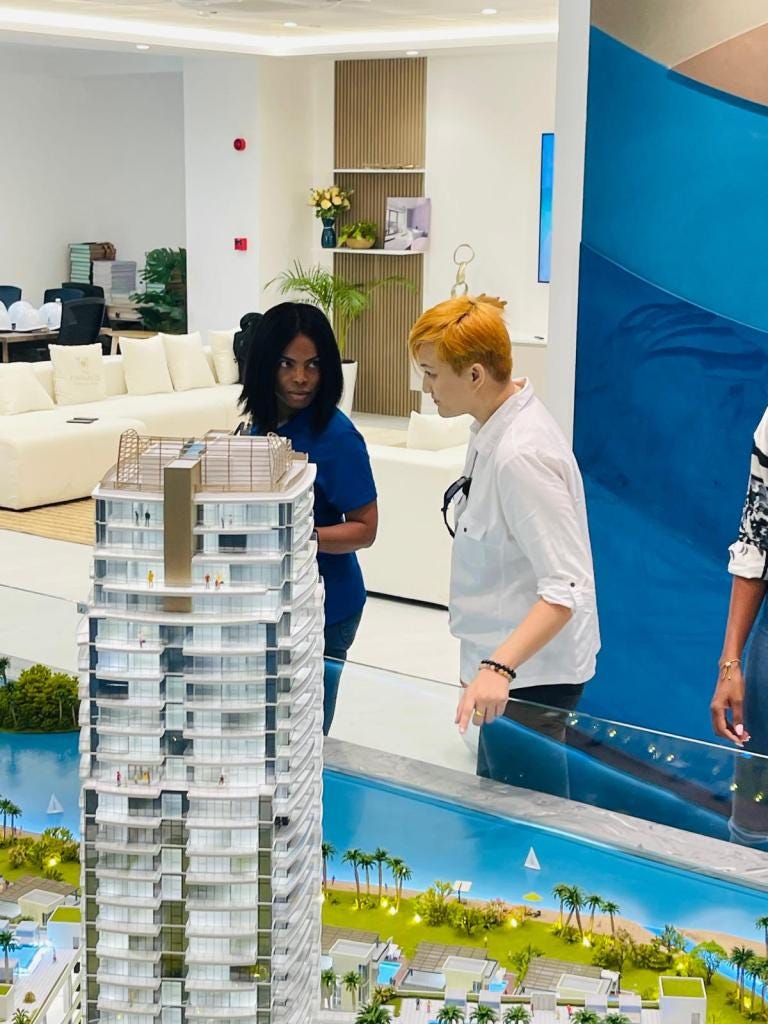
What we see now, here on the edge of Montego Bay, is a project that dares to reinterpret that legacy. The Pinnacle does not mimic history, nor does it erase it. Instead, it takes the essence of Jamaican architectural tradition — the openness to the sea breeze, the dialogue between landscape and living space, the respect for views, verandas, and community — and projects it forward into the twenty-first century.
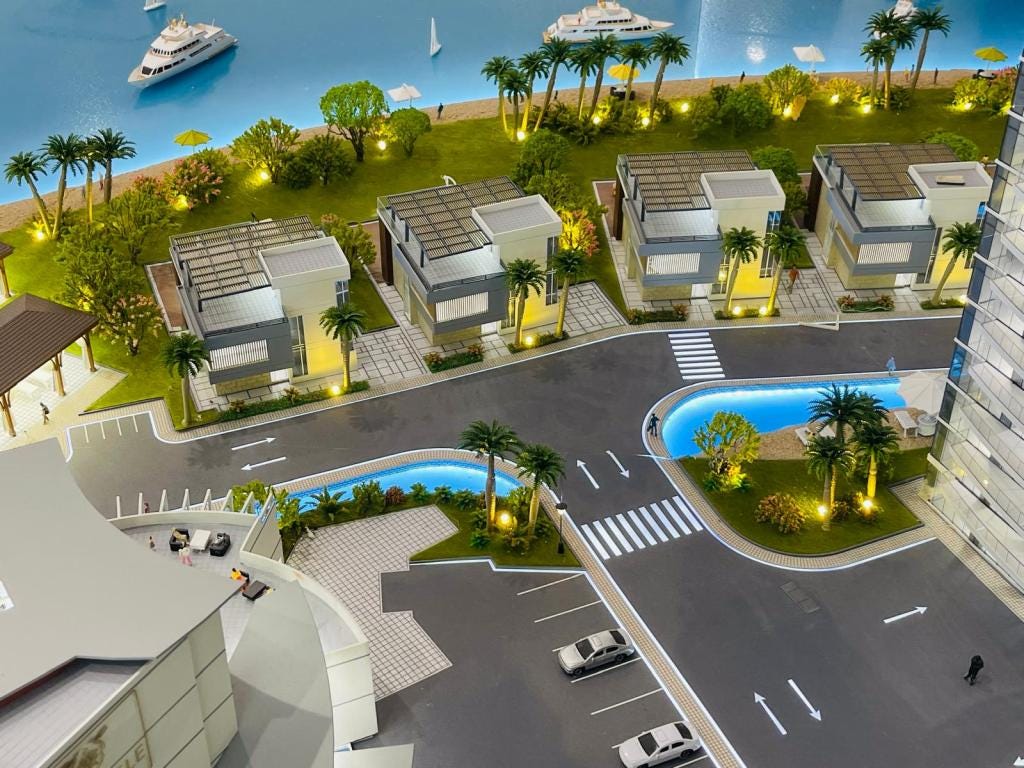
Consider the siting: astride its own peninsula, pushing out into the lagoon. This is not accidental. Jamaica’s architecture has always been about harnessing the island’s greatest asset — its landscape. In the great houses, it was high ground for cooling winds and sweeping views. In the chattel houses of rural parishes, it was portability and lightness, timber frames that could move as lives demanded. The Pinnacle, with its commanding position over Montego Bay, is a modern continuation of that philosophy — architecture in conversation with its surroundings, not at war with them.
Of course, Jamaican design is also about rhythm and vibrancy. From the carved fretwork that adorns old Kingston townhouses, to the riotous colours of fishing villages, there is always a sense of play, of personality in the built form. Here, that energy is distilled into something sleeker, more international perhaps, but still unmistakably Jamaican: open terraces that invite gatherings, water and light used almost theatrically, interiors that dissolve seamlessly into the outdoors.
And yet, behind the glass and steel, there is history. You can feel echoes of the Maroon settlements, self-sufficient and proud in the mountains; the adaptive genius of builders who knew how to make homes breathe, how to survive hurricanes and downpours; the dignity of spaces made for both family and community. The Pinnacle, in its scale and ambition, becomes a new chapter in this long narrative.
This is more than luxury. It is a bold declaration that Jamaican architecture has matured into its own confidence. It no longer borrows from Europe or America for approval — it takes inspiration from its own past, its own landscapes, its own people, and expresses them in a language that the world cannot ignore.
The Pinnacle stands, then, not just as a set of buildings, but as an idea. A statement that Jamaica’s architectural history — rich, layered, and often underappreciated — is not finished. It is evolving, it is ascending, and it is being written anew on this peninsula by the sea.