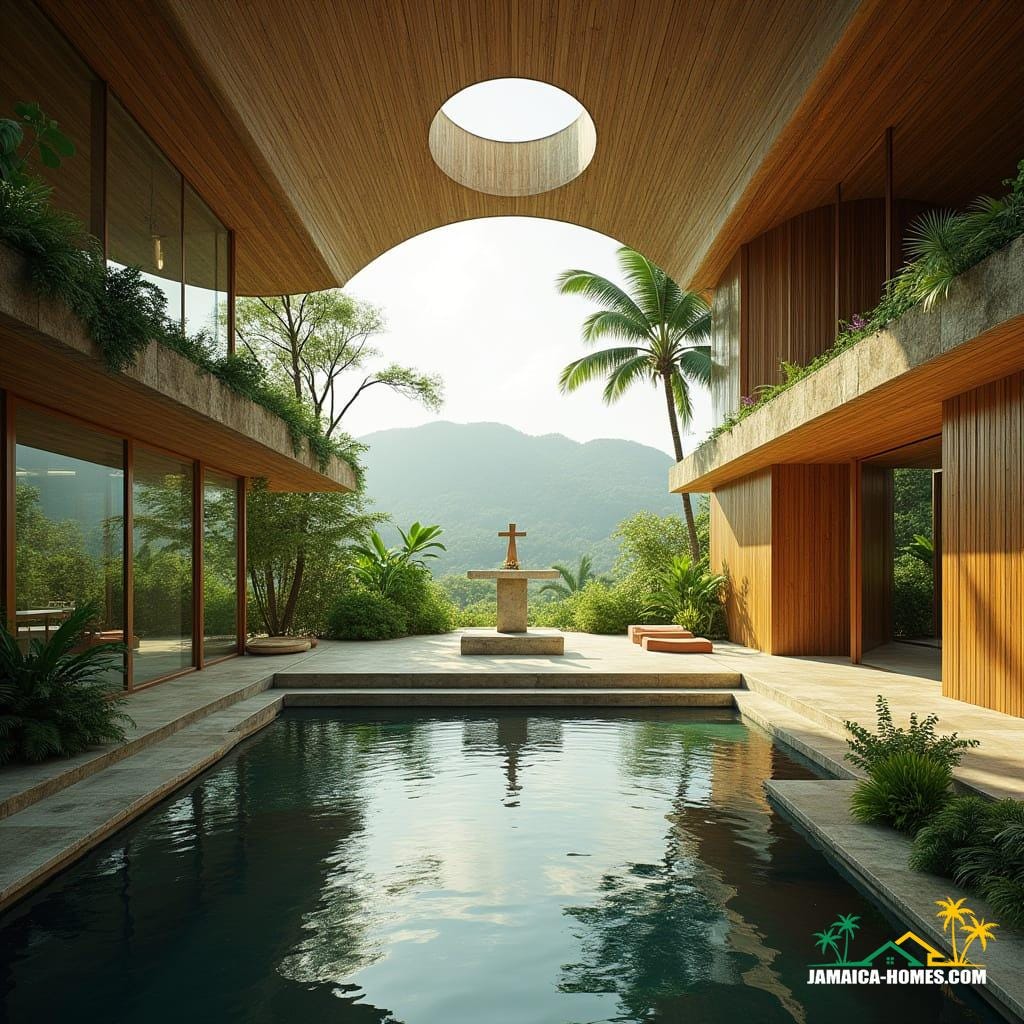
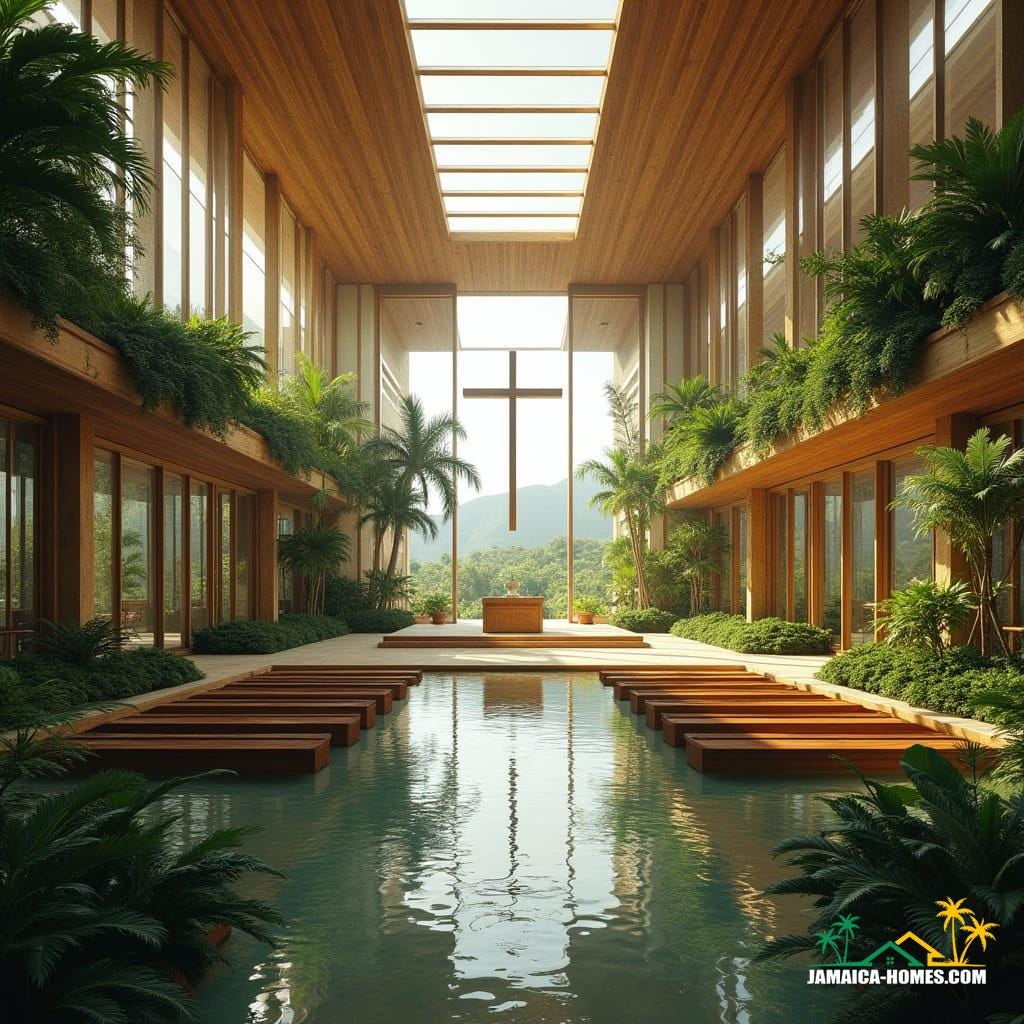
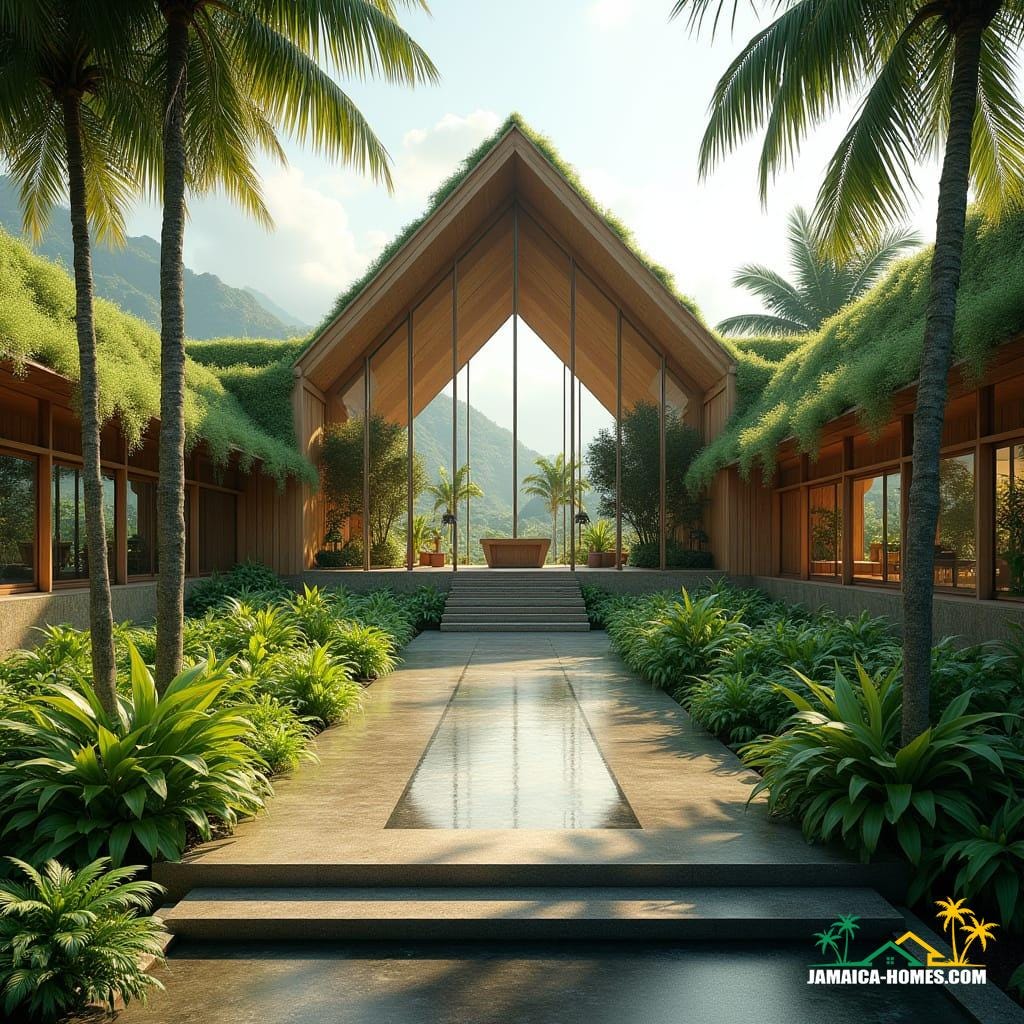
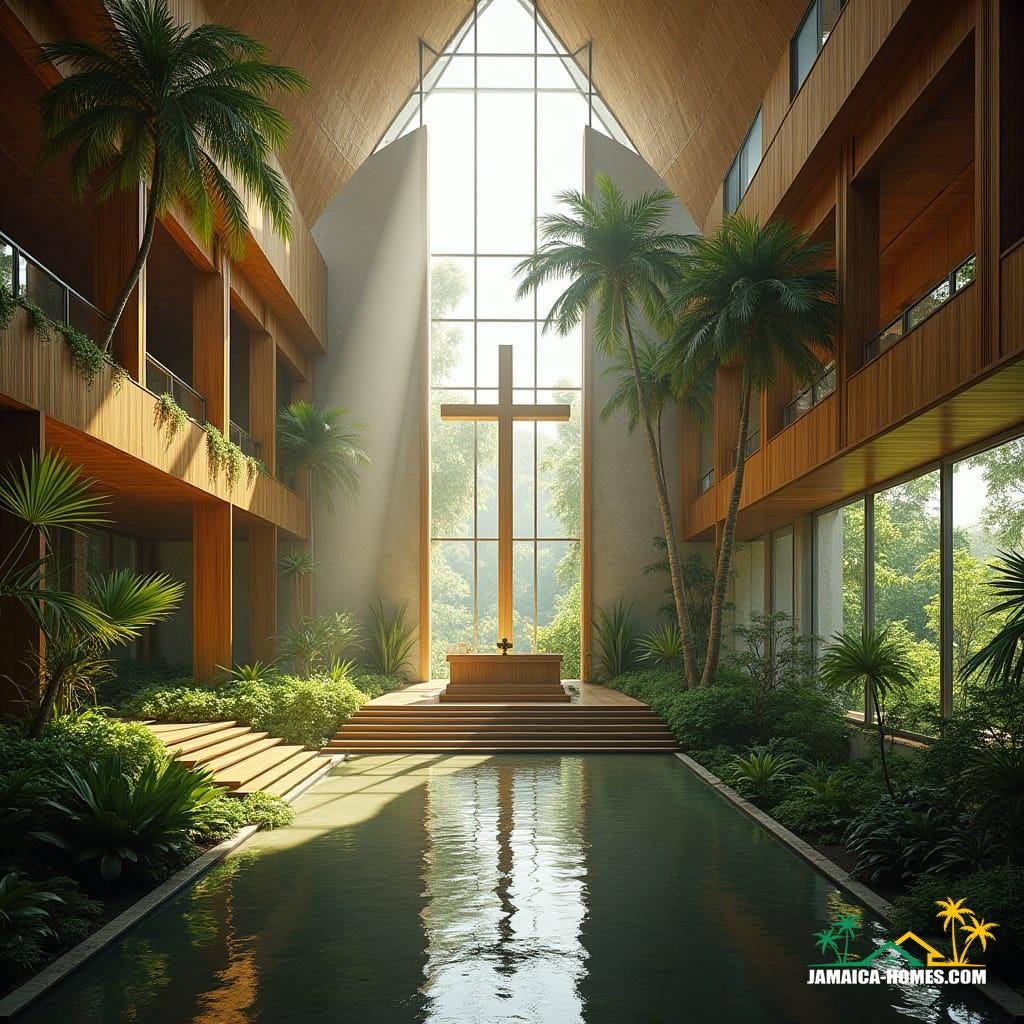
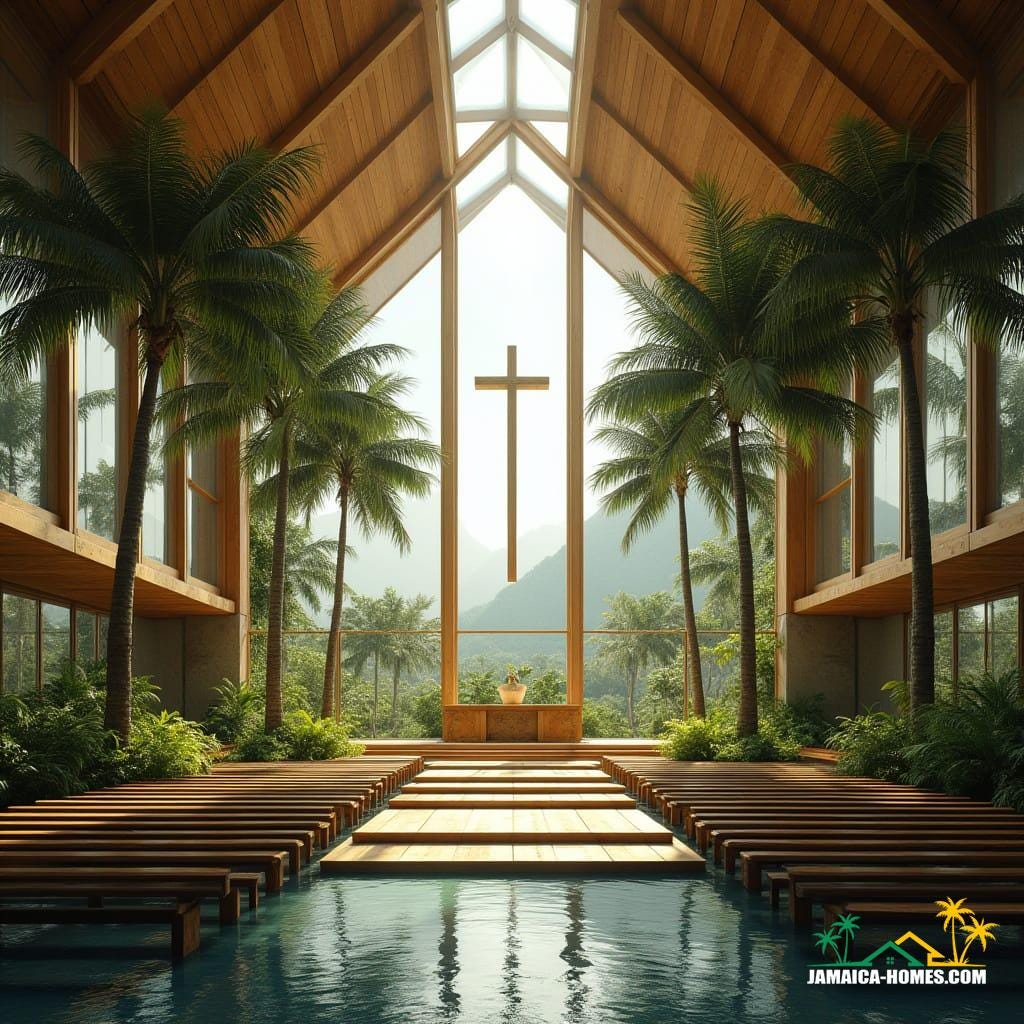
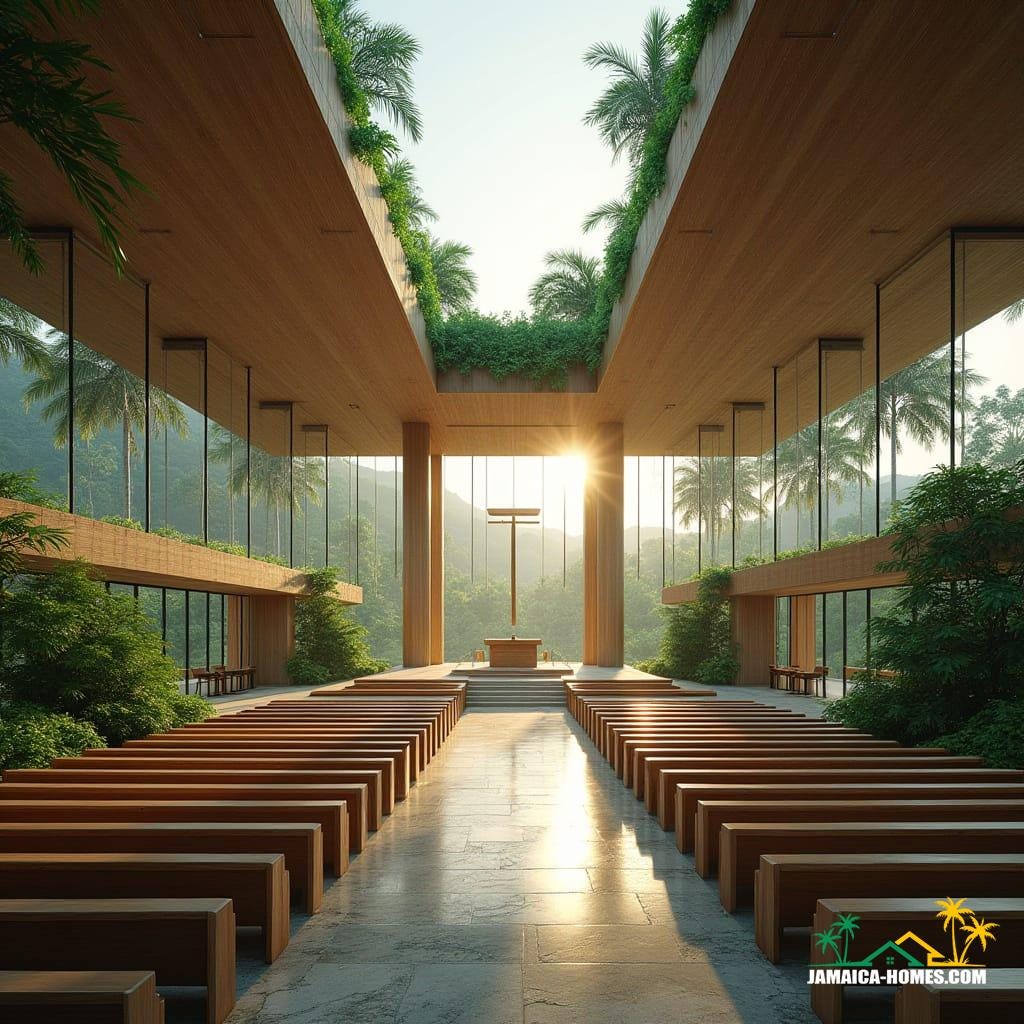
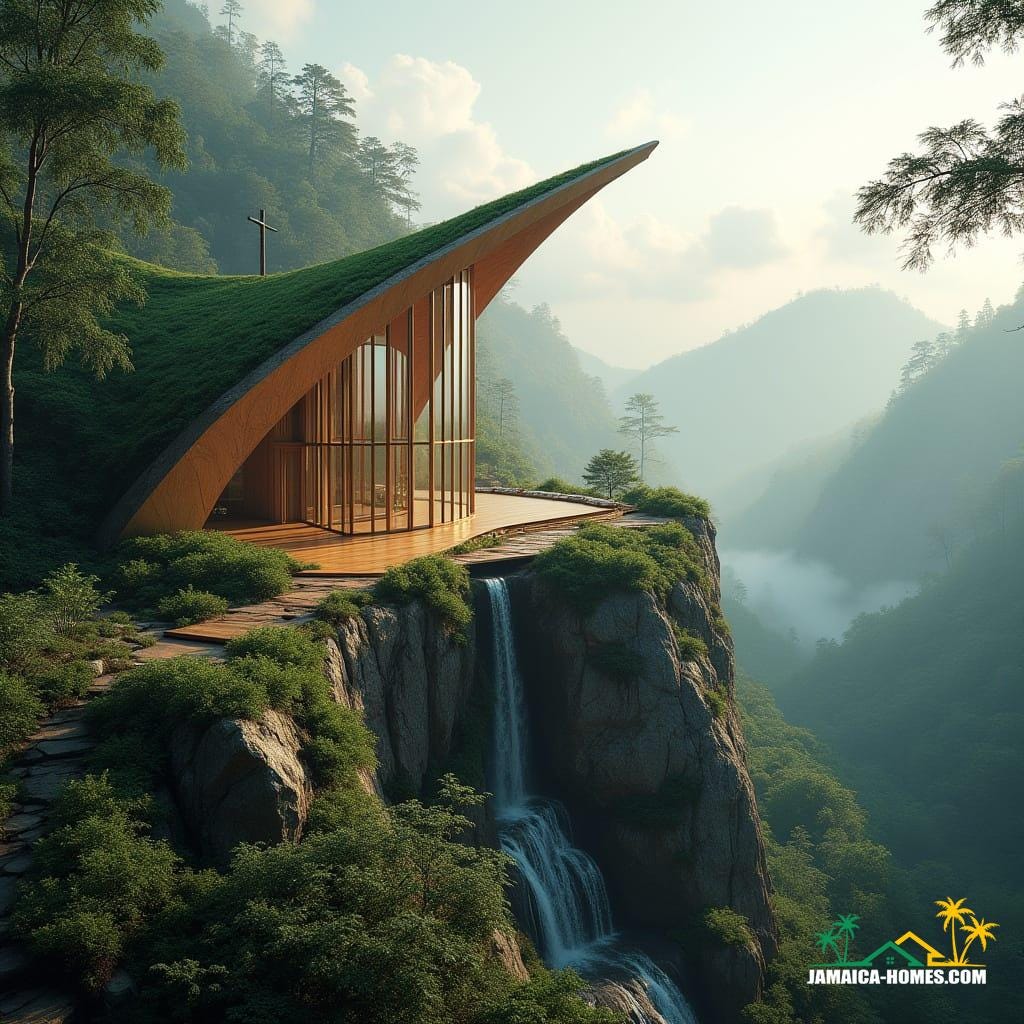
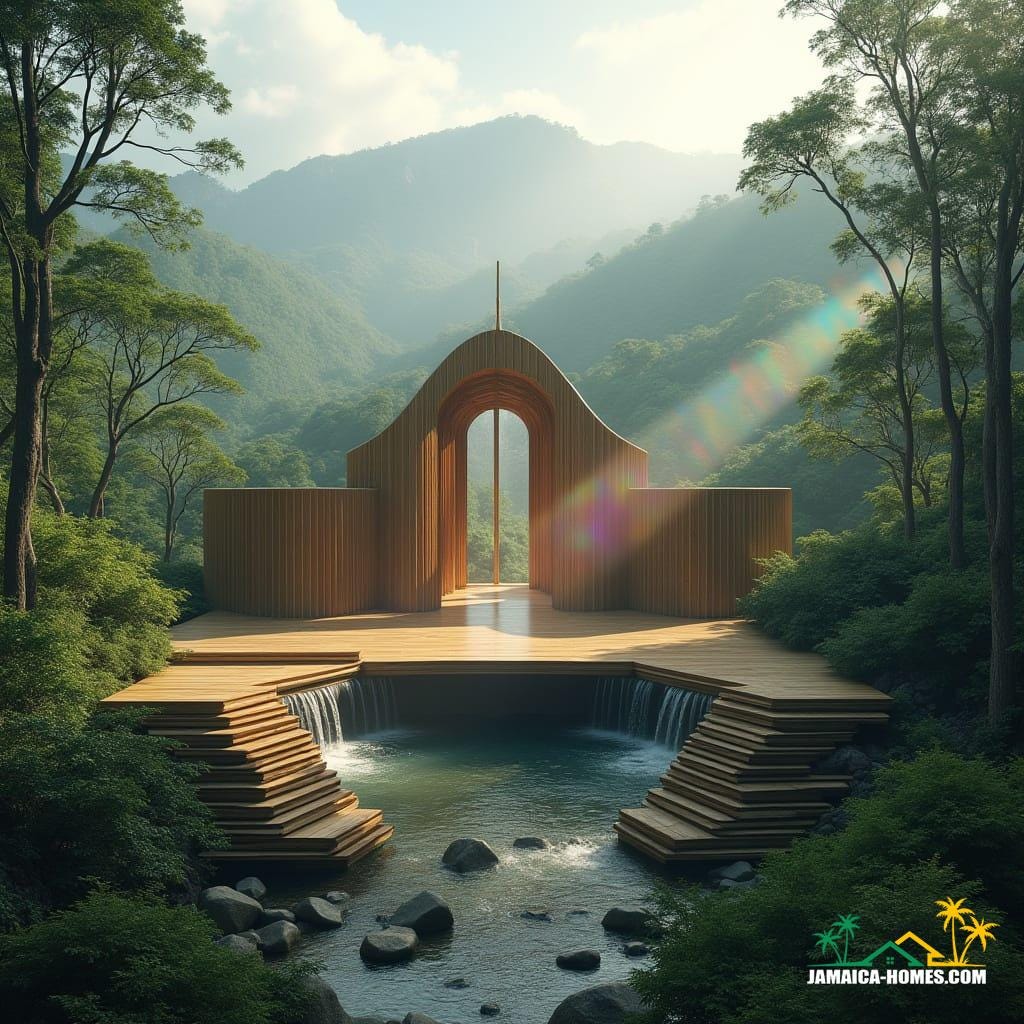
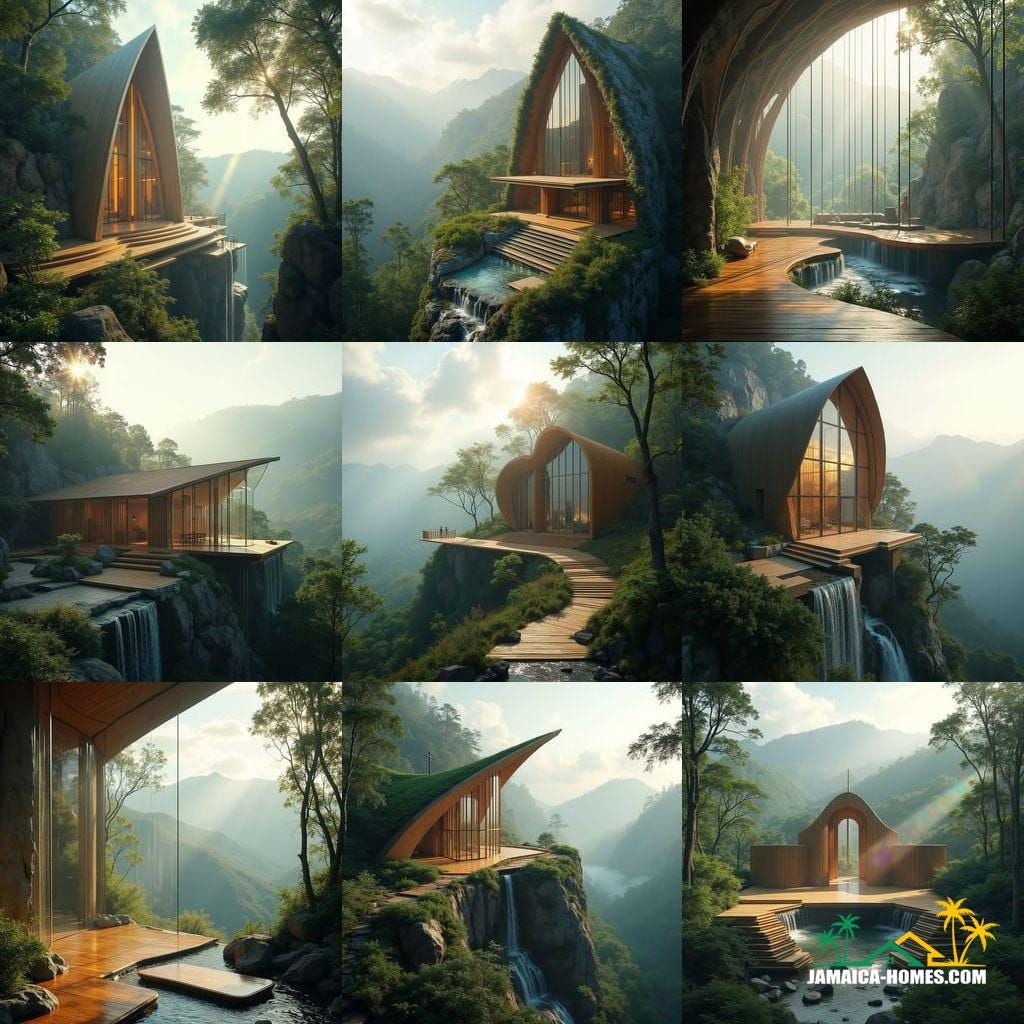
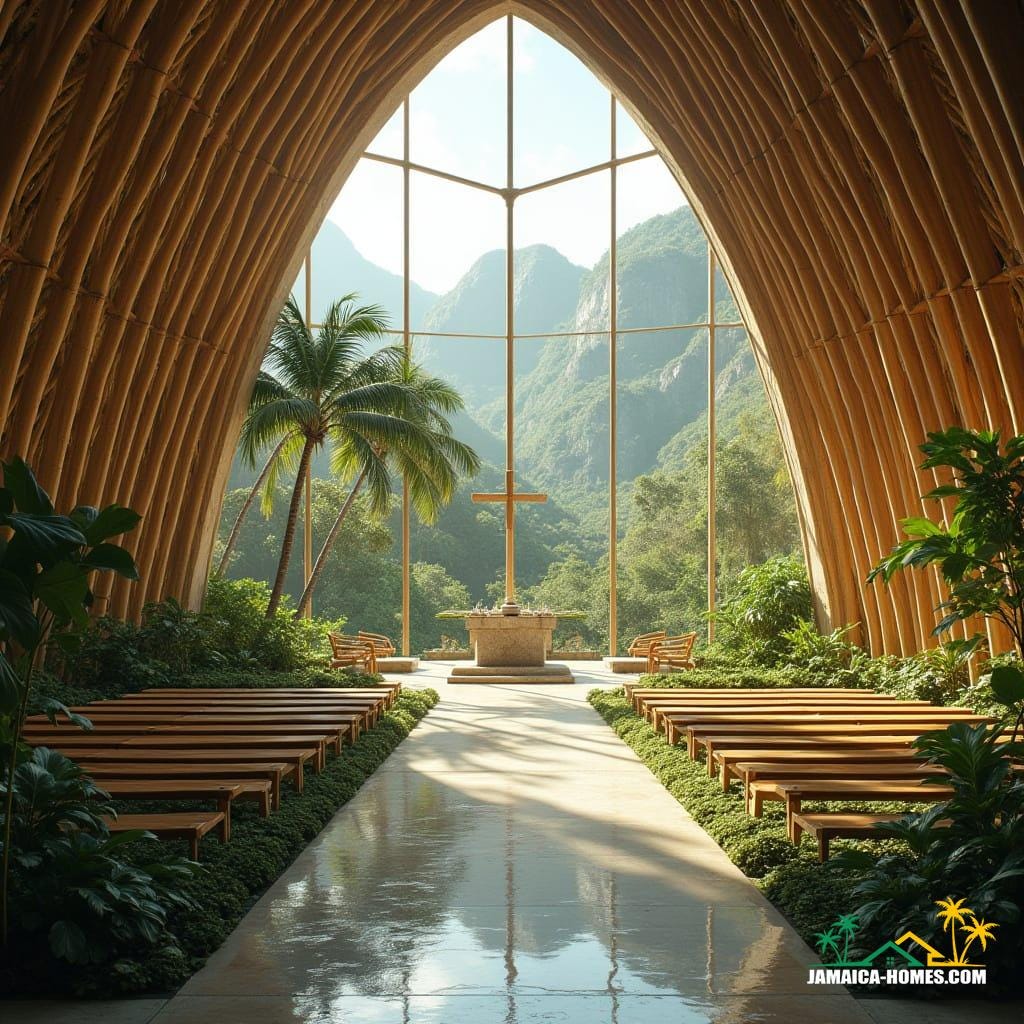
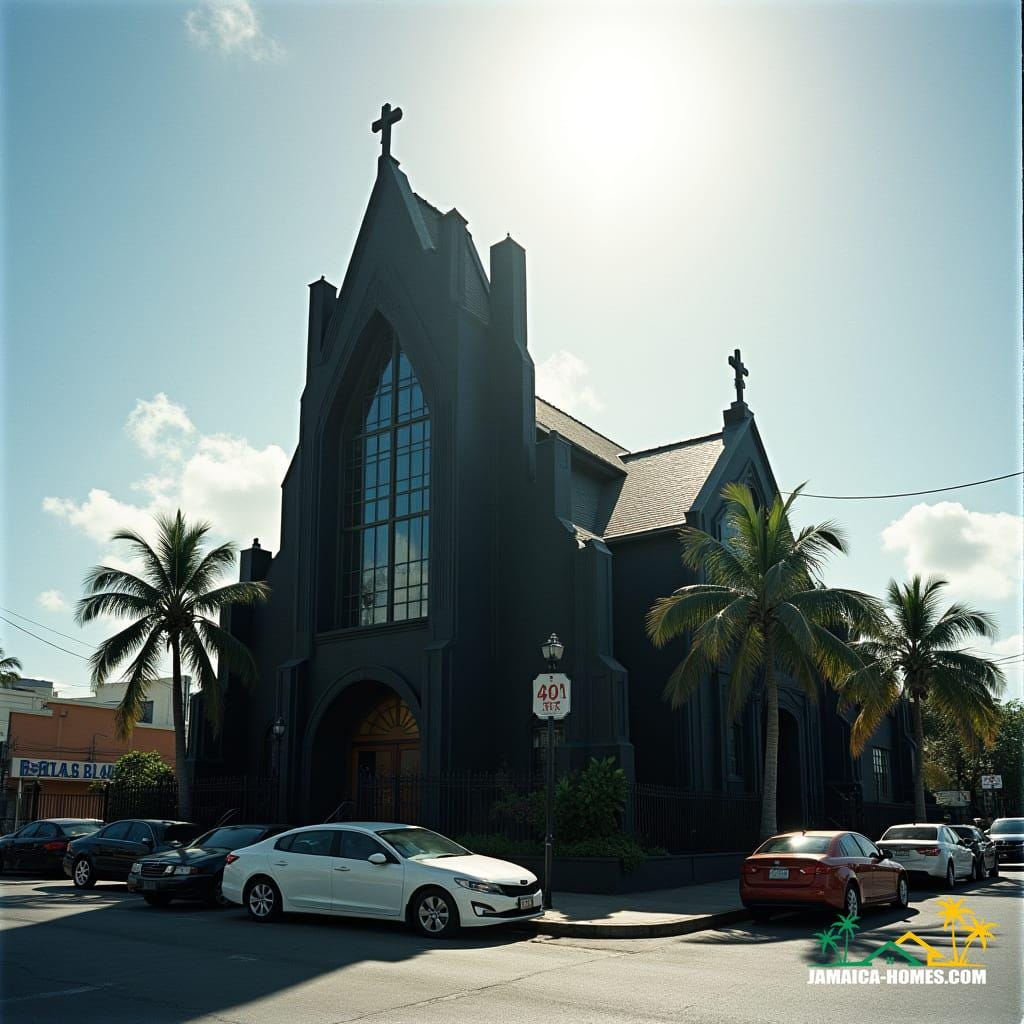
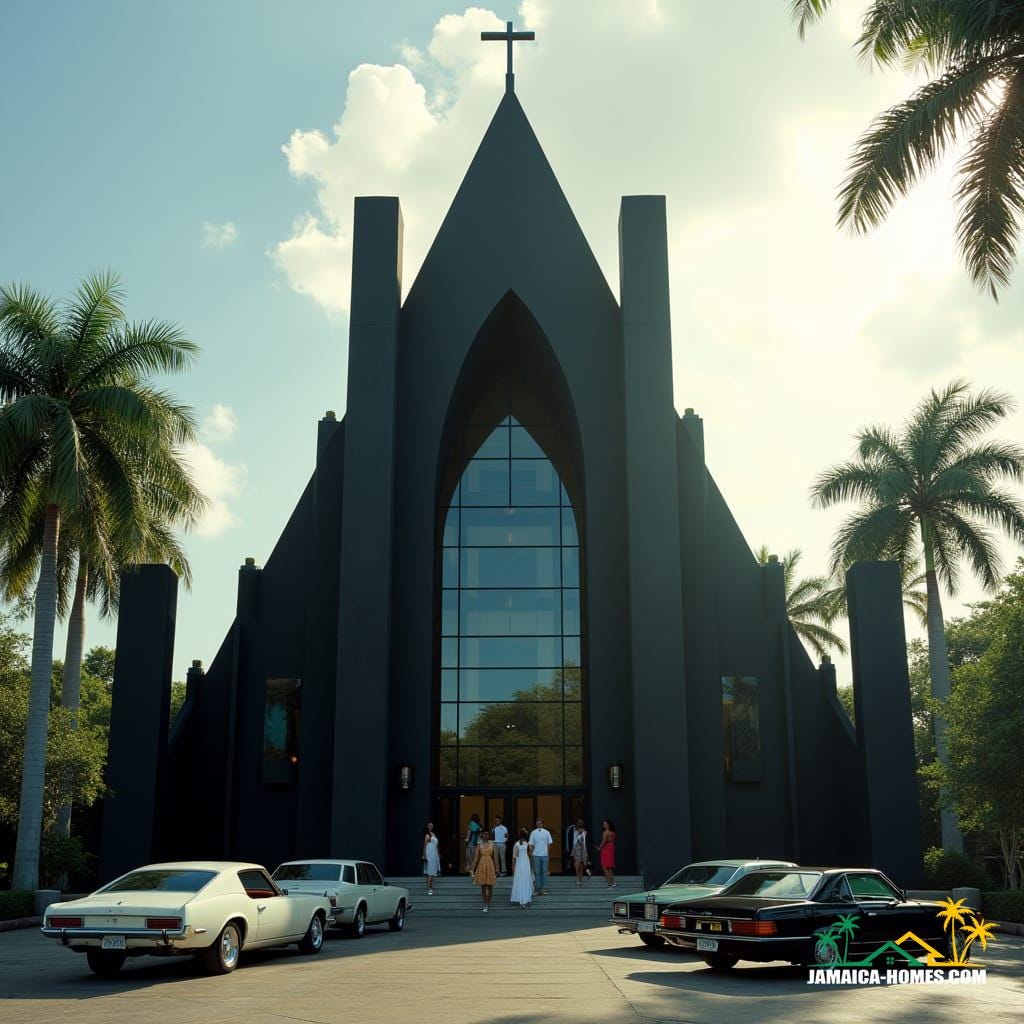
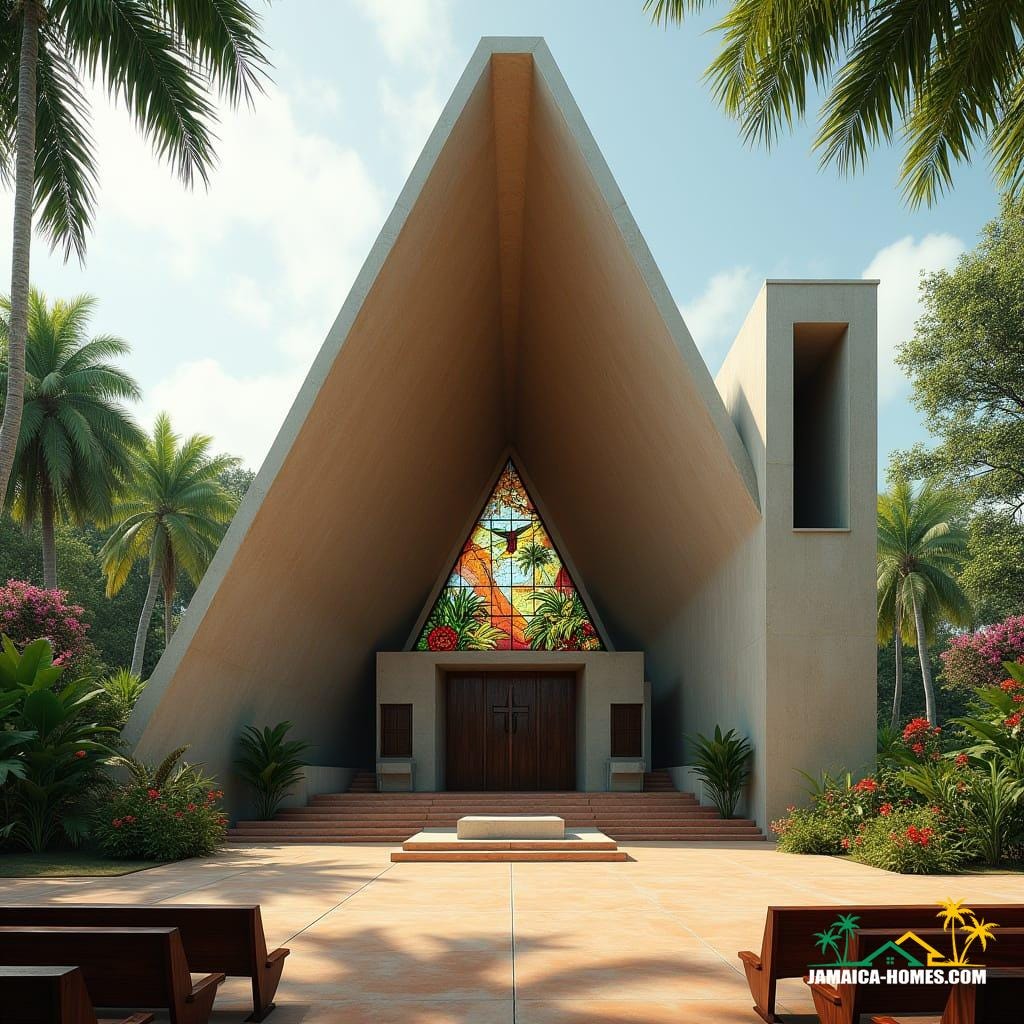
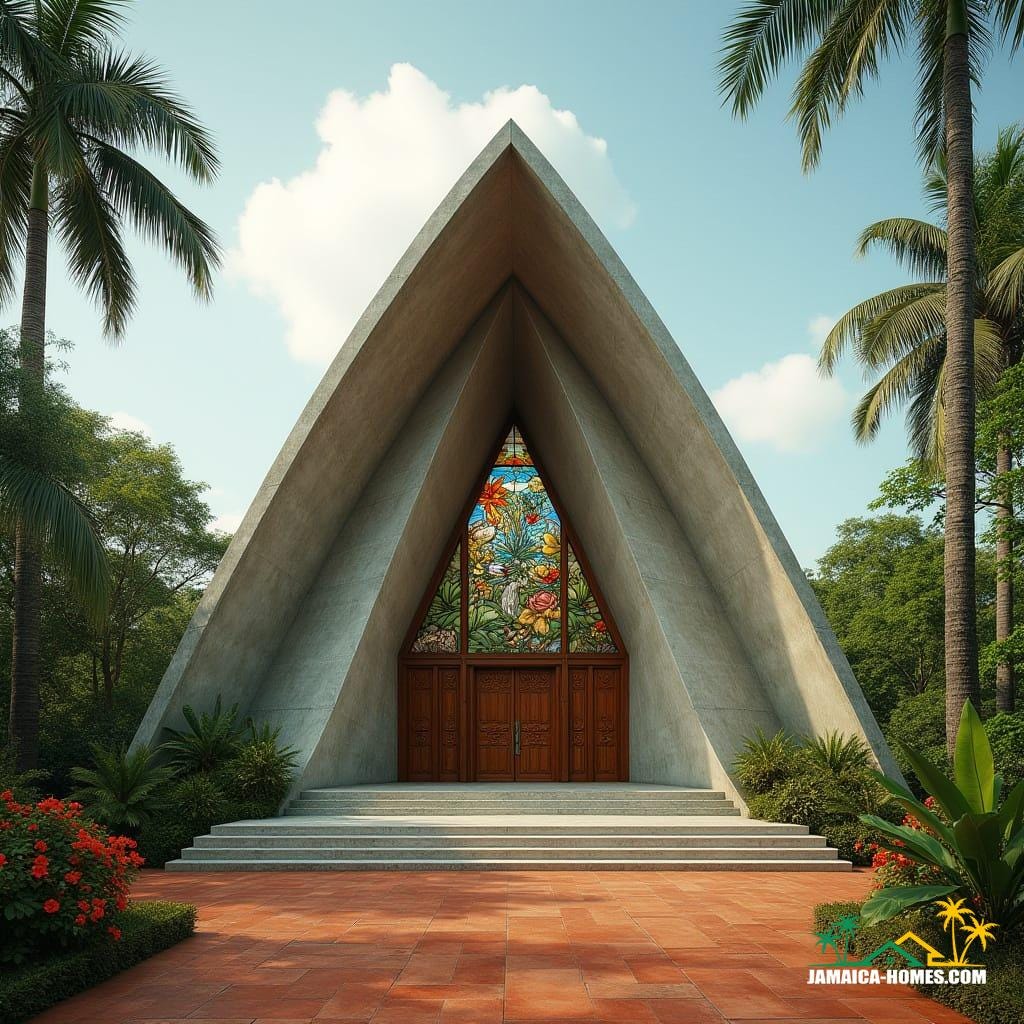
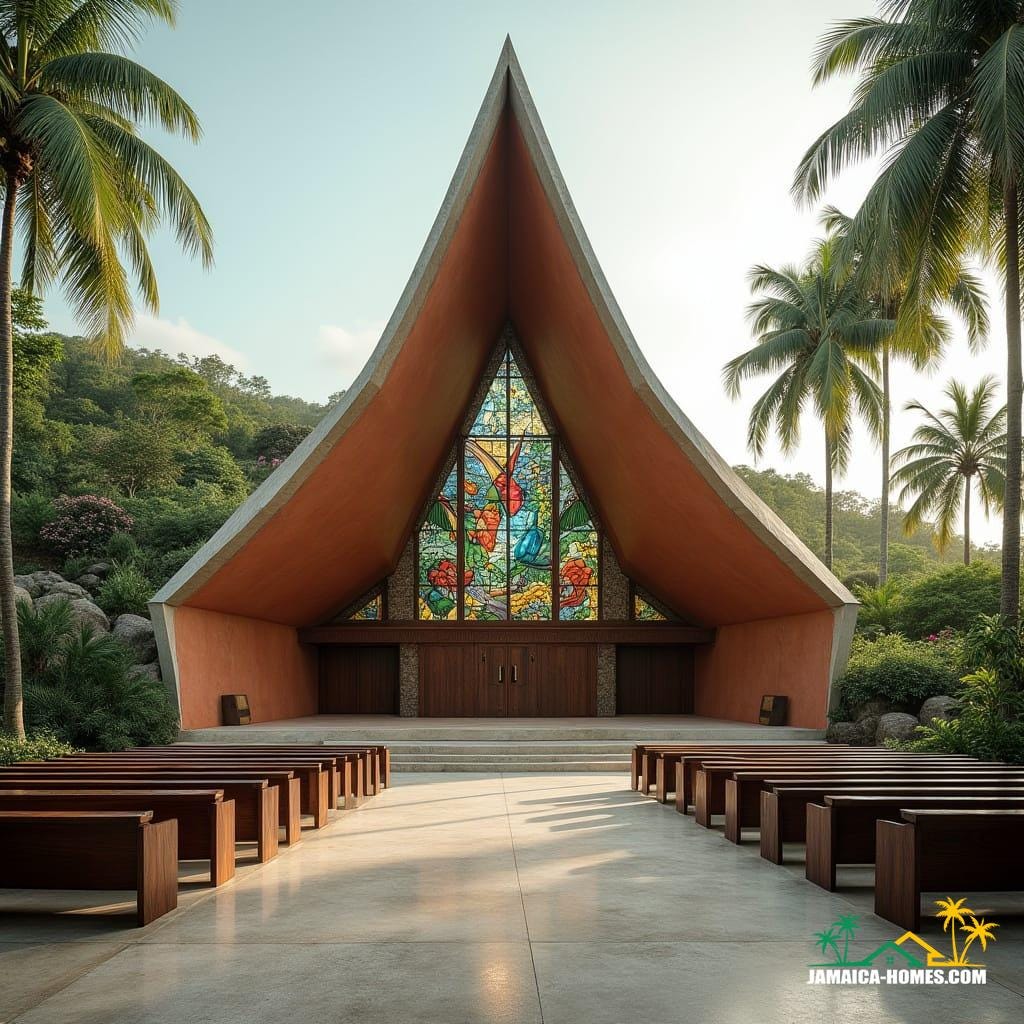
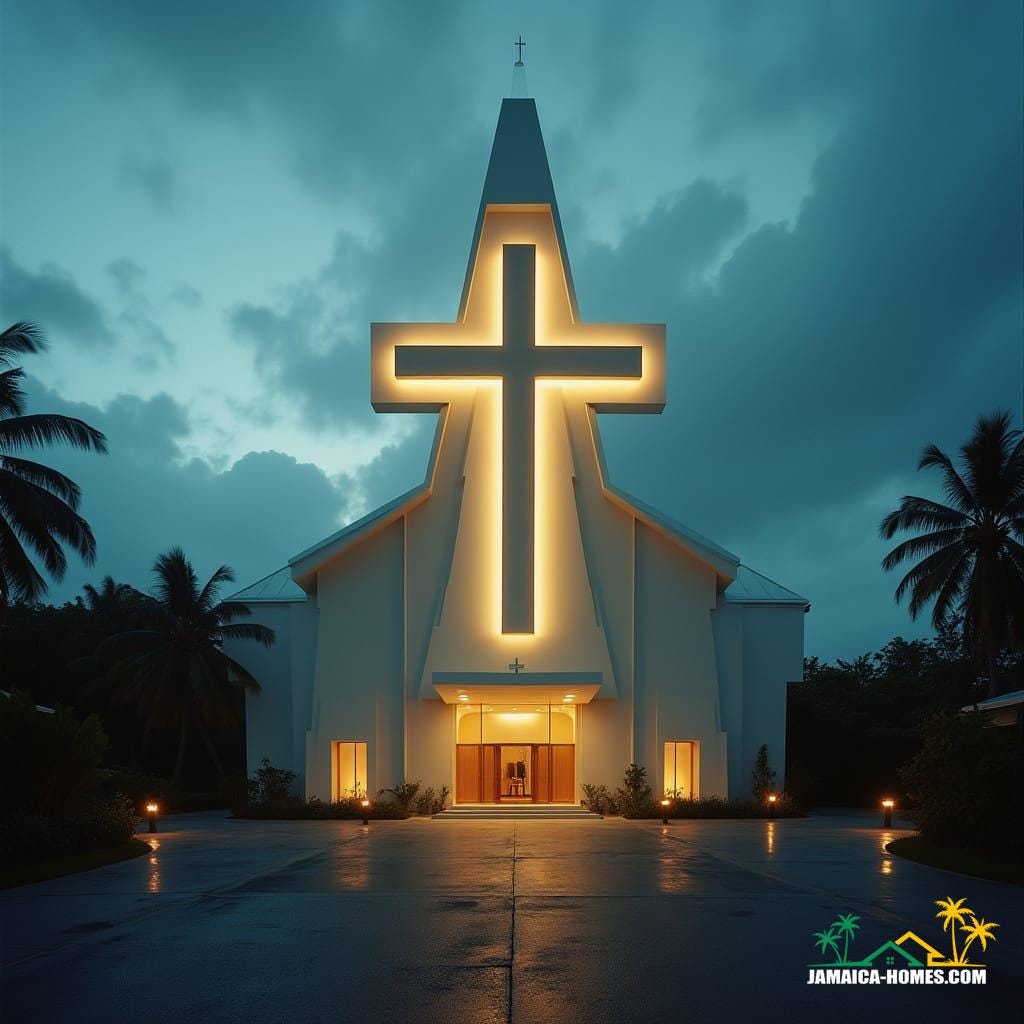
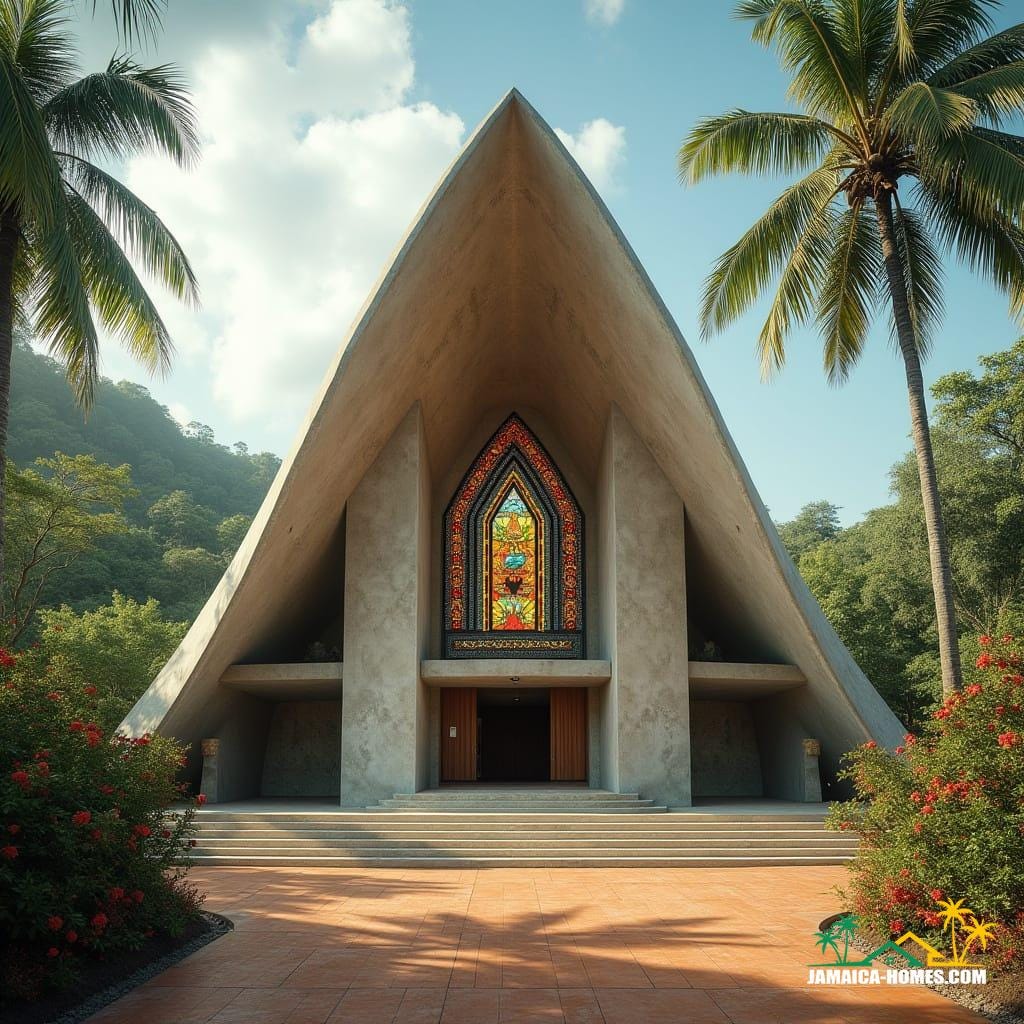
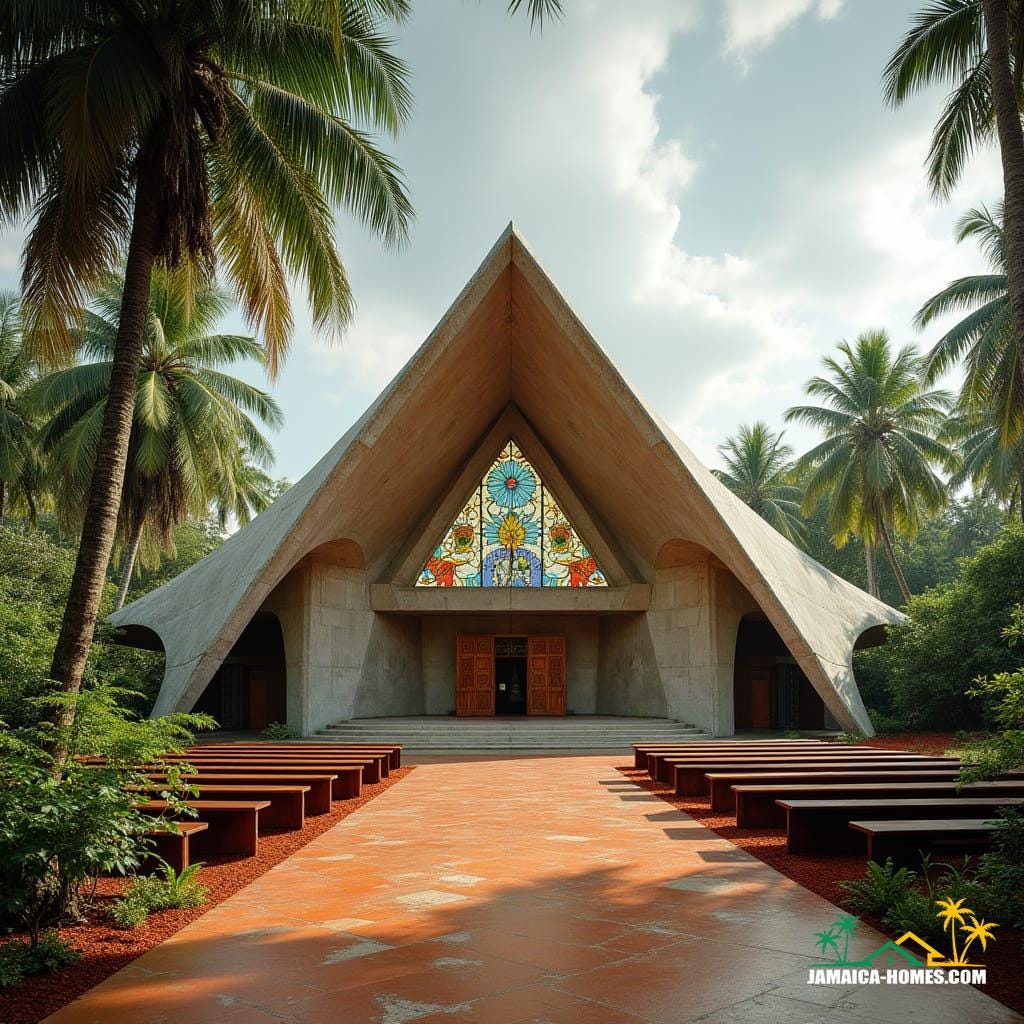
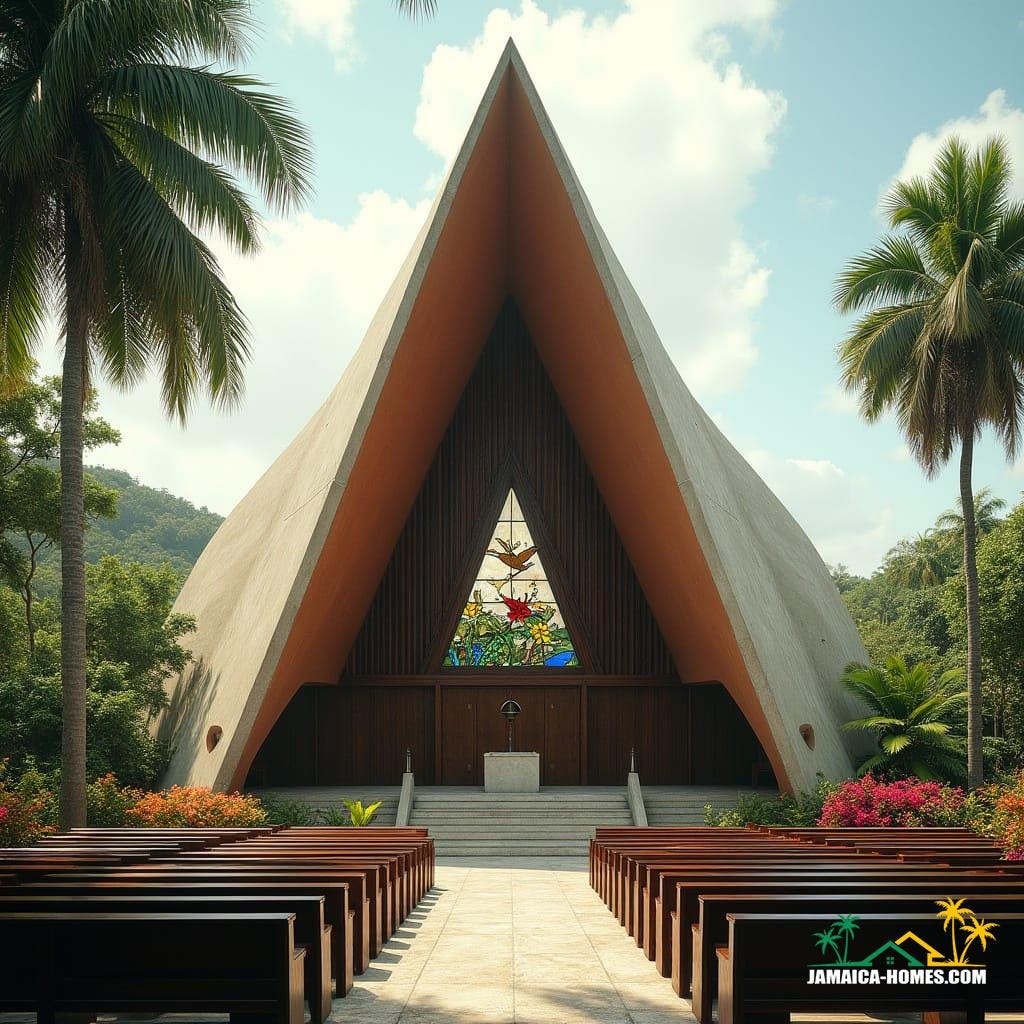
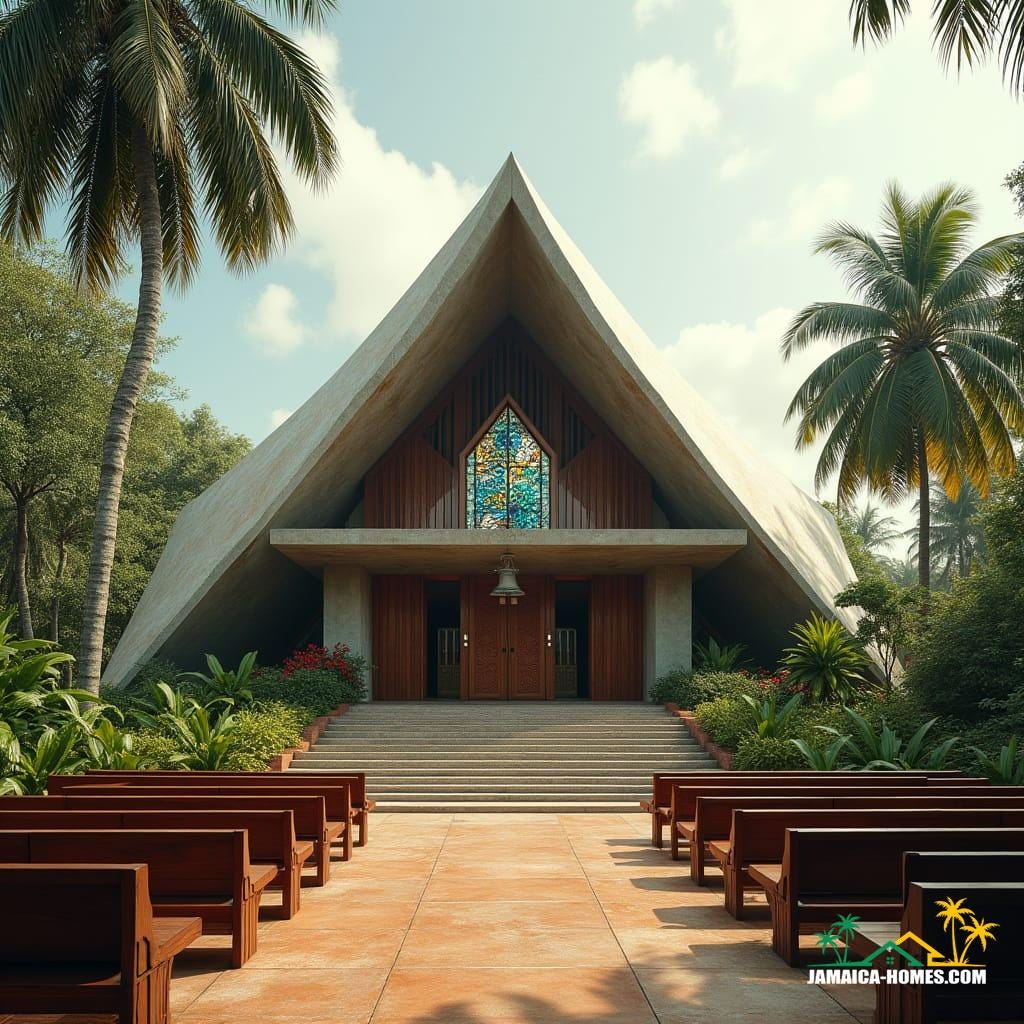
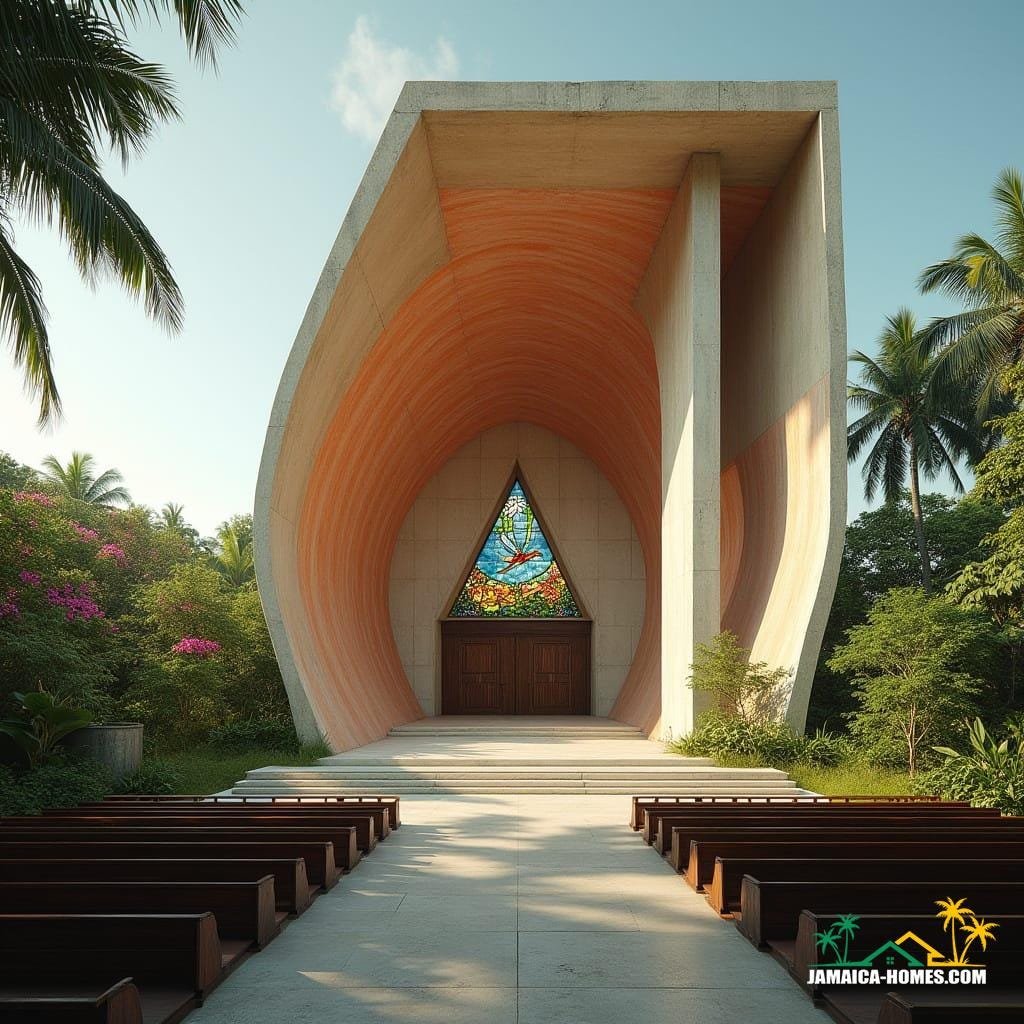
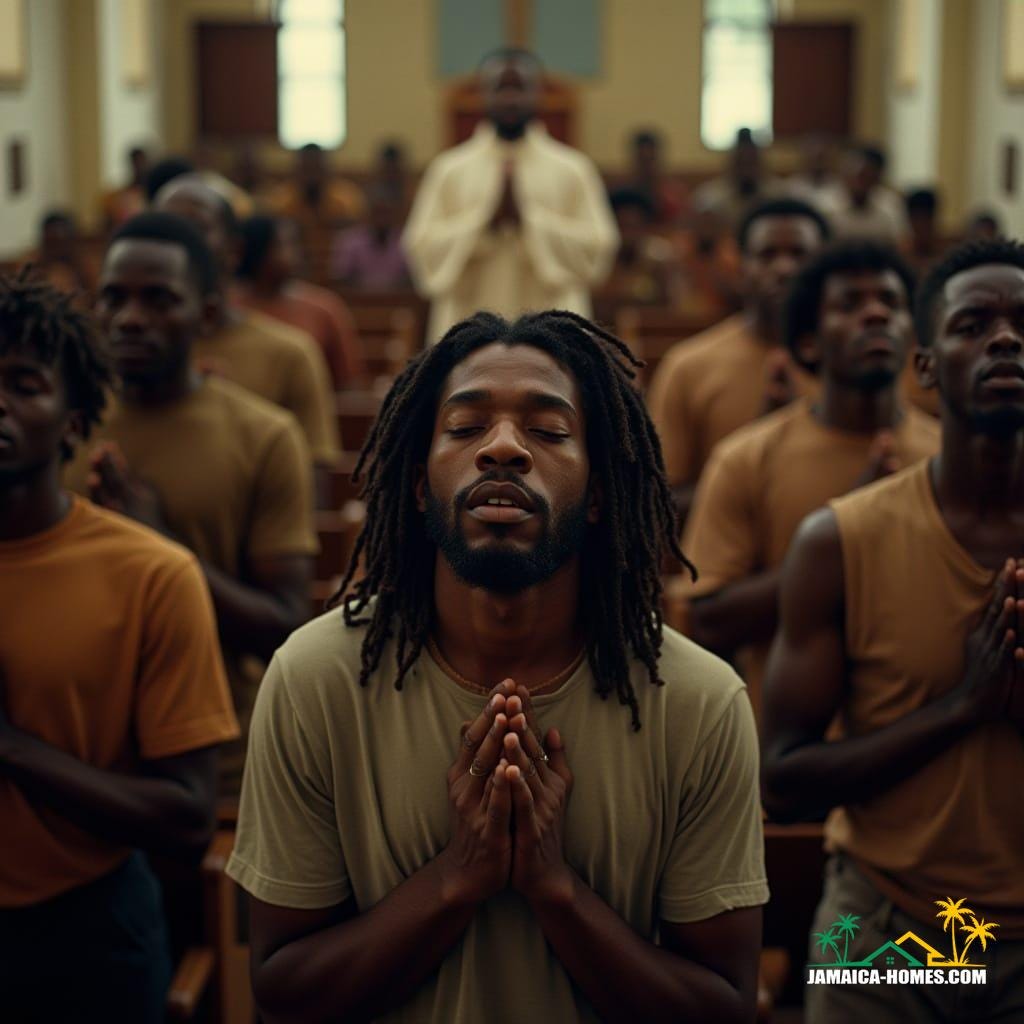
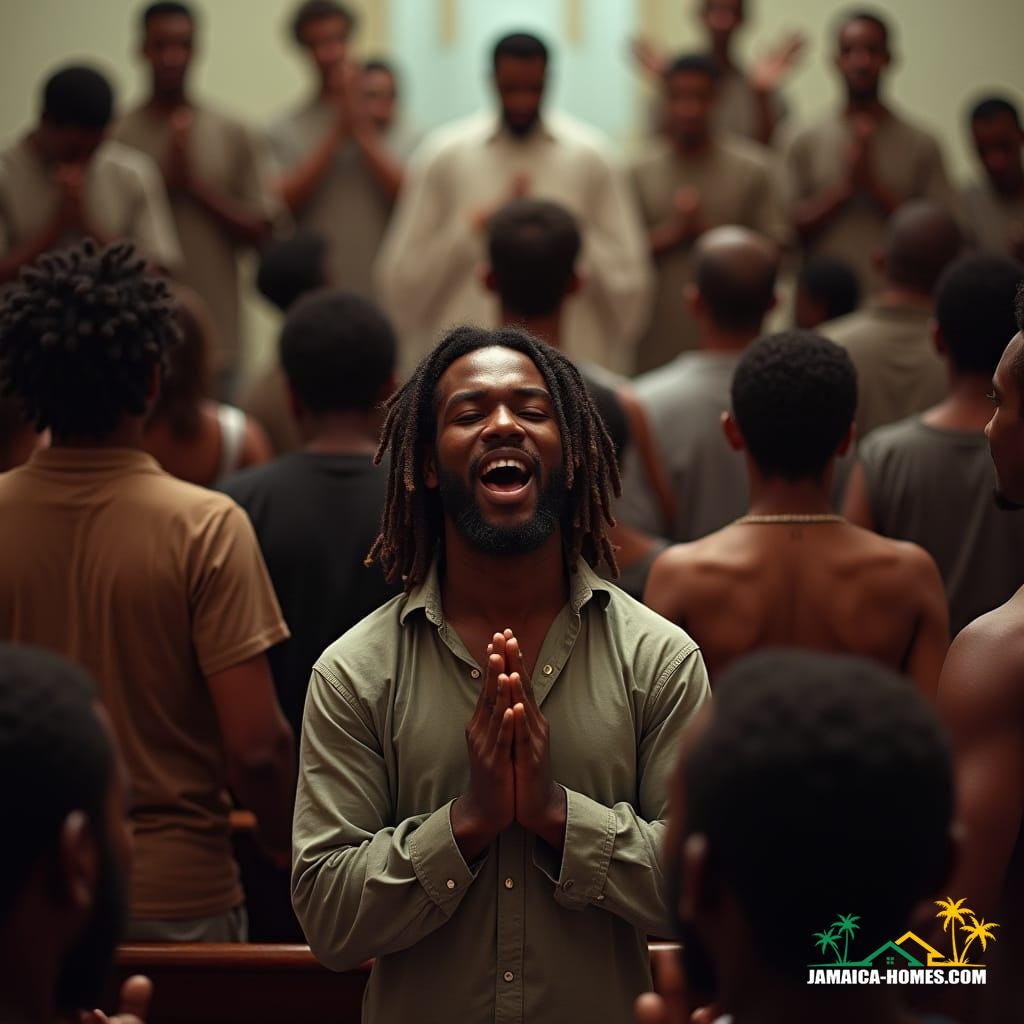
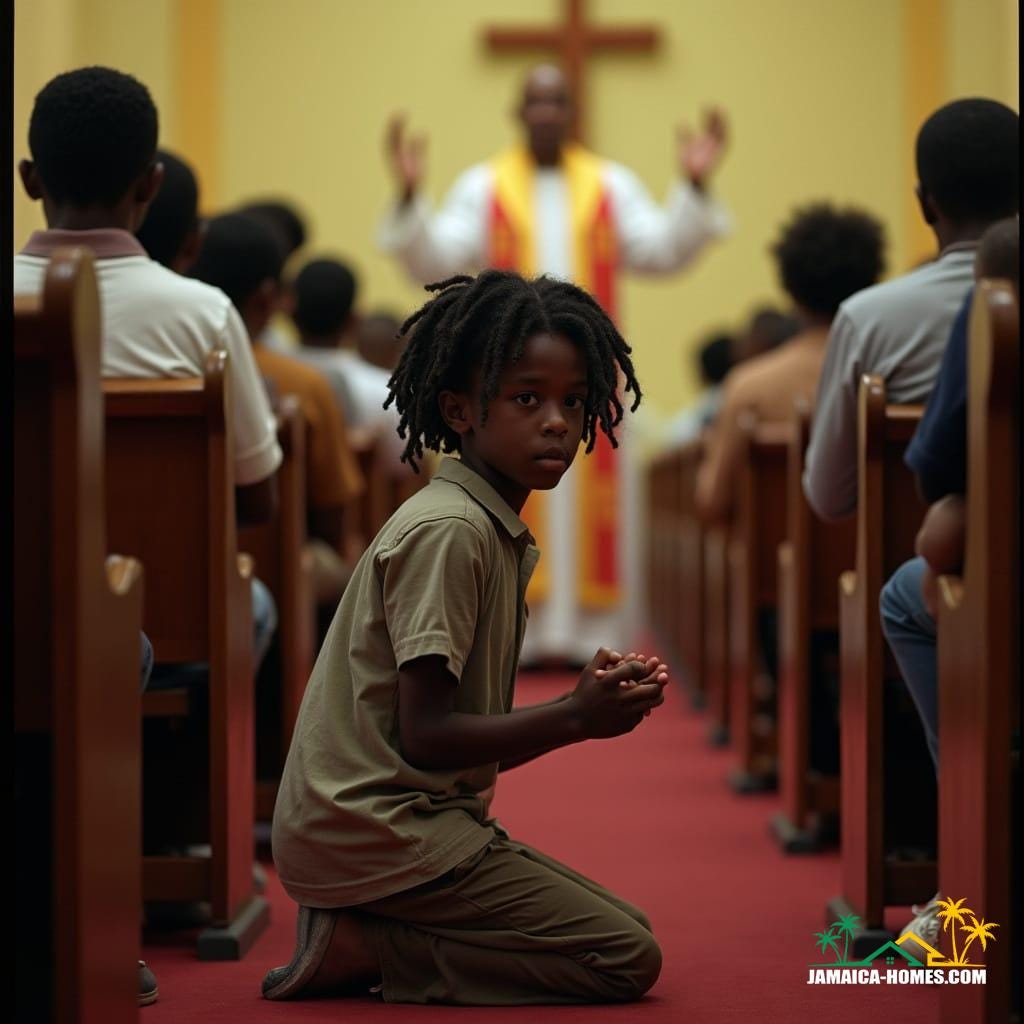
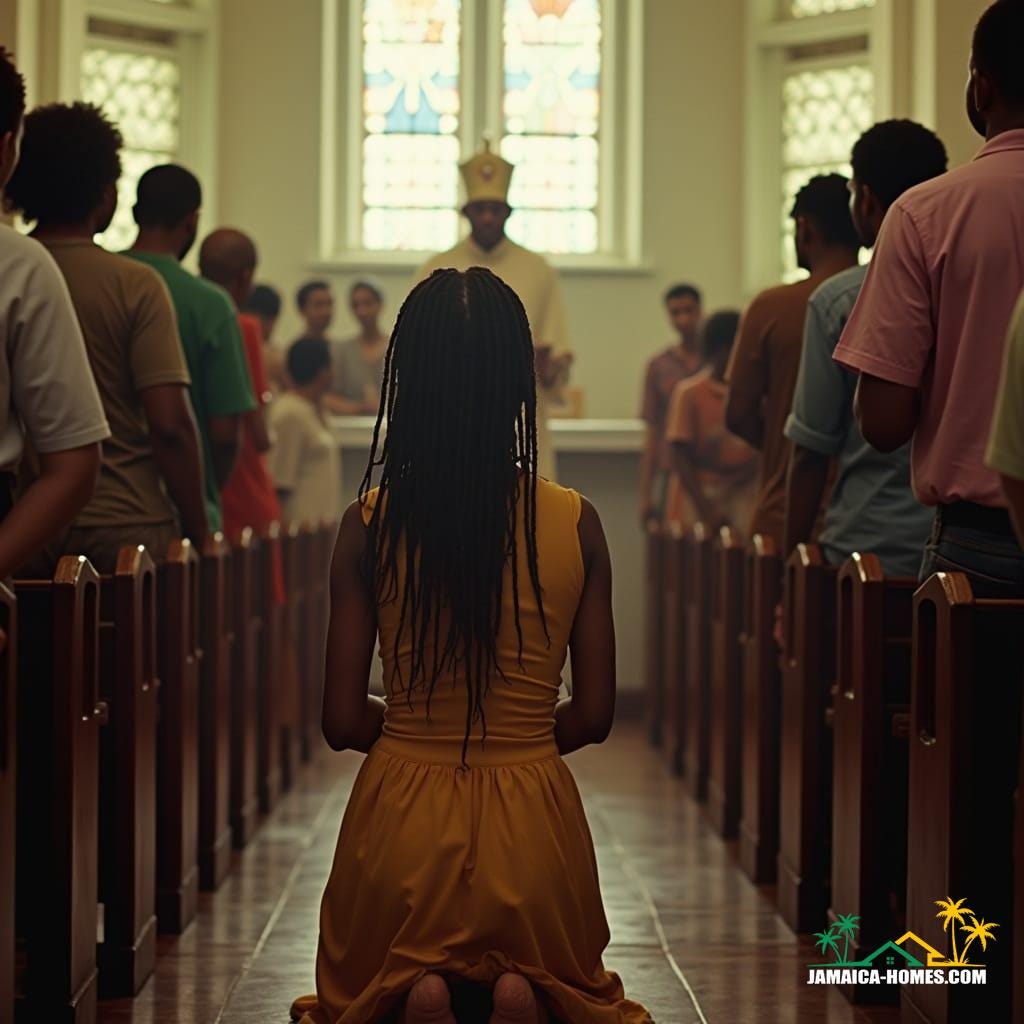
There is something quietly magnificent about a church in Jamaica.
Perhaps it is the way it appears at a bend in the road, white against green hillside. Or how zinc roofing shimmers under a punishing midday sun. Sometimes it is nothing more than a modest concrete box with louvre windows and a hand-painted sign. Other times it is a grand, columned structure announcing permanence.
For generations, these buildings have done more than hold worship. They have anchored crossroads, framed neighbourhoods, and given emotional geometry to entire communities. In many districts, you do not give directions by street names; you say, “Turn left by the church.”
But buildings, like belief, do not stand still.
Over the next decade, Christianity in Jamaica is unlikely to disappear. It remains deeply woven into language, ritual, music and identity. Funerals will still fill sanctuaries. Christmas mornings will still carry hymns. Scripture will continue to shape speech. Yet the form Christianity takes — socially and physically — is shifting.
And when form shifts, land follows.
This is not a story of collapse. It is a story of recalibration.
Across the island, there is a subtle thinning of institutional attachment. Younger Jamaicans are less automatically bound to denominational loyalty. Some speak of spirituality rather than religion. Others identify as Christian culturally, while attending irregularly. Movement between congregations is more fluid than it once was. Faith remains, but it is more elective, less inherited.
That distinction matters because churches are not abstract ideas. They occupy real plots, often in the most strategic locations imaginable. Corner sites in dense urban communities. Elevated ridges in rural parishes. Generational compounds held for decades, sometimes more than a century. These parcels were not accidental acquisitions; they were chosen with intention, often at the physical and symbolic centre of community life.
When congregations age and offerings tighten, buildings become expensive companions. Roof repairs, insurance, utilities, compliance — these are not spiritual matters but financial ones. A small rural chapel with twenty ageing members faces a different future from a charismatic congregation of eight hundred with diaspora support.
Some buildings will endure. Some will merge with neighbouring congregations. Some will quietly enter the market.
It is here that real estate begins to intersect with theology.
In Kingston and St. Andrew, where land is scarce and densification pressures intensify year by year, a former church lot may represent rare development opportunity. A modest chapel on a valuable corner could become townhouses, apartments or a mixed-use scheme. Its walls might give way to balconies and parking bays. Yet the land itself remains constant — only its purpose shifts.
Dean Jones, Founder of Jamaica Homes and Realtor Associate, reflects on this transition with characteristic clarity:
“Real estate is never separate from society. When institutions evolve, the land beneath them evolves too. What we are likely to see over the next decade is not decline, but redistribution.”
Redistribution is a useful word. It suggests movement rather than loss.
While smaller congregations may contract, others will grow. Particularly within Pentecostal and charismatic traditions, the trend leans toward larger, multi-functional campuses. These are not merely sanctuaries but complexes — spaces designed for worship, counselling, youth programmes, broadcasting, conferences and community outreach. They require parking. They require scale. They often move toward urban fringes where plots are generous.
The architecture changes accordingly. Less stained glass, more flexible hall. Less pew, more adaptable seating. The building becomes less a monument and more a machine — designed to operate throughout the week.
Such campuses subtly reshape surrounding property markets. Traffic patterns adjust. Retail clusters nearby. Restaurants and childcare services find advantage in proximity. A micro-economy forms around spiritual gravity.
Meanwhile, in other districts, the story unfolds differently. A small chapel in a rural parish might be converted into a private residence. Its arched windows remain, but inside, a kitchen replaces the altar. In another case, a church hall becomes a daycare centre or a community clinic. The building continues to serve — just differently.
This transformation requires sensitivity. Churches hold memory. Baptisms, weddings, funerals — they are layered into walls and floors. Redevelopment that acknowledges that history tends to integrate more harmoniously than development that ignores it.
Beyond the physical buildings lies another layer of change — the rhythm of community life. Historically, Sunday in Jamaica carried a particular stillness. Retail slowed. Construction paused. The day felt distinct. If the number of Jamaicans identifying as unaffiliated continues to rise, that rhythm may soften. Lifestyle districts may expand. Mixed-use developments may grow more confidently. Entertainment spaces may face less cultural resistance.
Not because morality disappears, but because plurality increases.
And plurality often expands property typology.
Yet it would be mistaken to imagine that churches lose relevance entirely. Even where attendance thins, churches remain critical social infrastructure. They function as hurricane shelters, food distribution centres, counselling hubs and stabilising forces in volatile communities. In neighbourhoods where other institutions have receded, the church often remains.
Proximity to an active, functioning institution influences perception of safety and cohesion. And perception, in property markets, carries measurable weight.
There is also the matter of inheritance. Christian tradition has long shaped Jamaican attitudes toward property transfer. Informal family arrangements, delayed probate, verbal understandings — these patterns are not uncommon. Should institutional authority weaken slightly, there may be greater movement toward formal estate planning, clearer title registration and more structured conveyancing.
Dean Jones notes, “When title becomes clear, value becomes visible. Confidence in ownership is one of the quiet engines of market growth.”
Clarity increases liquidity. Liquidity encourages development.
Overlaying all of this is the undeniable reality of climate change. Many church properties sit on elevated ground or large open compounds — ideal for emergency coordination. As resilience planning intensifies, such sites may regain civic importance. Conversely, churches in flood-prone zones may confront escalating insurance costs or relocation pressures.
Land once chosen for symbolism may now be evaluated through environmental modelling.
The next ten years will not produce dramatic headlines about faith disappearing from Jamaica. Instead, the skyline will look deceptively similar. Steeples will still punctuate horizons. Gospel music will still echo across valleys.
What will change is quieter.
Fewer small chapels in certain urban pockets. Larger, consolidated campuses in growth corridors. Occasional church properties entering redevelopment pipelines. Greater formalisation of inheritance processes. Expanding lifestyle developments existing comfortably alongside sacred spaces.
It will feel gradual. Almost imperceptible.
Yet gradual change, accumulated over a decade, reshapes cities.
Faith in Jamaica does not evaporate; it adapts. And adaptation has spatial consequences. Buildings change hands. Lots are reimagined. Titles are clarified. Neighbourhoods recalibrate around new anchors.
In the measured choreography between belief and brick, the island will not be losing something essential. It will be redesigning its expression.
The church on the hillside may still stand, catching evening light. But its role — and the land beneath it — will reflect a society choosing how to carry tradition forward into modernity.
And in that choice lies the next chapter of Jamaican real estate.