

The Quiet Redistribution of Jamaica
How rising prices, new highways and shifting ambitions are transforming the island’s secondary towns into the next frontier of housing and investment


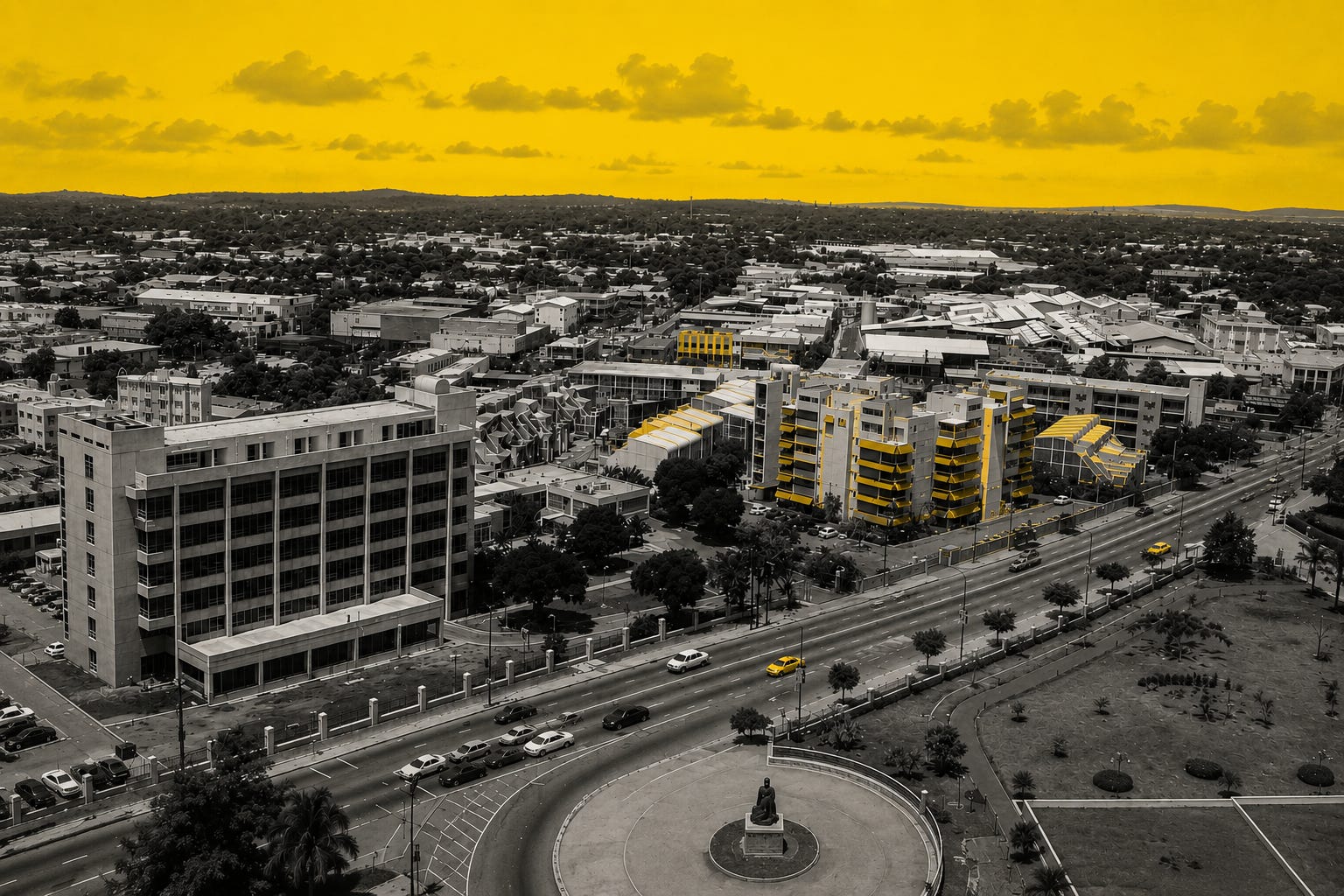
There is something quietly changing in Jamaica.
Not with the noise and urgency of a skyline crane swinging above Kingston, nor with the glossy spectacle of luxury towers rising beside the sea, but slowly, almost imperceptibly, through the roads people choose to drive home on at the end of the day.
For decades, the gravitational pull of Kingston shaped the ambitions of the island. Work, status, education, investment, it all seemed to bend toward the capital. To own property there was not simply practical. It was symbolic. A declaration that you had arrived.
But as prices hardened and space tightened, many Jamaicans began looking outward. And what they found was not necessarily compromise, but possibility.
Portmore’s Reinvention
Portmore, once dismissed by some as little more than an overflow city, has matured into something far more self sufficient. Entire communities now function almost like independent urban ecosystems, complete with shopping centres, schools, entertainment, professional services, and increasingly ambitious residential developments.
The old commuter town identity is slowly giving way to something more confident and complete. Buyers who once saw Portmore as a stepping stone increasingly view it as a destination in its own right.
May Pen and the New Geography of Distance
Further west, May Pen sits in a landscape that feels almost suspended between Jamaica’s agricultural past and its uncertain economic future.
There is still room here. Room for wider roads, for warehouses, for modest homes with proper yards, for developments that do not yet feel squeezed into every available inch of land.
The highways have altered the psychology of distance. Journeys once considered exhausting now feel manageable, even routine. And with that shift comes investment.
The island itself begins to feel smaller.
Western Jamaica’s Expanding Pull
In parts of western Jamaica, especially around Montego Bay and stretching towards Negril, the story becomes more layered still.
Tourism money, returning residents, diaspora dreams, retirement ambitions, all folding together into a patchwork of gated communities, unfinished villas, apartment schemes and roadside lots waiting for their moment.
In some places, development arrives with polish and intention. In others, it feels improvised, almost accidental, as if the market itself is still deciding what these towns are meant to become.
And perhaps that uncertainty is precisely what makes this moment so fascinating.
A Different Vision of Jamaica
Because secondary towns are no longer secondary in the way they once were.
They are becoming testing grounds for a different version of Jamaica. One where opportunity is not concentrated almost entirely inside a few square miles of Kingston and St Andrew. One where younger families might still imagine owning a home without surrendering every financial margin they have.
One where a piece of land can still feel connected to aspiration rather than anxiety.
The Risks Beneath the Momentum
Yet beneath the optimism sits a familiar tension.
Infrastructure remains uneven. Water systems struggle. Flooding still shadows some communities. In certain places, development races ahead of planning, repeating patterns the island already knows too well.
There is always the danger that affordability itself becomes temporary, that the very places now attracting buyers eventually drift beyond the reach of the people who built them.
Still, standing on a newly cut roadway in Clarendon, or watching fresh foundations rise against the hills of St Catherine, you sense something more profound than a property trend.
You sense a country quietly redistributing itself.