


Barbican: A Poetic Tribute
In the heart of St. Andrew, where history whispers, Lies Barbican, a place where time still glimmers. From Taino paths and windswept plains, To sugar mills and colonial reigns. Ancient echoes in the stones we tread, Whispers of Taino, long since fled. Their middens tell of days gone by, Of simple lives beneath the sky. The windmill stands, a sentinel old, Its stories of sugar, of cane, of gold. In its shadow, the Great House dreams, Of planters’ schemes and moonlit gleams. Cannons rust in the circular keep, Guardians of secrets they silently keep. While nearby seas softly sigh, Watching over Barbican’s sky. From Edward’s era of guiding hands, To Lorna’s verses in poetic strands, Barbican’s streets have heard the tales, Of dreamers’ dreams and settlers’ trails. Modern homes with a sleek design, Rise where the sugarcane once did shine. Shops and cafes, vibrant and bright, Fill the days with bustling light. Yet history’s presence gently stays, In ancient stones and winding ways. A place where past and present blend, Barbican stands, a timeless friend. Future beckons with hopeful eyes, Green and growing under tropical skies. Sustainable dreams and visions grand, In Barbican’s heart, we make our stand. Barbican, a gem so fine, A tapestry of rich design. From olden days to futures near, Your story lives, forever clear. In every stone and every breeze, In modern homes and ancient trees, Barbican, where histories meet, A poem in every heartbeat’s beat.
The Rich History and Vibrant Present of Barbican, St. Andrew, Jamaica
Barbican, nestled in the vibrant region of St. Andrew, Jamaica, is a place where history and modernity blend seamlessly. Located just 3.1 kilometers from Half Way Tree and approximately 3.8 kilometers from Jamaica’s capital, Kingston, Barbican is more than just a residential area; it’s a testament to Jamaica’s rich cultural and historical tapestry.
Early Beginnings: The Barbican Estate
Barbican’s roots trace back to the 18th century when the Barbican Estate was a thriving hub of agricultural activity. The estate, strategically located between the Maggotty and Mosquito Coves, was renowned for producing sugar and molasses, critical commodities in Jamaica’s colonial economy. The estate also supported a variety of livestock, contributing to its economic significance.
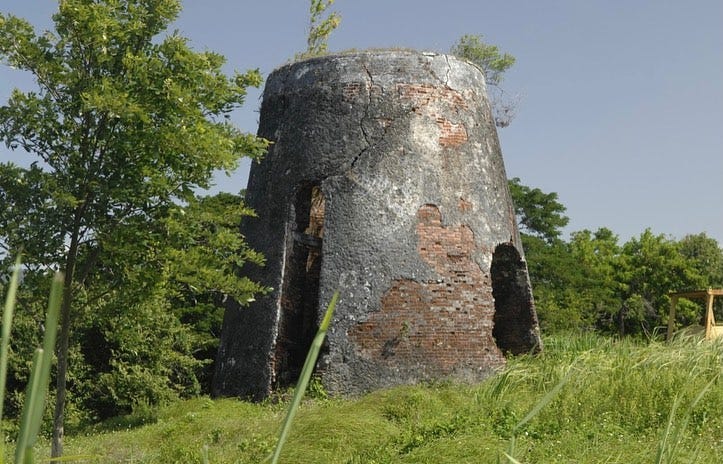
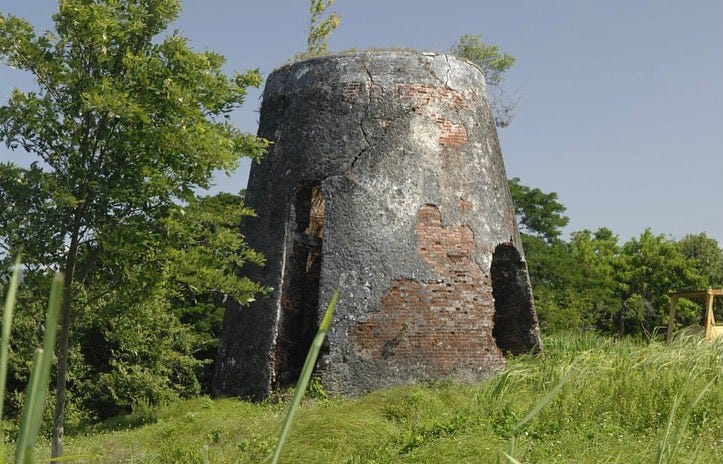
One of the most iconic remnants of this era is the windmill tower, an imposing structure built with stones standing over three meters (12 feet) tall. Constructed in the 1730s, the windmill played a pivotal role in powering the sugar mill, which was essential for crushing cane. Remarkably, the windmill was in use until 1902, a testament to its robust construction and the importance of sugar production to the estate’s operations.
Adjacent to the sugar works is a circular enclosure featuring three canons facing the sea, hinting at the estate’s need for protection and the turbulent times of its operation. Additionally, the Barbican property houses a significant Taino site with several middens, providing a glimpse into the pre-colonial history and the lives of Jamaica’s indigenous people.
Architectural Evolution: From Plantation to Urban Sophistication
As time progressed, the architecture in Barbican evolved, reflecting broader changes in Jamaican society. The remnants of the estate, such as the Counting House and the foundations of the animal mill and Great House, showcase the grandeur of plantation life. The Great House, typically the residence of the estate owner, would have been a stately structure, indicative of the wealth generated by the estate’s operations.
Fast forward to the 20th and 21st centuries, Barbican has transformed into a bustling urban area with a mix of residential and commercial properties. The architectural landscape is now dotted with modern homes, apartment complexes, and commercial buildings, offering a stark contrast to the historical structures that once dominated the area.
Notable Residents: Barbican’s Distinguished Personalities
Over the years, Barbican has been home to several notable figures who have contributed to Jamaica’s cultural, political, and social life. Among them is the renowned poet and playwright, Lorna Goodison. A former Poet Laureate of Jamaica and an esteemed writer, Goodison’s works often reflect the rich cultural heritage of Jamaica, and living in Barbican has undoubtedly influenced her creative output.
Another significant figure associated with Barbican is Edward Seaga, Jamaica’s fifth Prime Minister. While not a resident of Barbican, Seaga’s political influence extended throughout St. Andrew, including Barbican, shaping the development of the area through various policies and initiatives during his tenure.
Modern Barbican: A Blend of History and Contemporary Living
Today, Barbican is a dynamic community characterized by its blend of historical charm and modern amenities. The area is known for its upscale residential neighborhoods, featuring a mix of single-family homes, townhouses, and luxury apartments. These homes often boast contemporary architectural designs, with clean lines, open floor plans, and modern finishes, appealing to a diverse and affluent demographic.
In addition to residential properties, Barbican hosts several commercial establishments, including shopping centers, restaurants, and entertainment venues. The area is a popular destination for both locals and visitors, offering a variety of dining and shopping experiences. The presence of these amenities has contributed to Barbican’s reputation as a desirable place to live, combining the convenience of urban living with the tranquility of a suburban environment.
The Taino Legacy: Unearthing Barbican’s Ancient Past
One of the most fascinating aspects of Barbican’s history is its connection to the Taino people, Jamaica’s indigenous inhabitants. The Barbican property includes a significant Taino site, which features several middens. These middens, or refuse heaps, contain valuable artifacts such as pottery, tools, and food remains, providing insights into the daily lives of the Taino people.
Archaeological studies in the area have revealed a wealth of information about the Taino’s diet, social organization, and interactions with the environment. The presence of these middens indicates that Barbican was an important site for the Taino, likely serving as a settlement or gathering place long before the arrival of Europeans.
Preservation and Development: Balancing Heritage and Progress
As Barbican continues to develop, there is a growing awareness of the need to preserve its historical and cultural heritage. Efforts are being made to protect and restore the remaining structures of the Barbican Estate, such as the windmill tower and the Great House foundations. These preservation initiatives aim to maintain a tangible connection to the area’s past, allowing future generations to appreciate the rich history of Barbican.
At the same time, modern development in Barbican is carefully planned to enhance the quality of life for its residents while respecting the historical significance of the area. New construction projects often incorporate elements of the traditional Jamaican architectural style, blending seamlessly with the existing historical structures. This approach ensures that Barbican retains its unique character while meeting the needs of a contemporary urban community.
The Future of Barbican: A Vision for Growth and Sustainability
Looking ahead, Barbican is poised for continued growth and development. The area’s strategic location, close to both Half Way Tree and Kingston, makes it an attractive destination for new residents and businesses. Planned infrastructure improvements, such as road expansions and enhanced public transportation options, will further increase Barbican’s accessibility and appeal.
Sustainability is also a key focus for Barbican’s future development. Efforts are being made to promote green building practices, energy efficiency, and environmental conservation. These initiatives aim to create a more sustainable and resilient community, ensuring that Barbican remains a vibrant and livable area for generations to come.
Conclusion: Barbican’s Enduring Legacy
Barbican’s journey from a bustling sugar estate to a modern urban community is a testament to the resilience and adaptability of its people. The area’s rich history, marked by the legacy of the Taino, the grandeur of the plantation era, and the contributions of notable residents, provides a strong foundation for its future growth.
Today, Barbican stands as a vibrant and diverse community, offering a unique blend of historical charm and contemporary amenities. As it continues to evolve, Barbican remains a shining example of how communities can honor their past while embracing the opportunities of the present and future.
In summary, Barbican’s story is one of transformation and continuity. From its early days as a thriving estate to its current status as a sought-after residential and commercial area, Barbican embodies the dynamic spirit of Jamaica. It is a place where history and modernity coexist, creating a rich tapestry that continues to inspire and captivate all who visit or call it home.
Timeline of Barbican, St. Andrew, Jamaica
Pre-Columbian Era:
Pre-15th Century: The Taino people inhabit the area, leaving behind middens and other archaeological artifacts.
Colonial Era:
1730s: Construction of the windmill tower on the Barbican Estate begins, playing a crucial role in powering the sugar mill.
18th Century: The Barbican Estate thrives as a sugar and molasses producer, housing a variety of livestock and featuring structures like the Counting House and Great House.
Post-Emancipation Era:
1834: Slavery is abolished in Jamaica, leading to significant social and economic changes in areas like Barbican.
1902: The windmill tower ceases operation, marking the end of its use in sugar production.
20th Century:
Mid-20th Century: Barbican transitions from a primarily agricultural area to a more residential and commercial zone.
1962: Jamaica gains independence, prompting further development and modernization in communities like Barbican.
1970s-1980s: Barbican sees an influx of new residents and the construction of modern homes and commercial properties.
Late 20th Century:
1980s: Edward Seaga, as Prime Minister, influences development policies that impact Barbican and the broader St. Andrew region.
1990s: Poet Lorna Goodison resides in Barbican, contributing to its cultural and literary heritage.
21st Century:
2000s: Barbican continues to grow as a vibrant urban community with a mix of residential and commercial developments.
2010s: Efforts to preserve historical sites and structures, such as the windmill tower and remnants of the Great House, gain momentum.
2020s: Sustainable development and green building practices become a focus for new construction projects in Barbican.
Present Day: Barbican stands as a dynamic blend of historical heritage and modern living, with ongoing initiatives to balance development and preservation.
This timeline highlights Barbican’s rich history and its evolution into a modern, thriving community while preserving its cultural and historical legacy.