


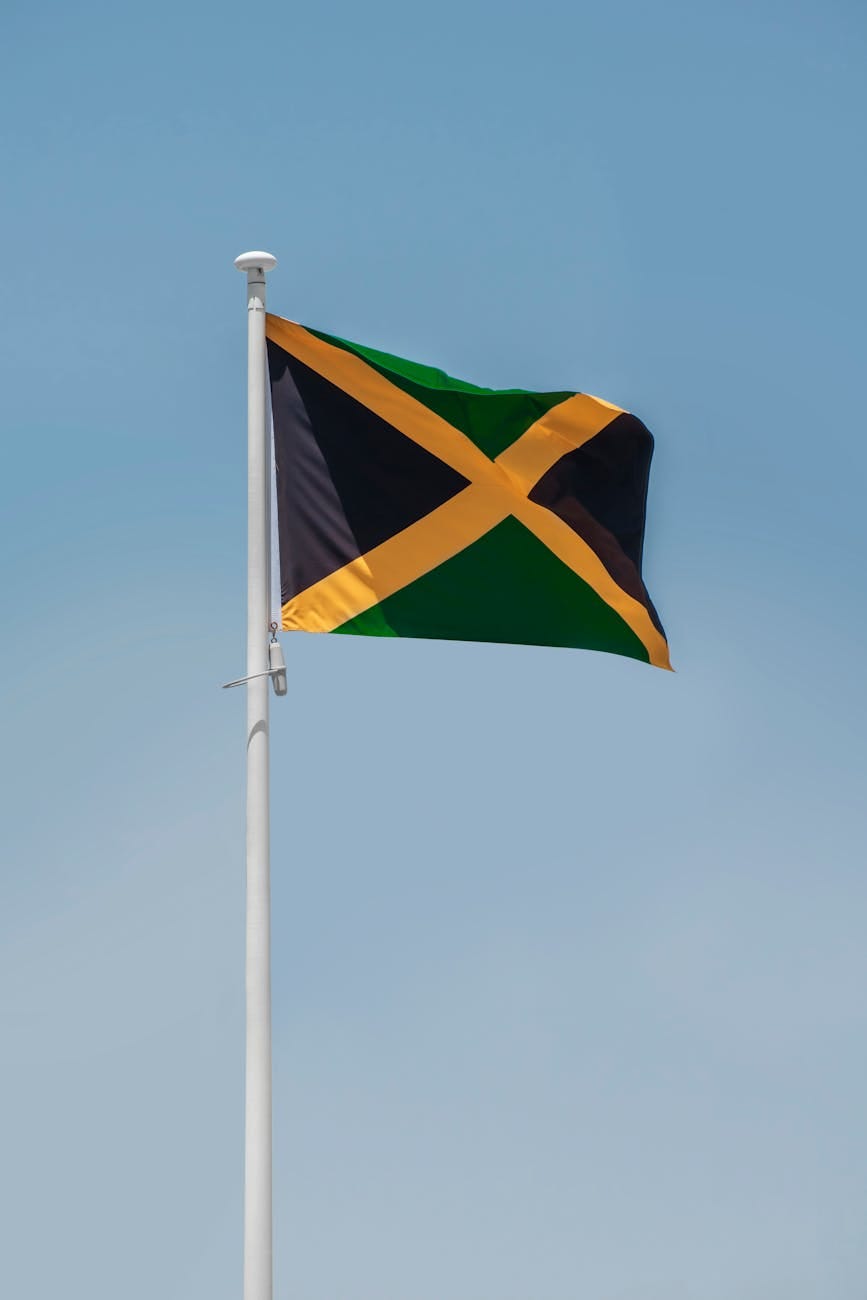
Jamaica’s history is a vibrant tapestry of resilience, struggle, and triumph. Central to this story are two pivotal celebrations: Emancipation Day and Independence Day. These holidays commemorate Jamaica’s journey from colonial rule and slavery to freedom and self-governance. Understanding these days offers a glimpse into the spirit of the Jamaican people and their enduring quest for liberty and self-determination.
Emancipation Day: A Step Towards Freedom
Historical Context
Emancipation Day is celebrated on August 1st, marking the end of slavery in Jamaica in 1838. The road to emancipation was long and arduous, characterized by numerous slave revolts and the relentless efforts of abolitionists both in Jamaica and abroad.
The Abolition Movement
The abolition movement gained momentum in the late 18th and early 19th centuries. Influential figures such as William Wilberforce in Britain and local leaders like Samuel Sharpe, a Baptist deacon and enslaved man who led the Christmas Rebellion of 1831, played crucial roles. Sharpe’s uprising, although brutally suppressed, significantly influenced the British government’s decision to end slavery.
The Act of Emancipation
On August 1, 1834, the British Empire enacted the Slavery Abolition Act, which commenced a period of apprenticeship, meant to transition enslaved people to full freedom. However, the conditions during apprenticeship were hardly different from slavery, leading to widespread discontent. Finally, on August 1, 1838, full emancipation was granted, and over 300,000 enslaved Africans in Jamaica were freed.
Celebration and Legacy
Emancipation Day is a time for reflection and celebration. It is marked by cultural events, reenactments, and educational programs that honor the ancestors’ struggles and achievements. The day serves as a reminder of the resilience of the Jamaican people and the importance of freedom and human rights.
Independence Day: A Nation is Born
The Road to Independence
Independence Day, celebrated on August 6th, commemorates Jamaica’s liberation from British colonial rule in 1962. The journey towards independence was fueled by a growing sense of national identity and the desire for self-governance. This period was characterized by political activism, economic struggles, and social movements.
Political Movements
The early 20th century saw the rise of political leaders and movements advocating for greater autonomy. Figures like Marcus Garvey, a prominent activist and the founder of the Universal Negro Improvement Association (UNIA), played a significant role in inspiring Jamaican nationalism. Garvey’s vision of African self-determination resonated deeply with Jamaicans.
The Birth of a Nation
Negotiations with the British government culminated in the Jamaican Constitution, which granted the island independence on August 6, 1962. Sir Alexander Bustamante became the first Prime Minister, and the new nation embarked on a journey of self-discovery and development.
Celebration and National Pride
Independence Day is a grand celebration of Jamaican culture, heritage, and achievements. The festivities include flag-raising ceremonies, parades, concerts, and fireworks. It is a day of national pride, where Jamaicans reflect on their history and celebrate their progress and unity.
The Significance Today
Both Emancipation Day and Independence Day are not only public holidays but also symbols of Jamaica’s enduring spirit and quest for freedom. They remind the nation of its struggles against oppression and the achievements of its people in building a free and independent country. These days foster a sense of unity, national pride, and a collective commitment to preserving the legacy of those who fought for freedom and independence.
Jamaica’s story is one of resilience, courage, and hope. As the nation continues to evolve, these celebrations remain a testament to the enduring spirit of the Jamaican people and their unwavering pursuit of liberty and self-determination.
Key Milestones in Jamaica’s Journey to Emancipation, Independence, and Beyond
DateEventRelevanceMeaningBenefitsDownsidesPeople’s View1831Christmas RebellionMajor slave uprisingDemonstrated the determination for freedomAccelerated the abolition of slaveryViolent suppression and loss of lifeSeen as a pivotal moment in the fight for freedom1834Slavery Abolition ActFormal end of slavery in the British EmpireMarked the beginning of the end of slaverySet the stage for full emancipationIntroduced the apprenticeship systemMixed feelings due to continued hardships under apprenticeship1838Full EmancipationEnd of apprenticeship systemComplete freedom for formerly enslaved peopleLegal freedom and recognition of human rightsEconomic and social challenges for freed individualsCelebrated as a triumph of human rights and dignityEarly 1900sRise of Marcus GarveyGrowth of Pan-Africanism and black nationalismPromoted racial pride and economic self-sufficiencyInspired future leaders and movementsControversial and often misunderstoodRevered as a national hero and visionary leader1944Universal Adult SuffrageVoting rights for all adults in JamaicaStep towards self-governanceIncreased political participation and representationSocial and political challenges in a developing democracySeen as a major advancement in democratic rights1958Federation of the West IndiesAttempt at regional integrationEffort to strengthen political and economic tiesPotential for greater regional unityShort-lived and ultimately dissolvedMixed reactions; seen as an ambitious but flawed attempt1962Independence from BritainEnd of colonial ruleBirth of a new nationNational sovereignty and self-determinationChallenges of nation-building and developmentCelebrated as a monumental achievement1972Election of Michael Manley as Prime MinisterShift towards socialism and social reformsFocus on social justice and economic equalityImplemented policies for education and healthcareEconomic challenges and political polarizationPolarizing figure, admired for his vision but criticized for economic issues2009Emancipation Park inauguratedSymbol of freedom and resilienceCommemorates the struggle for emancipationProvides a public space for reflection and celebrationMaintenance and funding issuesWidely appreciated as a cultural landmark2021Jamaica reaffirms intention to become a republicMove to remove the British monarch as head of stateEmphasis on full political independenceGreater national pride and sovereigntyPotential political and constitutional challengesGenerally supported as a step towards complete self-governanceFutureEstablishment of RepublicFormal transition from constitutional monarchyFull political independence from the UKEnhanced national identity and self-determinationPotential legal and administrative complexitiesViewed as the culmination of Jamaica’s independence journey
These milestones chart Jamaica’s journey from a colony built on slavery to an independent nation moving towards full sovereignty. Each event reflects the resilience and determination of the Jamaican people to shape their destiny. The transition to a republic, while complex, represents the final step in Jamaica’s long quest for complete independence and self-governance.
Detailed Impact on Jamaican Homes
1. Post-Emancipation Housing
After emancipation in 1838, freed individuals sought to establish their homes away from the plantations where they had been enslaved. This led to the creation of free villages, where they could own land and build their own houses. These communities were often self-sufficient and laid the foundation for rural Jamaican life.
2. Urbanization and Housing
As Jamaica moved towards independence, urbanization increased, leading to significant changes in housing. The migration of rural populations to cities in search of better opportunities created a demand for urban housing. Governments had to address the challenges of housing shortages, leading to the construction of public housing projects.
3. Social Reforms and Housing Policies
The political changes in the 20th century, especially under leaders like Michael Manley, brought a focus on social justice and equitable housing. Policies aimed at reducing housing inequality were implemented, including the construction of affordable housing for the working class and improving living conditions in existing neighborhoods.
4. National Identity and Housing
Independence and the move towards becoming a republic fostered a sense of national identity that influenced housing architecture and community planning. Emphasis was placed on building homes that reflect Jamaican culture and heritage, promoting pride in local architecture and community layouts.
5. Modern Developments and Future Prospects
In recent years, there has been a focus on sustainable housing and urban planning. The government and private sector are investing in modern housing projects that incorporate green spaces, community facilities, and eco-friendly designs. The anticipated establishment of a republic is expected to further boost these efforts, reflecting Jamaica’s independent identity and commitment to improving living standards for its people.
Conclusion
The historical milestones in Jamaica’s journey to emancipation and independence have deeply influenced the homes and living conditions of its people. From the establishment of free villages post-emancipation to modern housing developments, each phase of Jamaica’s history has contributed to shaping the residential landscape of the nation. As Jamaica moves towards becoming a republic, continued efforts in housing development are expected to enhance the quality of life and reflect the country’s rich heritage and aspirations for the future.