


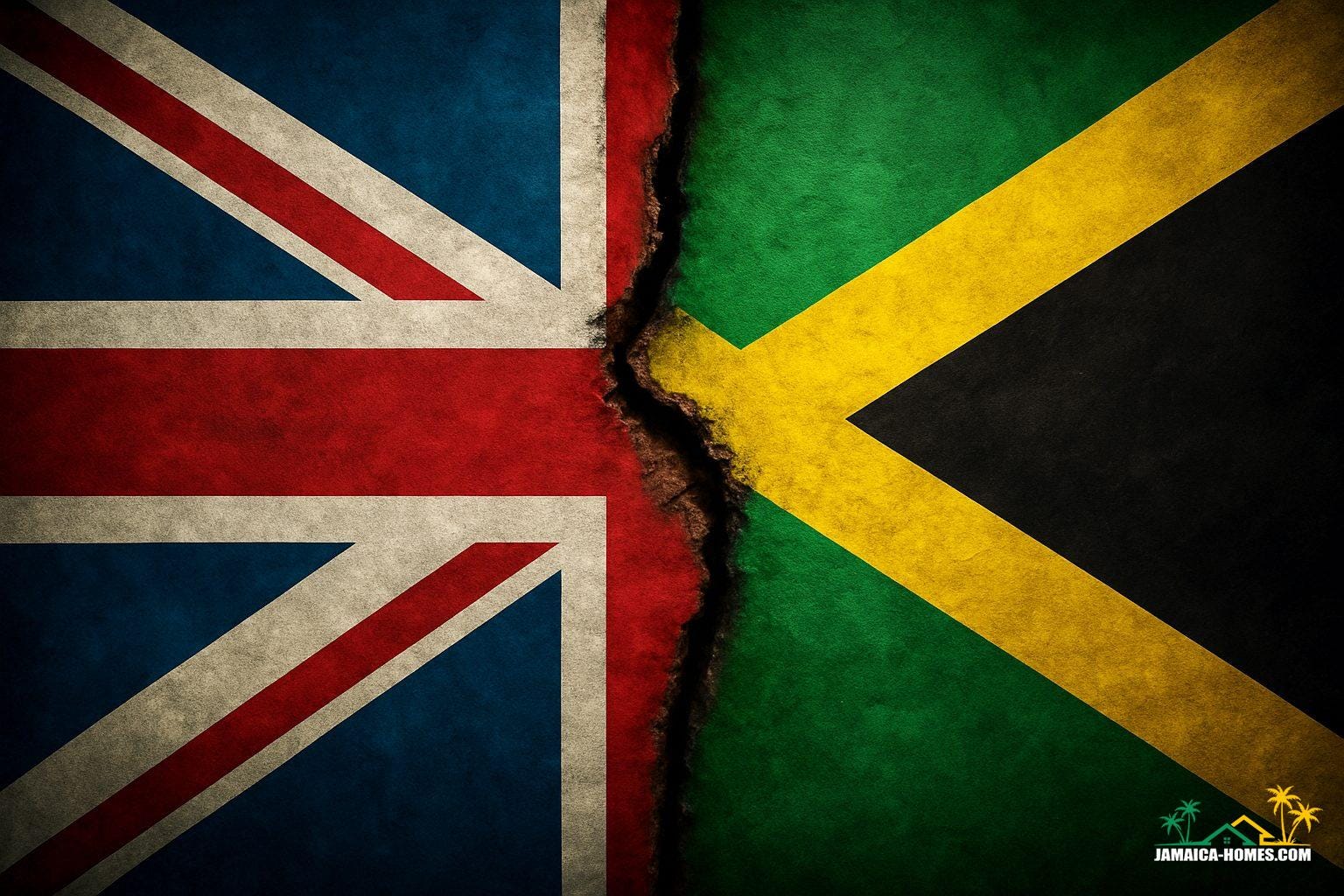
Some things in life are simple. Some are complicated. And then there’s the love affair between Jamaica and the UK. I’ve spent years helping people navigate this story—not just in bricks and mortar, but in lives, legacies, and the choices that define them.
It’s a relationship that stretches over a century, shaped by history, migration, ambition, and heart. And if you’re standing at the crossroads, wondering whether to build your life in London or Kingston, Montego Bay or Manchester, the answer isn’t simple. It depends on who you are, where you are in life, and what you’re willing to give and take.
The Early Days: The 1900s
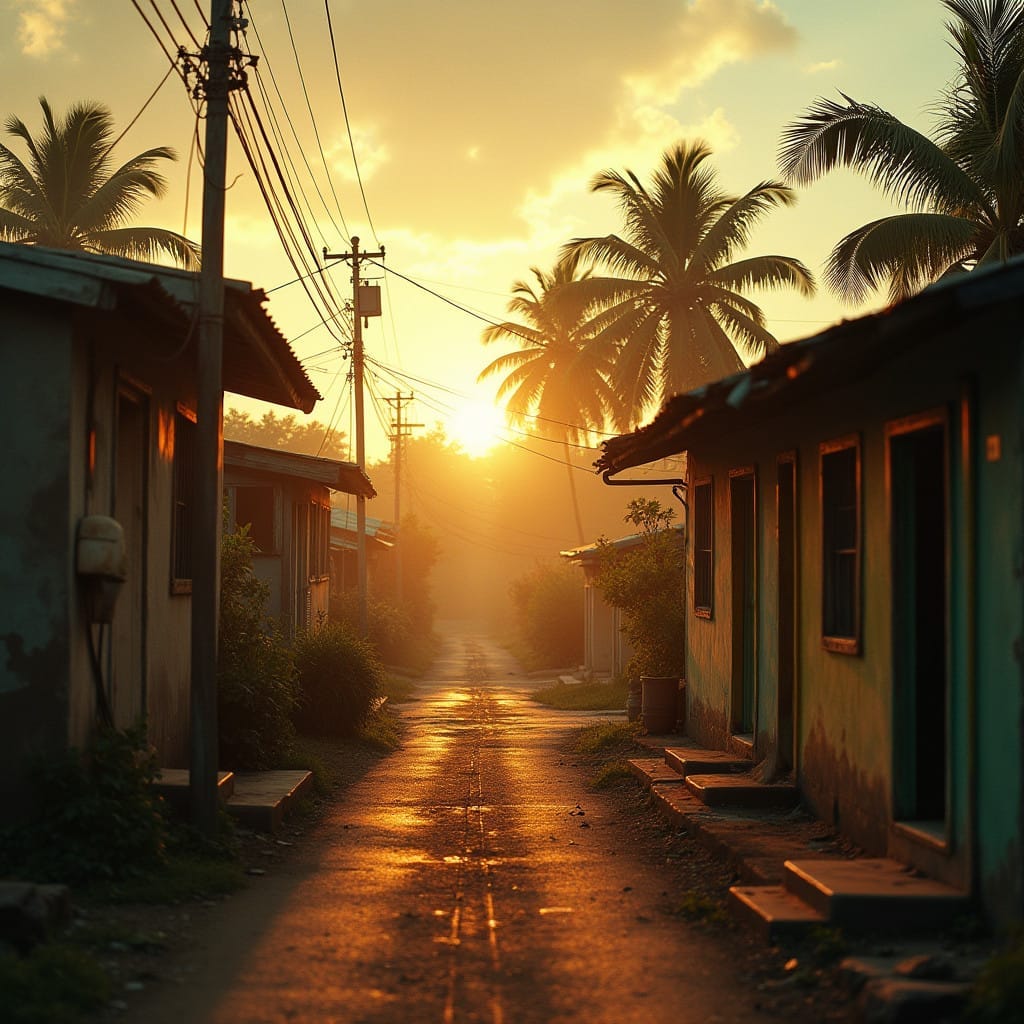
Back in the early 20th century, Jamaica was still a British colony, and for many families, the UK was a distant dream. It was the place for education, work, and opportunity, but also a land far removed from our sun-soaked communities, our music, our ways of life.
Meanwhile, Britain had its eye on Jamaica as a producer of goods—sugar, bananas, timber—but beneath that economic interest, there was fascination. Who wouldn’t be intrigued by a people who could sing through hardship, dance through storms, and laugh through long colonial nights?
It was the beginning of a complex, almost magnetic pull.

















Wars, Loyalty, and Sacrifice
World Wars I and II tightened the bond. Thousands of Jamaicans fought for Britain, crossing oceans to face dangers their own island had never seen. They returned home proud, but often disappointed—reward was limited, recognition sparse. Yet Britain had shown itself as both opportunity and challenge, a country of structure but also of deep social divisions.
These experiences laid a foundation. They taught Jamaicans resilience, and reminded Britain that the empire was more than economics—it was people, and people with hearts, ambitions, and stories.
Post-War Migration: The Honeymoon
The Empire Windrush arrived in 1948, and a new chapter began. Jamaicans answered Britain’s call for labour—nurses, drivers, builders, civil servants. They brought with them warmth, music, and culture. Britain offered work, stability, and a new horizon; Jamaica offered the roots they carried in every suitcase, every letter, every remittance.
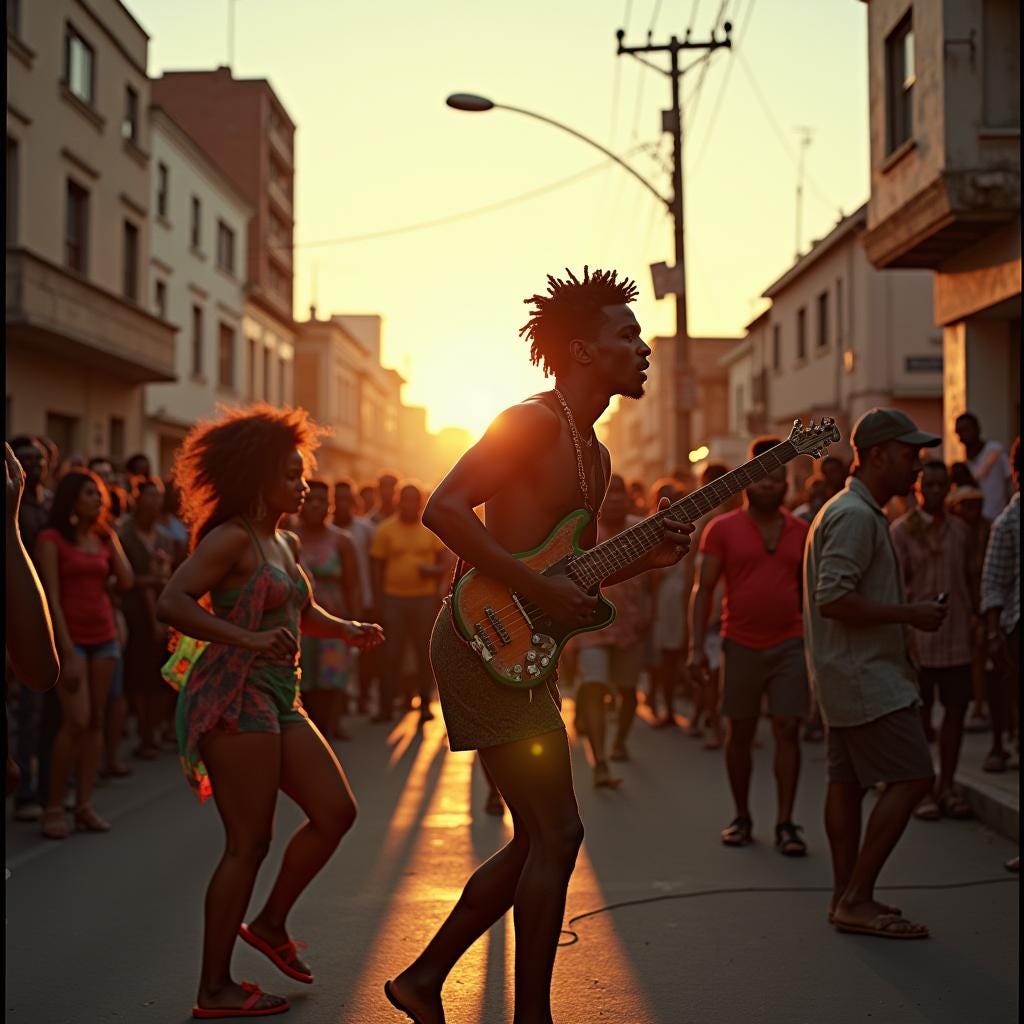
It wasn’t always easy. Racism, exclusion, and homesickness were constant companions. But in kitchens, churches, and dance halls, a love affair flourished. Reggae and calypso seeped into British streets, influencing a generation. For Jamaicans, Britain was at once a dream and a challenge—but one worth pursuing.
Independence and the Shifting Relationship
1962 brought independence. Jamaica declared itself free, but our connection with Britain didn’t vanish. It became more nuanced. Britain remained a destination for study, work, and sometimes, escape. For many, the choice to live in Britain was practical; for others, it was aspirational.
Over time, the love-hate dynamic surfaced. Britain offered security and structure, Jamaica offered soul and freedom. Families were split across oceans; hearts were divided, sometimes daily, by duty and desire.
The Love-Hate of the Late 20th Century
By the 1980s and 1990s, things got more complicated. Jamaica faced political unrest, economic strain, and pockets of violence. Migration continued, sometimes reluctantly, as families sought education, safety, and opportunity abroad.
Britain itself wrestled with challenges—unemployment, social tension, and shifting demographics. Yet the love affair endured. Families sent letters, remittances, and culture back and forth. Jamaican cuisine, music, and humour became part of British life. Christmas mingled mince pies with sorrel and rum cake. Both nations enriched each other, even while friction simmered beneath the surface.
The 2000s: Globalisation, Choice, and Perspective
The new millennium brought mobility. Travel became easier, communication instantaneous. Jamaicans could study in the UK, earn abroad, and return home with skills, connections, and capital. Britons could holiday in Jamaica, invest in property, or even retire in the warmth.
Culturally, the two countries remained entwined. Grime carries the echo of dancehall; British television and radio have long carried Jamaican voices. The relationship matured, less about obligation and more about choice.
Choosing Where to Build Your Life
Today, deciding between Jamaica and the UK is intensely personal. The choice depends on stage of life, family, finances, and ambition.
Stage of Life: A young professional may gravitate toward Britain for career progression and structure. A retiree may favour Jamaica’s lifestyle, community, and pace.
Family Commitments: Raising children in Britain often comes with stronger infrastructure, but Jamaica offers cultural roots, extended family networks, and a sense of belonging that can’t be measured.
Assets and Real Estate: Jamaica offers opportunities for growth, especially in tourism hubs and emerging suburbs. UK property can offer security and liquidity, though it comes with higher entry barriers.
Security vs. Freedom: Britain is predictable, orderly, and systemised. Jamaica is open, vibrant, and full of possibilities—but less predictable.
Culture and Lifestyle: Britain may satisfy ambition; Jamaica nurtures the soul.
The Heart of the Matter
This is not a simple choice, and it never has been. The UK and Jamaica are connected by history, family, and culture. They’ve endured wars, migration, political shifts, and social challenges together. And yet, each offers a different rhythm, a different way to live and love life.
So which is perfect? The truth is neither. Perfection is personal. Some of us thrive on structure, planning, and certainty. Others flourish in spontaneity, community, and warmth. And for many, the best answer is both: live, learn, and invest across the two worlds, carrying the best of each in your heart.
In the end, this is a love affair that never truly ends. It changes shape, sometimes messy, sometimes graceful, but always present. And for those willing to navigate it thoughtfully, both the UK and Jamaica have treasures to offer—whether measured in pounds, dollars, memories, or sunlight.