

Tropical Storm Amanda Is No Threat to the Caribbean. It Is Still a Reminder of What Comes Next.

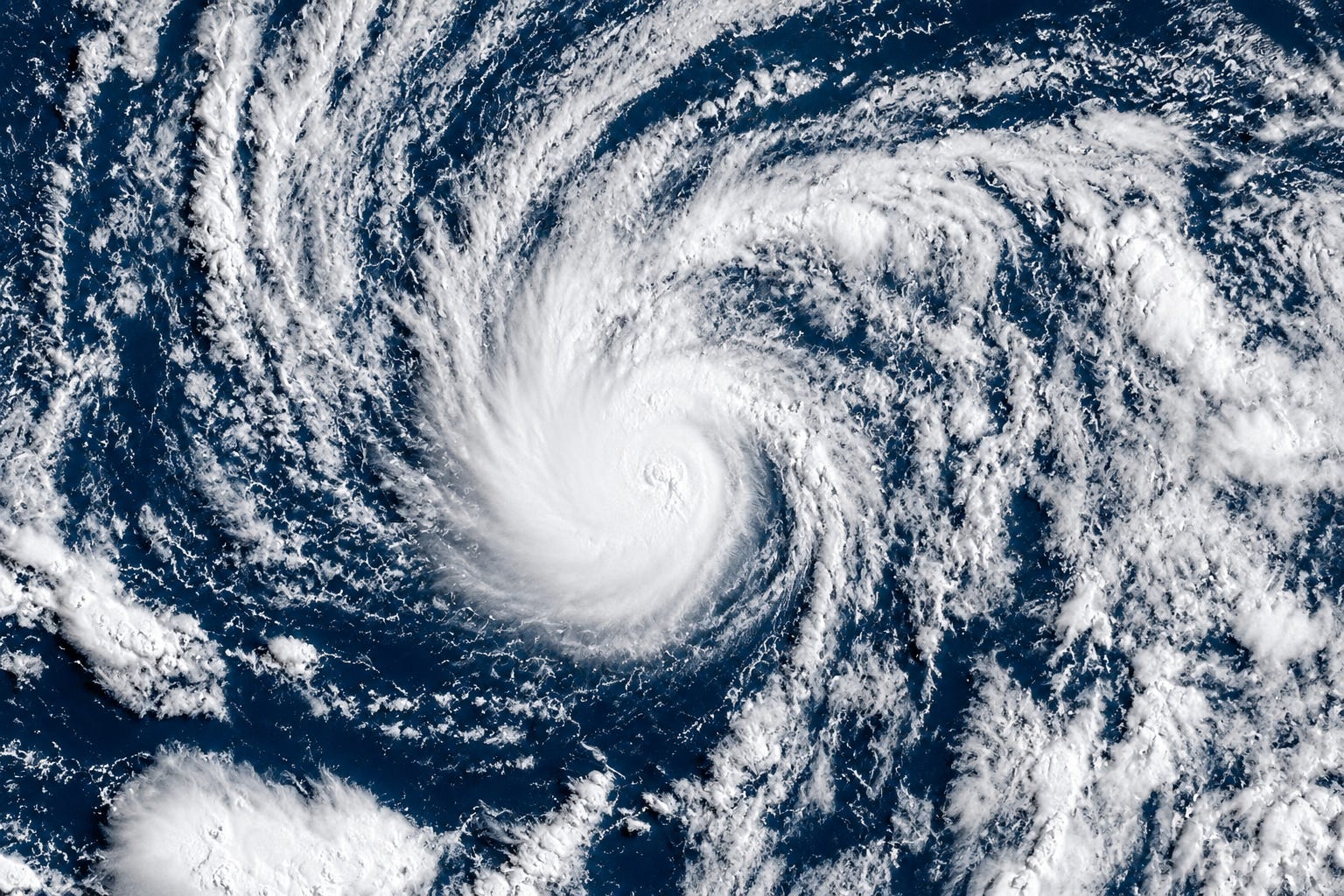
The formation of Tropical Storm Amanda in the eastern Pacific Ocean may seem like a distant event for residents of Jamaica and the wider Caribbean.
Located thousands of miles away and posing no threat to land, Amanda became the first named storm of the 2026 eastern Pacific hurricane season this week. Forecasters expect the storm to strengthen modestly before weakening over cooler waters later in the week.
For the Caribbean, Amanda will never appear on a weather map. It will not threaten Kingston, Bridgetown, Nassau, Georgetown, Port of Spain, or Santo Domingo.
Yet storms like Amanda serve another purpose. They remind us that hurricane season has begun.
That reminder matters because history has shown that the greatest danger is often not the storm people can see coming, but the preparation they never completed before it arrived.
A Quiet Start Means Very Little
The Atlantic hurricane season officially began on June 1 and, so far, no tropical cyclones have formed in the basin.
Some meteorologists believe warming Pacific waters may eventually contribute to the development of El Niño conditions, which can increase wind shear over the Atlantic and suppress hurricane formation.
While that may sound encouraging, hurricane experts repeatedly caution against drawing comfort from seasonal forecasts.
The Caribbean has learned this lesson before.
A single hurricane can define an entire season. Communities rarely remember whether a year produced ten storms or twenty. They remember the one that struck their neighbourhood, flooded their streets, tore off their roof, or left them without electricity and water for weeks.
The difference between a manageable disaster and a catastrophic one is often determined long before a storm forms.
The Caribbean’s Greatest Vulnerability
Across the region, millions of people live in homes built decades ago, often expanded gradually over time and modified according to family needs rather than engineering specifications.
Many roofs were never designed to withstand modern hurricane forces. Drainage systems struggle with increasingly intense rainfall. Coastal communities face growing risks from storm surge. Informal settlements remain vulnerable to flooding and landslides.
The challenge is not limited to low income households.
Even relatively modern homes can contain hidden weaknesses.
Loose roofing sheets, deteriorated fasteners, overhanging trees, blocked drains, damaged windows, and ageing water systems can all become points of failure during severe weather.
The reality is simple. Hurricanes do not create weaknesses. They expose them.
The Hidden Risk Above Many Caribbean Homes
One often overlooked vulnerability sits in plain sight across Jamaica and many other Caribbean islands.
The rooftop water tank.
For decades, rooftop tanks have provided an effective solution to unreliable water supplies. They are now a familiar part of the Caribbean landscape.
An 800 gallon tank can weigh more than 6,000 pounds when full. Most people assume that something so heavy cannot possibly become a hazard during a hurricane.
The concern, however, is rarely the tank itself.
The greater risk is the structure supporting it.
A weakened roof, deteriorated platform, corroded supports, or unstable tank stand can fail under extreme wind loads. When that happens, thousands of pounds of water and plastic may shift suddenly, causing significant damage to the home below and potentially to neighbouring properties.
Engineers frequently point out that wind does not need to lift an object completely off the ground to make it dangerous. It only needs to destabilise the structure supporting it.
As hurricane intensity increases, that distinction becomes increasingly important.
What Residents Can Do Right Now
The encouraging news is that some of the most effective hurricane preparations require little money.
Homeowners can begin by conducting a simple inspection of their property.
Look for loose roofing materials, damaged gutters, cracked walls, leaning fences, unstable trees, and signs of deterioration around water tank supports.
Trim branches that overhang roofs.
Clear drains and gullies before heavy rainfall arrives.
Secure outdoor items that could become airborne during strong winds.
Review insurance policies and ensure important documents are stored safely in waterproof containers and digital backups.
Most importantly, identify vulnerabilities before a warning is issued.
Once a storm enters the Caribbean, supplies disappear quickly, contractors become overwhelmed, and preparation becomes significantly more expensive.
Community Still Matters
The Caribbean’s resilience has never depended solely on buildings.
It has also depended on people.
After every major storm, stories emerge of neighbours helping neighbours, churches opening their doors, communities sharing generators, and families supporting one another through recovery.
That tradition remains one of the region’s greatest strengths.
Preparedness is not only about protecting individual homes. It is also about ensuring vulnerable residents are not left behind.
Elderly neighbours, people with disabilities, single parent households, and those living in fragile structures often face the greatest challenges both before and after a hurricane.
Communities that prepare together typically recover faster.
Amanda’s Real Message
Tropical Storm Amanda will likely pass into history as a relatively insignificant Pacific storm.
It is not expected to threaten land. It will not appear among the memorable hurricanes of recent years.
Yet its arrival carries a message that extends far beyond the Pacific Ocean.
Hurricane season has begun.
The Caribbean may enjoy days, weeks, or even months before facing a serious threat. Or it may not.
No forecast can guarantee safety. No seasonal outlook can eliminate risk.
What remains within our control is preparation.
The most dangerous assumption any household can make is that there will be enough time to prepare later.
Amanda is not a warning of a storm approaching the Caribbean.
It is a reminder that preparedness is easiest before one does.