

Trump Picks Kari Lake for Jamaica Envoy Role
Former broadcaster and Trump ally nominated at a sensitive moment for US-Caribbean relations and Jamaica’s economic future

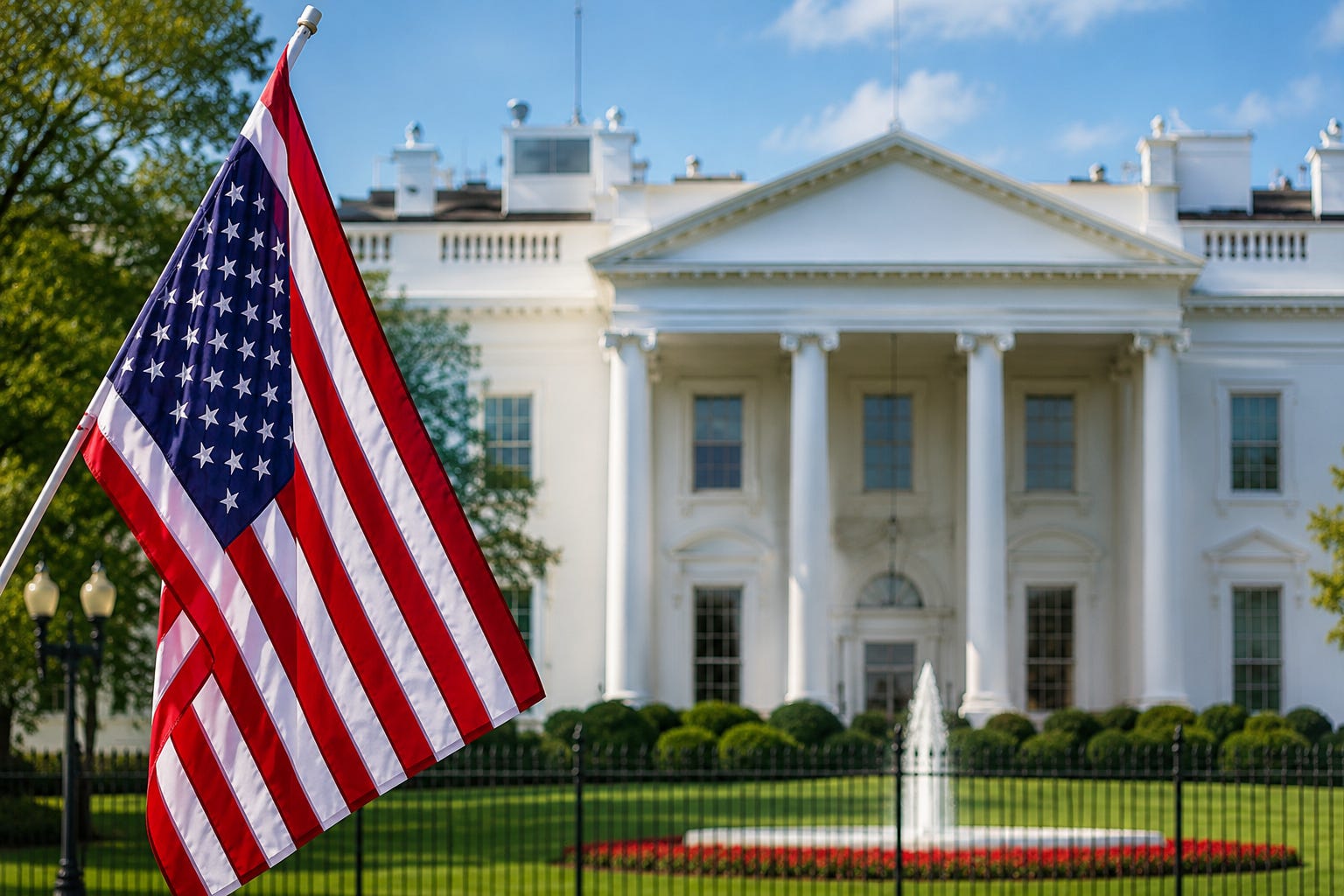
United States President Donald Trump has nominated Kari Lake to become the next US ambassador to Jamaica, placing a high-profile political figure at the centre of one of Washington’s most strategically important relationships in the Caribbean.
The nomination, announced by the White House on Monday, now heads to the US Senate for confirmation. If approved, Lake would replace former ambassador Nick Perry, whose tenure ended in January 2025. The US Embassy in Kingston is currently being led by Chargé d’Affaires Scott Renner.
Lake enters the role at a time when Jamaica and the wider Caribbean are navigating a more uncertain global environment shaped by geopolitical rivalry, migration concerns, climate vulnerability, tourism dependence, and shifting economic alliances.
A former television anchor turned Republican political figure in Arizona, Lake has become closely aligned with Trump’s political movement and currently serves as a senior adviser at the United States Agency for Global Media, the agency overseeing civilian international broadcasters including Voice of America.
Her possible appointment comes as Jamaica faces increasing pressure to balance relationships with major global powers, particularly the United States and China. Infrastructure financing, logistics investment, tourism, energy security, and regional trade are all becoming more entangled with wider geopolitical competition.
For Jamaica, these shifts increasingly extend beyond diplomacy and into housing, development, and long-term economic resilience. The United States remains Jamaica’s largest trading partner and one of its most influential tourism markets, helping shape employment, foreign exchange flows, remittance patterns, and investment confidence, all of which influence the property market and wider construction sector.
The nomination also arrives months after Jamaica controversially ended its decades-old medical cooperation programme with Cuba amid growing US scrutiny of Havana’s international partnerships. The move exposed divisions within CARICOM and highlighted the increasingly delicate balancing act Caribbean governments face between economic dependence, sovereignty, and foreign policy alignment.
Earlier this year, the Office of the Prime Minister warned that Jamaica was entering what it described as a “new era of diplomacy,” one where economic independence and strategic positioning would become increasingly important.
That message is now becoming visible across multiple sectors. Tourism remains heavily tied to US visitors. Foreign direct investment continues to influence coastal development and resort expansion. Currency pressures continue to affect building costs and housing affordability. At the same time, climate risks, particularly following Hurricane Melissa last year, are forcing renewed conversations about resilience, insurance, and national infrastructure.
Against that backdrop, the arrival of a politically prominent ambassador could signal a more direct and strategic phase in US-Jamaica relations.
While ambassadors do not determine domestic policy, they often influence diplomatic tone, development cooperation, investor confidence, and the wider relationship between governments and business communities. In small island economies like Jamaica, those relationships can ripple quietly into real estate, tourism development, labour markets, and long-term planning decisions.
The United States government has consistently described Jamaica as an attractive commercial partner because of its location, English-speaking workforce, and strategic shipping access. Those advantages continue to place the island at the centre of broader regional competition over trade routes, logistics, tourism, and influence in the Caribbean basin.
For Jamaica, the challenge may increasingly be how to maintain economic openness while preserving national flexibility in a world where global alliances are becoming less stable and more transactional.
Whether Lake’s nomination ultimately reshapes US-Jamaica relations in a meaningful way remains to be seen. But her selection reflects a wider reality now confronting the Caribbean: diplomacy, economics, security, and development are becoming harder to separate, particularly for countries whose futures remain closely tied to global capital, tourism, and international partnerships.