

Trump Reportedly Clashes With Netanyahu as Lebanon Tensions Threaten Wider Regional Stability
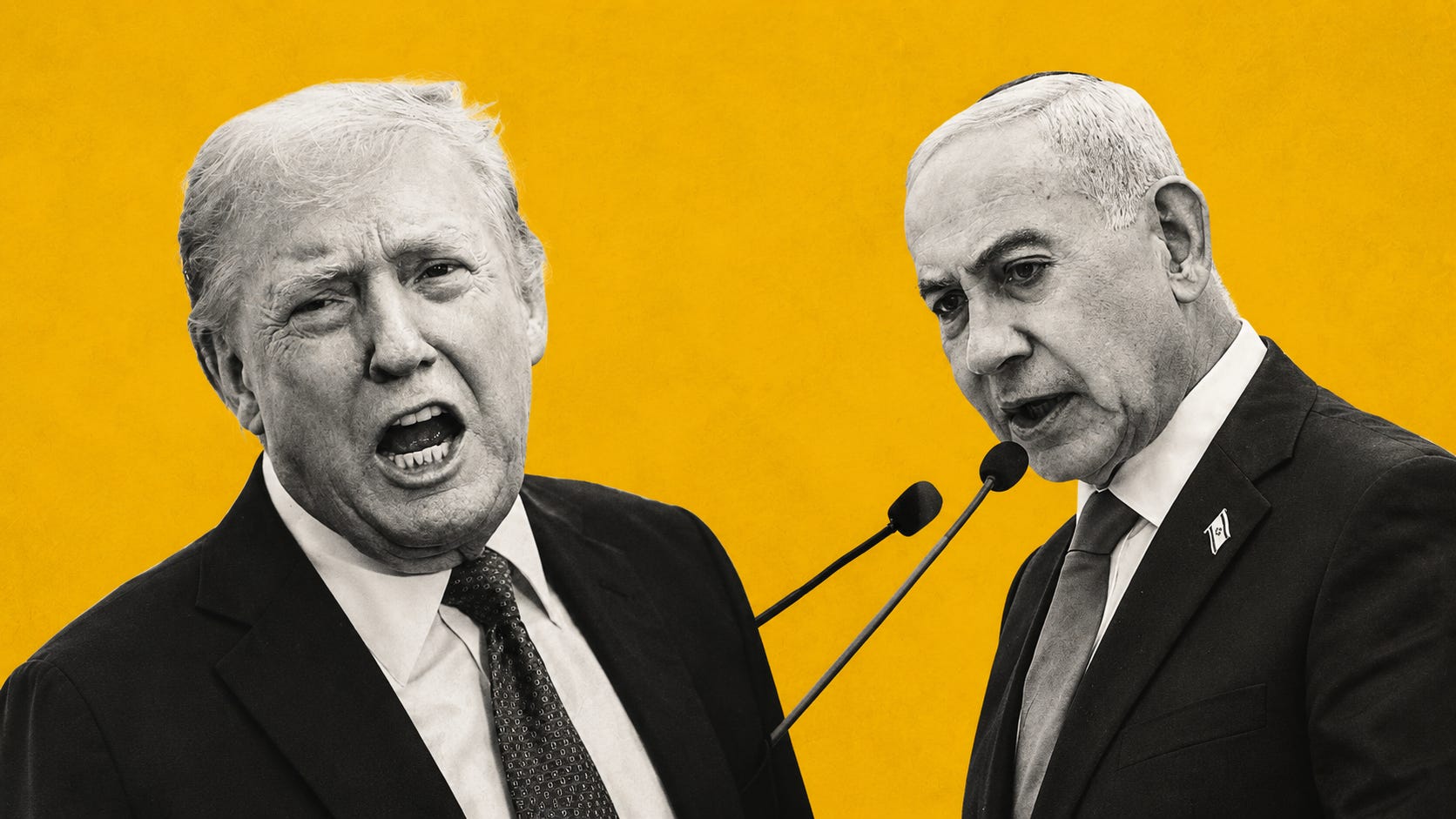
Reports of a heated exchange between United States President Donald Trump and Israeli Prime Minister Benjamin Netanyahu have offered a rare glimpse into growing tensions between two leaders who have often been viewed as close political allies.
According to reporting by Axios, Trump expressed strong opposition to Israeli plans for an expanded military campaign against Hezbollah in Lebanon, warning that further escalation could undermine broader efforts to reduce tensions across the Middle East.
The report, based on unnamed United States officials, describes one of the most confrontational conversations between the two leaders since Trump’s return to office. Axios reported that Trump accused Netanyahu of pursuing a disproportionate response and urged him to scale back planned operations in Beirut and southern Lebanon.
Neither the White House nor the Israeli government immediately released a full public account of the conversation. As a result, the specific language attributed to Trump remains unverified beyond the accounts provided by officials familiar with the call.
The reported disagreement highlights an increasingly complex challenge facing Washington. While the United States continues to support Israel’s security objectives, there also appears to be concern within the administration that a wider conflict involving Lebanon, Hezbollah and Iran could destabilise the region at a time when diplomatic efforts are focused on reducing the risk of a broader war.
For Israel, Hezbollah remains one of the most significant security threats along its northern border. The Iran-backed organisation possesses a substantial arsenal of missiles and has been involved in repeated exchanges with Israeli forces over recent years. Israeli officials have consistently argued that military pressure is necessary to deter future attacks.
The United States, however, must balance those security concerns against wider geopolitical interests. Any significant expansion of military operations in Lebanon carries the risk of drawing additional regional actors into the conflict, potentially affecting energy markets, international shipping routes and global economic stability.
Financial markets have already demonstrated their sensitivity to developments in the Middle East. Energy prices have remained volatile throughout the year amid concerns about regional security and the possibility of disruptions to critical transport corridors. A prolonged escalation involving Israel, Lebanon and Iran could add further uncertainty to an already fragile global environment.
The reported exchange also illustrates the transactional nature that has often characterised Trump’s approach to international relationships. According to Axios, the president referenced previous political support he had provided Netanyahu and expressed frustration that his efforts to reduce regional tensions were being undermined.
Whether the conversation results in a meaningful shift in Israeli military strategy remains unclear. Governments frequently disagree behind closed doors, particularly during periods of conflict, and strong language does not always translate into immediate policy changes.
What is clear is that Washington appears increasingly concerned about preventing localised conflicts from evolving into a wider regional confrontation. As military activity continues across multiple fronts in the Middle East, the challenge for policymakers remains the same: containing immediate security threats while avoiding a broader conflict that could carry significant global consequences.
For now, the reported dispute serves as a reminder that even among close allies, disagreements over strategy can emerge when the stakes involve regional stability, international diplomacy and the prospect of a wider war.