


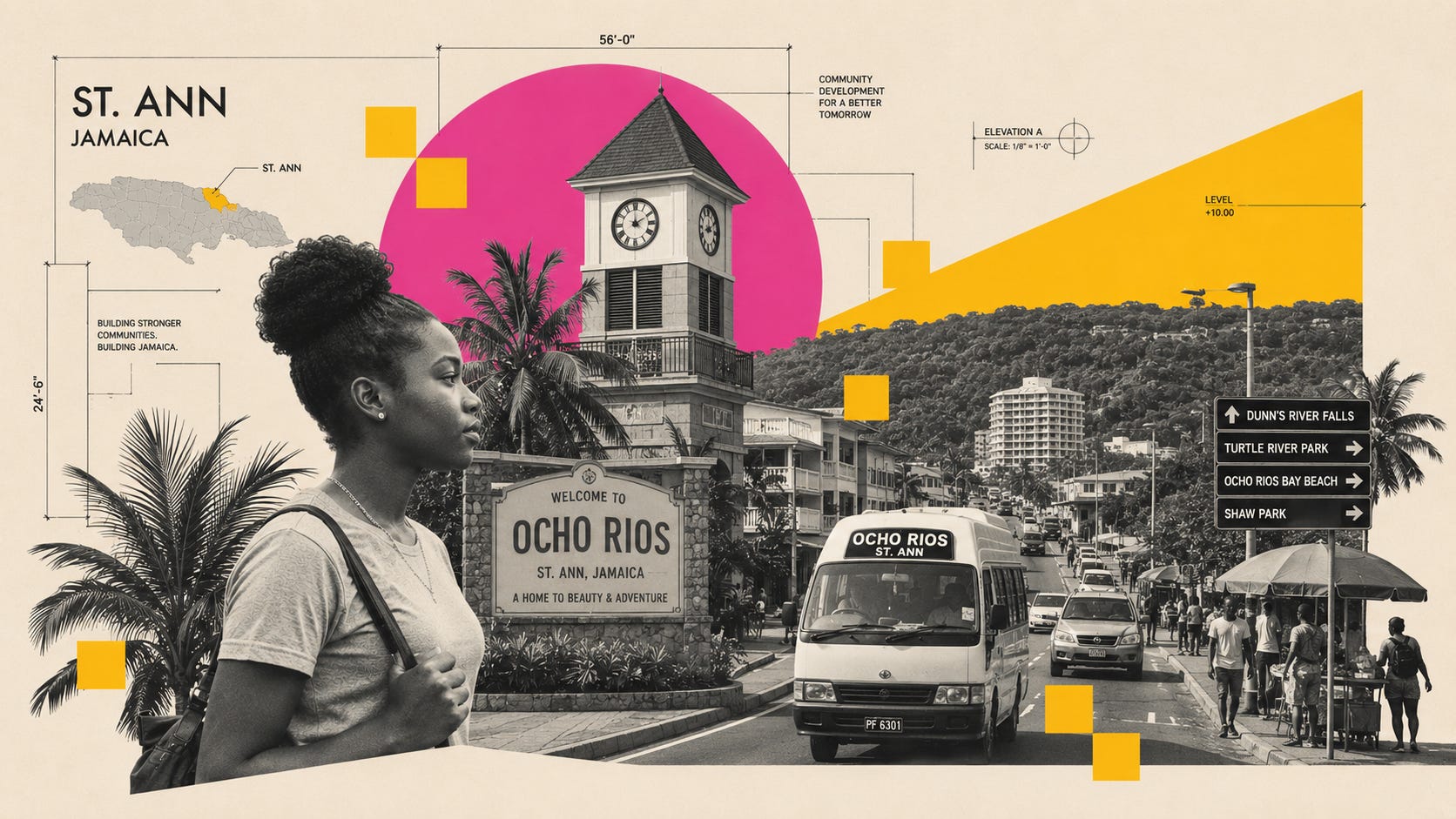
The Urban Development Corporation (UDC) has unveiled plans for a significant expansion of housing and development projects in St Ann, with between 1,500 and 2,000 new housing units proposed across Mansfield, Chalky Hill and Malvern Park.
The announcement forms part of a wider programme that could see approximately 12,000 housing solutions delivered through UDC developments across Jamaica, adding a major new player to the country’s ongoing effort to increase housing supply and support economic growth.
A Bigger Role in Housing
For many Jamaicans, housing discussions often focus on the National Housing Trust, the Housing Agency of Jamaica and the New Social Housing Programme. The latest announcement signals that the UDC intends to play a much larger role in shaping the country’s residential landscape over the coming years.
While the St Ann developments remain in the planning stages, the scale of the proposed projects suggests they could have a meaningful impact on housing availability in one of Jamaica’s fastest-growing parishes.
St Ann has experienced sustained demand from both local buyers and investors over the past decade, fuelled by tourism growth, infrastructure improvements and increased interest in the north coast as a place to live, work and invest.
Additional housing stock could help address some of the supply pressures that have contributed to rising property prices in parts of the parish.
More Than Housing
The UDC’s plans extend beyond residential development.
Among the projects discussed are continued improvements to the Ocho Rios Bay Beach and Waterfront Area, Turtle River Park and Shaw Park, alongside redevelopment proposals for Dunn’s River Falls, Little Dunn’s River and Laughing Waters.
Taken together, these initiatives point towards a broader strategy aimed at strengthening St Ann’s tourism infrastructure while enhancing public spaces for residents and visitors alike.
For property owners and developers, investment in public amenities often has a long-term effect on surrounding land values. Well-maintained parks, waterfront areas and recreational facilities can improve the attractiveness of communities and support future private-sector investment.
The North Coast Growth Story Continues
The announcement also reinforces a trend that has become increasingly visible across Jamaica’s north coast.
Major tourism developments, residential communities, infrastructure upgrades and commercial projects continue to cluster around St Ann and neighbouring parishes. This concentration of investment is gradually reshaping the region into one of Jamaica’s most important growth corridors.
For developers, the prospect of thousands of new homes creates opportunities for construction activity, professional services and supporting businesses. For communities, however, growth also raises important questions about infrastructure capacity, transportation, water supply and environmental management.
The long-term success of these developments will depend not only on the number of homes delivered but also on how effectively new communities are integrated into the wider parish.
What It Means for Jamaica’s Property Market
The proposed housing programme arrives at a time when affordability remains a major concern for many Jamaicans.
Across several parishes, demand continues to outpace supply, particularly in locations with strong employment opportunities and access to key services. Increasing the number of available housing solutions is therefore likely to remain a central part of Jamaica’s development strategy.
The UDC’s planned contribution of approximately 12,000 housing solutions nationwide could become one of the most significant public sector interventions in the housing market in recent years if delivered at scale.
For St Ann specifically, the developments could help support population growth, strengthen local economies and create new opportunities for homeownership.
Looking Ahead
The UDC’s plans for St Ann represent more than a collection of construction projects. They signal a broader vision for how housing, public spaces, tourism assets and infrastructure can work together to shape communities.
As Jamaica continues to confront housing demand, urban growth and economic expansion, the success of these projects will ultimately be measured not simply by the number of units built, but by whether they create places where people can realistically afford to live, work and build long-term security for their families.
For now, St Ann appears set to remain at the centre of Jamaica’s development story.