

Understanding Dead Lef
As property values rise and generations change, Jamaica's inheritance culture is facing new pressures that many families are unprepared for.


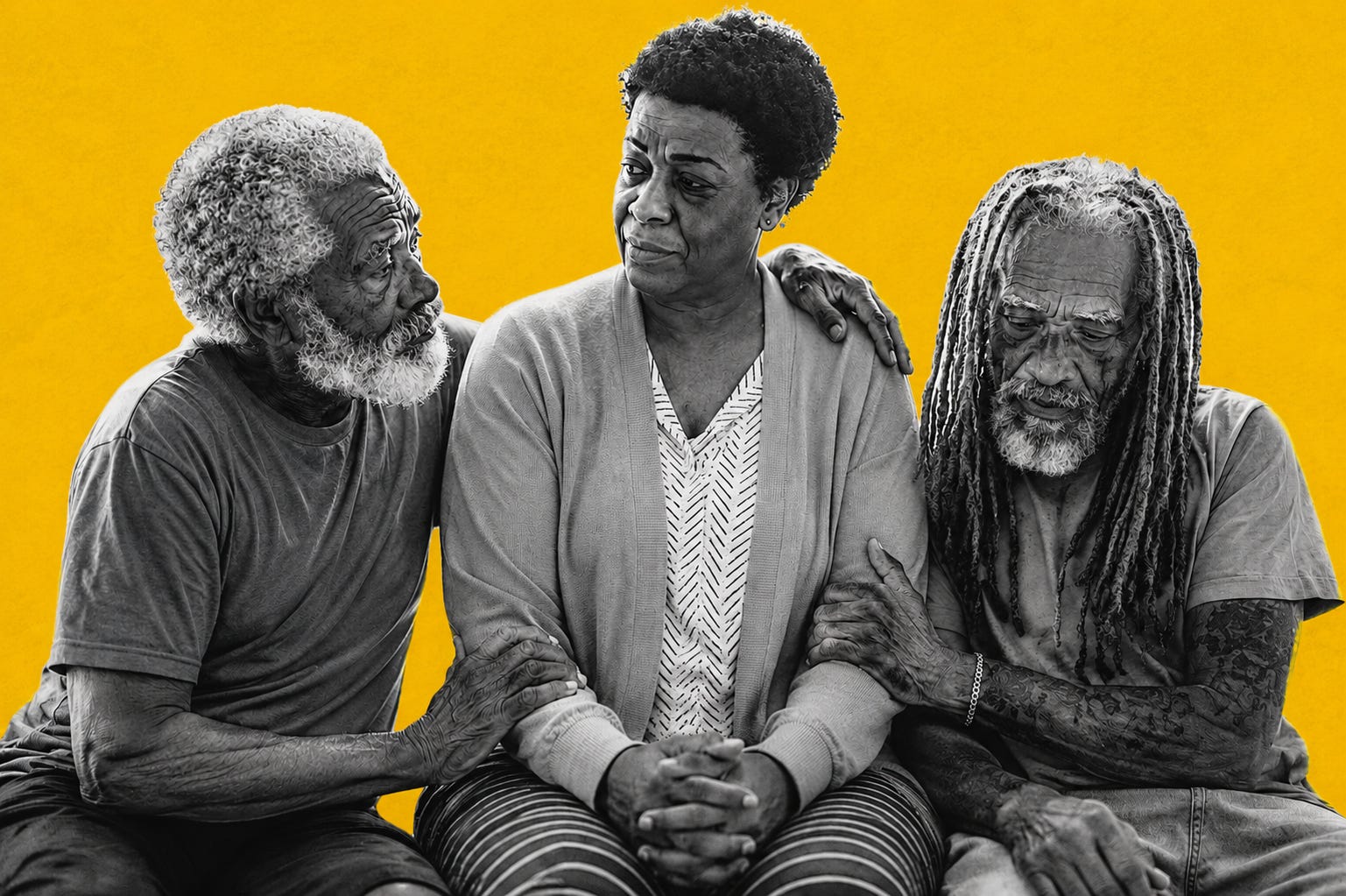
For generations, the phrase “dead lef” has been part of everyday Jamaican conversation.
Mention it in a district bar, at a family gathering, or at a funeral, and everyone immediately understands what is being discussed. Dead lef, derived from the phrase “what the dead have left behind”, refers to the land, property, money, possessions, and other assets left by a loved one after death.
Traditionally, these conversations were often settled within families. There might be disagreements, but there was usually a shared understanding of who lived where, who cared for whom, and what the deceased intended.
Today, however, those conversations are becoming increasingly complex.
Across Jamaica, inheritance is emerging as one of the country’s most significant yet underappreciated property issues. Rising land values, migration, informal ownership arrangements, family land traditions, and the absence of wills are creating situations that can leave families tied up in disputes for years.
The issue is no longer simply about who gets Grandma’s house. It is increasingly about wealth, housing, economic opportunity, and the future of family assets.
More Than an Inheritance Story
At first glance, dead lef may appear to be a legal matter.
In reality, it touches almost every aspect of Jamaican life.
For many families, land remains the single most valuable asset they own. A modest parcel acquired decades ago may now be worth tens of millions of dollars. Properties that once sat quietly on the outskirts of towns are now attracting interest from developers, investors, returning residents, and members of the diaspora.
As values increase, so does scrutiny.
Questions that may have been ignored for years suddenly become urgent.
Who owns the property?
Was there a will?
Who paid for improvements?
Who has been living there?
Who should inherit?
What happens if family members disagree?
These questions can expose issues that have remained dormant for decades.
The Informal Jamaica
One of the realities of Jamaican life is that many arrangements have historically been based on trust rather than paperwork.
Families often relied on verbal agreements and mutual understandings.
A parent may have told a child that a particular piece of land would one day belong to them.
A relative may have been allowed to build a house on family property.
A neighbour may have been asked to look after a house while an owner lived overseas.
An elderly family member may have depended on a caregiver, friend, niece, nephew, or companion to manage their affairs.
While the original owner was alive, these arrangements often worked perfectly well.
The problem frequently begins after death.
The person who knew the full story is no longer there to explain what was intended.
What remains are memories, assumptions, expectations, and sometimes conflicting versions of events.
One family member may insist they were promised the property.
Another may believe it was always intended to be shared.
Without documentation, it can become extremely difficult to establish what was actually intended.
When Caring Becomes a Claim
Conversations with property owners, families, and professionals frequently reveal another recurring theme.
Many Jamaicans spend years caring for elderly relatives.
They may maintain the property, pay utility bills, collect rent from rooms, arrange repairs, provide transport to appointments, and help manage day-to-day affairs.
Over time, some begin to feel a deep connection to the property itself.
In many cases, that feeling is understandable.
After years of sacrifice and responsibility, a caregiver may believe they deserve recognition or compensation.
The challenge is that family members may see the situation very differently.
The caregiver may say they devoted years of their life to supporting the deceased.
The children may argue that the property belongs to the estate.
The deceased may have expressed intentions verbally but never put them in writing.
Without a will or formal agreement, these situations can quickly become emotionally charged.
From a human perspective, several parties may feel justified.
From a legal perspective, however, feelings alone are rarely enough to determine ownership.
Family Land and the Jamaican Experience
The discussion around dead lef cannot be separated from Jamaica’s history of family land.
Family land has helped countless Jamaicans maintain a connection to place and heritage. It has provided housing, farming opportunities, and security across generations.
Yet family land can also create complications.
As generations pass, ownership interests become increasingly fragmented.
A single parcel may eventually involve dozens of descendants, many of whom have never met one another.
Some may live in Jamaica.
Others may live in the United Kingdom, Canada, the United States, or elsewhere.
Some may wish to preserve the land.
Others may wish to sell.
Still others may not even realise they have an interest in it.
The result can be uncertainty that lasts for years.
The Rising Value of Land
One reason these issues are receiving more attention is simple.
Property is worth more than it once was.
Land that may have been viewed as having little market value decades ago can now represent a substantial financial asset.
Infrastructure projects, tourism development, urban expansion, and housing demand have transformed many areas.
As values rise, so does the incentive to establish ownership.
A disagreement over a modest property can become a dispute involving life-changing sums of money.
What may once have been tolerated as an informal arrangement suddenly becomes a matter requiring legal clarification.
Why Wills Matter
Despite growing awareness, many Jamaicans still die without a will.
When that happens, the law determines how the estate will be distributed.
The outcome may not reflect what the deceased intended.
The process can also become more complicated and time consuming.
A properly prepared will cannot eliminate every dispute.
However, it can significantly reduce uncertainty.
A will allows individuals to identify beneficiaries, appoint executors, express their wishes, and provide guidance regarding property and other assets.
Importantly, it can also recognise people who may not automatically inherit under the law.
Long-term companions, caregivers, friends, stepchildren, and others who played a meaningful role in someone’s life may have no automatic entitlement unless specific arrangements are made.
A will creates an opportunity to address those realities directly.
The Cost of Delay
Many people postpone estate planning because they assume they have time.
Others feel uncomfortable discussing death.
Some believe their families will simply work things out.
Unfortunately, unresolved estates can create significant costs.
Property transfers may be delayed.
Development opportunities may be lost.
Legal fees may increase.
Relationships can deteriorate.
In some cases, properties remain tied up for years while disputes are resolved.
The emotional cost can be even greater than the financial one.
Family disagreements over inheritance often involve grief, loyalty, memory, and identity.
These are rarely straightforward disputes.
A Growing National Conversation
Whether inheritance disputes are increasing or whether they are simply becoming more visible is difficult to determine.
What is clear is that Jamaica is undergoing a significant transfer of wealth from one generation to the next.
Many of the individuals who acquired land during the second half of the twentieth century are now passing away.
Their children and grandchildren are inheriting not only assets, but also unanswered questions.
At the same time, housing affordability challenges mean that inherited property can represent one of the few realistic pathways to ownership for some families.
The stakes are therefore higher than they once were.
Dead lef is no longer merely a cultural expression.
It is increasingly a conversation about wealth preservation, housing access, succession planning, and family stability.
What Families Can Do
There is no single solution to every inheritance issue.
Every family is different, and every estate presents its own circumstances.
However, several practical steps can help reduce future complications.
Prepare a valid will and review it periodically.
Keep title documents and ownership records up to date.
Document intentions clearly rather than relying solely on verbal understandings.
Consider formal agreements where appropriate.
Maintain records relating to property ownership, improvements, and financial arrangements.
Discuss succession plans openly with family members where possible.
Seek professional advice from qualified attorneys, estate practitioners, surveyors, and other relevant professionals.
These steps cannot guarantee that disputes will never arise, but they can significantly reduce uncertainty.
The Legacy We Leave Behind
Dead lef is ultimately about more than property.
It is about the legacy people leave behind and the burden, or blessing, that legacy creates for those who remain.
A house can represent shelter, sacrifice, memory, and achievement.
A piece of land can carry generations of family history.
When intentions are left unclear, those assets can become sources of conflict.
When plans are properly documented, they can become foundations for future opportunity.
As Jamaica’s property market continues to evolve and family wealth passes from one generation to the next, the conversation around dead lef is likely to grow louder.
The question is not whether people will leave something behind.
The question is whether those who remain will have clarity about what comes next.