


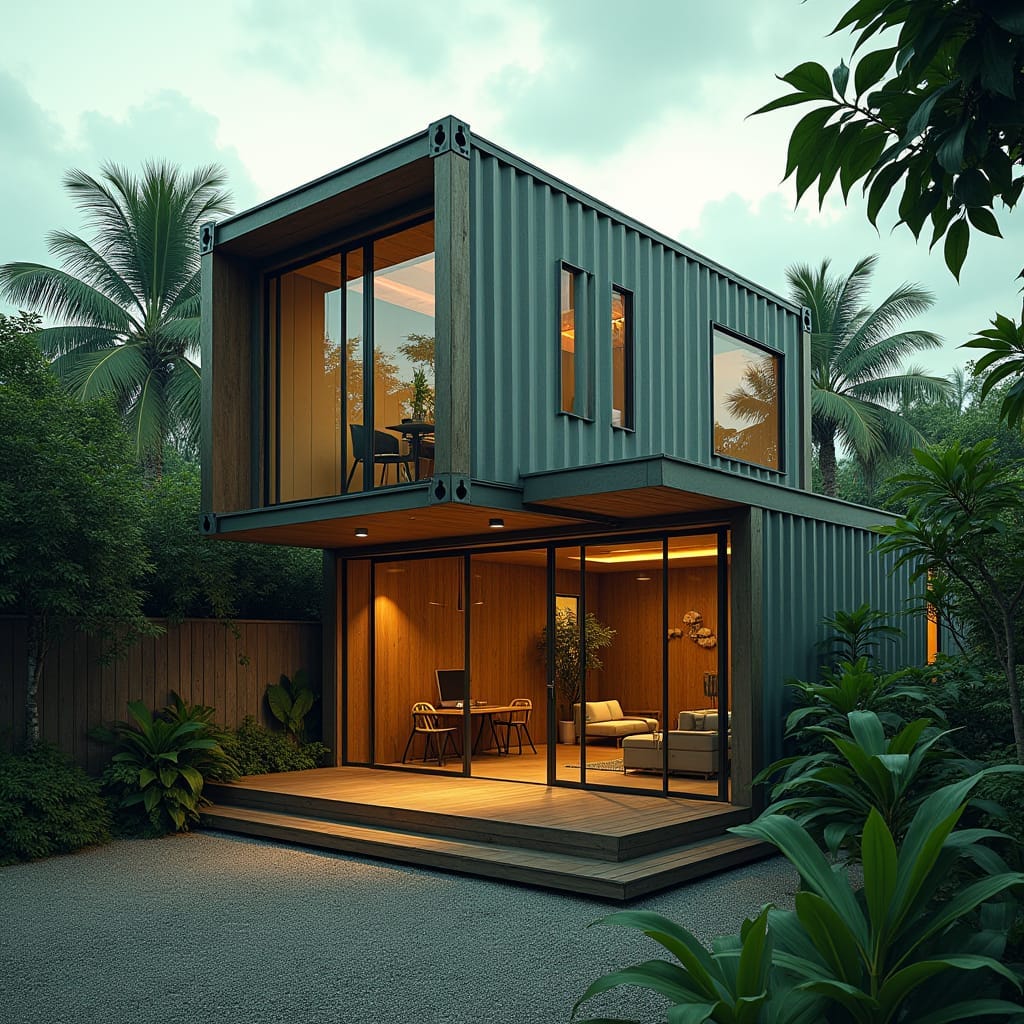
In Jamaica, a home represents far more than a physical structure. It symbolises safety, stability, family history, and the belief that the future can be better than the present. But after Hurricane Melissa devastated communities across the island, conversations about housing are taking place in a very different emotional environment. Many Jamaicans are grieving losses, managing displacement, or slowly putting their lives back together. As the country faces a genuine humanitarian crisis, discussions about real estate require care, honesty, and compassion.
Yet, whether at a workplace function, a Sunday family gathering, or when catching up with friends, the housing market still makes its way into conversation. People are not looking for exaggerated optimism or bleak predictions—they want clarity.
Below are three of the most common questions Jamaicans are quietly asking today, answered with sensitivity to the reality on the ground.
1. Will I Be Able to Find a Home If I Need to Move?
The truth is that it depends, and it may not be straightforward.
Jamaica’s housing market is vastly different from that of the United States. The number of available properties is smaller, construction timelines are longer, land availability is limited in urban areas, and natural disasters create long-lasting disruptions. After Hurricane Melissa, some houses were severely damaged, some developments were paused, and some families who might have sold their homes are now unable or unwilling to move.
There are townhouses, apartments, and new developments that began before the hurricane and continue to move ahead, although slowly. Kingston, St. Catherine, St. James, and sections of Manchester are still seeing activity. However, the pace is cautious. Some projects are delayed due to higher material costs, labour shortages, or the need for reassessments after the storm.
This means buyers may find options—but they should not expect wide availability or fast turnover. Sellers may find interest—but not the kind of rapid movement seen in pre-pandemic or pre-hurricane years.
As Dean Jones, Founder of Jamaica Homes, puts it:
“We cannot expect a housing market to sprint when the nation itself is walking carefully.” —Dean Jones
Demand in 2026 may remain calm simply because many families will still be rebuilding their lives and stabilising their finances. A slower market does not indicate collapse—it reflects the emotional and economic climate of a country healing.
If there is one upside, it is that buyers are no longer under frantic pressure. Gone—at least for now—are the days when properties vanished within hours. A little breathing room has returned, and in the midst of recovery, that small grace matters.
2. Is Homeownership Still Affordable for Jamaicans?
Affordability in Jamaica has always been complex, and today it requires an even more honest conversation.
Mortgage rates have stabilised somewhat, but inflation, household expenses, and the financial strain caused by Hurricane Melissa make it harder for many families to save for deposits or qualify for loans. While property price growth has slowed in some areas, this does not automatically translate into affordability for those still trying to restore basic living conditions.
For many Jamaicans, buying a home is not just a financial decision—it is an emotional one, tied to security after uncertainty.
As Dean Jones often reminds clients:
“Affordability is not a single moment; it is a journey shaped by resilience, patience, and the courage to keep planning even when life feels unpredictable.” —Dean Jones
Some banks may offer targeted products for first-time buyers, professionals, and returning residents. These may help certain groups. But the average family recovering from storm-related disruption may not be in a position to pursue homeownership immediately—and that reality deserves respect.
The path may be long, but it is not closed. Many Jamaicans will use the next few years to rebuild their financial footing, repair their homes, and slowly reposition themselves for opportunities in the future.
3. Should I Wait for Property Prices to Drop?
A common hope is that prices will fall dramatically, making homes easier to buy. But Jamaica’s market does not function like larger international markets, nor does it react sharply to shocks.
Several factors make a major price collapse unlikely:
Limited urban land
High construction costs
Long-term property holding norms
More cautious lending practices
Increased rebuilding expenses after the hurricane
Some parishes may see mild price decreases, especially where demand has softened or where communities are still recovering. But on a national scale, steep declines are not typical.
As Dean Jones states:
“Property values in Jamaica may slow, they may shift, but they rarely crumble. The island bends—but it does not break.” —Dean Jones
Instead of waiting for dramatic discounts, Jamaicans are better served by observing the market, planning carefully, and making decisions when their personal circumstances—not rumours—line up with their goals.
Time in the market has historically built more wealth than perfect timing of the market.
Searching for a Home While the Country Rebuilds
No real estate discussion today should ignore the emotional toll across the island. Many families have lost homes. Many communities are rebuilding infrastructure. Children remain anxious during bad weather. Entire livelihoods were disrupted.
This is not a typical market.
This is a country recovering from trauma.
Any conversation about opportunity must be grounded in empathy and respect.
And yet, one of the most powerful things emerging from the crisis is the solidarity shown by Jamaicans—people repairing neighbours’ roofs, churches mobilising relief drives, and communities rallying together long before official assistance arrives.
As Dean Jones says:
“The strength of Jamaica’s housing market is not measured in sales—it is measured in how we lift each other during the hardest seasons.” —Dean Jones
Final Thoughts: Move Carefully and Stay Informed
The Jamaican housing market is not booming and not collapsing.
It is steady, subdued, and shaped by the nation’s humanitarian recovery.
If you are considering buying or selling, do so gently. Ask questions. Seek advice. Work with someone who understands not only the data but also the emotional context Jamaicans are living through.
A home in Jamaica has never been just a transaction.
It is identity.
It is dignity.
It is hope rebuilt, brick by brick.
And in the words of Dean Jones:
“Every home purchased in Jamaica is an investment not only in land, but in the belief that our island will rise again.” —Dean Jones
If you need help understanding your options—whether now or later—a trusted local professional can guide you without pressure.