

Understanding the Kingston and St. Andrew Building Act: A Simple Guide to Safe and Fair Construction Practices

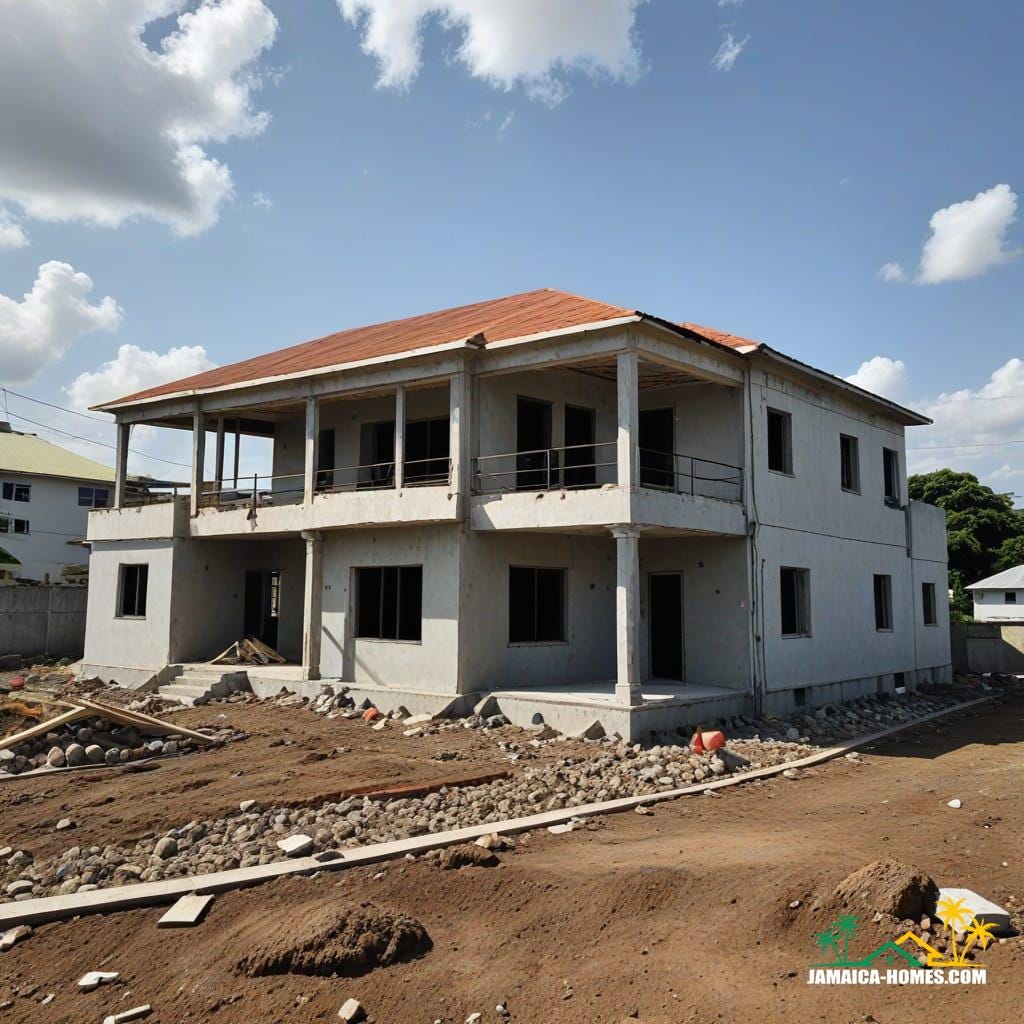
The Kingston and St. Andrew Building Act is a set of rules designed to ensure that buildings in Kingston and St. Andrew are safe, properly built, and well-maintained. To simplify it for an adult with a clear but relatable example, imagine it’s like having a neighborhood rulebook to make sure everyone’s house is built safely and doesn’t cause trouble for their neighbors.
Summary of Key Points:
Where the Rules Apply: These rules are for buildings within Kingston and St. Andrew, especially in areas where safety and good planning are most important, like busy business zones or residential neighborhoods.
Starting Construction: Before you build or renovate, you need to:
Notify the Building Authority (the organization that ensures everything is done properly).
Share your plans, including drawings of your building and its location.
Example: If you want to build a two-story house, you can’t just start building. You first show your plans to the Building Authority so they can check if your design is safe and doesn’t block your neighbor’s view.
Distance from Roads: Buildings must be a certain distance from the middle of the road to keep streets spacious and prevent congestion.
Example: If you’re building a shop, you can’t build it right next to the road. You need to leave space for pedestrians and vehicles.
Temporary Buildings: Temporary buildings, like event tents or sheds, need approval and must be removed after a set period.
Example: If someone sets up a vendor stall on their land for six months, they must follow the rules and remove it when their permit expires.
Dangerous Structures: If a building is falling apart or unsafe, the Surveyor (a building safety inspector) can order it to be repaired or demolished.
Example: If a hurricane damages a wall, making it unstable, the Surveyor can tell the owner to fix it immediately or face penalties.
Shared Walls (Party Walls): If two buildings share a wall, both owners must cooperate on repairs or changes. You can’t just tear it down without informing your neighbor.
Example: If you and your neighbor share a fence, you must discuss any plans to rebuild or alter it.
Penalties for Breaking Rules: If someone builds without permission, doesn’t follow approved plans, or ignores safety orders, they can be fined or forced to fix the problem.
Example: A homeowner adds an illegal third floor to their house. They might be fined and told to remove the extra floor.
Why This Act Matters:
It ensures buildings are safe for everyone.
It helps maintain order and fairness in how land is used.
It prevents conflicts between neighbors over construction issues.
It promotes public health and safety by setting standards for sanitation and fire resistance.
Disclaimer:
This simplified guide is for informational purposes only and does not constitute legal advice. While efforts have been made to ensure accuracy, readers are encouraged to consult the full Kingston and St. Andrew Building Act or seek professional legal counsel for detailed interpretations, legal compliance, or decision-making. The information provided here is not a substitute for official regulations or advice from the relevant authorities.