


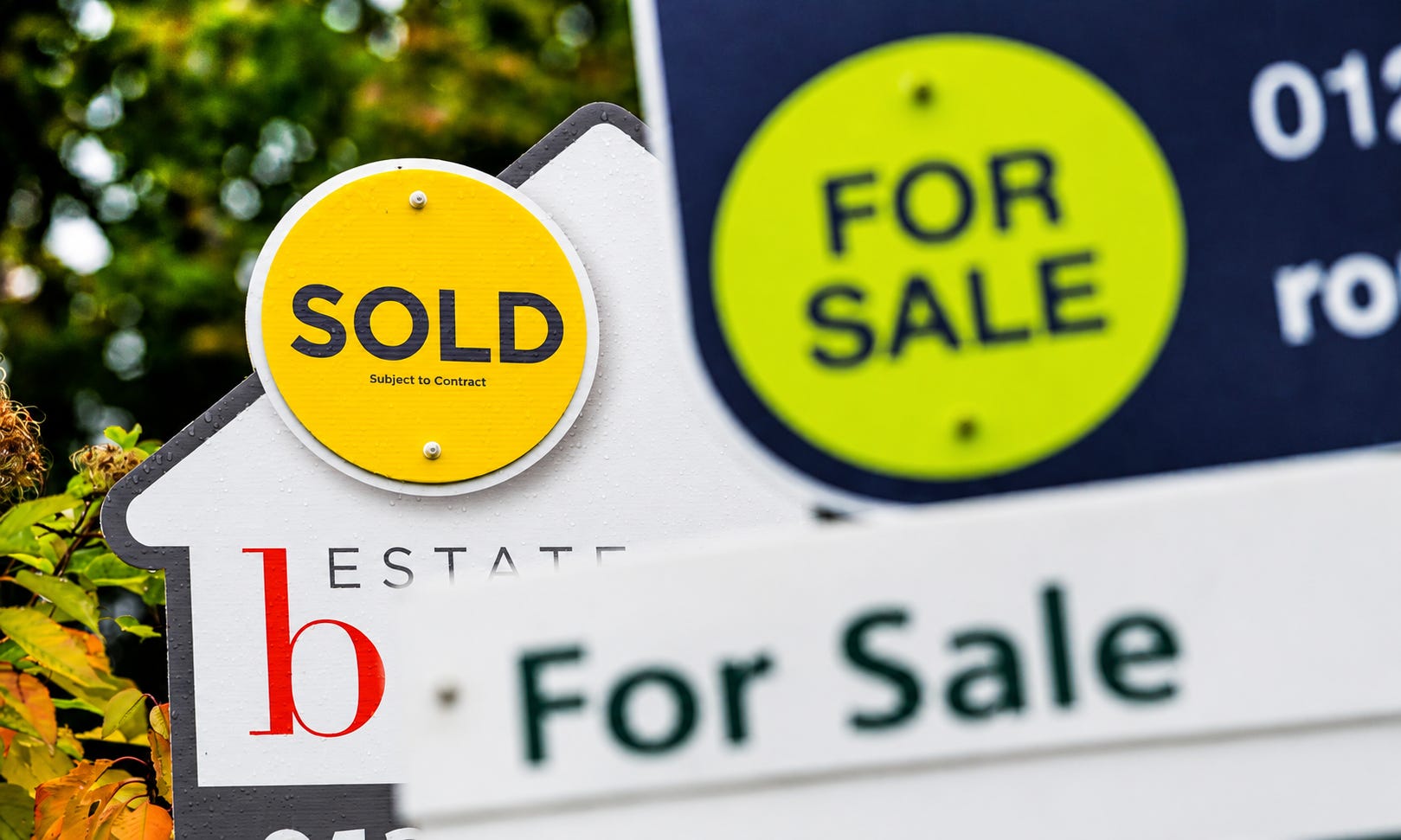
UK sales are now slow by British standards, averaging 211 days from listing to move in.
Jamaica can feel just as slow, and sometimes slower, because deals depend heavily on lawyers, banks, titles, tax clearances, valuation, surveys, overseas buyers and trust.
A clean Jamaican cash sale may close in 30 to 90 days, but mortgage sales and imperfect paperwork can easily stretch beyond four to six months.
Investors should not only ask, “Is this a good price?” They should ask, “Can this deal actually close?”
Across the global property market, frustration is growing. Buyers are waiting longer. Sellers are becoming impatient. Lawyers, banks and agents are under pressure, and transactions that once felt routine are now dragging out for months.
For many Jamaicans, however, this does not feel entirely new.
Jamaica’s property market has long operated at a different rhythm. There is demand. There is ambition. There is movement. But there is also caution, paperwork, financing delays, title concerns, probate issues, valuation requirements and a culture where trust still plays a major role in closing deals. The result is a market where agreeing a price is often the easy part. Completing the transaction is where the real challenge begins.
On paper, a clean cash transaction in Jamaica can move relatively quickly. Mortgage transactions are often expected to take longer because banks require valuations, proof of income, source of funds checks, insurance arrangements and legal reviews before money is released. But the reality on the ground is that timelines can easily extend when even one part of the process slows down.
A title may need updating. A family member overseas may need to sign documents. A survey may reveal boundary concerns. Tax receipts may need regularising. Probate may not yet be completed. Buyers may still be waiting on mortgage approval while sellers are already mentally spending the money.
And unlike larger economies where systems are heavily digitised and standardised, Jamaica still operates partly through relationships, experience and persistence. Many transactions move forward because people keep pushing them forward manually. A phone call matters. A lawyer following up matters. A realtor chasing paperwork matters. A buyer physically walking into a bank branch still matters.
That reality creates a market where speed itself becomes valuable.
Investors often focus heavily on price, location and future appreciation, but experienced property players in Jamaica know another factor matters just as much: transaction certainty. A property with clean title, organised paperwork, responsive professionals and realistic sellers may ultimately be more valuable than a cheaper property surrounded by complications.
The discount on a difficult property is not always a bargain. Sometimes it is simply compensation for stress, delay and uncertainty.
This becomes even more important in a market increasingly shaped by diaspora buyers and international investors. Many purchasers are based overseas, earning in foreign currencies and trying to complete transactions remotely. Documents may require notarisation. Banks may need additional verification. Funds may move across borders. Time zones, legal differences and communication gaps all add friction to the process.
At the same time, Jamaican property is deeply emotional. People are not only buying investments. They are buying legacy, family land, retirement plans, future security and status. Sellers may delay because they are emotionally attached to a property. Families may disagree quietly behind the scenes. Some owners want today’s prices but yesterday’s informal arrangements.
All of this affects timelines.
There is also the banking reality. Jamaican lenders operate carefully because they are financing assets in a small island economy exposed to hurricanes, currency pressures, construction inflation and insurance risks. Mortgage approvals are therefore rarely casual. Buyers may feel financially ready, but institutions still need every supporting document in place before funds are released.
For developers and serious investors, this means patience is no longer optional. It is part of the investment strategy.
The smartest investors in Jamaica increasingly behave almost like investigators before committing to a purchase. They ask whether the title has already been reviewed. They ask if there are multiple owners involved. They ask whether the property boundaries align properly with survey documents. They ask whether there are caveats, mortgages or unresolved family matters attached to the property.
Most importantly, they ask whether the seller is truly prepared to complete a sale or merely testing the market.
This is where many inexperienced buyers struggle. They see attractive photos, desirable locations and strong sales language, but they underestimate the complexity behind the scenes. In reality, a beautiful house with unclear paperwork can become more exhausting than rewarding.
The broader lesson is that property markets are not measured only by prices rising or falling. They are measured by how efficiently ordinary people can move from interest to ownership. A market where deals constantly stall creates hidden economic pressure. Buyers become cautious. Sellers become frustrated. Professionals become overloaded. Confidence weakens quietly beneath the surface.
Jamaica is not alone in facing these issues, but the country’s unique mix of family ownership structures, overseas involvement, legal processes and banking caution makes the experience particularly distinctive.
Still, there is opportunity within that complexity.
Well prepared sellers who organise documents early, clarify ownership issues and work with experienced professionals can stand out immediately. Buyers who arrive prequalified, financially organised and realistic about timelines often place themselves ahead of competing purchasers. Investors who prioritise transaction quality rather than simply chasing the cheapest deal usually avoid the biggest headaches.
In many ways, the future of Jamaica’s property market may depend less on demand and more on efficiency. Faster title processes, better coordination between institutions, improved digitisation and stronger upfront disclosure could significantly improve confidence and transaction speed over time.
Until then, experienced investors will continue approaching the market with a simple mindset.
Do not only ask whether the property looks good.
Ask whether the deal itself can survive the journey from offer to completion.