

When the “For Sale” Sign Stays Too Long: A Jamaican Home Seller’s Reality Check

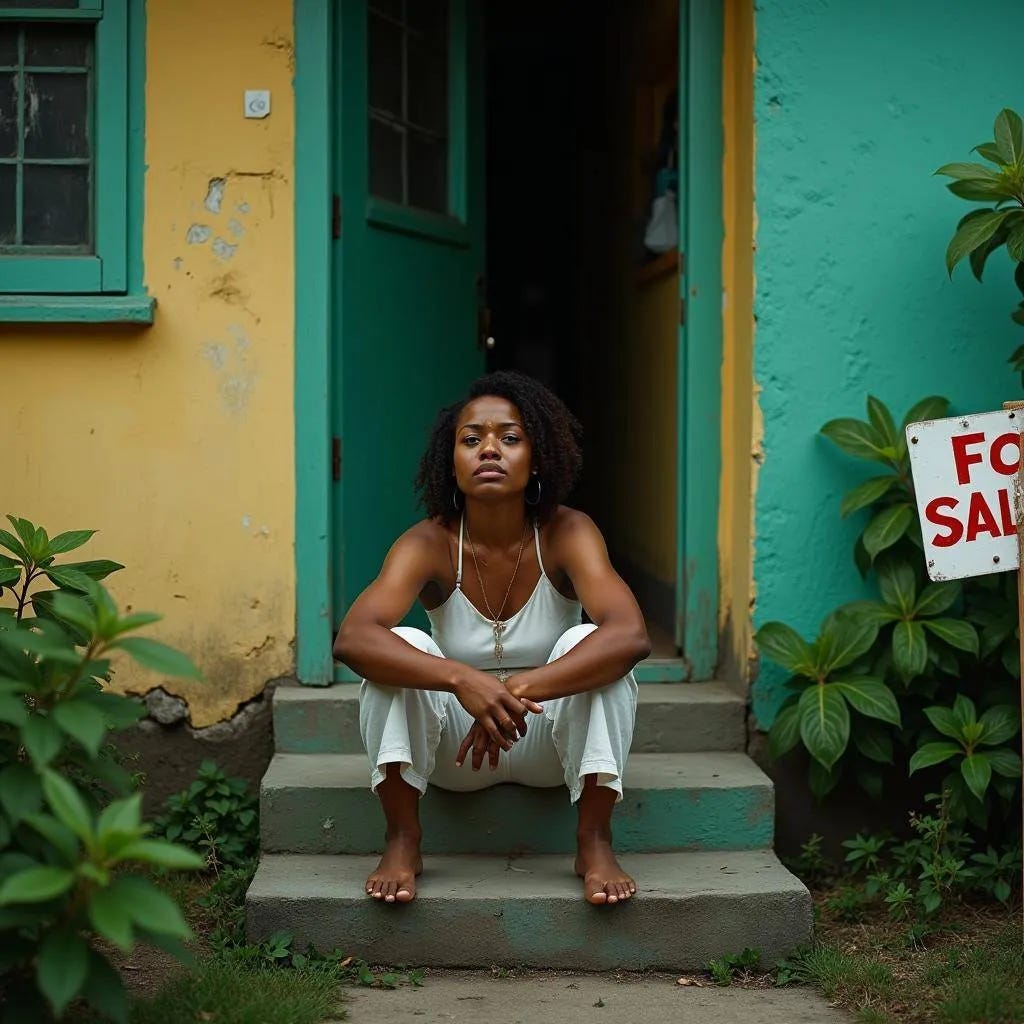
Across Jamaica, more homeowners are quietly asking the same question: “Why hasn’t my house sold yet?”
It’s a fair question. In recent years, the property market on the island has experienced waves of momentum—periods when homes moved quickly and buyers competed fiercely. But markets evolve. Conditions change. And sometimes a property that once might have attracted immediate attention now sits a little longer than expected.
If your house has been on the market for months without serious offers, you are not alone. That situation does not necessarily mean the property is undesirable, the location is wrong, or the market has collapsed. In most cases, it simply means something in the strategy needs adjustment.
Real estate is rarely static. Buyers are always assessing, comparing, and recalibrating their expectations. Sellers must do the same.
As Dean Jones, founder of Jamaica Homes, puts it:
“A home does not fail to sell because it lacks value. It usually fails because the story being told about that home is not reaching the right buyer in the right way.”
The encouraging truth is that homes across Jamaica continue to sell every day—from Montego Bay to Mandeville, from Kingston to Ocho Rios. When a property stalls, it is rarely the end of the road. Instead, it is often a signal to step back, reassess, and make thoughtful adjustments.
And that process begins with looking at the market through a Jamaican lens.
The Jamaican Market Is Not the Same as Overseas
Many articles about selling property online originate from the United States or other large real estate markets. While the underlying principles may have merit, they do not always translate perfectly to Jamaica.
Our property landscape operates differently.
Jamaica’s housing market is influenced by several distinct factors:
A significant diaspora market of overseas buyers
Limited housing supply in certain areas
Local cultural preferences around property ownership
Financing practices that differ from those in North America
A strong relationship-based approach to transactions
Because of these differences, what works in Miami or Atlanta may not work the same way in Kingston or St. Ann.
For that reason, relying solely on general internet advice can sometimes lead sellers down the wrong path. Algorithms and search engines cannot understand the subtle dynamics of Half-Way-Tree traffic patterns, Norbrook price expectations, or why buyers might favour certain communities in Portmore over others.
A knowledgeable local agent, however, can.
The best guidance always comes from someone who understands both the property and the people who might buy it.
Buyers in Jamaica Are Comparing More Than Ever
Not long ago, when inventory in some parts of Jamaica was extremely tight, buyers often moved quickly when a property became available. Waiting too long meant losing the opportunity entirely.
Today, many buyers are taking a more measured approach.
Thanks to online property portals, WhatsApp listings, social media advertisements, and diaspora marketing platforms, buyers can review dozens of homes within minutes. Whether they are in Kingston, Toronto, London, or New York, they can scroll through photos, compare layouts, and evaluate properties side by side.
This shift means presentation matters more than ever.
If a home appears cluttered, poorly maintained, or poorly photographed, it may quietly fall out of contention before a buyer ever schedules a viewing.
That does not mean sellers must undertake expensive renovations. Jamaica has always had a practical culture around property improvements. Sometimes the most effective changes are also the simplest:
A freshly painted wall.
A tidy yard.
Clean windows that allow natural light to flow.
Clear photographs that show the space honestly.
Presentation is not about perfection. It is about allowing buyers to imagine themselves living there.
As Dean Jones reflects:
“People do not just buy square footage. They buy possibility. A well-presented home allows a buyer to see the future they could build inside those walls.”
And in Jamaica, that vision of possibility carries powerful weight.
Pricing: The Most Difficult Conversation
Of all the factors that influence whether a property sells, pricing is often the most sensitive.
Many sellers understandably look at what neighbouring properties sold for in the past and expect similar results. Yet real estate markets do not move in straight lines. Prices can shift depending on supply, buyer demand, interest rates, and broader economic conditions.
A house that sold for a certain amount three years ago does not automatically establish today’s value.
In Jamaica, this reality is even more nuanced. Certain communities can experience rapid appreciation when infrastructure improves or when new developments increase demand. At other times, activity slows while buyers reassess affordability.
Setting the right price requires balancing optimism with realism.
If a property is priced significantly above what buyers perceive as fair value, the listing may receive plenty of online views but very few serious inquiries. Buyers simply move on to other options.
There is also an interesting psychology at play:
When a property sits on the market too long without movement, some buyers begin to wonder if something might be wrong—even when nothing is.
And here is where a little Jamaican humour often enters the conversation. A house that lingers too long on the market can sometimes become like the last piece of fruitcake after Christmas dinner—perfectly good, but everyone quietly assuming someone else already checked it and decided to leave it alone.
The reality is usually far less dramatic.
Sometimes the price simply needs adjustment to reflect current conditions.
As Dean Jones notes:
“In real estate, the market always speaks. The wise seller listens early rather than waiting until silence becomes the loudest message.”
Pricing is not about lowering expectations unnecessarily. It is about positioning the property in a way that invites serious buyers to engage.
Accessibility: The Often Overlooked Factor
Another reason homes struggle to sell is surprisingly simple: buyers cannot see them easily.
In Jamaica, where many homeowners still live in the property while it is listed for sale, scheduling showings can be challenging. Work schedules, family routines, and privacy concerns are understandable considerations.
However, limiting viewing times too severely can reduce the pool of potential buyers.
Imagine a prospective buyer flying into Kingston for only two days to view several properties. If your home requires 48 hours’ notice or can only be viewed on weekday evenings, it may unfortunately be skipped.
Real estate transactions thrive on momentum. The easier it is for qualified buyers to visit a property, the greater the chances of generating offers.
Flexibility does not mean sacrificing personal comfort. It simply means working with your agent to create reasonable opportunities for buyers to experience the home firsthand.
After all, photographs may spark interest—but stepping through the front gate is what truly creates emotional connection.
Feedback Is Information, Not Criticism
One of the most valuable resources sellers receive during the process is feedback from buyers and viewing agents.
Comments about price, condition, or layout are not personal attacks. They are signals from the market.
If several viewers mention the same concern—perhaps the kitchen appears dated, or the property feels overpriced relative to similar listings—that information can help guide strategic adjustments.
Too often sellers dismiss this feedback because it conflicts with their expectations. Yet ignoring it rarely improves the outcome.
Successful sellers treat market feedback the same way successful businesses treat customer reviews: as insight that can refine the offering.
The Importance of a Genuine Conversation
When a listing seems stuck, the most productive step is not searching endlessly online for generic advice.
Instead, sit down with your agent and have an honest conversation.
Ask questions such as:
What are buyers currently looking for in this area?
What feedback are we receiving from showings?
What adjustments could make the property more competitive?
This type of discussion often reveals practical steps that can reignite momentum—sometimes small adjustments with surprisingly large impact.
Real estate is a collaborative process. Sellers and agents work best when they approach the situation as partners solving a shared challenge.
The Jamaican Spirit of Resilience
Jamaica has always been a country defined by resilience.
Communities rebuild. Families adapt. People find ways forward even when circumstances become uncertain. That same spirit applies to the property market.
A home that has not yet sold is not a failure. It is simply part of a process that may require patience, strategy, and a willingness to adapt.
Every property eventually finds the buyer who recognises its value.
And when that moment comes, the journey often feels worthwhile.
Dean Jones captures this perspective well:
“Property is more than an investment. In Jamaica it represents stability, dignity, and the promise that tomorrow can be built on something solid.”
A Final Perspective for Sellers
If your house has been on the market longer than expected, resist the urge to panic or assume the worst.
Instead, view the situation as useful information.
The market may be asking for better presentation.
It may be signalling a pricing adjustment.
Or it may simply require greater visibility and accessibility.
Most importantly, remember that selling a home is rarely a straight line from listing to closing. It is a process of learning, refining, and positioning the property so the right buyer can recognise its potential.
The sellers who succeed are not always the ones who start with the perfect strategy.
They are the ones who remain flexible enough to adjust when the market speaks.
And in Jamaica’s evolving property landscape, adaptability is often the difference between a listing that lingers—and a sale that finally moves forward.