

When the Storm Hits Home: Real-Estate Lessons from Hurricane Melissa in Jamaica

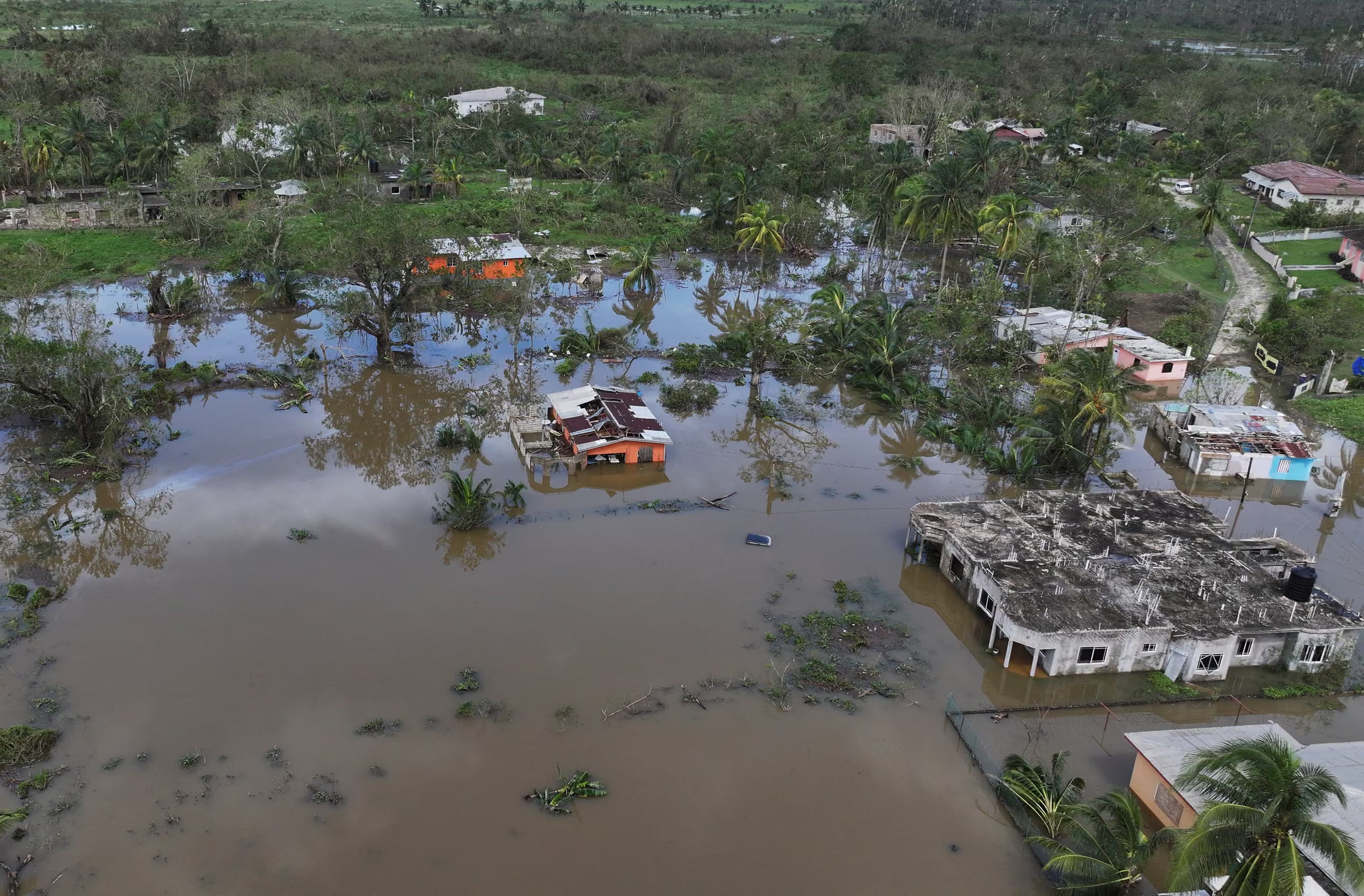
I arrived on the island with the usual optimism of someone who believes the built environment can shape lives. In Jamaica, there’s no shortage of aspiration: plots of land carved into hillside dreams, concrete shells waiting for finishing touches, and families who believe in the transformative power of securing a home. But a week after Hurricane Melissa finished its wrecking-ball act, I arrived to a very different real-estate picture. One marked not by blueprint-perfect ambition but by stripped roofs, gutted walls and the stark fact that real-estate is, after all, a human-survival domain.
The Landscape of Loss
The event laid bare one of the most painful truths in housing: that shelter is more than aesthetic or investment value. It is protection. Permanence. Safety.
Melissa made landfall in Jamaica on 28 October 2025 as a Category 5 storm with winds estimated near 185 mph. The entire island was declared a disaster area. The hardest hit parishes: the south-west corridor, especially Black River in St Elizabeth, where streets were blanketed by fallen zinc sheets, felled trees, wrecked façades and improvised shelters.
In St Elizabeth, anecdotal reports describe “the vast majority of buildings… left without roofs”. Schools, small commercial premises, residences—all bore damage. Infrastructure: widespread collapse of power grids meant more than 500,000 customers lost electricity at peak; by 1 November, up to 60% of the island still without power. Water supply and waste systems, riven by utility failure, added a health dimension to what is more often a property or investment conversation.
Shelters became homes: around 15,000 people sheltered in schools, churches or public facilities in those early 48-72 hours. But numbers don’t show the nuance—families huddled in damaged homes, neighbours opened porches, and informal networks formed when formal assistance lagged.
The Reality for Real-Estate Professionals
For the real-estate sector—agents, developers, title-holders, homeowners—Melissa’s wake carries several sharp reminders:
1. Robustness of the asset matters.
A nice elevation, or a sea-view setback, or a trendy interior finish mean little when the roof flies off and the supports collapse. Houses built with minimal regard for hurricane resilience simply won’t hold. In Jamaica, this means investment in strong concrete blockwork, hurricane-rated bracing, properly anchored roofs, drainage suited to flash floods, and materials that can survive wind, salt and impact. The legacy of damage here cannot be ignored.
2. Location risk is real and investment-specific.
The south-west parishes—St Elizabeth, Westmoreland, Hanover—were hit worst. If you were advising a client on buying land or a rental property here, you must factor in risk of catastrophic weather. Insurance premiums, reconstruction costs, long-term habitability all become part of the equation. The ‘quiet coastal village’ pitch now comes with the addendum: “but what happens when the next category-5 hits?”
3. Homes are more than financial assets—they are lifelines.
In Black River communities, reports of hunger, looting, food and water scarcity emerged quickly. When building materials are stolen and food runs out, shelter becomes survival. As someone preparing real-estate content, you must elevate the human dimension alongside the spreadsheet. Clients want returns—but homes must serve life. In the humbled wake of Melissa, it is impossible to separate the two.
4. Rebuilding offers both crisis and opportunity.
There is enormous activity now: contractors looking for work, roofs being tarped, materials being imported, emergency funds deployed. For developers or agents who move quickly, there is scope: transitional housing, resilient replacements, refurbishment programmes targeted at storm-affected zones. But speed must be matched with integrity; quick re-builds that neglect structural resilience will fail the next storm.
5. Long-term value depends on resilience, not just location or finish.
If you’re selling or advising a property in Jamaica now, you must position it not purely on vistas and lifestyle but on how the building stands up to the next Melissa. Buyers will increasingly ask: Is the roof tied down? Are the windows rated? Is the drainage adequate? Do you have a generator/water backup? Your value-proposition must evolve.
On-the-Ground: Black River & The Southwest
Black River felt like a case study in what can happen when the built environment fails the storm test.
In the immediate aftermath: homes without roofs, small shops stripped bare, trees collapsing on houses, rising hunger. Local reports show residents saying: “We have no food, no water”—and looting, while often portrayed in headlines, was also described locally as a desperate move while formal aid crept in. As a real-estate observer I see the scars: houses unliveable, roofs missing, potential rental income lost indefinitely.
Business interruption is real: tourism, guesthouses, air-bnbs along the coast all shuttered while roofs are replaced. For listings, that means damage-proofing conversations must become standard. For clients looking to buy rental stock, the risk is not just vacancy— it’s destruction.
And in the wider infrastructure: roads blocked by landslides (given the hilly terrain), utilities offline for days—these raise questions about location viability. If your listing is near a ravine or hillside, what was the landslide risk? If you depend on grid power, what backup exists?
What Investors & Homeowners Must Ask Now
In the evolving Jamaican real-estate landscape post-Melissa, here are key questions:
Has the building been inspected for storm damage? What structural reports exist?
What is the roof construction? Are materials rated for high-wind zones?
Is there a storm-resilience upgrade history: tie-downs, hurricane-windows, drainage?
How recent are the utilities: is the wiring safe? What was the outage period?
What is the access to the site—could it be cut off by landslide or flood?
For rental properties: what is the downtime expected post-event? How is the owner insulated from loss?
Is there an insurance policy that covers catastrophic weather? What are the premiums and deductibles?
Are materials locally available for repair? Or will supply-chain delays lengthen recovery?
A Vision for Recovery
Despite the destruction, there is opportunity for Jamaica’s housing sector to shift into a new gear: one where resilience is a design criterion as important as design itself. For agents and developers in Jamaica this means:
Marketing homes with resilience credentials (e.g., “hurricane-rated roof”, “flood-resistant foundations”, “reinforced wall system”) rather than just “sea view”.
Developers incorporating storm-buffer zones, secure access, elevated platforms, and community shelters as part of the residential offer.
Agents advising sellers to invest in rapid mitigation (tarps, temporary roofs, clearing debris) to get houses back to liveable condition quickly—otherwise the market value decays fast.
Encouraging owners to treat homes as life-spaces, not just assets; the clients who feel safe will stay longer and drive authentic value rather than purely speculative.
Final Word
As I walked back from a battered shoreline and surveyed the skeletal outlines of homes in the half-light of dawn, I kept thinking: every building is a reflection of hope. Not just a financial bet, but a place where someone expects to rest, belong and rebuild. In Jamaica right now, real-estate isn’t just returning—it’s reforming.
If you’re advising, investing, buying or developing here, the moral is simple: in a place that just endured a 185-mph storm, the house that looks good and the house that holds up are not always the same. Value will shift from view to vault-like, from finishes to fortitude. The storm has done its worst—but the rebuild is opportunity, if it’s done with eyes wide open.
In many ways, the real estate story of Jamaica post-Melissa is not about tragedy alone—it’s about reimagining what a home means. And that is a project worth building.