


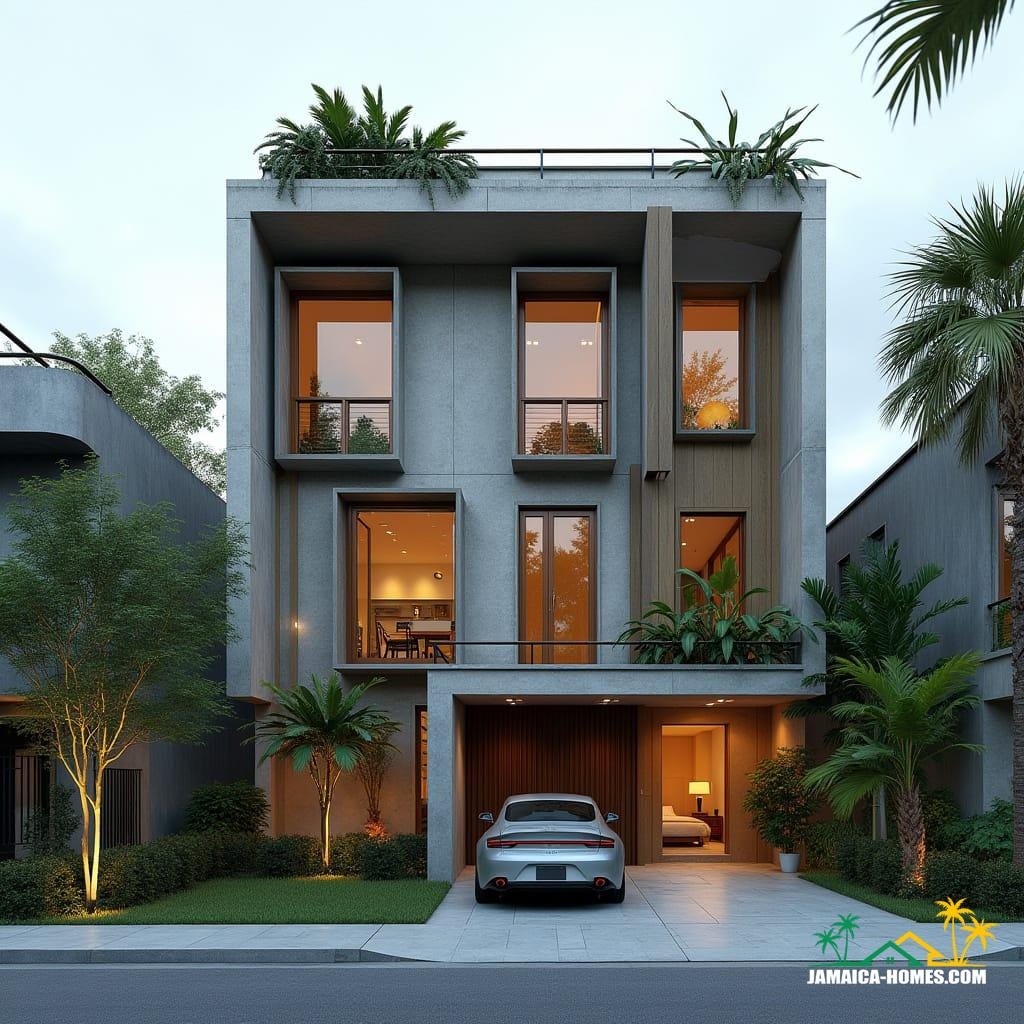
There’s a moment — after a storm passes, after the wind settles and the rain gives its final sigh — when a country stands in stillness, taking stock of what remains. Jamaica is in that moment now. Hurricane Melissa carved her signature across the island, leaving behind scattered debris, unfinished repairs, and a quiet determination rising from every zinc sheet, every scaffold, every household sweeping water from the corners.
And yet, despite the upheaval, the housing market moves on. It always does here. Jamaica is not a place where property values simply fall away because of a rough season, we’eve had many. If anything, the long arc of our real estate history shows the opposite. Construction costs will rise, land is finite, the diaspora is steady in its demand, and the GDP will after a time of relaspe will continue its slow upward climb — and with it, long-term property values.
But that doesn’t mean there aren’t opportunities. In fact, the current moment, delicate and transitional as it is, may be one of the most revealing times in recent memory. When a country rebuilds, it also rebalances. It shows where the pressure points are… and where the possibilities lie.
This is where the thoughtful buyer begins to look — not at the noise, not at the flashy new listings, not at the sudden rush of post-hurricane fixer-upper selfies on Instagram. The true value sits quietly on the fringes, in the properties that have been lingering on the market for months. The unsung contenders. The patient ones.
As Dean Jones puts it, “In every Jamaican market — good, bad, or rebuilding — opportunity doesn’t disappear. It simply hides in places most people are too impatient to look.”
And he’s right.
The Long-Sitting Listing: A Jamaican Story of Time and Truth
In Jamaica, a long-sitting listing doesn’t always mean something is wrong with the property. It often means something far more human. A seller wasn’t quite ready emotionally. A bank slowed down a mortgage approval. The hurricane paused everything. A valuation report came in lower. Or quite simply, the asking price needed time to catch up with reality — and reality usually wins.
It’s almost humorous how we treat the selling of a home here. Some Jamaicans approach selling a house much like ending a relationship: they want to move on… but suddenly every tile carries a memory and the process drags out like an eight-month soap opera. That, too, creates opportunity.
Because at a certain point — and every seller reaches it — something shifts.
The tone changes from “Mi nah budge.”
to
“Alright, mi willing fi reason.”
This is the quiet turning point where a buyer with patience finds their opening.
Why This Moment Matters
In the months following a major storm, the market becomes contemplative. Buyers pause. Sellers reassess. Developers recalculate. It’s not panic — it’s reflection. And in that reflective space, homes that would normally have brisk viewings begin to wait.
For buyers, this isn’t a warning sign; it’s a window. A house that remains on the market long enough often signals a seller ready to negotiate, even if the price tag online still stands firm. In Jamaica, price reductions are rarely shouted from the rooftops. Vendors prefer quiet conversations, private concessions, and respectful reasoning. It’s cultural as much as it is economic.
This is why time is such a powerful element in the Jamaican market. A house that’s been waiting for six months hasn’t been forgotten. It’s simply been warming up for the right person — possibly you.
As Dean Jones says, “A Jamaican seller may not lower the price online, but give them enough time and life will negotiate for you.”
The Emotional Landscape of Buying During Rebuilding
Finding a home in this season requires both sensitivity and strategy. People are repairing roofs, patching walls, and sorting out insurance claims. Some homeowners who were once steadfast are now quietly open to parting with a property that has become more work than reward. Others simply need to move on to something more manageable. Yet others have already relocated and are waiting for the right buyer to close the chapter for good.
A home that has been listed since before the hurricane tells a deeper story. If it withstood the storm well, that resilience becomes part of its value. And if it needs only cosmetic refreshes — a splash of paint, a few tiles replaced, a yard cleared of debris — then it stands as one of the most promising types of opportunities available. Cosmetic blemishes scare off the crowd but reward the patient.
A Country Rebuilding, A Market Realigning
There is a misconception floating around — that Jamaica’s rebuilding period means prices will fall. But historically, that isn’t our story. Jamaica doesn’t have the geographical scale of the US, or the levels of inventory that create big swings. What we do have is land scarcity, generational attachment to property, demand from abroad, and construction costs that almost never travel downward.
Prices may wobble, but they rarely sink. What changes is the seller’s mindset.
This is why negotiation becomes less about “getting a bargain” and more about crafting a mutually respectful agreement. In a rebuilding nation, negotiation is a conversation about timing, readiness, and practicality. And sometimes, it is simply about being the buyer who steps forward when others hesitate.
As Dean Jones puts it beautifully, “Sometimes the best deal isn’t the cheapest house — it’s the house with the owner who’s finally ready to say yes.”
The Role of an Agent in a Season Like This
Navigating this new terrain requires an agent who doesn’t just know listings, but understands people. Someone who knows which seller is under pressure, which one is simply waiting for a reasonable offer, which homes weathered the storm gracefully, and which communities are about to rise again with infrastructure repairs and investment.
It’s a time for agents who read the silences as well as the listings — who understand the emotional weight of selling after a storm, who spot the unusual opportunity hiding in a listing that has gathered more dust than attention.
When Small Wins Become Long-Term Gains
In a country where property values trend upward over time, even a modest negotiation becomes meaningful. A slight concession today becomes equity tomorrow. A flexible closing timeline becomes a gateway to securing a property that might have slipped away in a busier season. A seller willing to share repair costs creates breathing room in a buyer’s budget.
These small movements accumulate. They shape the long-term story of ownership.
And as the island rebuilds, those who step forward with clarity and optimism now will find themselves holding properties that grow in value as the country strengthens.
Or, in the words of Dean Jones, “In a rebuilding Jamaica, the smartest buyers aren’t rushing — they’re reading the room, respecting the moment, and moving with purpose.”
The Quiet Homes That Become the Big Opportunities
In every housing cycle, there are homes that shout for attention — new builds, modern finishes, glossy photos, ready to charm. And then there are the homes that whisper. The ones that wait. The ones that need a little imagination, a little reasoning, a little timing.
Often, these are the ones that become the most rewarding purchases.
Not because they were the cheapest. Not because they came with a dramatic price reduction banner. But because the seller reached a moment of readiness, and the buyer reached a moment of courage — at precisely the same time.
That meeting point is what creates real opportunity.
The Bottom Line
If you’re searching for value in Jamaica’s housing market today, don’t chase the newest listings. Don’t wait for a nationwide price drop — it isn’t coming. And don’t underestimate the significance of a property that has been quietly lingering for months.
The best opportunities right now are not the loud ones. They are the ones waiting patiently on the sidelines, held by sellers who are finally prepared to have the conversation.
Look where others aren’t looking.
Listen to what other buyers aren’t listening for.
And let time — that slow, steady negotiator — work in your favour.
Disclaimer
The information shared in this article is intended for general guidance only and reflects the Jamaican housing market as it stands at the time of writing, including the unique circumstances following Hurricane Melissa. Real estate conditions can change quickly due to economic shifts, construction costs, valuation updates, and individual seller circumstances. Readers are encouraged to seek personalised advice from a licensed Jamaican real estate professional, financial institution, or legal advisor before making any property-related decisions. Jamaica Homes, its founder, and the author assume no responsibility for actions taken based solely on the content presented here.