Jamaica has been tested before, and it is being tested again. Hurricanes, seismic tremors, flooding, and infrastructure strain are no longer rare disruptions; they are part of the environment we live in. And yet, this is not a story of decline. It is a moment of decision.
After recent storms, and with the establishment of the National Recovery Authority (NARA), Jamaica stands at a crossroads. The question is no longer whether we rebuild — but how. Do we restore what failed, or do we re-imagine what could endure?
Building back stronger is not a slogan. It is a design philosophy. It is where resilience becomes intentional, engineered, and embedded into the fabric of our homes, communities, and systems.
To understand where we are going, we must first remember what we already knew.
Long before modern building codes, Jamaicans — and the original peoples of this land — understood how to build with the environment. Structures were shaped by wind patterns, raised to avoid flooding, and designed to breathe in tropical heat. Timber homes on stilts in places like Maroon Town stood for generations, not because they were overbuilt, but because they were intelligently adapted to the land beneath them. Some lasted well over a century, only collapsing within the last decade.
That is not nostalgia. That is data.
As Dean Jones of Jamaica Homes observes:
“Our ancestors didn’t have software or simulations, but they understood risk. They built for weather, ground conditions, and time — and that thinking still has something to teach us.”
The mistake we made, over time, was assuming that imported solutions could simply be overlaid onto a Jamaican reality. Building codes borrowed wholesale from temperate climates — useful as a starting point — were never designed for a small island in the hurricane belt, sitting near a fault line, with intense rainfall, coastal erosion, and rising sea levels. A blanket approach cannot work where conditions are anything but uniform.
Building back stronger means revisiting those systems honestly. It means amending processes that were never tailored for Jamaica and replacing them with standards rooted in local climate, seismic risk, and lived experience. Not talking shops, but working groups. Not theory alone, but a documented bank of lessons learned — written, shared, enforced.
This is how resilient countries operate.
Around the world, nations facing similar risks are already designing beyond minimum compliance. In Japan and China, buildings increasingly sit on seismic base-isolation systems — engineered bearings that absorb ground movement and allow structures to move safely during earthquakes. Some buildings visibly sway, yet remain structurally intact, with little to no damage. The technology exists. The knowledge exists. In many cases, the partnerships already exist.
The question is not if Jamaica can adapt these ideas — but whether we choose to.
Resilience must now extend beyond structure into systems.
A future-ready Jamaica requires intelligent infrastructure: traffic control systems that adapt in real time, smart street lighting powered by solar energy, public light poles equipped with internet access and CCTV, and integrated monitoring that improves both safety and efficiency. Redundancy in power grids is not a luxury; it is survival. Solar energy should be treated as a standard design assumption, not an optional upgrade — supported by battery storage and decentralised generation so communities can function when the national grid is stressed.
Technology, when embedded early, is cheaper, more effective, and future-proof.
As Dean Jones puts it:
“There’s no sense building new homes or apartment blocks today without the systems tomorrow will demand. Real value now lies in anticipation.”
This principle applies just as strongly to governance and logistics. When advanced materials or technologies double in cost the moment they arrive on the island, innovation stalls. Import policy, public-sector alignment, and private-sector partnership must work together to ensure resilience is not reserved for the wealthy. Building back stronger must be accessible, or it will fail at scale.
And resilience is not only physical — it is social and economic.
Insurance must be affordable and aligned with risk-reduction, not priced beyond reach. Banking systems must have true backup capability. Data, communications, and emergency coordination must never go dark in a crisis. A fully digital, transparent land registry is not a “nice to have”; it is foundational to trust, investment, and recovery.
Most importantly, we must recognise that the definition of value in Jamaican real estate is already changing.
The future homeowner will not only ask about finishes and square footage. They will ask whether a house can withstand hurricanes, whether it was designed for seismic movement, whether drainage and foundations were engineered properly, and whether the building anticipates climate reality rather than denying it.
Homes that endure will command the greatest value — not just financially, but generationally.
This is not about abandoning tradition. It is about extending it. Carrying forward the intelligence that once allowed Jamaican homes to last for generations, and reinforcing it with modern engineering, materials, data, and technology.
Building back stronger means architecture that understands this island. Houses that know the weather. Systems that expect disruption and continue regardless. Design shaped by place and purpose.
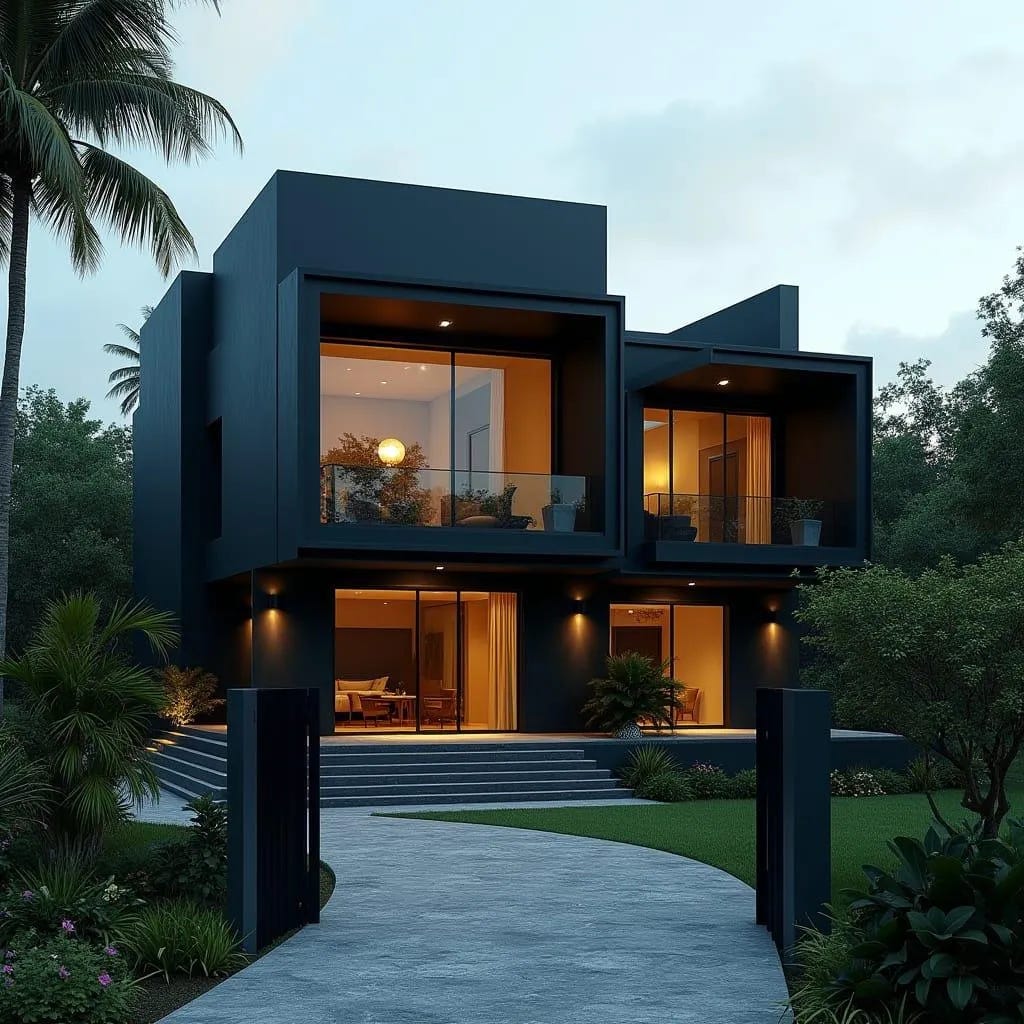
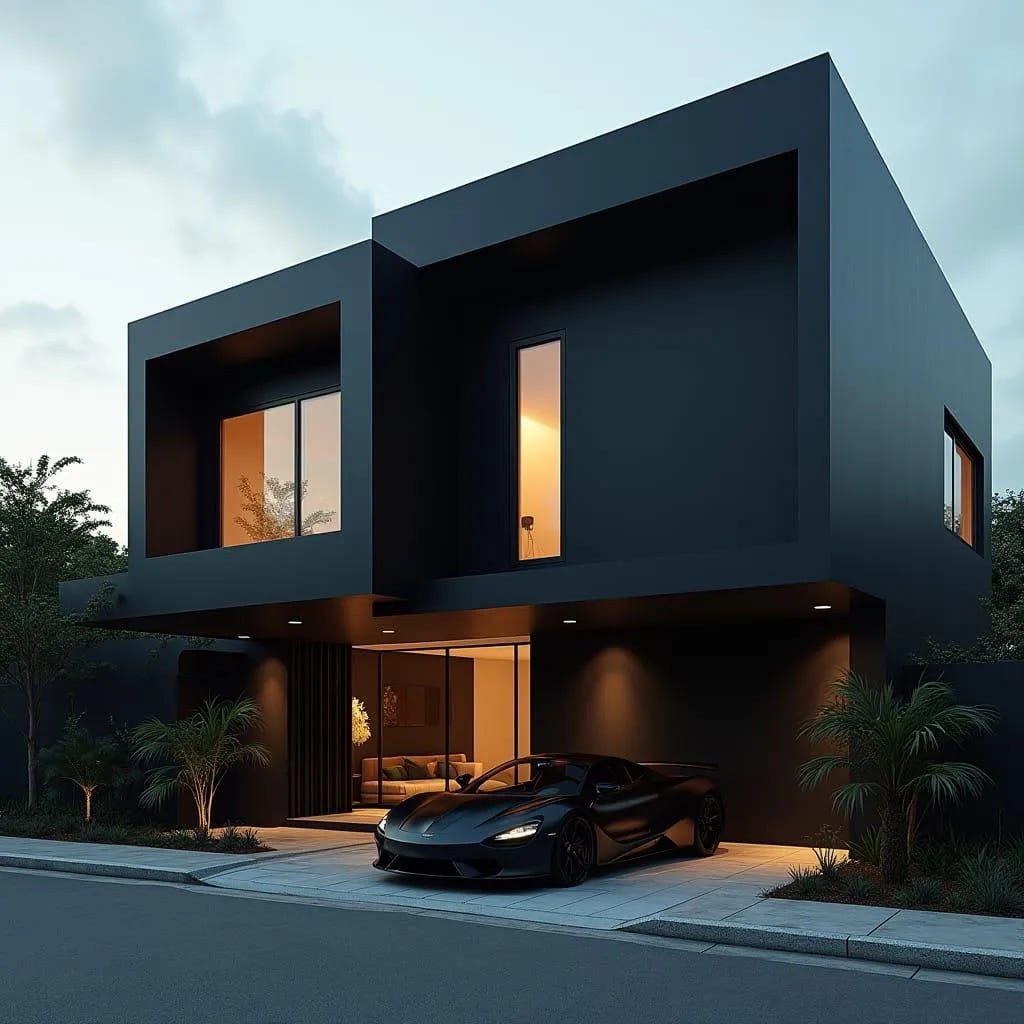
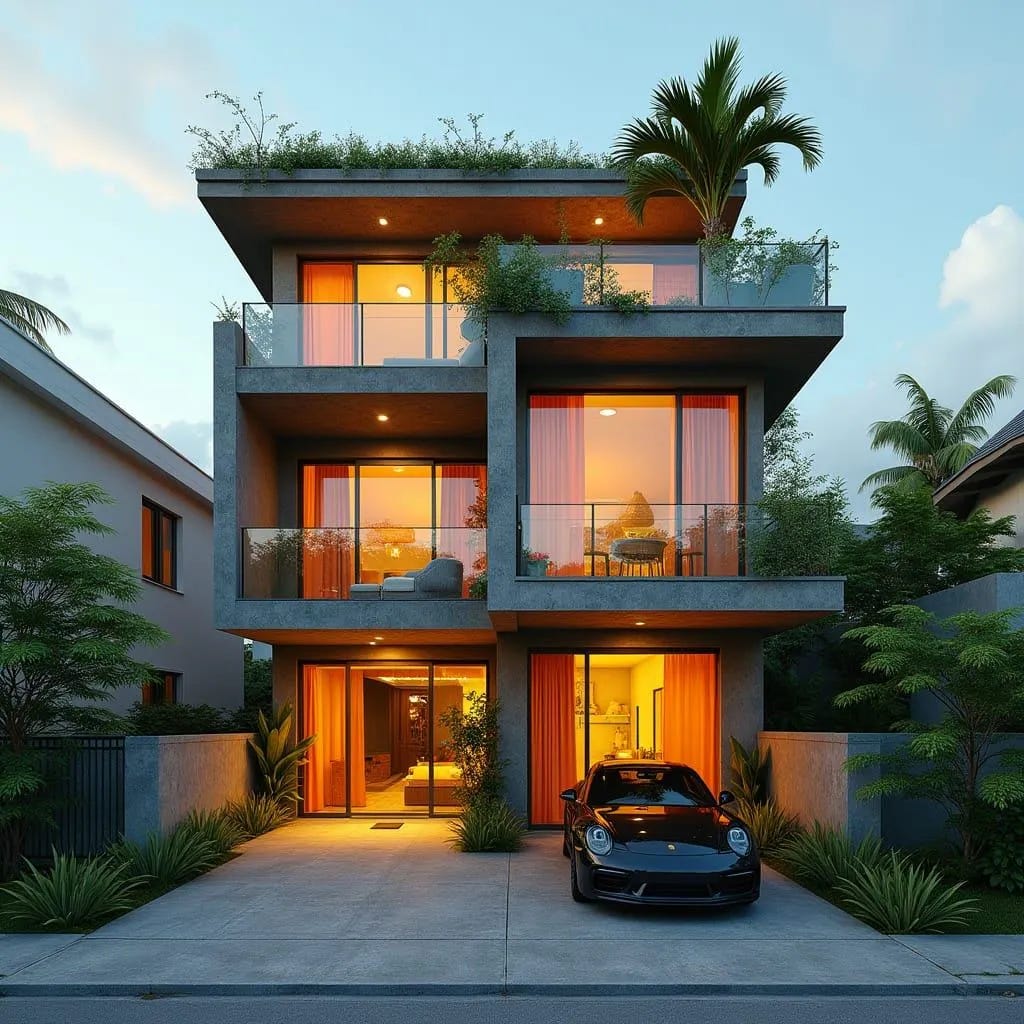
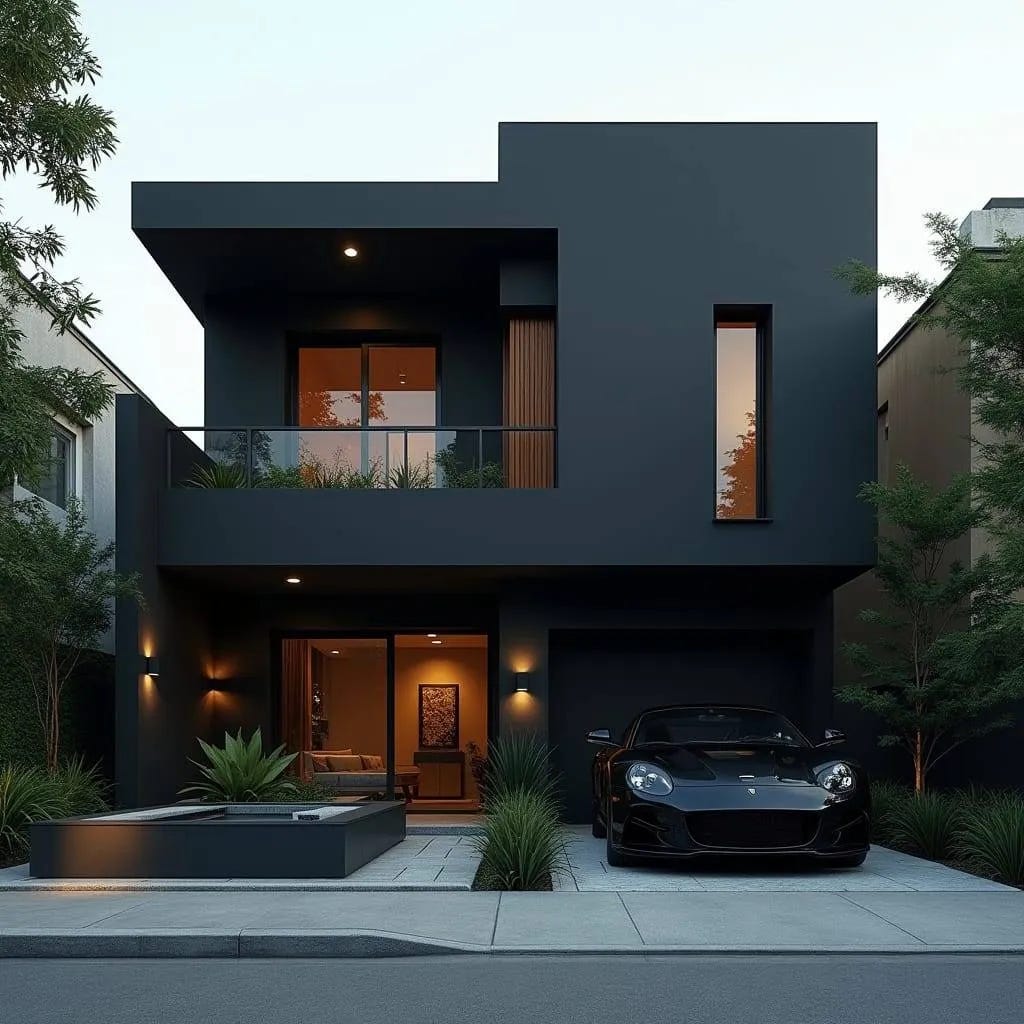
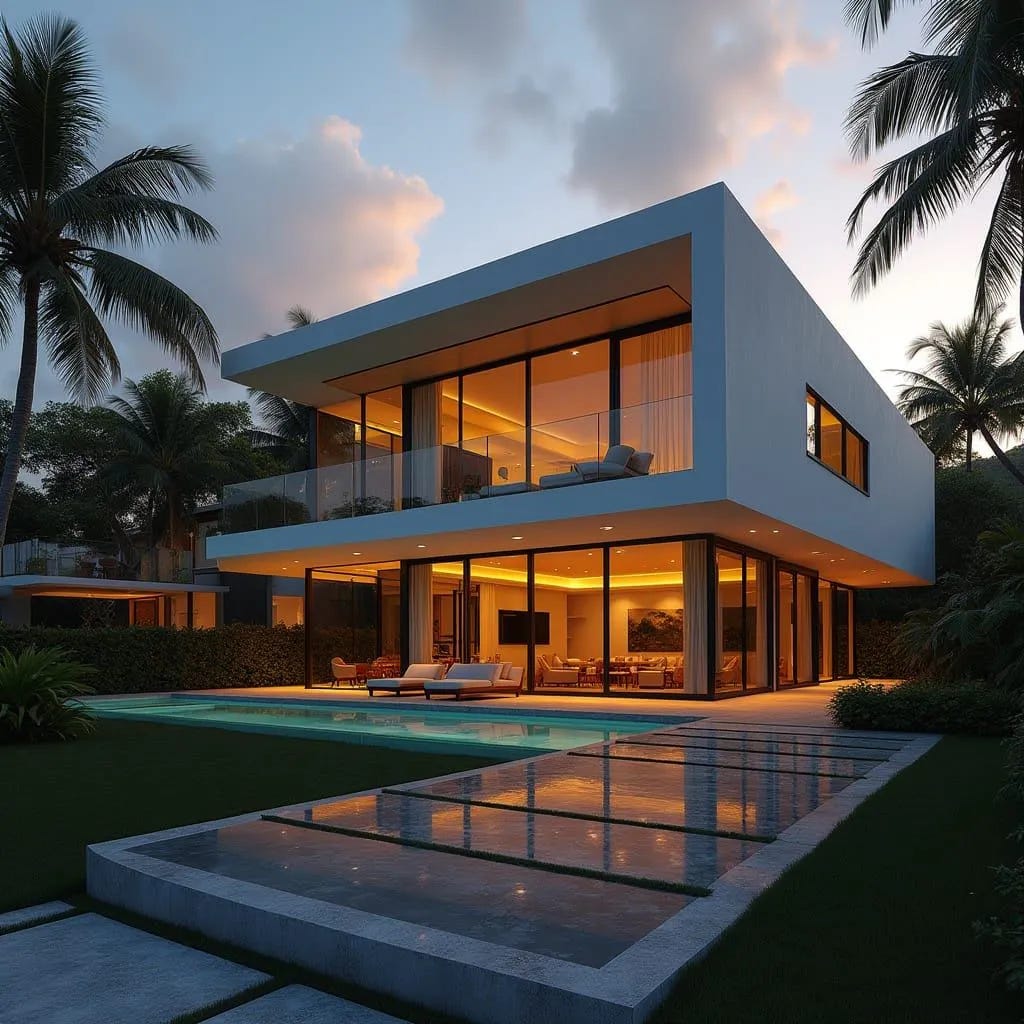
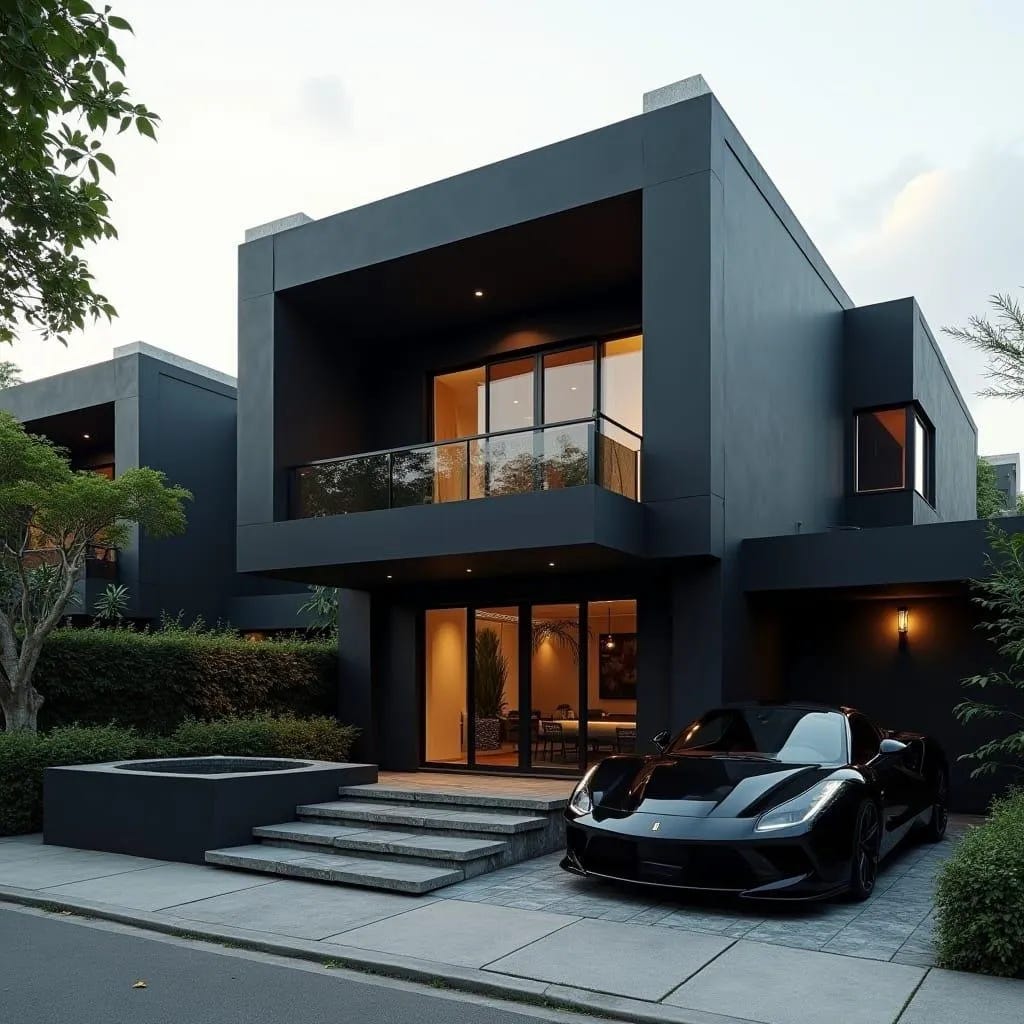
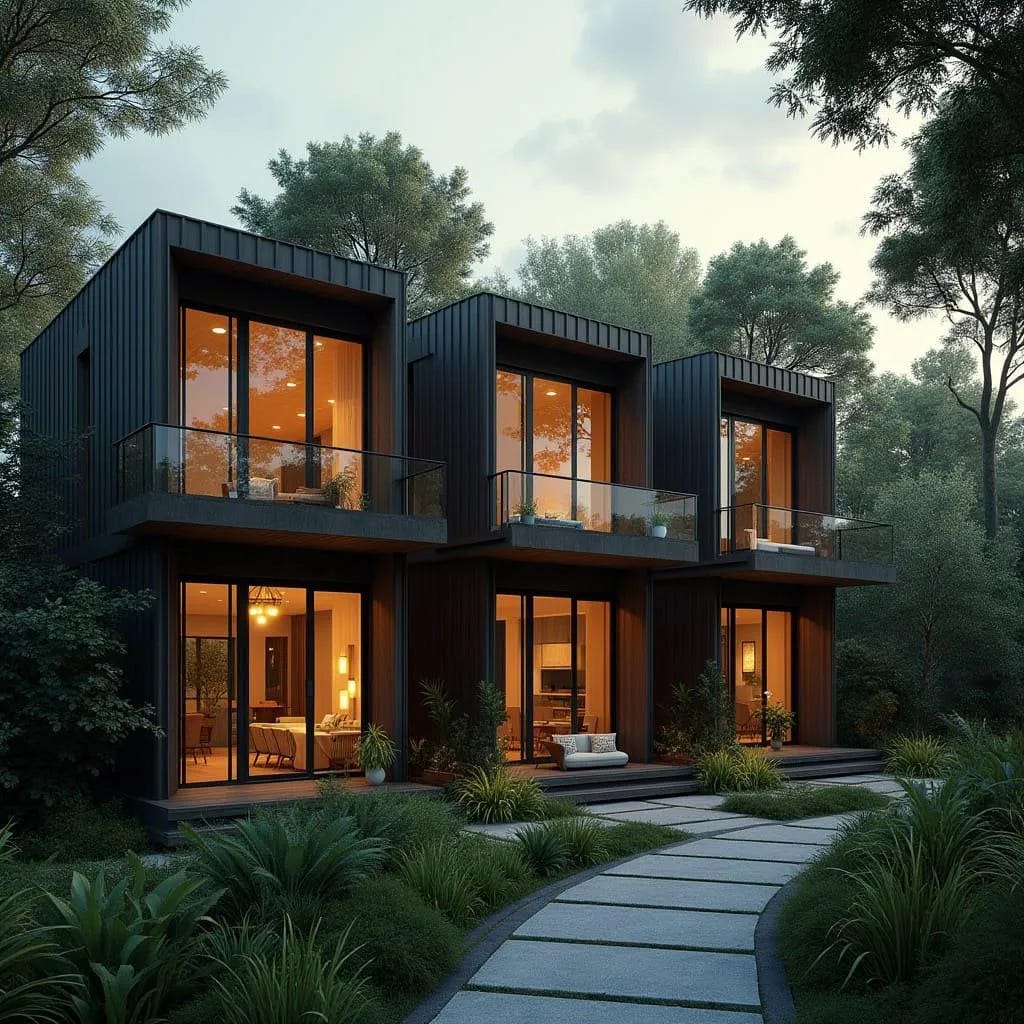
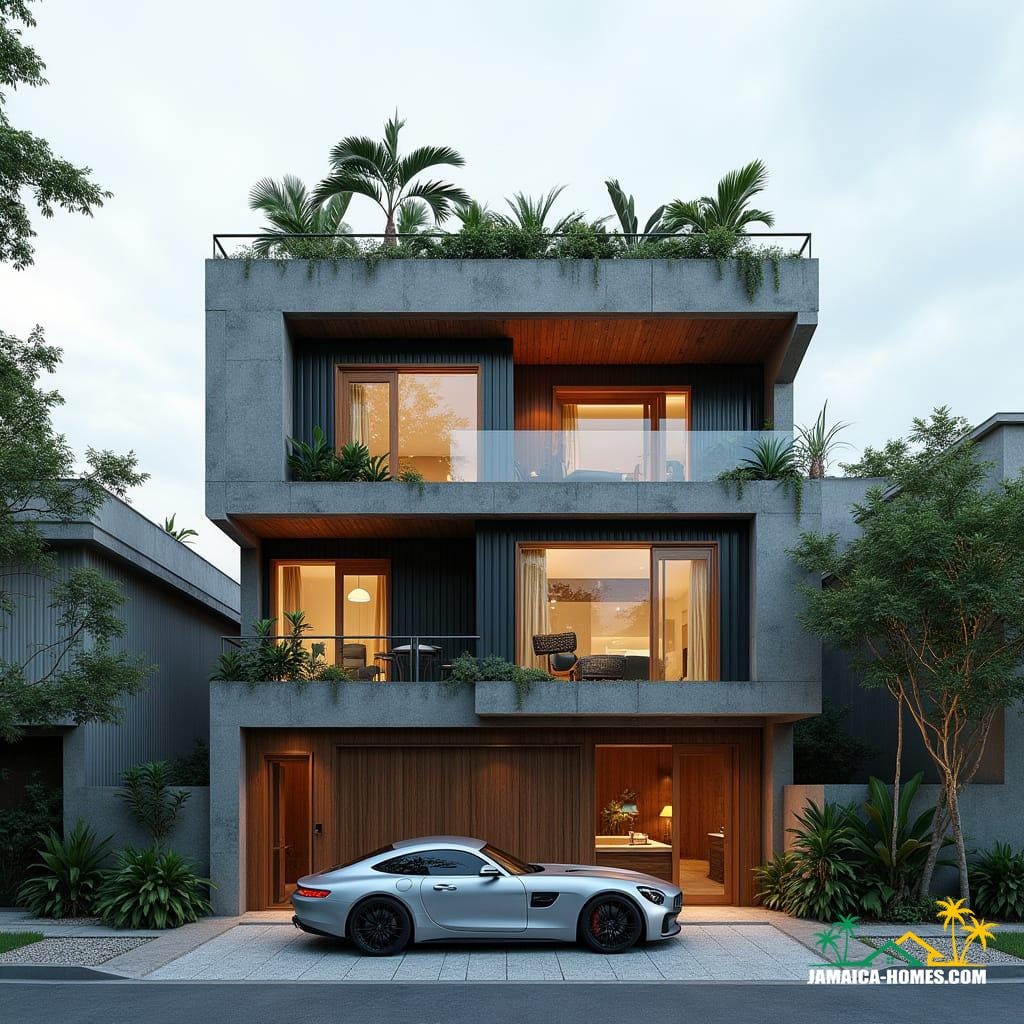
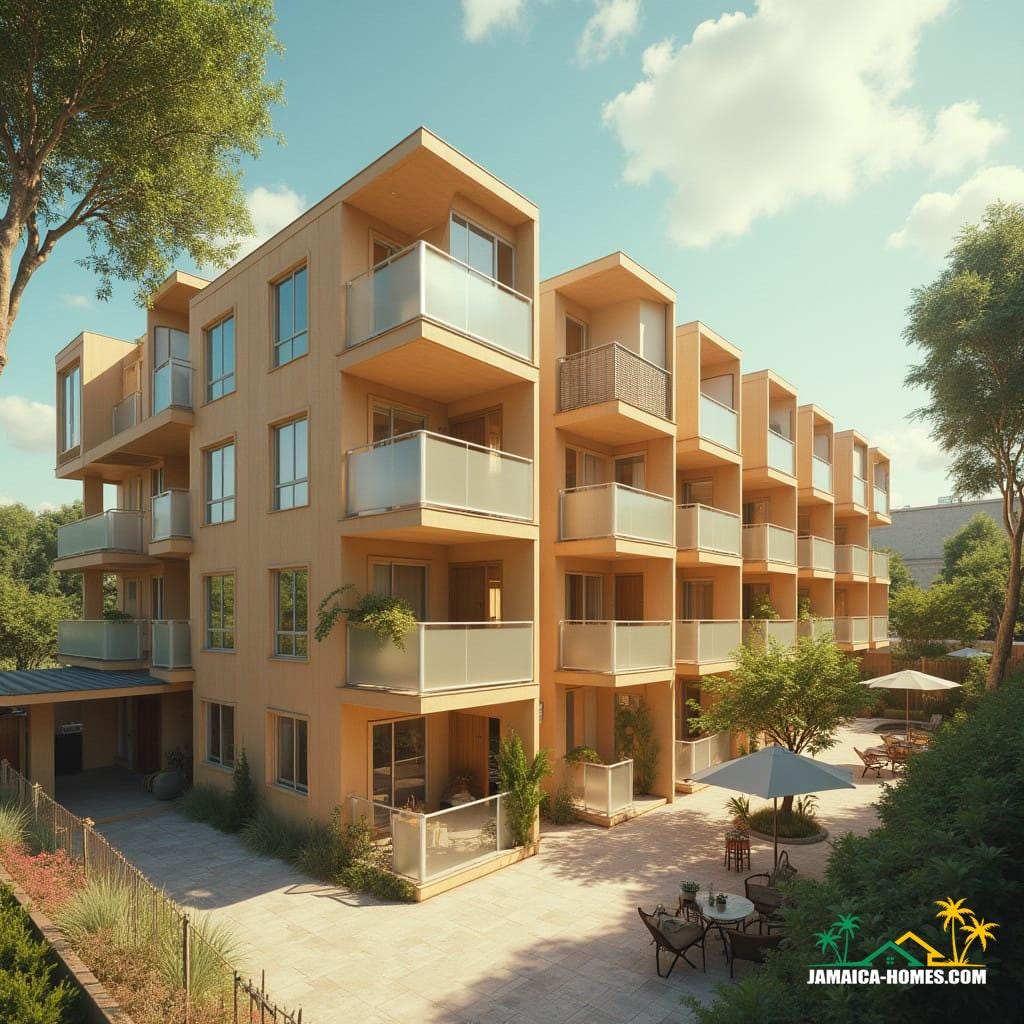
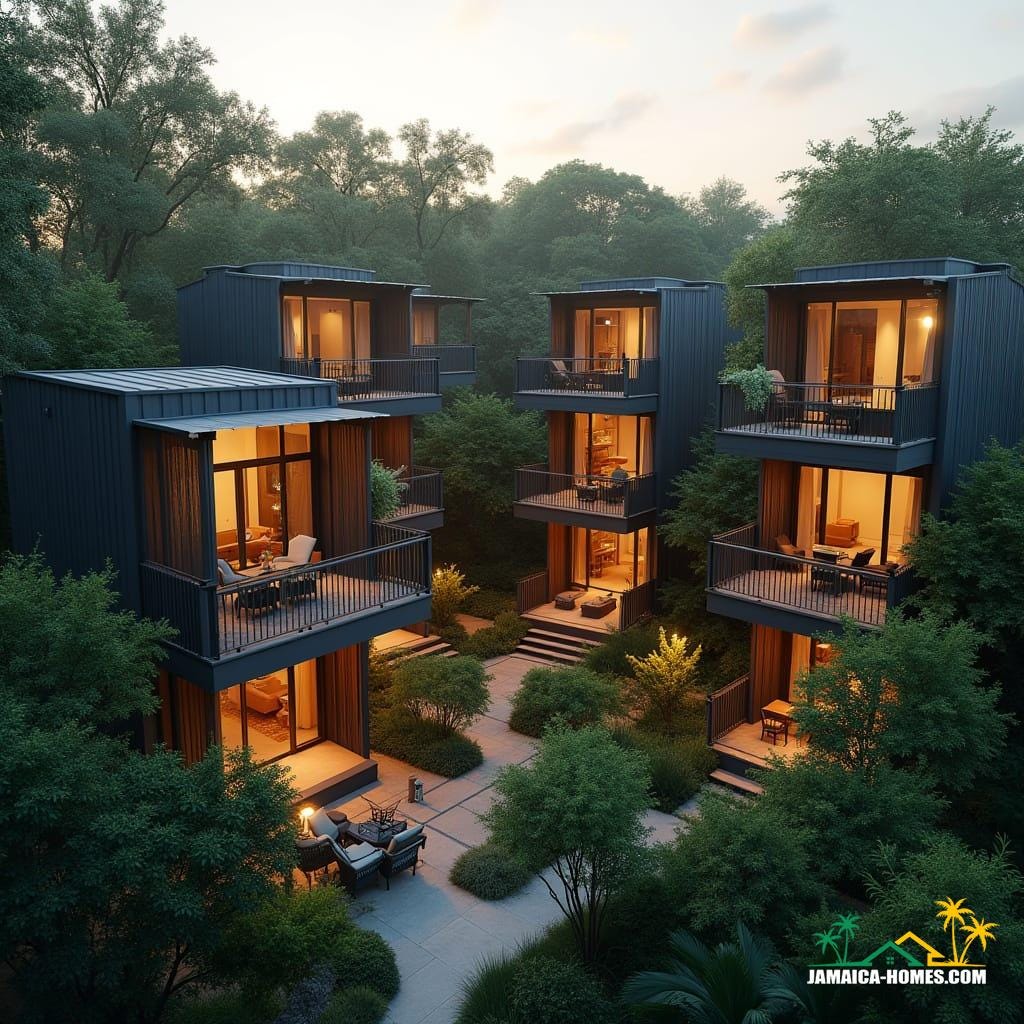
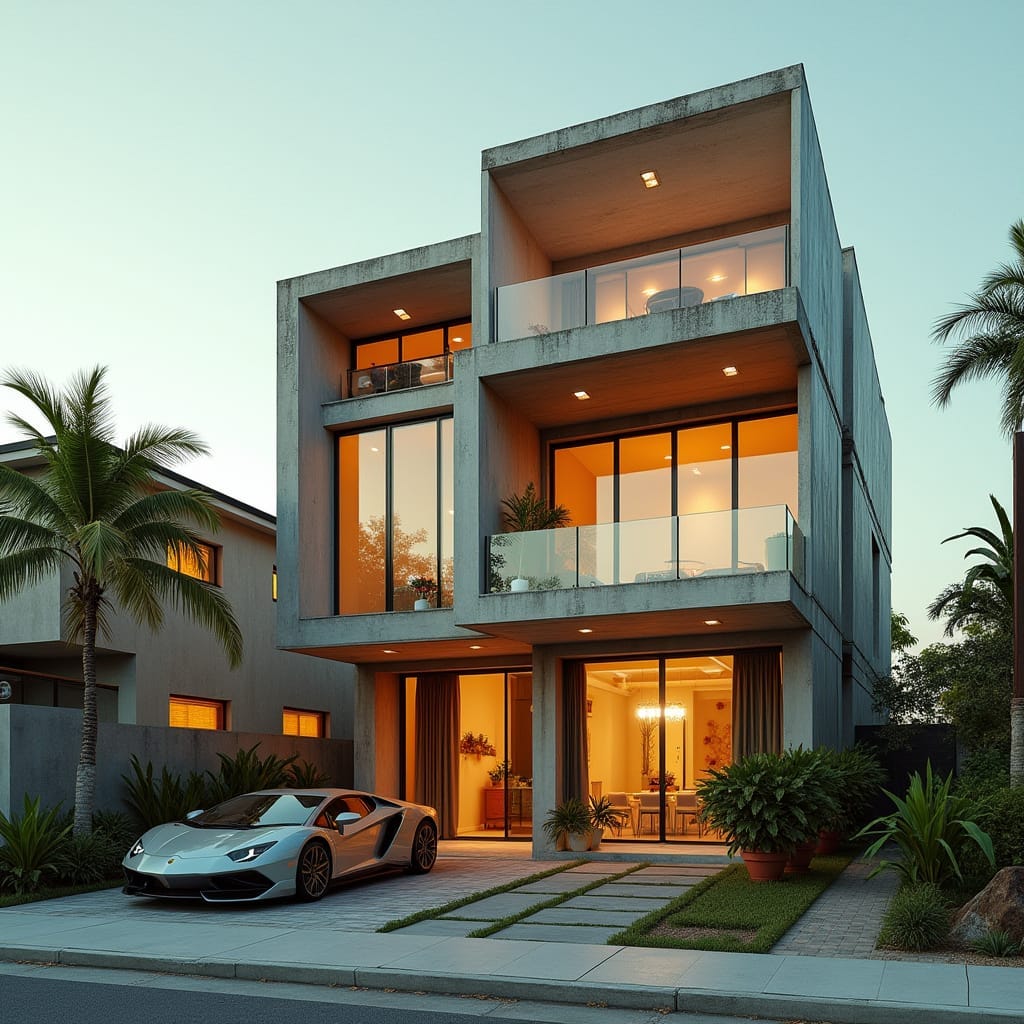
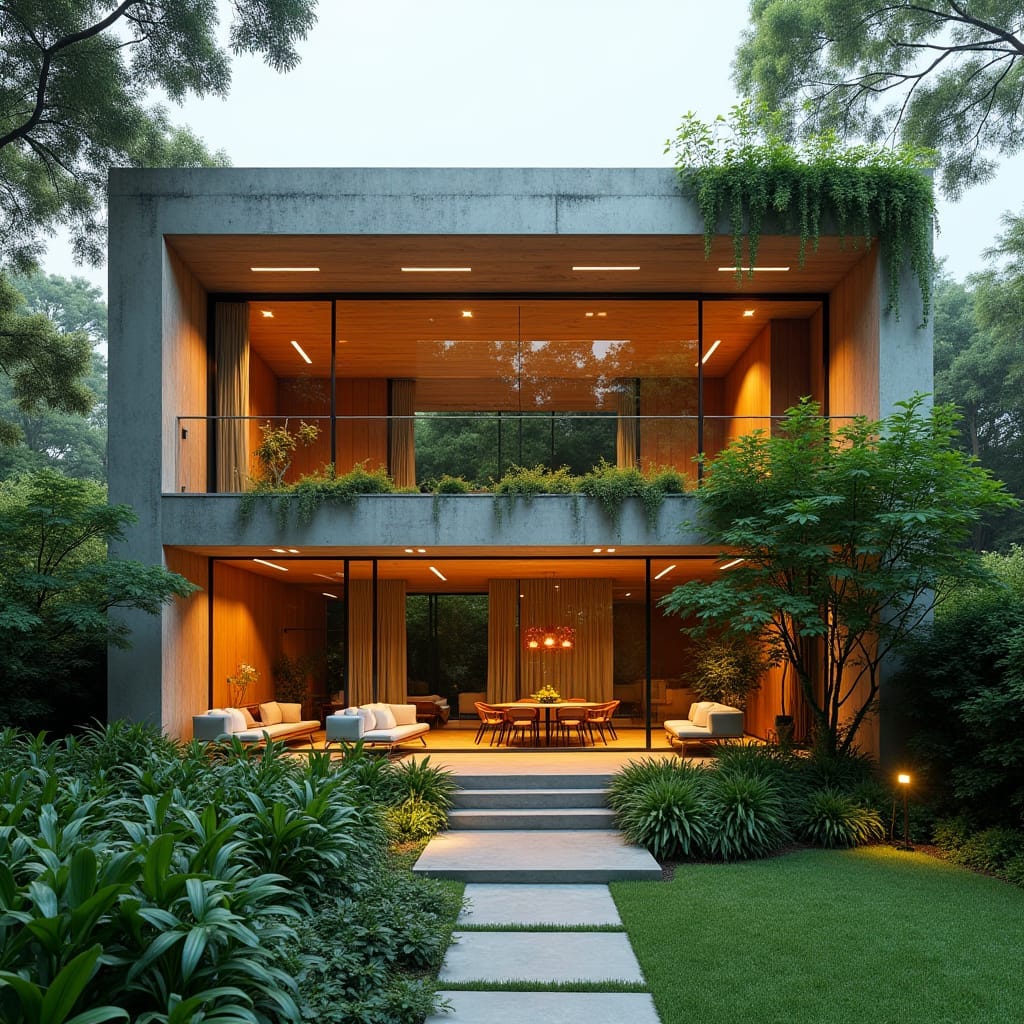
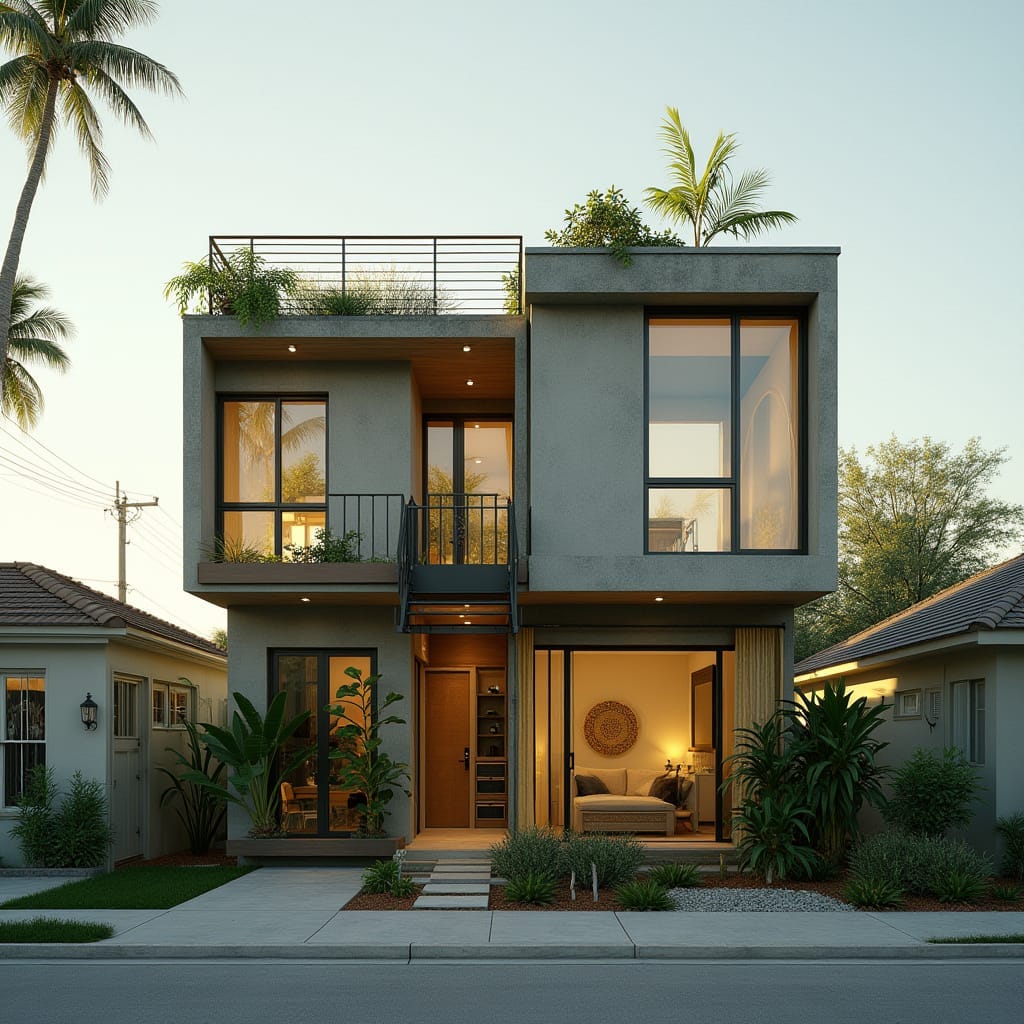
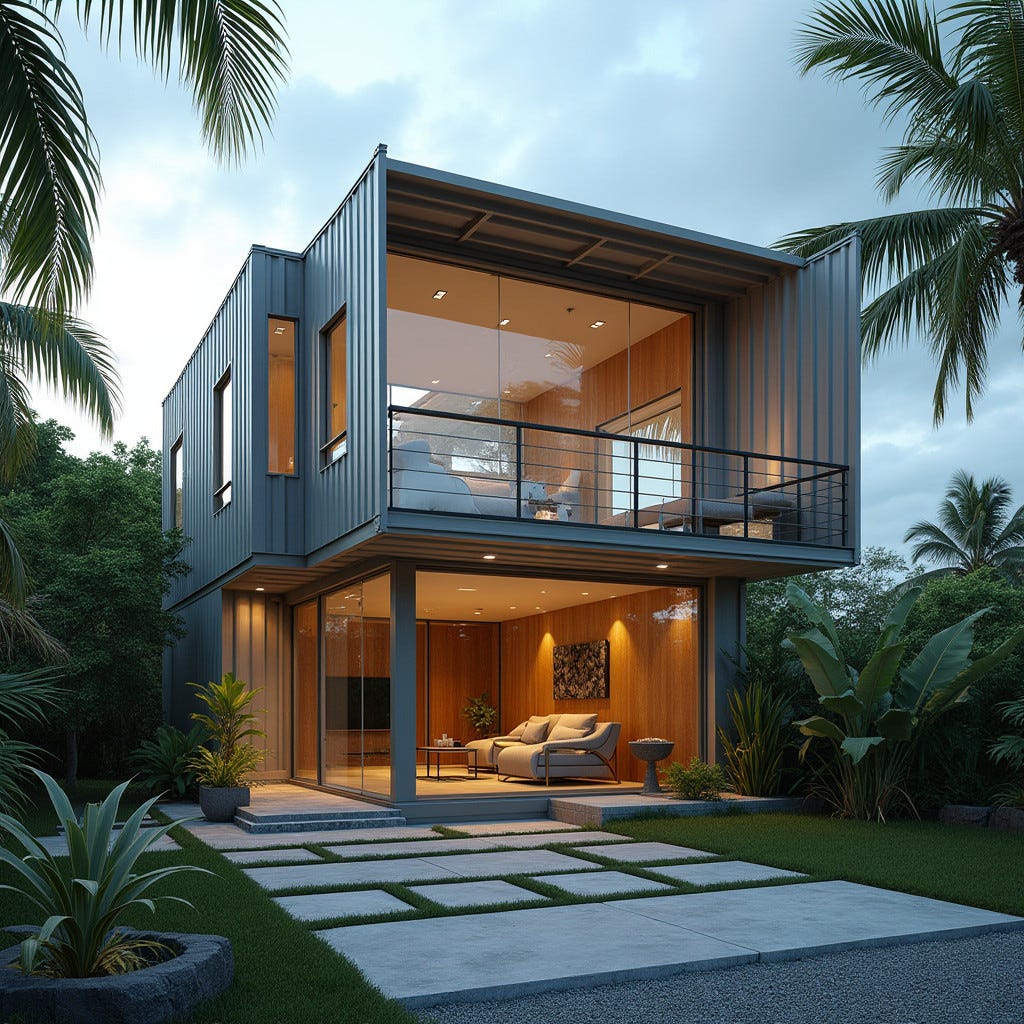
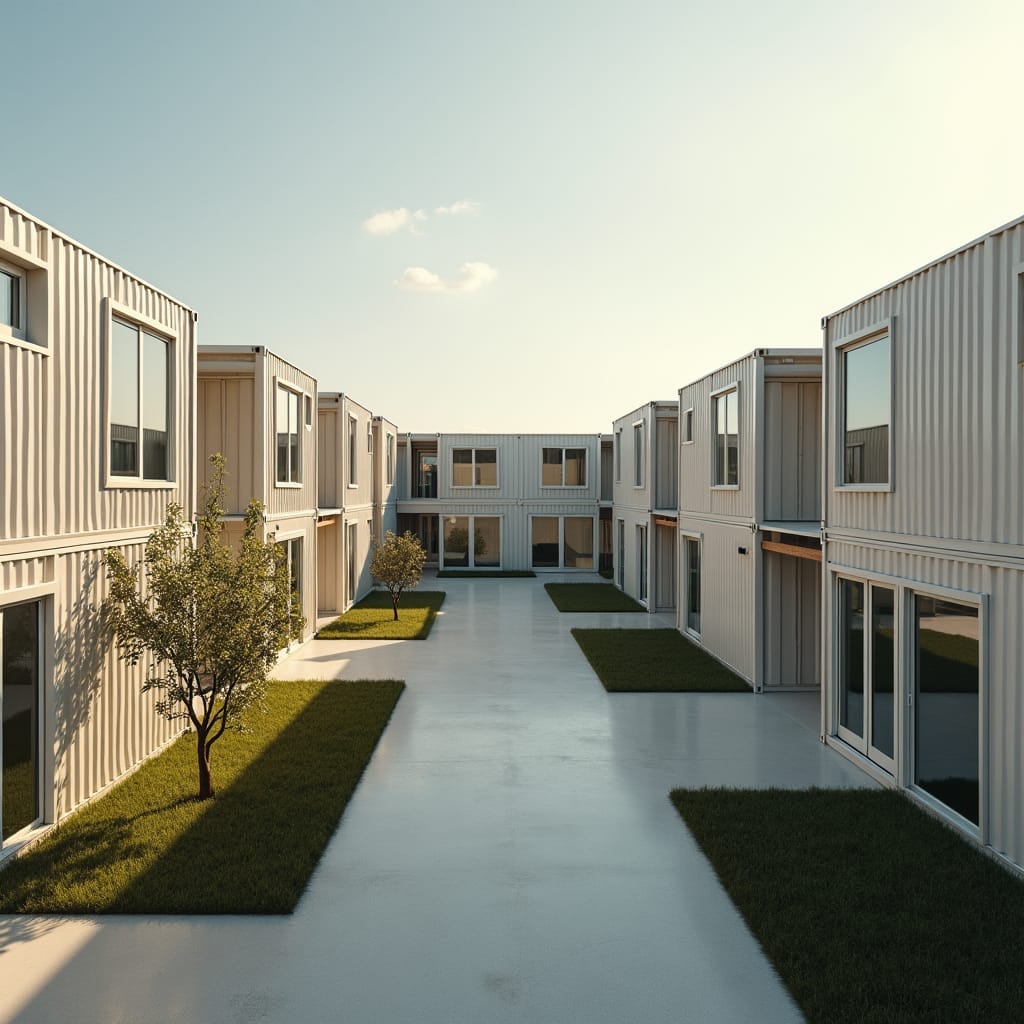
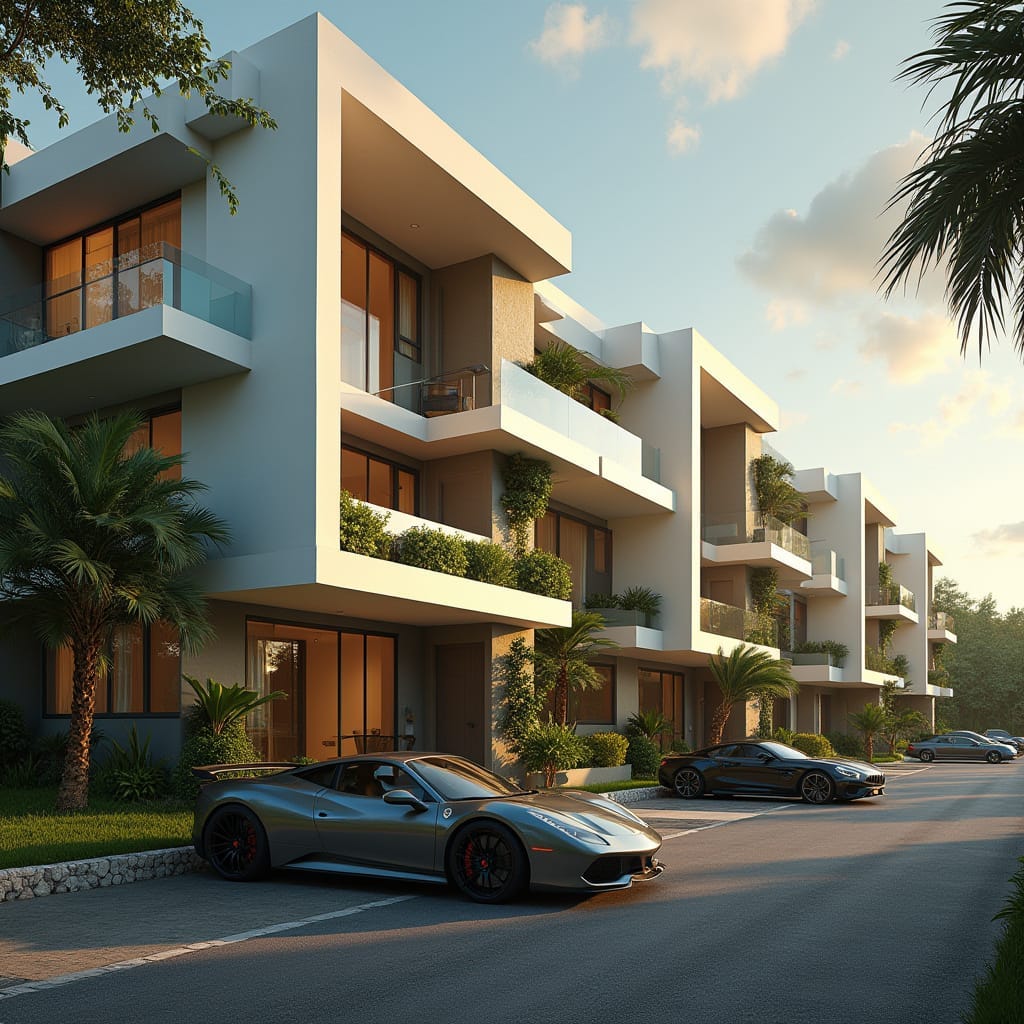
As these ideas take form, and as the images that follow begin to unfold, consider not just what you see — but what they suggest. A Jamaica where resilience is no longer reactive, but deliberate. Where building once, building well, and building to last becomes the national standard.
That is what building Jamaica forward looks like.
That is what designing for what endures truly means.