

Why 2008 Can’t Repeat
Bankruptcy reform and safer lending rules changed the housing system, but Jamaica still faces different risks


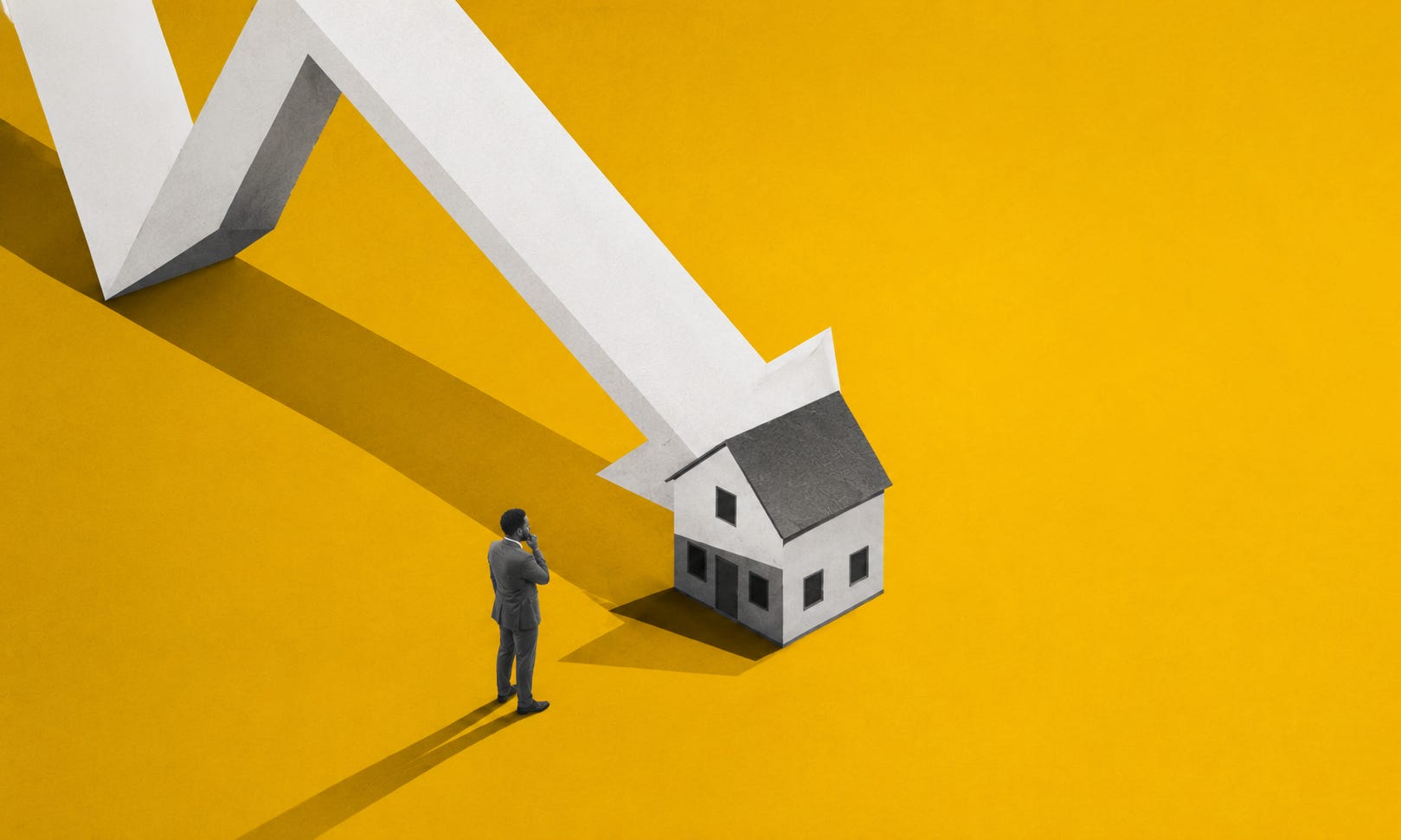
Nearly two decades after the global financial crisis shook property markets across the world, analysts in the United States are again debating whether another housing crash similar to 2008 could happen. A growing view among economists and mortgage specialists is that the structure of the American housing market has fundamentally changed, making a repeat of the same type of collapse far less likely.
The argument centres largely around two major changes introduced after the crisis: stricter bankruptcy laws and tighter mortgage regulations under the Qualified Mortgage rule, which emerged from post-crisis financial reforms. Together, they reshaped how Americans borrow, how banks lend, and who qualifies for mortgages in the first place.
The original crisis was fuelled by aggressive lending, weak borrower screening, speculative buying, and widespread use of adjustable-rate mortgages that became unaffordable once interest rates reset higher. Many borrowers entered the market with little equity, weak credit histories, or loans that were designed to fail once introductory rates expired.
That environment no longer dominates the American market.
Instead, the modern U.S. housing system is heavily built around long-term fixed-rate mortgages, particularly the 30-year fixed loan. Borrowers today generally enter the market with stronger credit profiles, more documentation requirements, and greater scrutiny around debt affordability. Foreclosure activity also remains far below the levels seen during the years surrounding the financial crisis.
The shift matters because housing crashes linked directly to mortgage debt are rarely caused by falling prices alone. They tend to emerge when households become dangerously overleveraged and unable to absorb shocks such as job losses, rising rates, or declining incomes.
That distinction is important for Jamaica as well.
While Jamaica did not experience a housing collapse on the scale seen in the United States during 2008, the island faces its own property vulnerabilities, many of which are tied less to reckless mortgage lending and more to affordability pressures, construction costs, currency instability, insurance gaps, and uneven access to financing.
Jamaica’s mortgage market has traditionally been more conservative than the American system that existed before 2008. Deposits are often higher, lending standards stricter, and speculative borrowing less widespread. Adjustable-rate mortgage products also never became as dominant locally as they did in parts of the U.S. housing bubble era.
However, that does not mean Jamaica is immune from housing stress.
Higher interest rates over recent years have placed pressure on household budgets, particularly among younger buyers trying to enter the market. Construction inflation, rising land values, and imported material costs continue to push home ownership further out of reach for many working families. At the same time, a growing divide is emerging between those who already own property and those locked out of ownership altogether.
In that sense, Jamaica’s risks may be slower and more structural rather than sudden and catastrophic.
The modern housing conversation is increasingly less about mass foreclosure waves and more about long-term accessibility. Questions around who can realistically afford land, who can secure financing, and whether future generations will inherit stable housing opportunities are becoming more central to real estate discussions globally.
The U.S. experience since 2010 also highlights another important lesson for Jamaica: stable lending systems can strengthen wider economic resilience. Homeowners with fixed-rate borrowing and accumulated equity are generally better positioned to weather inflation, recessions, and external shocks than heavily indebted households exposed to volatile loan structures.
That becomes increasingly relevant for small island economies facing climate pressures, rising insurance costs, and global financial uncertainty.
At the same time, analysts caution that no housing market is permanently protected from downturns. Prices can still fall. Economic recessions can still weaken construction activity and reduce demand. But the mechanisms that triggered the 2008 collapse were highly specific to an era of loose credit expansion and weak oversight.
Today’s housing pressures are different.
Across both the United States and Jamaica, the bigger long-term concern may not be another dramatic crash, but rather the gradual emergence of a society where stable home ownership becomes harder to achieve for ordinary working people.
That may prove less explosive than 2008, but potentially just as significant over time.