


Kingston, Jamaica — 1 February 2026
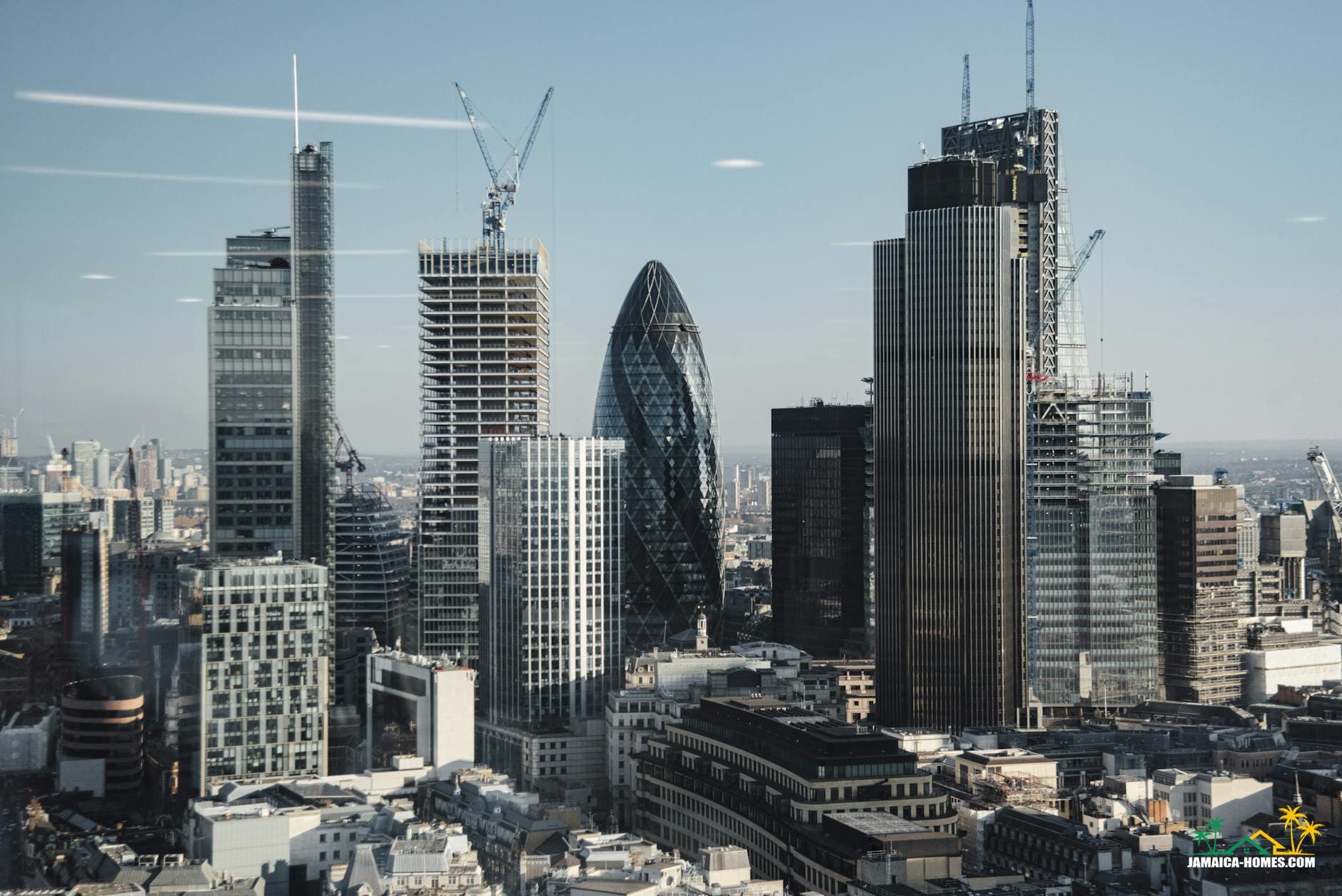
Across the Atlantic, the United Kingdom has been quietly rearranging the rules that govern wealth, residency, and long-term belonging. The end of the non-domiciled tax regime and a broader recalibration of capital taxation have prompted some internationally mobile households to rethink where they live and, more importantly, where they root themselves through property. The movement has been described in headlines as an exodus, though the reality is subtler: a careful repositioning rather than a sudden flight.
For Jamaica, the relevance of this shift lies not in the numbers leaving the UK, but in what happens when people with choices begin to reassess the meaning of home, security, and permanence. Property, after all, is where abstract policy changes eventually land. It is where decisions become concrete—measured in land purchased, houses built, or futures deferred.
When certainty wobbles, foundations are tested
Property thrives on confidence. It depends on the slow accumulation of trust: in laws that endure, in planning systems that make sense, in the idea that a home bought today will still mean something tomorrow. When governments rewrite the terms of wealth and inheritance, even with sound fiscal reasons, they unsettle that confidence. Those with the means to do so respond not dramatically, but methodically—by spreading risk, trimming exposure, and questioning old assumptions.
In the UK, this has meant some households reassessing their long-held attachment to property as a permanent anchor. London, once treated as a safe and obvious base, becomes one option among many. The question shifts from where is best to where still makes sense.
Why Jamaica appears on the map
Jamaica does not present itself as an alternative financial capital. It offers something quieter, and in some ways more fundamental: land that still carries meaning beyond balance sheets, and homes that are used rather than merely held.
Here, property often sits at the intersection of practicality and emotion. A house is shelter, inheritance, and memory all at once. For members of the diaspora and for internationally mobile buyers, that duality matters. Jamaica offers a place where ownership can reconnect families to land, while also functioning—carefully managed—as an economic asset.
Tourism plays its part, creating demand for accommodation and sustaining certain development corridors. But tourism alone does not explain the interest. What draws attention is the possibility of owning something tangible in a world that increasingly feels abstract: a piece of ground, a view, a structure that must stand up to weather and time.
Land as a long view
In Jamaica, land has always been more than a commodity. It is a store of resilience. Passed down, subdivided, argued over, protected. Decisions about land use echo for generations, shaping who belongs where and on what terms.
This is why external interest in property is both an opportunity and a responsibility. Investment can support construction, employment, and improved housing stock. It can also strain affordability if not matched by supply and thoughtful planning. The balance is delicate, and it cannot be left to the market alone.
What matters most is not how much capital arrives, but how it behaves once it is here.
Dean Jones, founder of Jamaica Homes, has often reflected on this distinction. “Property in Jamaica only works when people accept its weight,” he said. “Land here is not a short-term play. It carries history, family expectation, and future responsibility. Investors who understand that tend to build things that last.”
Building for use, not spectacle
One of the quieter differences between Jamaica’s property market and those of global cities lies in how buildings are used. In many metropolitan centres, homes sit empty—financial instruments with doors. In Jamaica, most homes are lived in, returned to, adapted. Even short-term rental properties often serve multiple lives: owner, family, guest.
This has implications for design and construction. Buildings must endure heat, rain, salt air, and storms. They must work without constant intervention. Resilience here is not a buzzword; it is a requirement.
As global wealth becomes more mobile, places that reward this kind of honest building—practical, grounded, unshowy—gain quiet appeal.
A caution beneath the interest
None of this suggests inevitability. Jamaica’s property market faces real pressures: climate risk, infrastructure limits, financing constraints, and the enduring challenge of housing access for ordinary Jamaicans. External capital does not solve these problems by default. In some cases, it can worsen them.
The task, therefore, is discernment. To welcome investment that aligns with long-term housing needs while resisting development that hollows out communities or inflates land beyond local reach. This requires steady policy, clear planning, and an understanding that property is not merely an economic sector but a social one.
What this moment asks of Jamaica
The UK’s experience serves as a reminder of how quickly confidence can shift when systems feel unsettled. For Jamaica, the lesson is not to imitate or to compete, but to remain clear about its own priorities.
Land and housing are where national stories are written in brick and concrete. As global capital looks around, Jamaica’s strength lies in knowing what it is building for: not spectacle, not speed, but continuity.
In an age of movement, the places that endure will be those that understand the value of staying put—of building homes that mean something, and land systems that remember who they are for.
Disclaimer: This article is for general information and commentary purposes only and does not constitute legal, financial, or investment advice. Readers should seek professional guidance appropriate to their individual circumstances.