


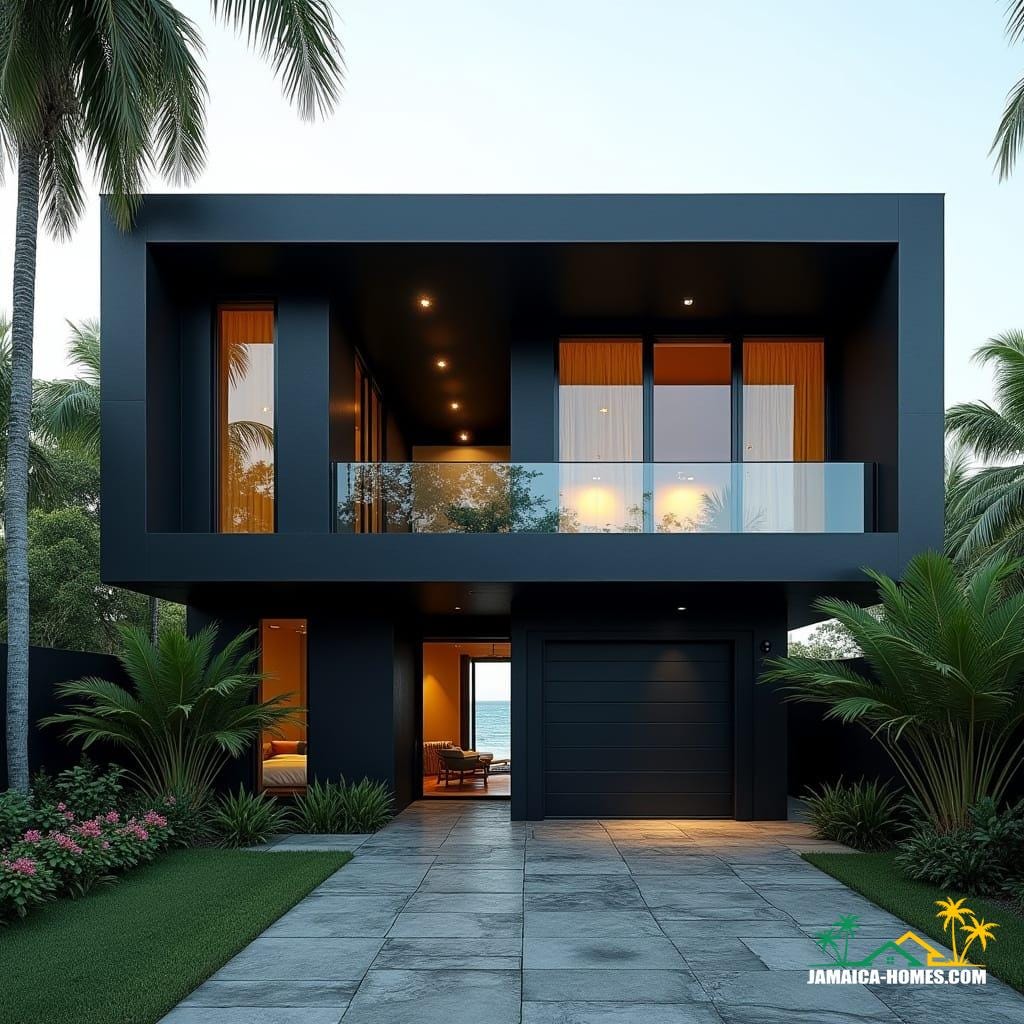
If you’ve been watching the property scene from Kingston to Montego Bay, you’ve probably noticed a shift: more Jamaican buyers are flirting with newly built homes. It’s not simply the shine of quartz countertops or the whisper-quiet inverter AC. It’s because—at least in certain pockets of the market—buying new may stack up to a better overall deal, fewer headaches, and a lifestyle that fits how Jamaicans actually live today.
Let’s flip the usual U.S.-centric narrative on its head and set it in a Jamaican frame. Our mortgage systems, closing costs, developer practices, building codes, and day-to-day needs (hello, water storage and hurricane shutters) are different. Incentives exist here, but they show up in ways that reflect our island’s realities. The goal is to help you read the tea leaves like a pro—so you can step confidently into a purchase that suits your pocket and your peace of mind.
“Jamaican buyers aren’t just purchasing square footage; we’re buying daylight, breeze, security, and time. A good new-build multiplies all four.”
— Dean Jones, Founder, Jamaica Homes; Realtor Associate
What “Incentives” Look Like in Jamaica (And What They Don’t)
In the U.S., “builder incentives” often mean mortgage-rate buydowns and hefty closing credits. In Jamaica, the script is different. Banks—not builders—are the ones who typically influence mortgage rates and terms, sometimes with seasonal promotions. Developers here do sometimes sweeten the pot, but usually in ways tied to finishing, convenience, or timeline:
Common Jamaican builder incentives:
Appliance packages or upgrades (stove, fridge, washer/dryer, inverter AC units).
Fitted closets, upgraded cabinetry, or solid-surface countertops at no extra cost.
Grillwork and security screens pre-installed.
Water tank and pump installation, sometimes even basic solar water heaters.
Parking allocations (e.g., a second space or visitor parking privileges).
Minor closing-cost help in selected developments (less common, but it happens).
Early-bird pricing for pre-construction buyers and promotional “launch” phases.
Less common in Jamaica:
Formal mortgage-rate buydowns offered by the developer. That’s typically a bank’s arena.
This doesn’t mean you can’t land a sharp deal. It means your negotiation lever may be finishings, move-in timelines, or small credits rather than a lower interest rate negotiated by the builder. You’ll still want to shop your mortgage across multiple lenders and—if applicable—layer in any NHT benefits to reduce your effective cost.
“Incentives are nice, but clarity is king. Before you fall in love with a unit, get a written inventory of exactly what’s included—down to the last hinge.”
— Dean Jones, Founder, Jamaica Homes; Realtor Associate
Why New-Builds Are Drawing Attention Right Now
1) Lifestyle Fit: Built for how Jamaicans live today
Modern developments respond to the way we actually use space: gated communities, 24-hour security, strata-managed amenities, play areas, garbage enclosures, assigned parking, backup water solutions, and sometimes rooftop terraces or small gyms. With hybrid work and more time at home, those design choices matter.
2) Predictability: Fewer “surprises”
Older homes can hide costly repairs—aging roofs, old plumbing, wiring that doesn’t love modern loads. A new-build shifts the spend from unknowns into features you can see. Plus, you’re often getting warranty coverage from reputable developers (ask to see it in writing and understand the claims process).
3) Energy and utility consciousness
Between JPS bills and water interruptions, a home that’s inverter-ready, cross-ventilated, water-tank-equipped, and solar-friendly offers ongoing savings and resilience. Look for LED lighting, low-flow fixtures, window orientation that respects the sun path, and roofing that handles heat and heavy rain.
4) Financing rhythm that matches construction
For pre-construction units, staged payments can align with your cash flow. Just be sure you understand any escalation clauses, the estimated completion window, and what triggers each payment. For move-in-ready new builds, the attraction is speed: you can lock financing and move without living through renovations.
(Witty aside alert—mixed into the flow): A new-build can be like a patty fresh out the oven—irresistible at first glance—but you still check the pepper level before you take a big bite.)
Where the Value Hides (and Where It Doesn’t)
It’s tempting to compare list prices alone. Don’t. Compare the full ownership picture:
Strata fees: What do they cover? Security, landscaping, garbage, water pumping, insurance for common areas? Ask to see a draft budget, not just a verbal estimate.
Utilities setup: Are meters individual? Is there a central pump? Who maintains it? Are there backup generators for common areas or individual provisions for your unit?
Parking and storage: One spot or two? Visitor parking bylaws? Space for a water tank or small shed?
Resale and rental prospects: Does the location support short-term or long-term rental? Are there bylaws restricting it? (Critical if you’re factoring rental income.)
Covenants and bylaws: Grills, pets, short-term rentals, exterior paint—little rules that make a big difference.
Warranty terms: Get it in writing, with timelines and contact details for defect reporting.
A slightly higher purchase price with lower ongoing strata fees, better energy profile, and fewer repairs can beat a lower price that bleeds you monthly.
New-Build Market Dynamics: A Jamaica-Specific Lens
Unlike the U.S., Jamaica’s supply swings are shaped by planning approvals, import costs, labour availability, and infrastructure capacity. The result? Inventory can feel tight in prime corridors (think Kingston 6 & 8, Manor Park, Barbican, Constant Spring, and well-situated areas of Portmore, St. Catherine, and Montego Bay). Where supply is more elastic—emerging suburbs, growing exurbs, or larger master-planned communities—you may find sharper pricing or more generous finishings.
Developers with a track record often phase releases: Phase 1 may price to attract early adopters; later phases adjust for demand and build-cost realities. If you’re shopping new, timing matters. Launch pricing, end-of-phase closeouts, or the last few “like-for-like” units in a block can offer room to negotiate on upgrades or small credits—especially if your financing is fully pre-approved and you’re ready to sign.
“In a tight market, seriousness is a currency. The buyer who shows bank pre-approval, knows their numbers, and moves cleanly often gets the quiet advantage.”
— Dean Jones, Founder, Jamaica Homes; Realtor Associate
Pre-Construction vs. Quick Move-In: Pros and Cons for Jamaica
Pre-Construction
Pros: Early-bird pricing; chance to choose finishes (within developer menu); staged payments; time to plan your move.
Cons: Timeline risk; potential escalation clauses; you can’t “walk the space” yet; market conditions could shift before completion.
Quick Move-In (Already Built)
Pros: See what you’re getting; move fast; avoid rental overlap; easier to evaluate cross-ventilation, light, noise, and actual finishes.
Cons: Less room for customization; competition for the best-located units; condensed decision window.
Either way, site inspections are everything. Visit at different times (morning, evening, weekend), test water pressure, listen for traffic noise, and check how the breeze flows when windows are cracked open.
How to Actually Negotiate Here (Without Guesswork)
Get your financing house in order—early.
Secure a bank pre-approval and map your NHT benefits if you’re eligible. A clean, confident buyer earns attention.Ask for a written list of inclusions.
Appliance brands, AC tonnage and type, closet systems, grillwork, water tank capacity, pump specs, countertop material, backsplash, tile sizes, and if screens are included.Work the non-price levers.
If the sticker price won’t budge, counter with upgrade requests (extra AC head, better counter, wardrobe upgrades), or ask for small credits at closing for items you’ll install yourself (fans, shades).Understand the timeline—and protect it.
If you’re pre-construction, agree on milestone dates, remedies for delays, and how variations are handled. If you’re move-in-ready, lock your closing date and coordinate utilities.Don’t skip the attorney.
Jamaican conveyancing has its own rhythms. Your attorney should review Sale Agreement, strata bylaws, common-area plans, covenants, and title particulars. Ask pointed questions about outstanding approvals, property tax status, and easements.Compare the “all-in” number.
Tally purchase price plus closing costs (transfer-related charges, registration, legal, bank fees), plus move-in costs (window treatments, appliances not included, minor grillwork), plus first-year strata and insurance. The truth lives in the total.
“A Jamaican home is a 10-year decision disguised as a one-day viewing. Do the math, do the walk-throughs, and don’t rush the paperwork.”
— Dean Jones, Founder, Jamaica Homes; Realtor Associate
The Checklist: Jamaica-Ready Due Diligence for New Builds
Location & Livability
Commute routes at peak times; alternative access if a main road is blocked.
Nearby amenities: supermarkets, medical, schools, gyms, parks, churches.
Drainage on the roadways; look after heavy rainfall.
Build & Utilities
Roof type and hurricane preparedness; guttering and downpipes.
Water system: tank capacity, pump specs, and responsibility for maintenance.
Electrical load and panel capacity for future AC or EV charger.
Cross-ventilation: window placement; check heat in the afternoon sun.
Pest-proofing at the ground level (especially near gully/green areas).
Security & Strata
Gate system and visitor management; CCTV coverage; lighting in car park.
Bylaws on pets, rentals, grills, awnings, satellite dishes.
Strata budget and reserve fund; planned maintenance cycles.
Insurance: what common-area policy covers vs. what you must insure.
Paper & Payments
Sale Agreement clauses on defects, handover, penalties, and variations.
Clear statement of included finishes and appliances.
Bank letter of pre-approval and your deposits aligned with milestones.
Attorney’s timeline for searches, title registration, and handover checklist.
Resale & Rental
Market rents for similar units in the area; target tenant profile.
Restrictions on short-term rentals; minimum lease periods.
Parking ratios and visitor parking—tenants care about this.
Will This “Window” Last?
Developers are rational. If units move quickly, incentives shrink and prices firm up; if sales slow, incentives expand or finishes grow more generous. Right now, the best opportunities often appear:
At launch (early phases).
As closeouts (the last few units in a block or phase).
When a developer is balancing cash flow and wants clean, fast closes.
None of this lasts forever because carrying costs are real; builders prefer steady sales and predictable schedules. If you’ve identified a development that ticks your boxes, the smartest thing you can do is prepare to move decisively.
A Buyer’s Playbook—Jamaica Edition
Define your “must-haves” vs. “nice-to-haves.”
Non-negotiables: parking count, security level, water storage, commute time, rental flexibility.
Nice-to-haves: countertop upgrades, extra balcony outlets, fancy light fixtures.Shop your mortgage and line up NHT early.
Compare banks for rates, fees, processing times, and flexibility (prepayment, lump-sum privileges).Shortlist three developments.
See them twice at different times of day. Measure the real feel (noise, light, breezes), not just brochure promises.Request written inclusions and a draft strata budget.
This is where many “surprises” hide.Make a clean offer with proof of funds and pre-approval.
If price won’t move, target upgrades or small closing credits.Engage your attorney before signing.
Jamaican contracts are precise. A quick read isn’t enough.Plan your first-year costs.
From blinds to minor grillwork to a small water heater tweak, set aside a realistic budget.
The Truth About “Better Deals” in Jamaica
A “better deal” isn’t always the lowest list price. It’s the best-fit: the one that gives you predictable ownership costs, livability, resilience, and forward value—without late-stage contract drama. New-builds shine when they deliver modern services, sensible bylaws, energy-aware design, and clean paperwork. They underperform when finishes are cosmetic but systems are weak, or when timelines and bylaws turn ownership into a maze.
Your job is to cut through sizzle and test the steak. (And yes, still check the pepper level.)
“In real estate, patience pays—but preparation pays faster. When your papers and priorities are ready, the right door opens like it was waiting for you.”
— Dean Jones, Founder, Jamaica Homes; Realtor Associate, Coldwell Banker Jamaica Realty
Bottom Line: Move Smart, Move Ready
Yes, new-builds are attracting more Jamaican buyers.
The draw is lifestyle fit, predictability, and in select cases, meaningful perks on finishes or convenience.Incentives here are different from the U.S.
Expect appliance bundles, finish upgrades, water systems, and occasional closing nibbles—less so rate buydowns from builders.Timing matters.
Launch phases and closeouts often present the best negotiation openings. Pre-approval gives you leverage.Representation matters more.
A buyer’s agent who knows the developers, reads strata budgets, and negotiates inclusions can save you time and missteps. Pair that with a diligent attorney and you’ve stacked the deck.
If you want a confident next step, do this: shortlist two or three developments that fit your commute, budget, and lifestyle. Get pre-approved, collect written inclusions, and have your attorney on deck to review the Sale Agreement and bylaws. Then, and only then, make your clean move.
Jamaica’s market rewards the buyer who is serious, specific, and swift. Be that buyer—and let your new keys catch the island breeze.