

Why Some Roofs in Black River Survived Hurricane Melissa: Understanding the 10% That Withstood the Storm

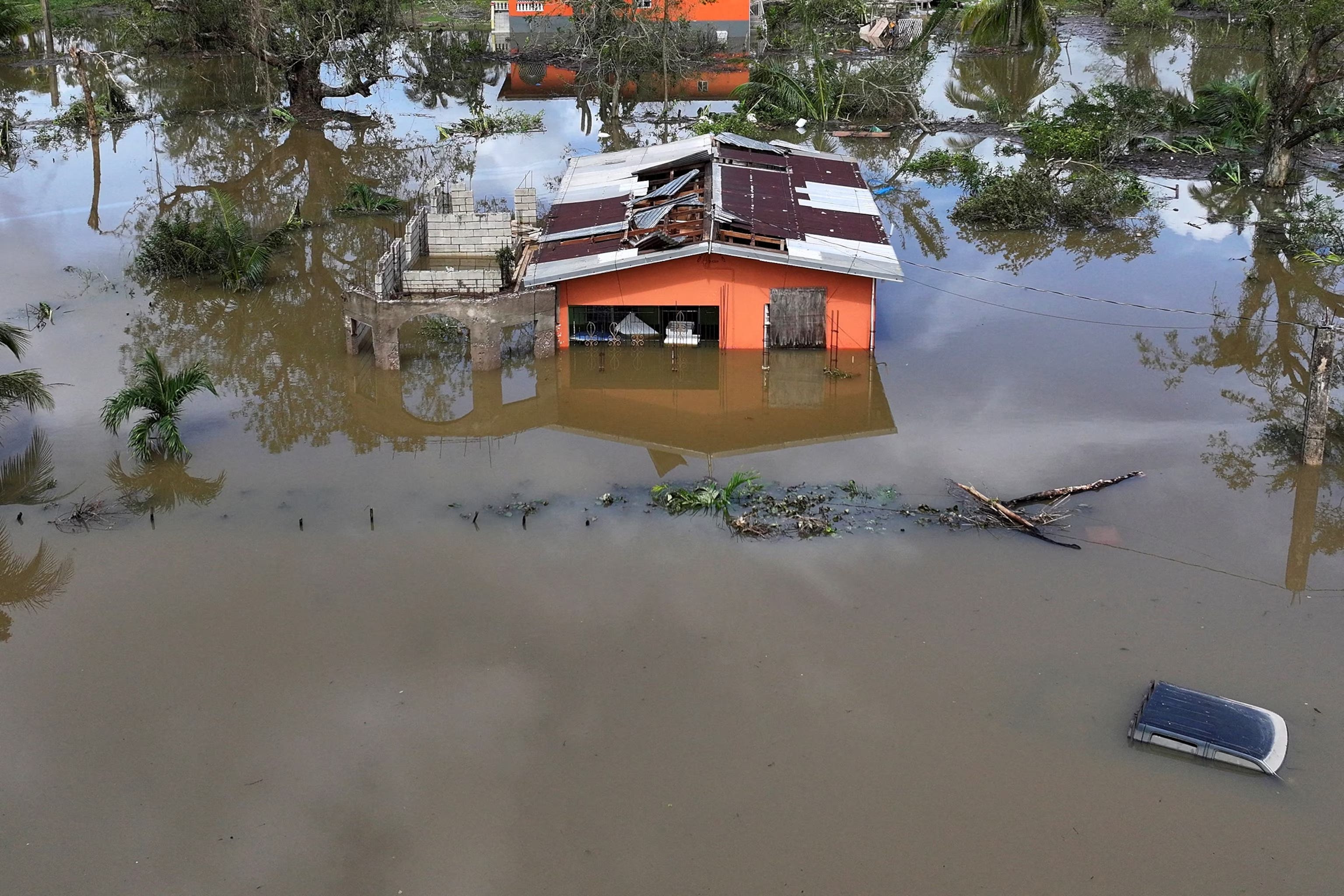
Disclaimer: The following is a reasoned interpretation based on available public-information concerning the passage of Hurricane Melissa over the town of Black River (St Elizabeth parish), Jamaica. It is not based on detailed engineering surveys of each roof and should be treated as informative rather than definitive. Local building records, structural assessments and site-specific investigations would be required for certainty.
Why some roofs did not blow off
Given reports that up to 80-90 % of roofs in Black River were lost. We can ask: why did the remaining ~10–20 % survive, when most did not? The most likely reasons include the following:
1. Stronger structural anchoring or construction quality
Some dwellings may have been built with stronger ties between roof and walls (e.g., better roof-to-wall connections, more durable materials, anchored trusses or beams) which allowed them to resist the extreme winds.
Better-constructed homes often fare better during high-wind events. So those remaining roofs may have benefitted from better design, better workmanship or better maintenance.
2. Orientation & local wind/shadow effects
Even in very severe storms, local variation matters: some houses might have been partially shielded by neighbouring buildings, trees or terrain, reducing wind loads on the roof. Also, the “angle of attack” of winds, or partial sheltering by topography or foliage, might reduce uplift forces.
Those houses which escaped roof loss could simply have had a slightly more favourable position relative to the storm-winds.
3. Roof design and material selection
Roofs that are built flatter, with fewer overhanging eaves, tighter fastenings, fewer penetrations, and made of more wind-resistant material are less likely to be ripped off. Houses which had metal sheets tightly secured, smaller spans, fewer loose parts, or fewer weak points could survive when many others did not.
4. Maintenance and condition of the roof before the event
Roofing systems in good condition (no loose panels, less corrosion, properly sealed fixings) will perform better. Homes whose roofs were well maintained would stand a better chance than those with rusted fasteners, missing screws or degraded support frames.
5. Load sharing and redundancy in the structural system
In some homes the roof structure may have been more robust in distributing loads (wind uplift, debris impact) or may have included additional bracing. Such roofs might tolerate some damage without full failure, whereas more lightly built roofs fail catastrophically.
6. Chance and variability in wind exposure
Even in a high-intensity hurricane, the wind field is not uniform. Some buildings might escape the peak gusts or might have been outside the extreme core of the winds or storm surge. Some houses may have been on slightly higher ground, slightly farther inland, or in a micro-sheltered site, reducing the worst effects.
7. Elevation and absence of surge effect
In coastal or low‐lying areas subject to storm-surge or high water plus wind uplift, roofs face combined forces (wind + water). Houses slightly elevated or inland may avoid the most forceful surges and resultant structural stresses. Thus, those with less water inundation might have the roof survive.
In summary
While virtually the entire town of Black River suffered catastrophic damage (reports suggest 80-90 % roof loss) — the roughly ~10–20 % of homes whose roofs remained likely did so because they combined better structural design, good maintenance, favourable orientation or location, stronger materials/anchoring and a bit of luck or less intense wind exposure.
In effect, surviving roofs are the exception, not the rule, in such an unprecedented storm. Their survival does not mean they were “safe” — they may still have suffered damage, weakening or leakage. It simply means they did not suffer complete roof loss.
Why this matters
For anyone looking at reconstruction, insurance, risk-mitigation or future hurricane-resilient building in Jamaica or similar environments, the fact that a small minority of roofs survived is important. It shows that while extreme events overwhelm most buildings, there are construction and maintenance practices that increase resilience. Recognising what differentiated the surviving roofs is valuable for future design and upgrading.
Disclaimer: This image is for illustrative purposes only and may not depict the actual homes, locations, or damage in Black River after Hurricane Melissa.