


Woodside, located in the parish of St. Mary, is a community steeped in history, with deep connections to the Taíno, the plantation era, and Jamaica’s emancipation. This village is home to remarkable sites, including the prehistoric petroglyphs at Dryland, also known as “One/Long Bubby Susan.” These rock carvings, the oldest known on the island, are found in a cave in Woodside, known as Rock Spring. These Taíno petroglyphs, alongside other rock paintings and carvings discovered in caves, provide an invaluable link to the island’s indigenous past.
Recreated scenes
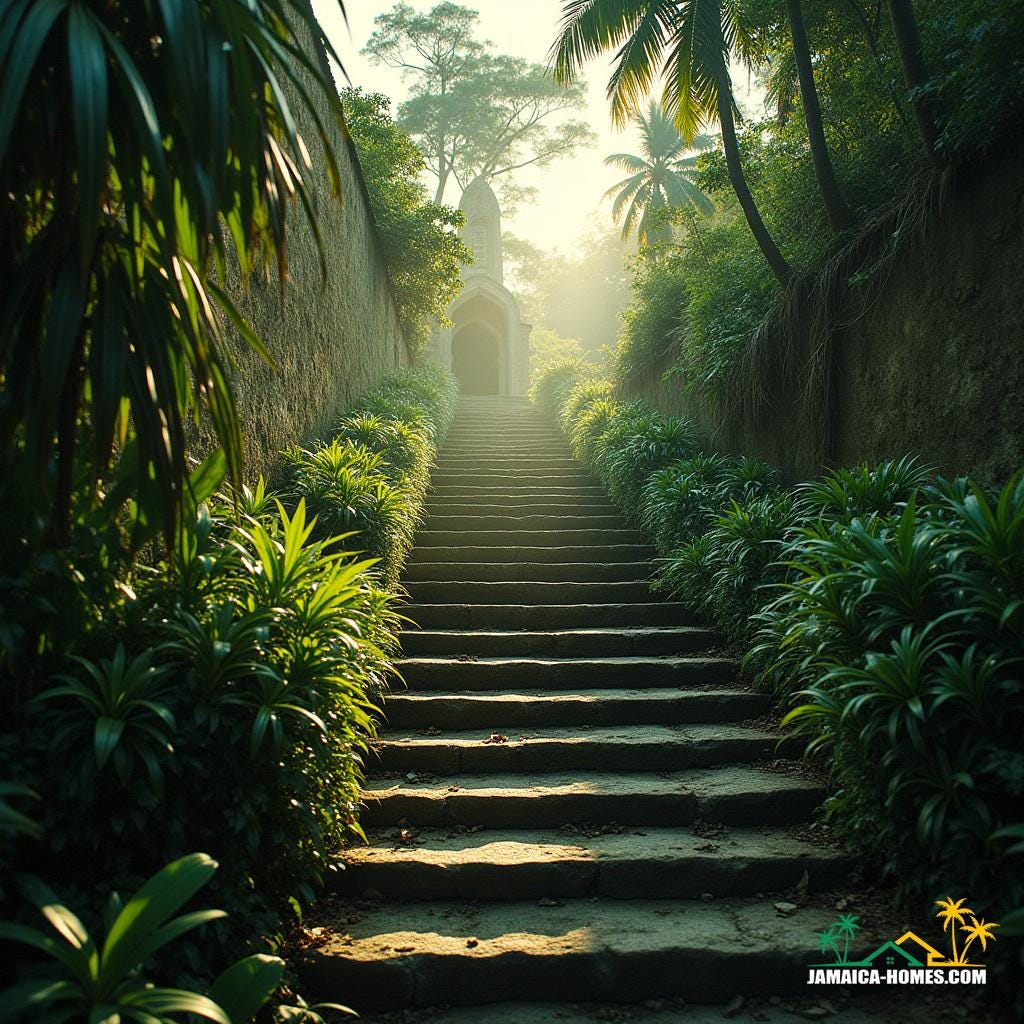
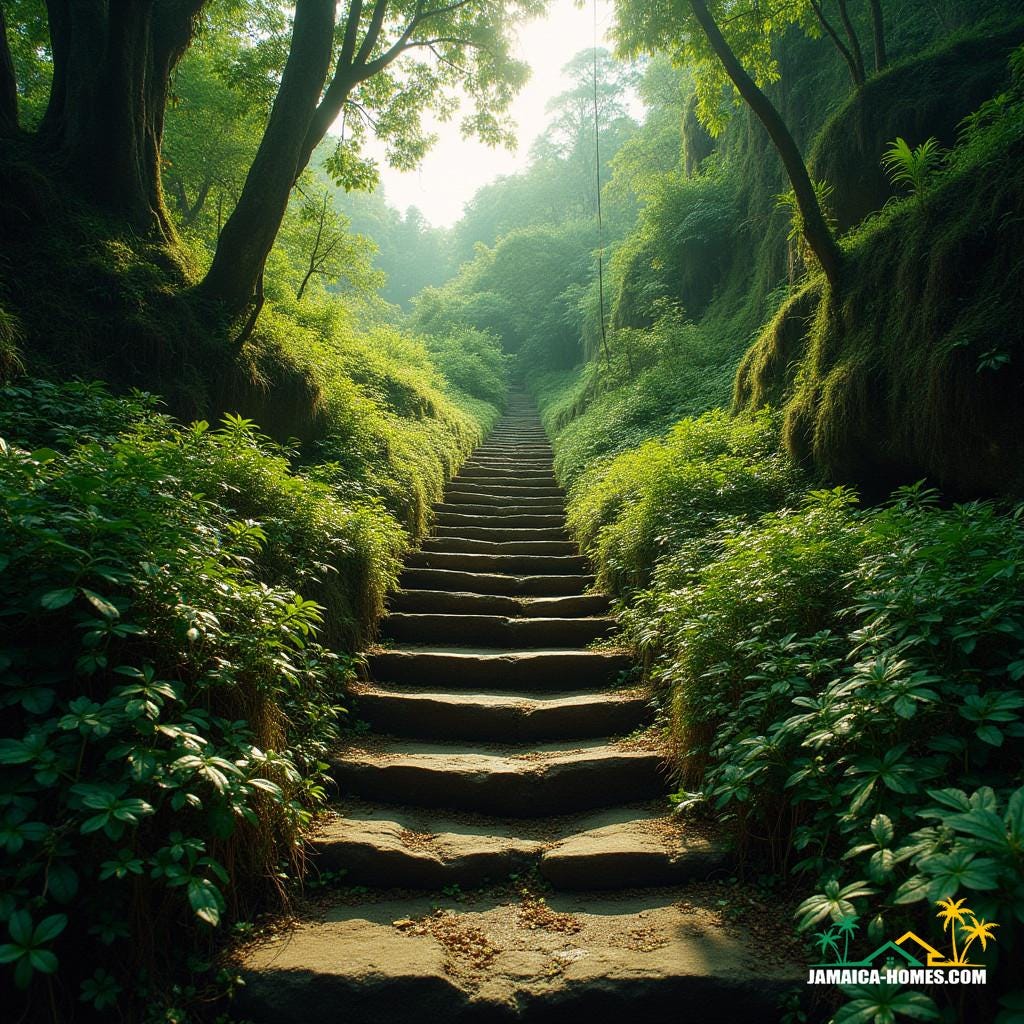
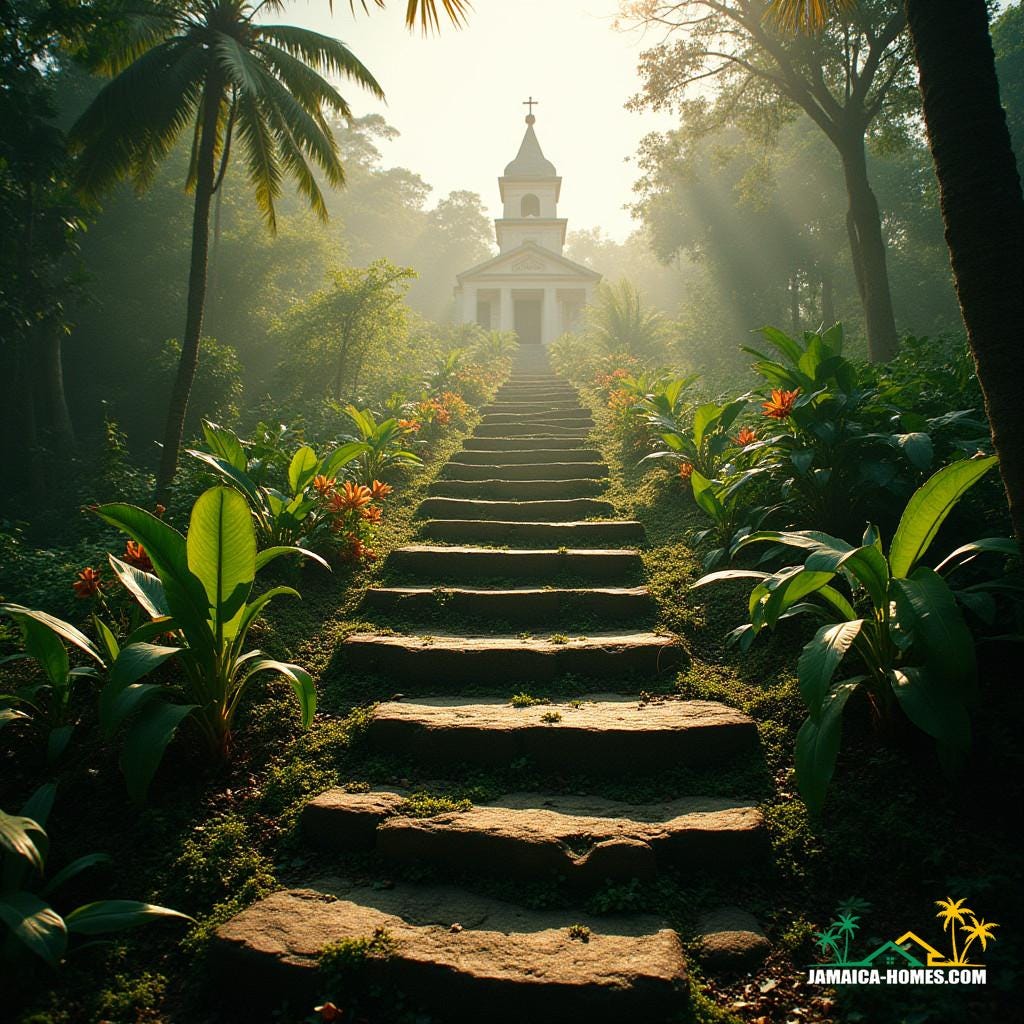
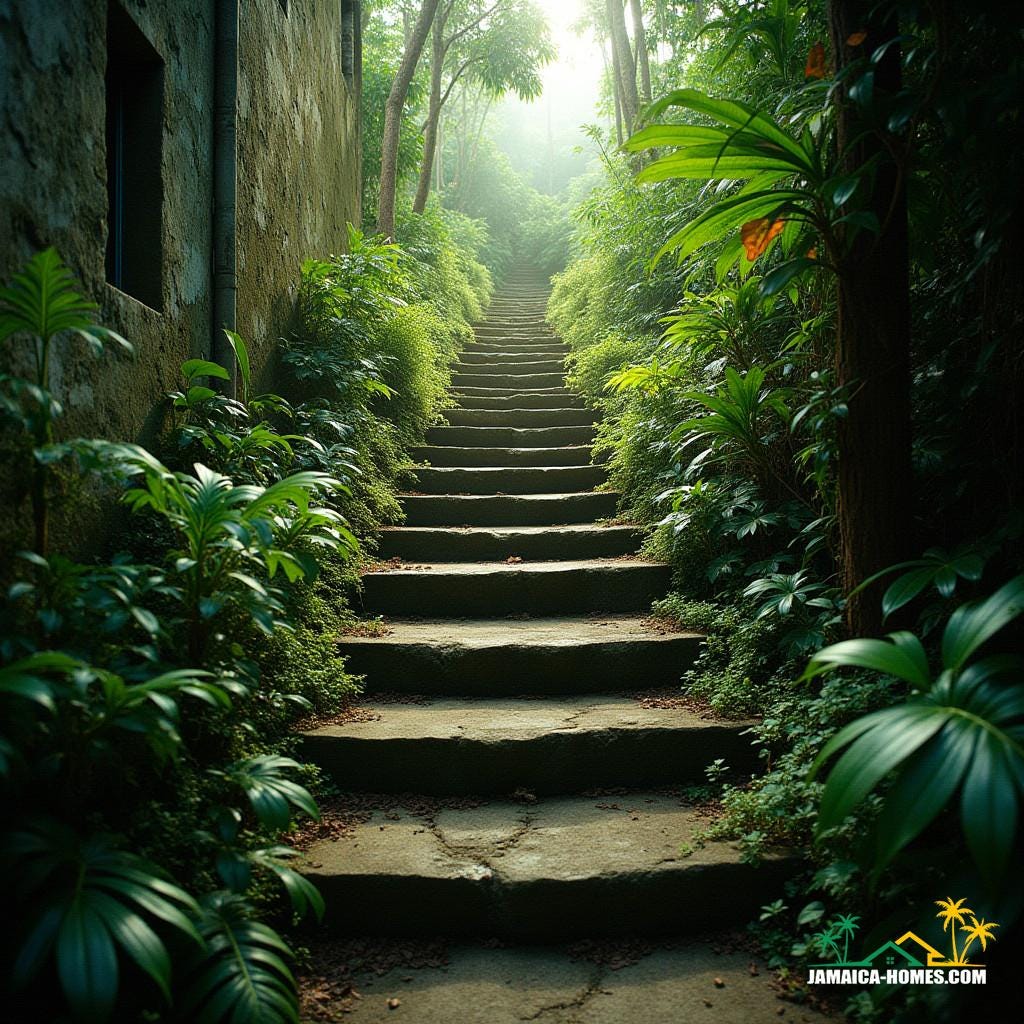
The community also holds a significant place in Jamaica’s history with the 1817 Slave Returns and the legacy of its former plantation era. Dr. William John Neilson, who inherited the property in 1812, played a crucial role in the region’s development. His family’s records highlight their position in Jamaica’s evolving plantation economy. Today, remnants of the plantation’s past still stand, including the St. Gabriel Anglican Church, originally a plantation great house. Built in the 19th century, it reflects typical Georgian architecture and has since been repurposed as a church. Adjacent to the church are the “Arawak Steps,” believed to have been created by the Taíno people, and the site of a Taíno midden.
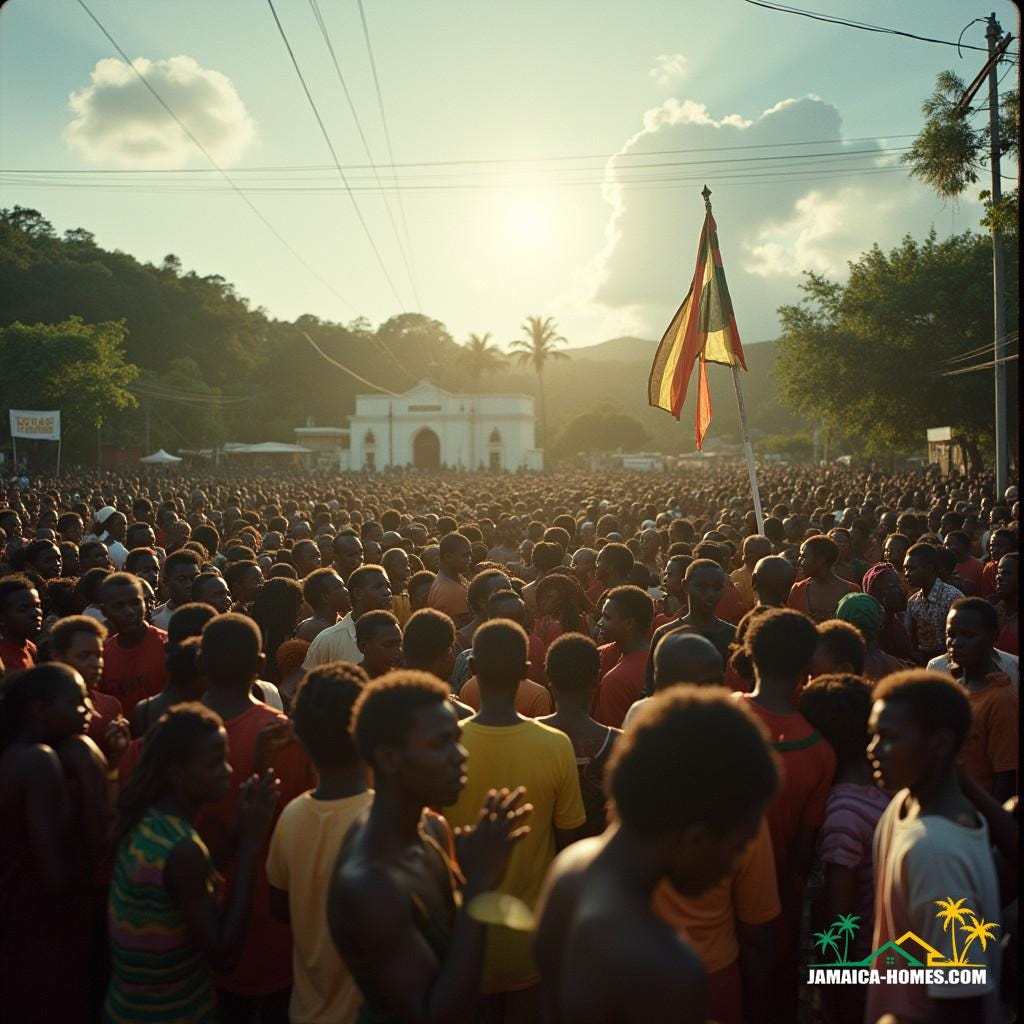
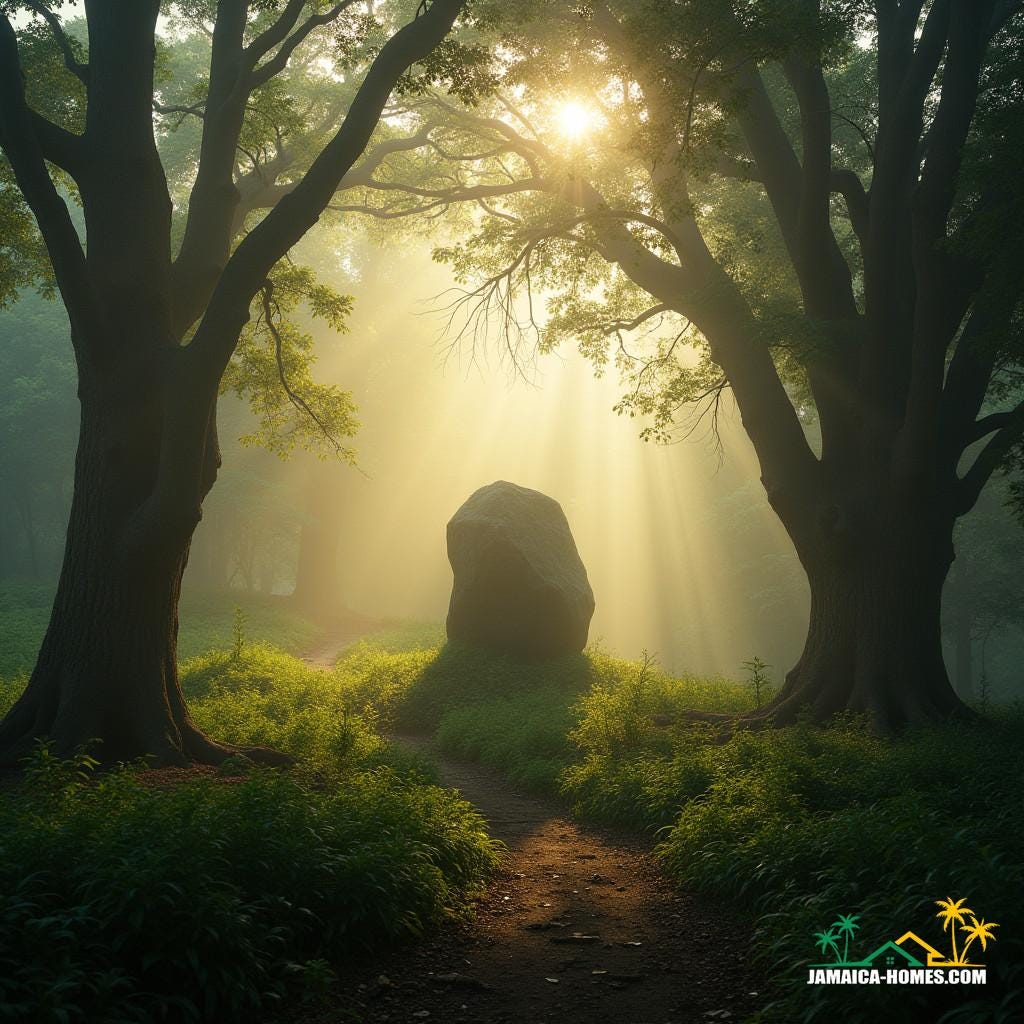
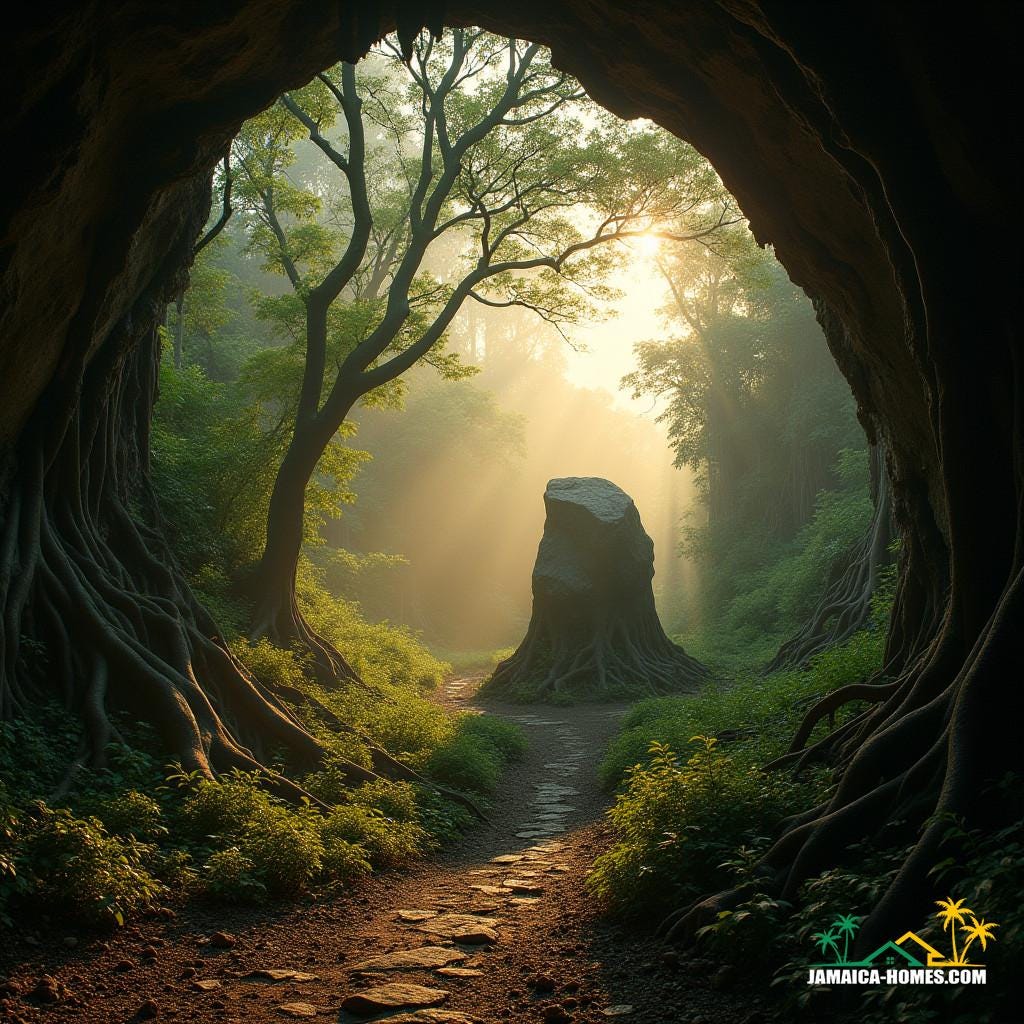
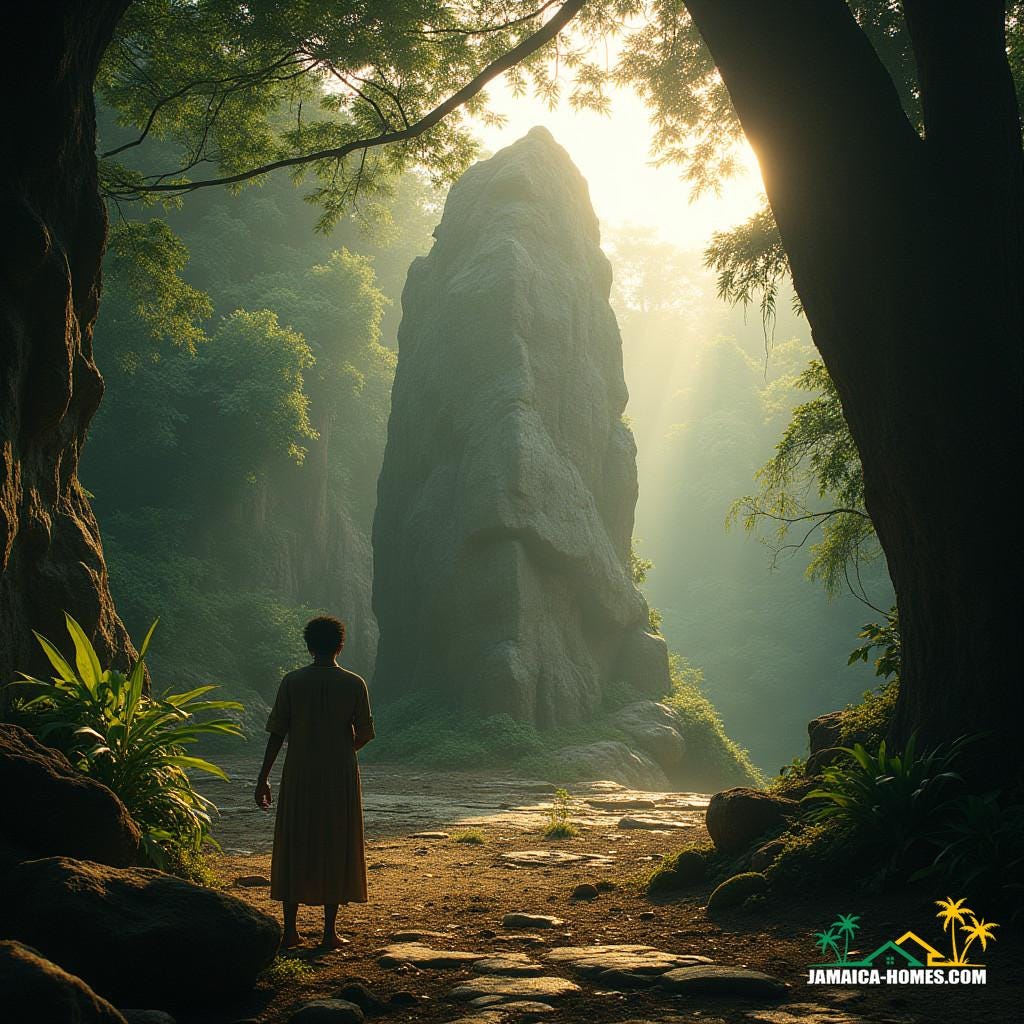
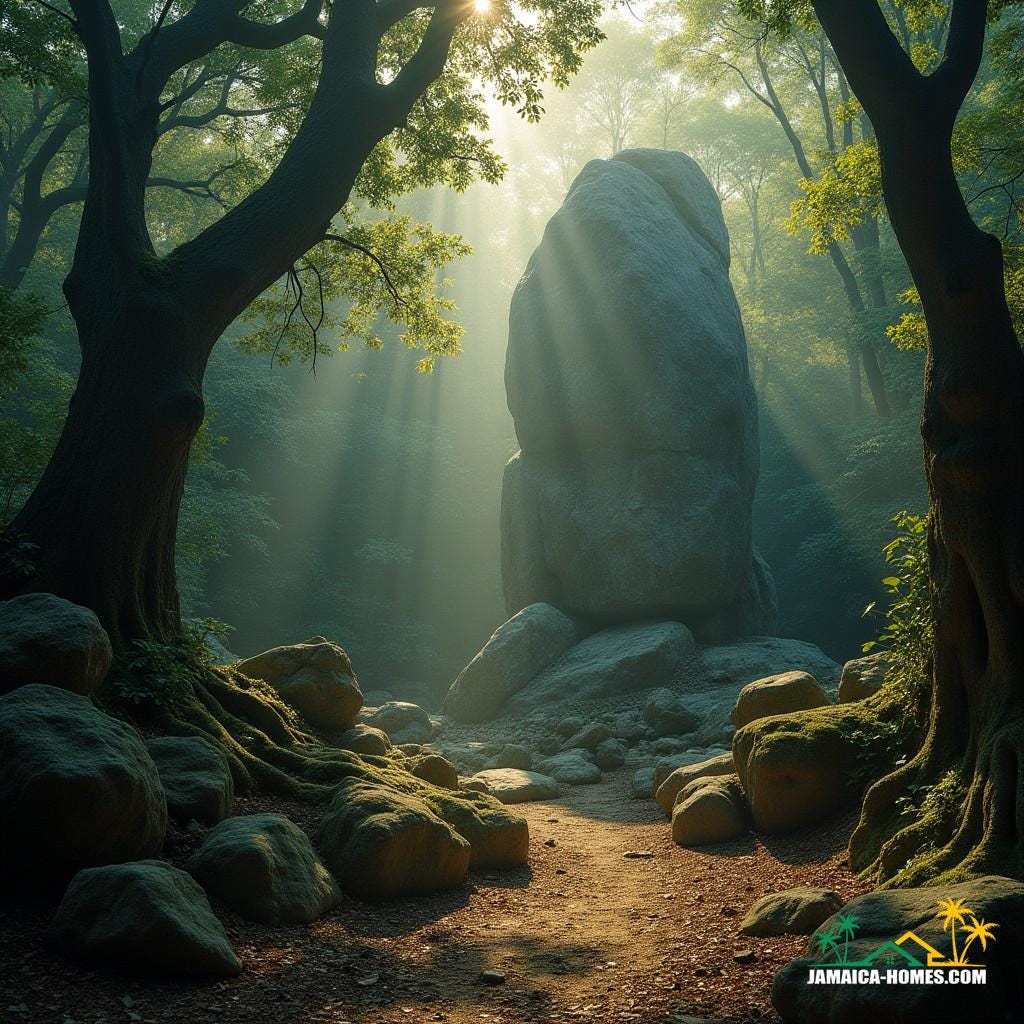
Woodside’s connection to Jamaica’s Emancipation Day celebrations is also of historical significance. The community gathers at “Daddy Rock,” a site believed to have been used by enslaved Africans to strategize escapes and seek solace. Today, it serves as a spiritual and historical gathering point during annual observances. These celebrations are a reminder of the community’s endurance and legacy. The combination of Taíno artifacts, plantation heritage, and the Emancipation narrative makes Woodside a rich historical tapestry, making it a unique and significant part of Jamaica’s cultural and social history.