

You Thought Jamaica Was Worth Saving: A Story of Land, Loss, Legacy & Rising Again

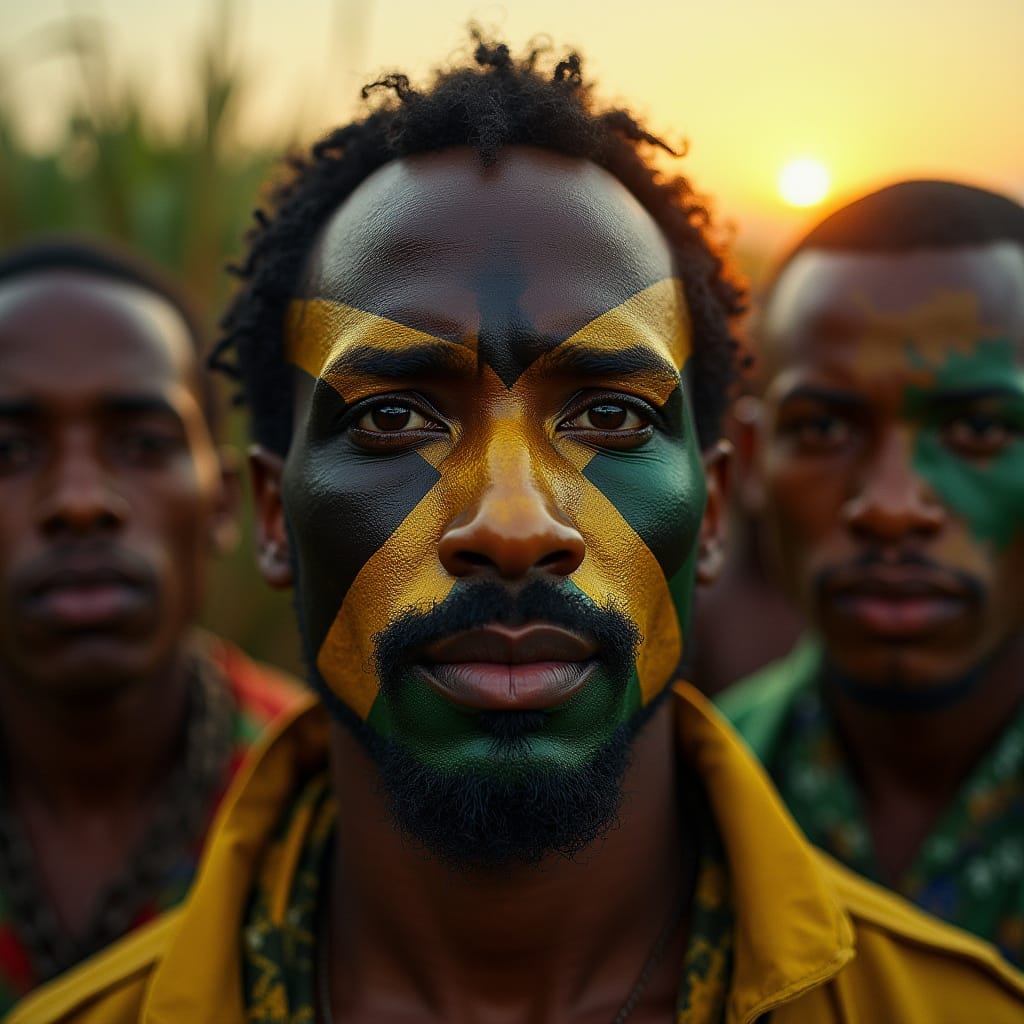
An Inspirational Journey Through Jamaica’s Real Estate History
Jamaica’s real estate story is not just about titles, deeds, and plots of land. It is a story of identity—how a people shaped their island, and how the island shaped them in return. It is a story written in stone and timber, in hurricanes and rebuilding, in prosperity and hardship, in migration and return.
Most of all, it is a story of worth—the belief that this island, and the people who call it home, are valuable enough to protect, rebuild, and bless for generations.
Long before high-rises touched the Kingston skyline and gated communities dotted Montego Bay’s hillsides, the land carried memories older than independence—older even than emancipation. Our real estate story begins where all Jamaican stories begin: with struggle, spirit, and survival.
From Sugar Estates to Freedom Lands: The First Shaping of Jamaican Property
For centuries, land ownership in Jamaica was a symbol of power. During the colonial era, vast plantations defined wealth and status. But beneath that structure—heavy, oppressive, unjust—Jamaicans carved out quieter stories of resistance.
After Emancipation in 1834, former slaves purchased small pieces of land called “free villages.” These weren’t just home lots—they were declarations of dignity. For every family that saved enough to buy land, it was as if the island whispered:
“You are worth keeping. Your future is worth building.”
Generations later, many Jamaicans still live on lands first acquired during those years, their roots deep and steady. The free villages were the beginning of Jamaica’s real estate identity—ownership not as luxury, but as liberation.
Urban Expansion and the Birth of Modern Jamaica
As the island grew—Kingston booming after the 1907 earthquake, Montego Bay rising as a tourism centre, and Spanish Town expanding with young families—land became more than a possession.
It became a promise.
The first housing schemes created after independence in 1962 symbolised a government saying to the people:
“You deserve a place of your own. You deserve stability. You deserve prosperity.”
From Arnett Gardens to Portmore’s early blocks, Jamaica’s housing developments reflected a nation trying to build not just homes, but hope.
Yet, with growth came challenge—and the greatest tests often arrived on the wind.
The Hurricanes That Reshaped a Nation: Gilbert, Dean &. Melissa
Every Jamaican carries a hurricane story.
Homes lost. Zinc flying. Water rising. Neighbours holding hands. Families singing hymns in the dark. Real estate in Jamaica—unlike in many countries—is shaped as much by storms as by sunshine.
Hurricane Gilbert – 1988
Gilbert tore roofs from houses as if they were pages from a notebook. Entire communities had to rebuild from scratch. Yet in those months after the storm, something remarkable happened: Jamaica came together.
Carpenters repaired strangers’ roofs. Farmers shared food. People rebuilt not only with nails and lumber, but with faith.
Gilbert taught us that we are never too broken to be rebuilt.
Hurricane Dean – 2007
Dean arrived with fury, flattening farmlands and ripping through rural communities. But it also pushed Jamaica into a new era of building codes, stronger roofing standards, and disaster planning.
Dean said: “Strengthen your foundation.”
Jamaica answered: “We will.”
Hurricane Melissa – 2024
Melissa tested Jamaica’s infrastructure and coastline in a modern way. Flooding, battered roads, displaced families—yet again, Jamaicans showed the world that resilience is not an act but a habit.
Communities that were once fragile now rebuilt with concrete, steel, and purpose. Developers incorporated climate adaptation. Citizens demanded safer planning. And the land—scarred yet steadfast—reminded us:
“You are worth saving.”
Hurricane Beryl – 2024
Hurricane Beryl brought destruction but also clarity. It exposed weak systems, poor drainage, and houses built in vulnerable zones. But Hurricane Beryl also sparked innovation: raised foundations, smart-grid communities, solar-driven resilience hubs, and new government disaster strategies.
Hal whispered:
“There is more in you. Build better, not just back.”
The New Jamaican Real Estate Boom: Diaspora Dreams & Local Determination
Fast forward to today, and Jamaica’s real estate market is hotter than Blue Mountain coffee.
The diaspora is returning, searching for home and heritage.
Young professionals want investment property as a path to generational wealth.
Airbnb transformed rural districts into tourism corridors.
Gated communities rise where cane fields once swayed.
Kingston’s skyline climbs a little higher each year.
But beneath all this development lies something deeper:
A belief that Jamaica—despite storms, despite economic challenge, despite global shifts—is worth investing in.
Every apartment built in St. Andrew, every townhouse in Portmore, every villa in Ocho Rios is an act of faith:
“This island still has promise. This land still has meaning. My future can grow here.”
Faith, Land & the Jamaican Spirit
This is where the spirit of your chosen song becomes more than inspiration—it becomes metaphor.
The song speaks of being renewed, made whole, restored, lifted up because someone believed you had worth.
Is that not the story of Jamaica?
Through every century, every storm, every political shift, every rise and fall, Jamaica remains a nation rebuilt by belief.
Belief that:
community can lift us
faith can steady us
land can anchor us
storms cannot stop us
we are worth the effort
Jamaican real estate is more than property values and investment advice. It is the quiet, powerful truth that no matter what hits this island—wind, rain, hardship, doubt—its people rise again.
Because they believe this place is worth keeping.
Because they believe their future is worth building.
Because they believe they, too, are worth saving.
The Future: A Jamaica Built on Resilience, Technology & Community
The next chapter of Jamaican real estate will be transformative:
Climate-smart housing
Vertical cities
Mixed-use urban regeneration
Community-oriented rural planning
Diaspora-driven investments
Disaster-resistant construction
Affordable housing with dignity
And beneath all of this will beat the same truth:
Jamaica is worth the work.
Jamaica is worth the investment.
Jamaica is worth the sacrifice.
Jamaica is worth the love.
Just like the message of the song that inspired this piece, Jamaica’s land reminds us:
“You can rise.
You can rebuild.
You can be whole again.”
And that is the greatest real estate story ever told.
Credits & Acknowledgement
This blog was inspired by the themes and message of the gospel song “Worth” by Anthony Brown & group therAPy. No lyrics were reproduced, and all creative interpretations are original.