


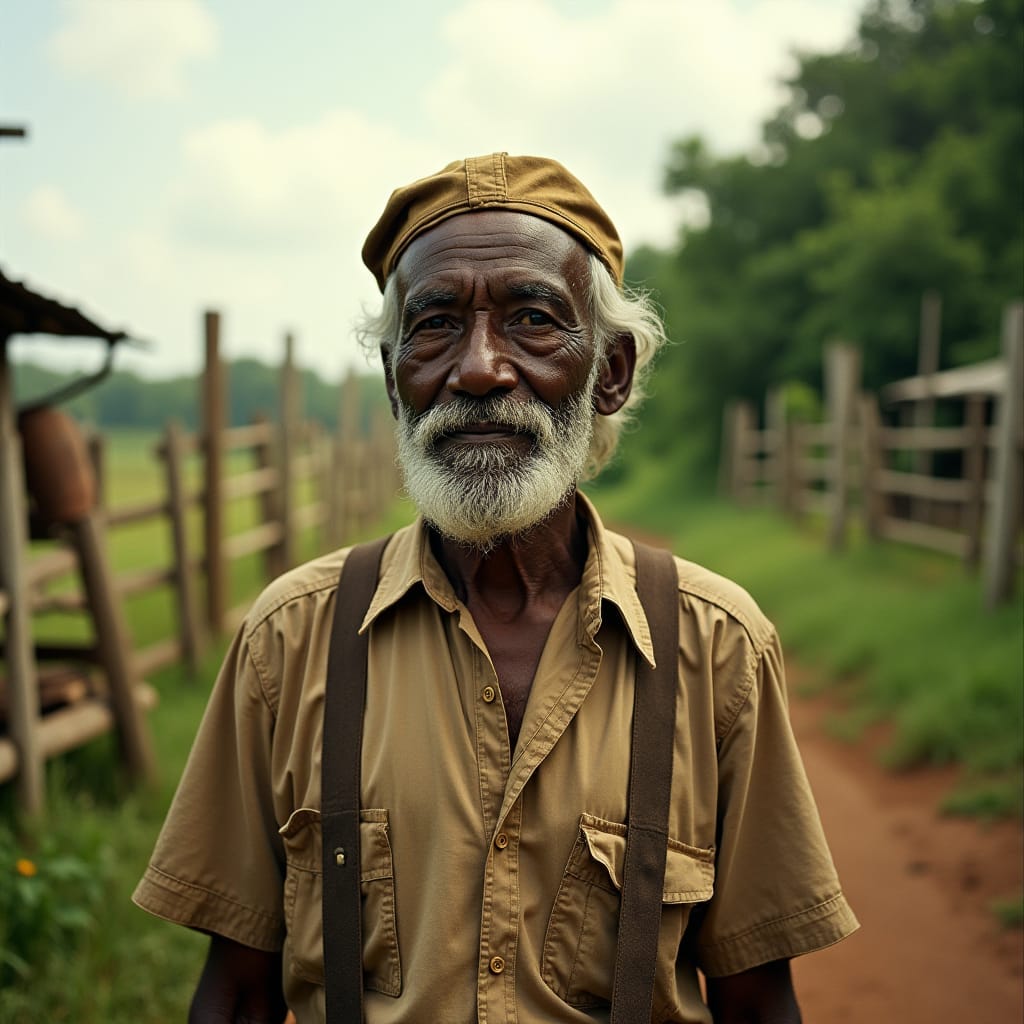
For generations, land ownership in Jamaica has been tied not only to wealth but also to legacy. From sugar estates held by colonial planters to family plots inherited through bloodlines, land has long been the anchor of identity and livelihood. Yet, in today’s Jamaica, owning land—especially rural or forested acreage—comes with a new set of challenges. Whether it’s 1 acre in St. Elizabeth or 200 acres in Portland, selling land requires more than simply finding a buyer. It means navigating a complex maze of history, legality, and market forces, all while honoring the legacy of the past.
The journey begins with one question: Do you have title?
1. From Legacy to Legal: Understanding Title and Ownership
In Jamaica, a Registered Title issued under the Torrens system is the gold standard. Unfortunately, many landowners, especially those who inherited their land, never completed the transfer process. The result? Thousands of acres across the island remain in legal limbo.
Ownership through “common law” or family tradition isn’t enough. As Dean Jones, Realtor Associate at Coldwell Banker Jamaica Realty and founder of Jamaica Homes, often reminds clients, if it isn’t on title, it isn’t yours in the eyes of the law. Probate, Letters of Administration, and rectification of title must be addressed before listing the property for sale.
This stems from Jamaica’s history—a legacy of plantations, Crown lands, and informal inheritance patterns. The old ways of simply living on the land for decades without registration are no longer adequate in a digitized, investor-driven market.
2. Clearing the Land—and Its Occupants
Land in Jamaica rarely sits empty. Particularly in parishes with deep rural roots, owners often discover that squatters, settlers, or homeless individuals have made the land their home. Some live in wooden structures; others simply camp under tarpaulins.
Here, history again plays a role. Jamaica’s high rates of squatting can be traced back to the post-emancipation era, when freed Africans were denied access to estate lands and created informal settlements instead. Today, this legacy means landowners must act wisely.
Under Jamaican law, a person who occupies land openly and without challenge for 12 years can apply for adverse possession. This doesn’t mean your land is lost, but it does mean inaction can weaken your claim. Dean Jones puts it succinctly: “It’s not about winning in court—it’s about avoiding court altogether.”
The best approach is usually negotiation. Many buyers will factor in the cost of relocation or clearance if needed. Others will walk away from a deal tainted by conflict.
3. Survey and Valuation: Knowing What You Have
A title tells you what you own. A survey shows where it is. Many inherited properties haven’t been surveyed in decades. Bush has reclaimed the fence lines, and neighbours may have pushed boundaries without malice.
Hiring a licensed land surveyor is an essential step. They provide an updated diagram and can identify encroachments. This not only helps set your boundaries but also protects you legally.
Next is valuation. Professional valuers consider terrain, access to roads and utilities, zoning, and potential use (residential, agricultural, eco-tourism). Their report will form the backbone of your asking price and marketing strategy.
“Don’t guess the value of your inheritance,” says Jones. “Spend the money on a certified valuation—it’s your blueprint to a fair deal.”
4. Strategize Your Sale: Whole or in Lots?
In today’s fragmented market, flexibility is key. Your 200-acre forest may not attract a single buyer, but it could attract 10 buyers looking for 20-acre plots. Subdividing is a strategic decision, not a desperate one.
Subdivision involves costs: surveys, road access, and potential infrastructure. But it may also bring a significantly higher return. Zoning laws will impact your ability to subdivide, so consult with your parish council and a land-use planner.
Sometimes, the land’s true value lies in its potential: eco-retreats, greenhouse farming, or even residential development. A good realtor will help you assess these opportunities.
5. Choosing the Right Realtor
In Jamaica, not all real estate agents are created equal. Selling land—especially undeveloped or inherited land—requires a realtor with specific skills: knowledge of rural topography, understanding of legal intricacies, and most importantly, an ethical approach to heritage property.
Dean Jones emphasizes the importance of storytelling: “We’re not just selling soil and trees. We’re selling the dream of returning home, the promise of legacy, and the beauty of untouched Jamaica.”
Look for agents who:
Are licensed by the Real Estate Board
Provide drone photography and digital mapping
Have diaspora networks and international reach
Understand local development plans
6. Prepare for Market
Once the legal groundwork is laid, it’s time to prepare the land itself. This doesn’t mean building roads or clearing every acre. But certain steps help:
Clean the main access road
Remove garbage and abandoned structures
Highlight streams, hardwoods, or scenic views
Create marked trails or walking paths
Share Google Maps pins and GPS coordinates
In the era of drone marketing, visuals matter. High-resolution images and aerial videos make your land accessible to buyers in Toronto, New York, or London—without them stepping foot in Jamaica.
7. Know Your Buyer, Know Your Price
The Jamaican land market includes a wide variety of buyers:
Local farmers
Returning residents
Foreign investors
Jamaican developers
Charitable organizations
Each buyer group has different priorities. Farmers care about soil and water. Developers care about road access and zoning. Diaspora buyers care about connection and legacy.
Setting your price requires balance. Too high, and you’ll scare off real interest. Too low, and you’ll leave money on the table. A good realtor will anchor your asking price with comps and guide you toward real-world expectations.
8. Closing the Deal
Once you accept an offer, legal due diligence begins. The buyer’s attorney will verify title, ensure taxes are paid, and check for liens or caveats. Your own lawyer should do the same.
Ensure that:
Property taxes are current
All co-owners sign off
Survey and valuation documents are shared
A clear timeline is established
Payment structures vary. Some buyers pay in cash. Others seek vendor financing or mortgage approval. A well-drafted Agreement for Sale protects both parties and outlines the process from deposit to completion.
Conclusion: Selling the Past, Enabling the Future
Selling inherited or undeveloped land in Jamaica is never just a financial decision. It is an act of transition—passing the torch to a new steward.
With careful planning, professional support, and strategic marketing, you can honour your family’s legacy while achieving a profitable and dignified outcome.
As Dean Jones reflects, “Land in Jamaica tells a story. When we sell wisely, we ensure the story continues.”
Ready to explore your land’s potential? Connect with Dean Jones at Jamaica Homes. Whether you have one acre or a thousand, we guide you every step of the way.
Disclaimer: This post is based on personal experiences and general real estate insights. It is not financial, legal, or professional advice. Always consult a qualified professional before making property investment decisions.